EN

ABOUT US
- Shounan Street URban Industrial Park,YinZhou District,NingBo City, ZheJiang, CHINA.
- +86-15381988180
- [email protected]

Factory layouts rarely stay fixed. Production lines move, new equipment arrives, and storage needs shift every quarter. When a facility changes, permanent concrete walls and welded steel rails become a liability rather than protection. Modular safety barriers let teams redraw protection zones in days instead of weeks, without breaking the floor. These systems answer a simple need: keep people and machines safe while the plant keeps changing shape.
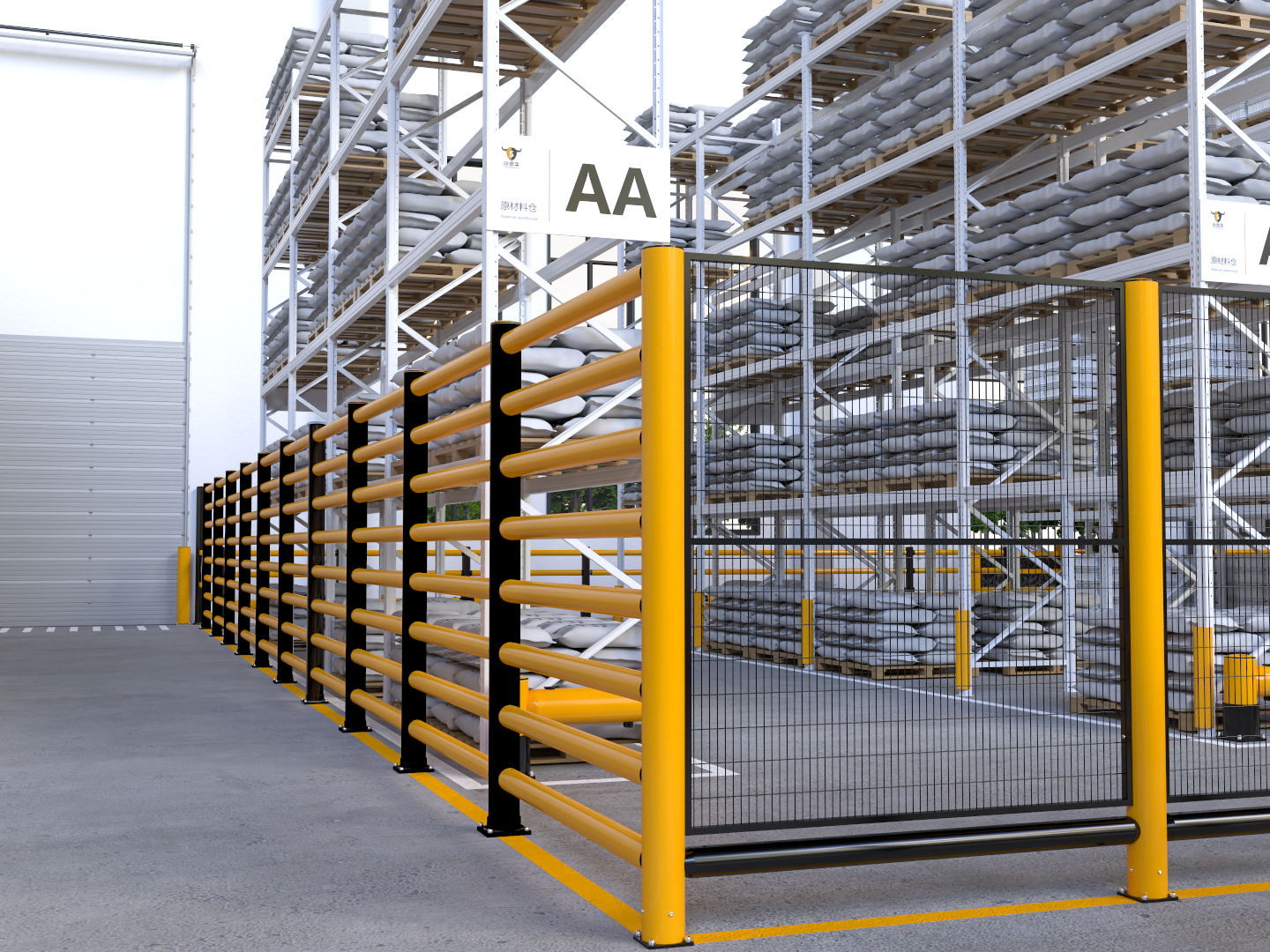
Concrete barriers and cast-in-place walls served industrial sites for decades, yet they fight against change. Moving them means demolition, dust, and lost production time. Modular safety barriers solve this by using bolt-down bases and interlocking polymer sections that relocate with the workflow. A plant no longer commits to a single floor plan. When a cell expands or a lane widens, the same barrier modules shift to the new line. This adaptability turns safety from a fixed cost into a flexible asset that follows the business.
Little Buffalo flexible barriers use engineering polymer with a self-recovering structure. Under forklift or vehicle collision, the material bends and absorbs energy, then springs back to its original shape. This recovers the barrier after hundreds of hits that would dent steel. Unlike welded steel rails, modular safety barriers return to shape after each hit, so the line stays protected without repair crews on standby. Energy absorption of up to 90% at rack ends reduces equipment damage and downtime. The polymer also resists rust in cold storage and wash-down areas where metal corrodes. Such resilience keeps protection active through daily traffic and repeated impacts. Routine checks confirm the polymer face stays seated after heavy contact, which is why plants pair these units with simple inspection cards. The self-recovering property also lowers lifetime spare-part demand across a busy facility.
A mid-size electronics manufacturer in East Asia planned a 30% capacity expansion. The existing warehouse separated forklift aisles from pedestrian walkways using painted lines only. Management needed hard segregation before adding night shifts, but the building lease forbade concrete work. The safety team installed modular safety barriers and modular guardrails along new machine cells and rack rows. Crews bolted units to the slab in two weekends with no cutting. After the change, forklift-pedestrian near-misses dropped, and the layout was reconfigured twice more during ramp-up without extra civil work. The facility met its OSHA 29 CFR 1910.178 traffic rules and kept production running throughout the project.
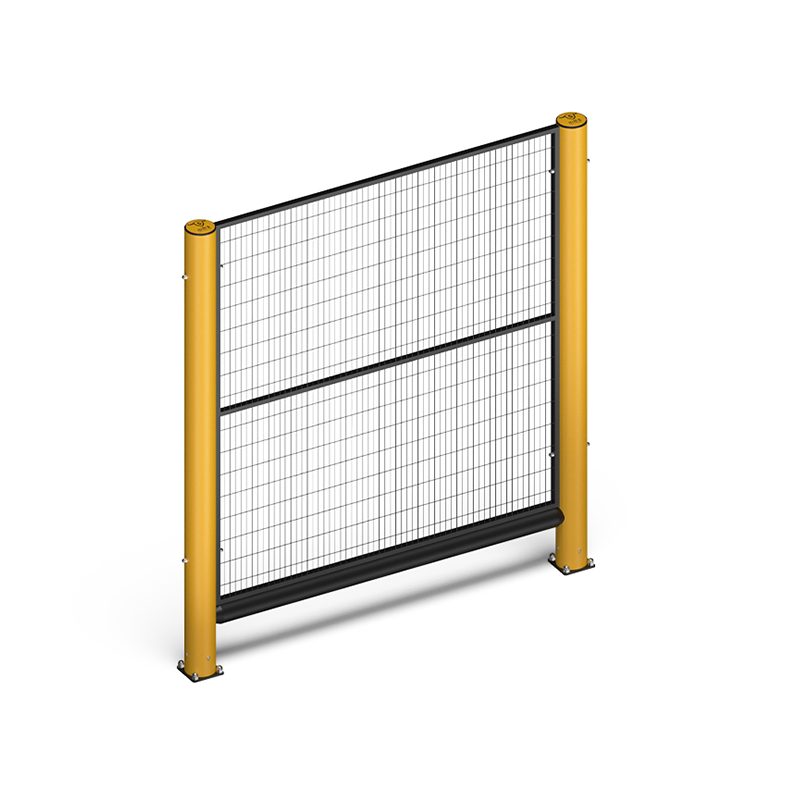
Clear segregation between powered traffic and people is the first rule of any safe facility. OSHA 29 CFR 1910.212 and ANSI B11.19 guide machine and traffic safeguarding. Modular safety barriers create visible, physical pedestrian lanes that forklifts cannot cross. Color-coded polymer and bollard lines direct workers and vehicles along set paths. Where trails meet aisles, gate openings with flexible barriers control access. Good segregation lowers collision risk and supports a calmer, more predictable workplace for everyone on the floor.
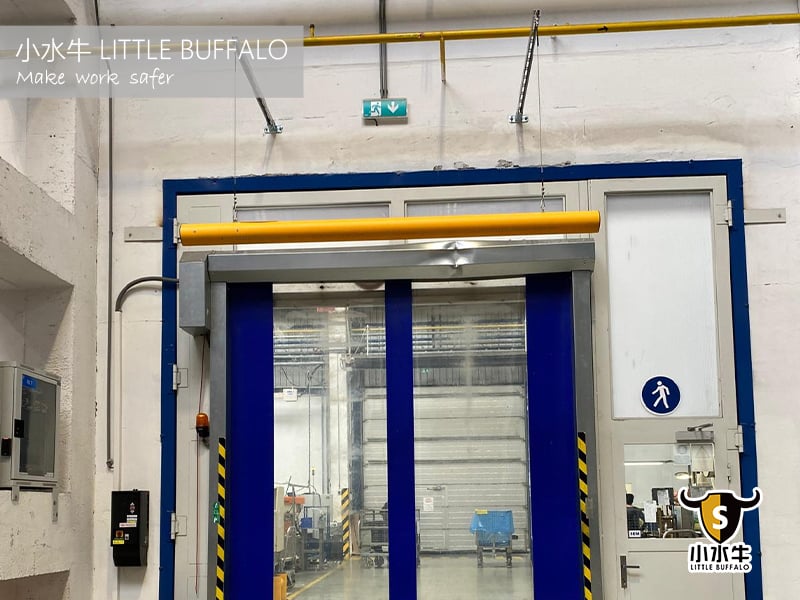
Zoning groups hazards so a single incident stays contained. Place modular safety barriers around rack uprights, machine columns, and electrical panels to stop runaway pallets. At loading docks and trailer bays, dock barriers and bollards prevent vehicles from drifting into pedestrians. Cold storage and clean room areas benefit from polymer that tolerates temperature swings and cleaning agents. A coherent zoning plan maps each hazard to a barrier type, so protection matches the real risk in every corner of the plant.
Most modular safety barriers bolt to existing concrete with chemical or mechanical anchors, avoiding civil works. Bases use powder-coated steel or cast metal ends with SS304 fixings that resist corrosion. Little Buffalo units ship as pre-drilled modules, so a small crew sets a full aisle in a single shift. Because nothing is poured, the same floor serves future reconfigurations. Installation stays reversible, which suits leased buildings and changing production footprints without contractor delays.
Barriers need a simple routine. Inspect anchors, mesh boards, and polymer faces monthly for impact cracks or loose bolts. Replace a damaged module rather than the whole run, since spare parts are standard. Maintenance also means reviewing the layout as the facility evolves—a zone that worked last year may need adjustment after a new line arrives. Keeping records supports ISO 45001 occupational health goals and shows due care to workers and auditors visiting the site.
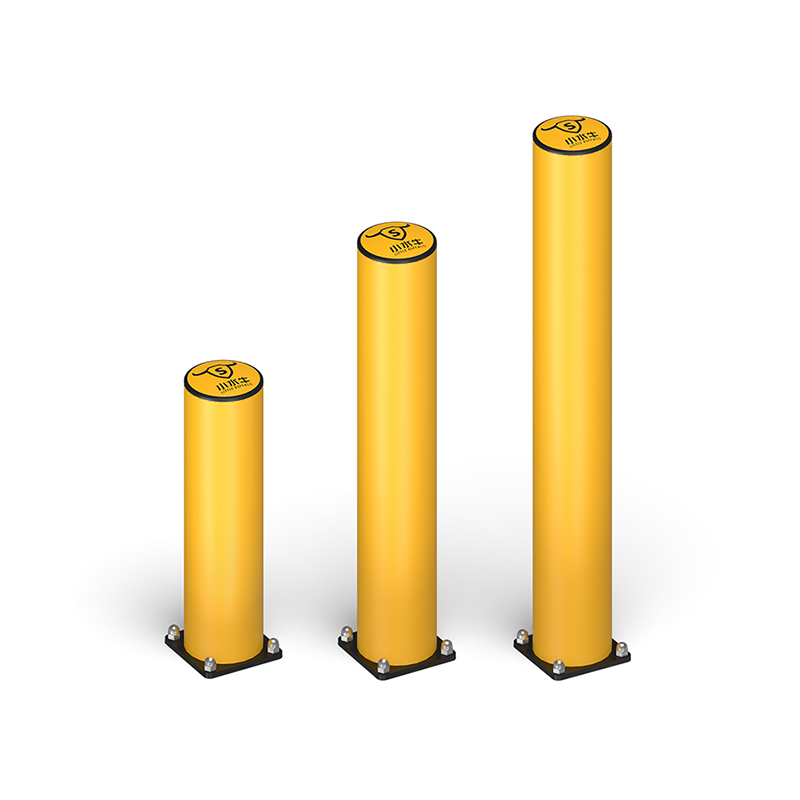
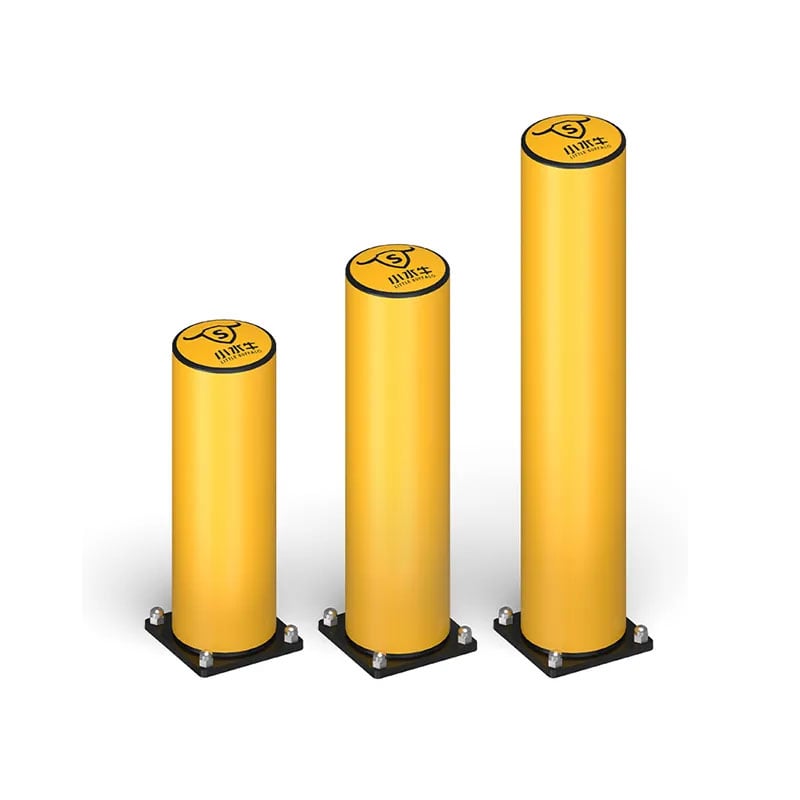
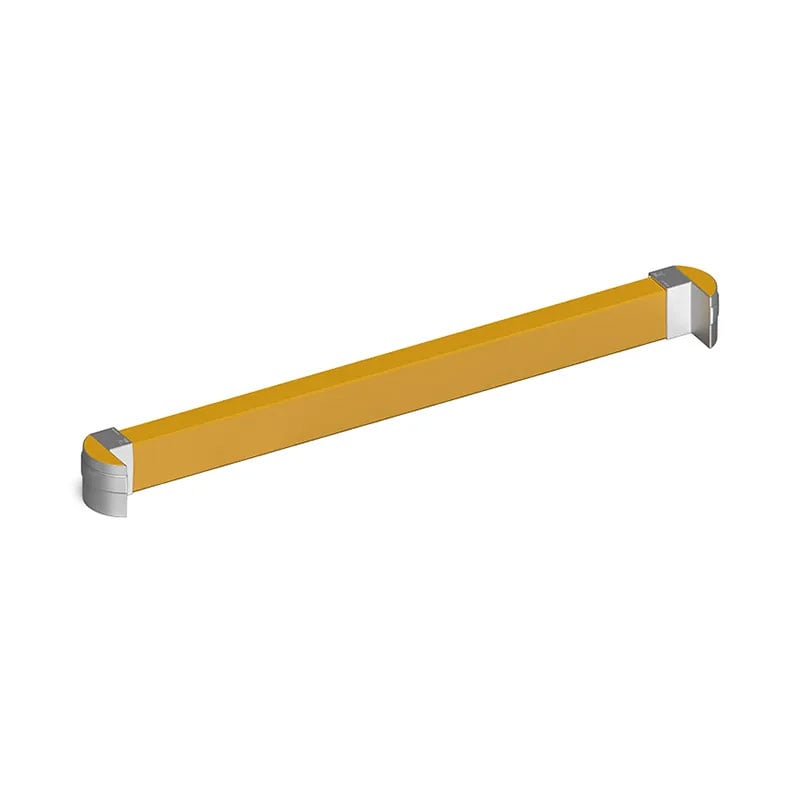
Not every edge needs the same strength. High-traffic forklift lanes call for heavy polymer guardrails with steel cores, while low-speed pedestrian areas use lighter flexible barriers. Assess impact speed, vehicle weight, and worker exposure to set the tier. Where traffic is light, low posts complement modular safety barriers without blocking sightlines. A protective plan balances cost against risk instead of over-building everywhere. Little Buffalo TÜV-certified components help specifiers match each hazard to the correct module, keeping the whole system practical and compliant.
Flexible production demands flexible protection. Modular safety barriers give factories a way to reorganize safety zones as fast as the business changes, with no concrete and minimal downtime. They protect workers, equipment, and racks while supporting clear zoning and easy maintenance. For plants that expand, relocate, or rebalance lines, these systems turn safety into a movable, reusable asset.
Frequently Asked Questions about modular safety barriers, modular guardrails, flexible layouts, reconfigurable barriers and factory zoning
Question
What makes modular safety barriers different from fixed rails?
Answer: Fixed rails are welded or poured and resist change. Modular safety barriers use bolt-down polymer modules that relocate with the workflow — true reconfigurable barriers. They absorb forklift impact through self-recovering material and need no concrete. A plant can redraw factory zoning in days with modular guardrails, protecting people and equipment while production continues. This keeps protection aligned with a changing flexible layouts strategy and lowers long-term cost.
Question
Why is factory zoning important in a busy warehouse?
Answer: Mixing forklifts and people on shared floors raises collision and injury risk. Physical factory zoning builds clear pedestrian lanes and vehicle paths that painted lines cannot enforce — the job of modular safety barriers and reconfigurable barriers. Standards such as OSHA 29 CFR 1910.212 and ANSI B11.19 support this separation. Proper zoning with modular guardrails reduces near-misses, protects workers, and helps a facility meet audit and insurance expectations without slowing throughput in flexible layouts.
Question
How are modular safety barriers installed on an existing floor?
Answer: Most modular safety barriers bolt to cured concrete with mechanical or chemical anchors, so no cutting or pouring is required. Bases use powder-coated steel or cast metal ends with SS304 fixings that resist rust. Pre-drilled holes let a small crew set a full aisle of modular guardrails in one shift. Because the work is reversible, the same floor serves later reconfigurable barriers and new factory zoning without civil contractors or long shutdowns — a clear win for flexible layouts.
Question
Can modular safety barriers survive cold storage and wash-down areas?
Answer: Engineering polymer used in modular guardrails tolerates temperature swings and cleaning agents that corrode metal. In cold storage and clean room settings, reconfigurable barriers keep shape after repeated impacts and need no repainting. SS304 and rust-free fixings avoid staining in wash-down zones. Regular inspection of anchors and faces keeps the modular safety barriers reliable. Such durability makes polymer a practical choice for demanding factory zoning and flexible layouts in industrial environments.
Question
Which standards apply to factory zoning, modular safety barriers and machine guarding?
Answer: Relevant references include OSHA 29 CFR 1910.178 for powered industrial trucks, OSHA 29 CFR 1910.212 for machine guarding, ANSI/ITSDF B56.1, and ISO 3691 for industrial trucks. ISO 14120 covers machine guards, while ISO 45001 frames occupational health. Specifiers of modular safety barriers and modular guardrails should map each hazard to the right rule and document compliance during factory zoning changes. Regular review of these references keeps the reconfigurable barriers layout current, auditable, and defensible within flexible layouts.
 Hot News
2024-06-01
2024-06-25
2024-06-28
2024-09-09