EN

ABOUT US
- Shounan Street URban Industrial Park,YinZhou District,NingBo City, ZheJiang, CHINA.
- +86-15381988180
- [email protected]

Every facility where vehicles and pedestrians share space faces a simple physical reality: a moving load carries kinetic energy that must go somewhere on contact. When a forklift, trailer, or delivery van strikes a rigid post, that energy transfers straight into the structure and the vehicle. Energy absorbing barriers solve this by giving impact a controlled place to dissipate, protecting both the asset and the people nearby. Warehouse and factory layouts place steel racking, columns, and machine corners directly in the path of daily traffic, so the question is rarely whether a strike happens, but how much damage it leaves behind.
A collision is an exchange of momentum, and the damage scales with how abruptly that exchange stops. Rigid steel structures halt motion in milliseconds, which spikes the force delivered to welds, anchors, and the vehicle frame. Energy absorbing barriers work differently: they deform locally and return much of the load into a slower, distributed response that lowers peak force. This principle sits at the heart of modern flexible protection design. Engineers describe the target as reducing peak force while keeping the barrier in place, a balance that rigid steel cannot offer on its own.
Peak contact force determines whether a rack upright bends, a wall cracks, or a bumper crumples beyond repair. Lowering that peak is the single most effective way to prevent recurring repairs. Energy absorbing barriers spread the load across a wider zone and lengthen the deceleration distance, so the same impact that would wreck a fixed bollard leaves a flexible unit merely flexed and ready to recover. Facilities that map their worst strike points tend to see the fastest return on a flexible upgrade.
Site teams can estimate benefit by comparing impact speed, vehicle mass, and the stiffness of the protector. A flexible polymer barrier that absorbs the majority of collision energy spares the foundation and the building shell. Energy absorbing barriers make this measurable: independent TÜV testing and ISO 9001 manufacturing controls give procurement teams a credible basis to specify these systems rather than guessing at performance after the first accident. Documented test data also supports internal risk reviews and capital approval.
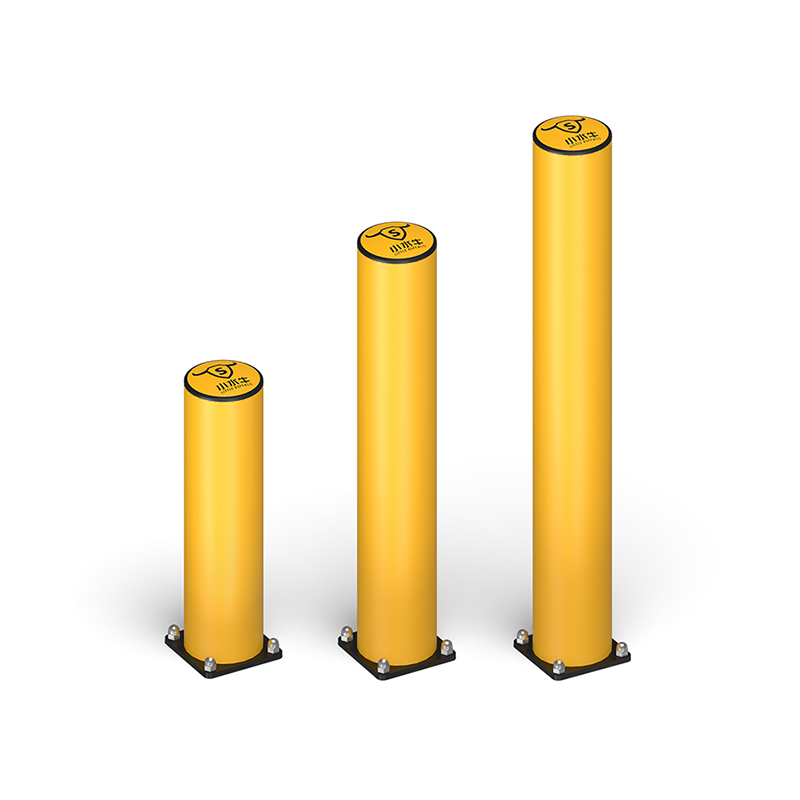
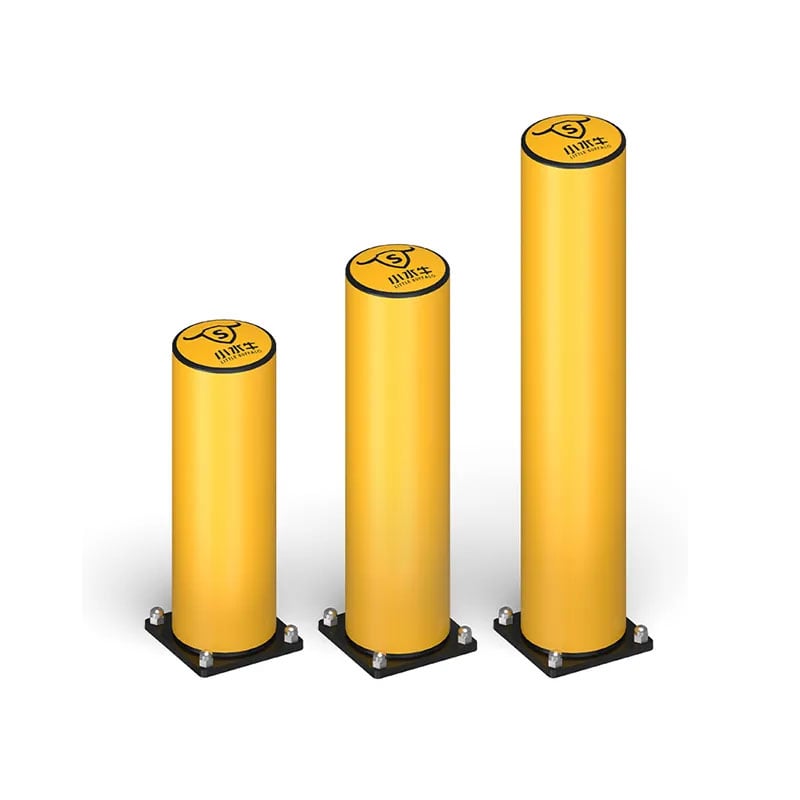
The core advantage of polymer barriers is the material's elastic memory. Engineering polymer bends under a hit and springs back to shape instead of staying dented. This self-recovering behavior is why energy absorbing barriers can survive hundreds of low and mid-speed contacts without replacement. Cast metal ends and SS304 fixings hold the unit firm while the polymer body does the absorbing, so the anchor stays intact. The result is a protector that keeps working long after a rigid post would need rewelding.
Shock absorption is not the same as raw resistance. A rigid guardrail resists until it fails; a flexible barrier yields, absorbs, and recovers. For pedestrian routes, warehouse aisles, loading dock edges, and machine guarding zones in industrial facilities, that yielding response reduces injuries because the person or vehicle meets a softer, decelerating surface. OSHA 29 CFR 1910.212 and ANSI B11.19 both point toward safeguarding that limits exposure to hazardous motion. A compliant layout pairs flexible units with clear lane marking.
Even a self-recovering unit needs a simple inspection routine. Proper installation and routine maintenance keep collision energy management reliable and extend the useful life of the protection across a warehouse, cold storage, clean room, and truck yard applications. Facility staff should check anchor torque, look for deep gouges, and confirm the base remains seated after a heavy strike. Modular designs let a damaged section swap without replacing the whole run. Energy absorbing barriers reward this care with years of repeated, recoverable service.
A distribution site operated a tight junction where delivery trucks turned past a structural column. Monthly, a vehicle clipped the column or the adjacent steel bollard, requiring weld repairs, repainting, and occasional downtime. The repeated cost was predictable but unwelcome, and the hard post created a hazard for nearby pedestrians using the crossing. Earlier attempts with rigid steel had failed where energy absorbing barriers would have flexed instead of snapping. The junction had become a known drain on the maintenance budget.
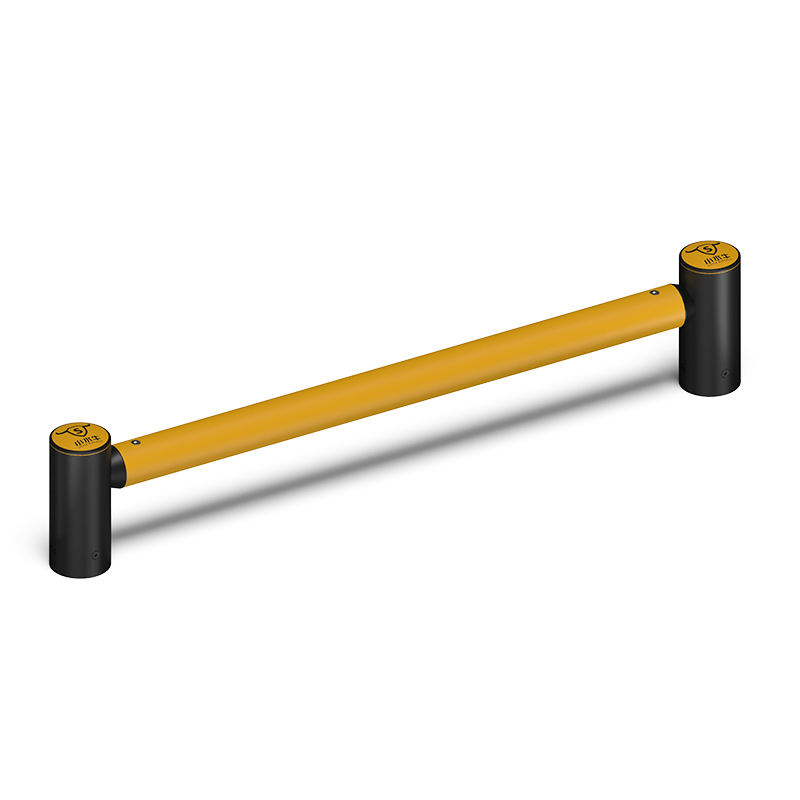
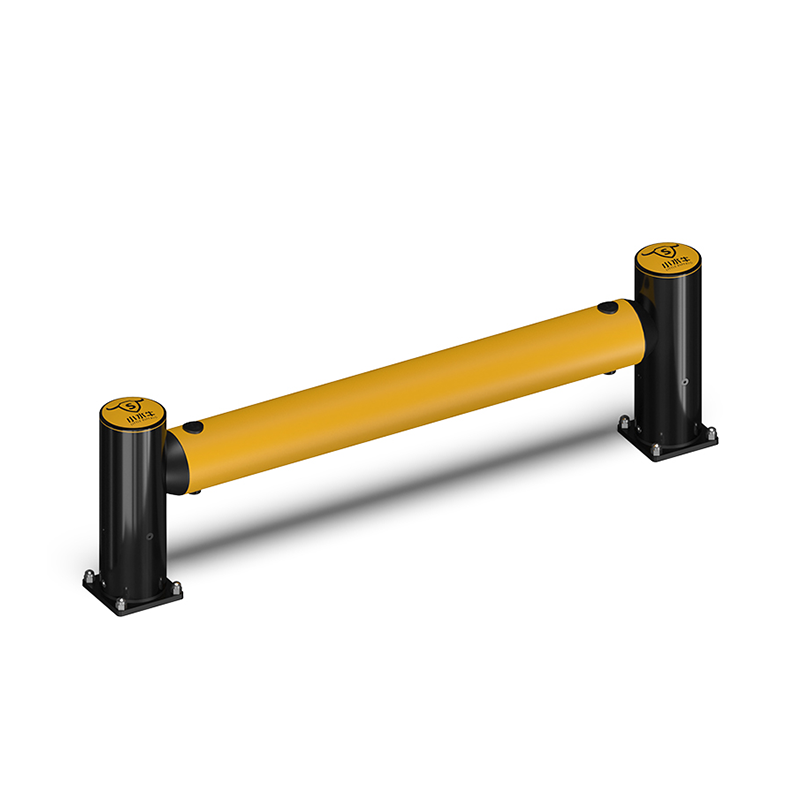
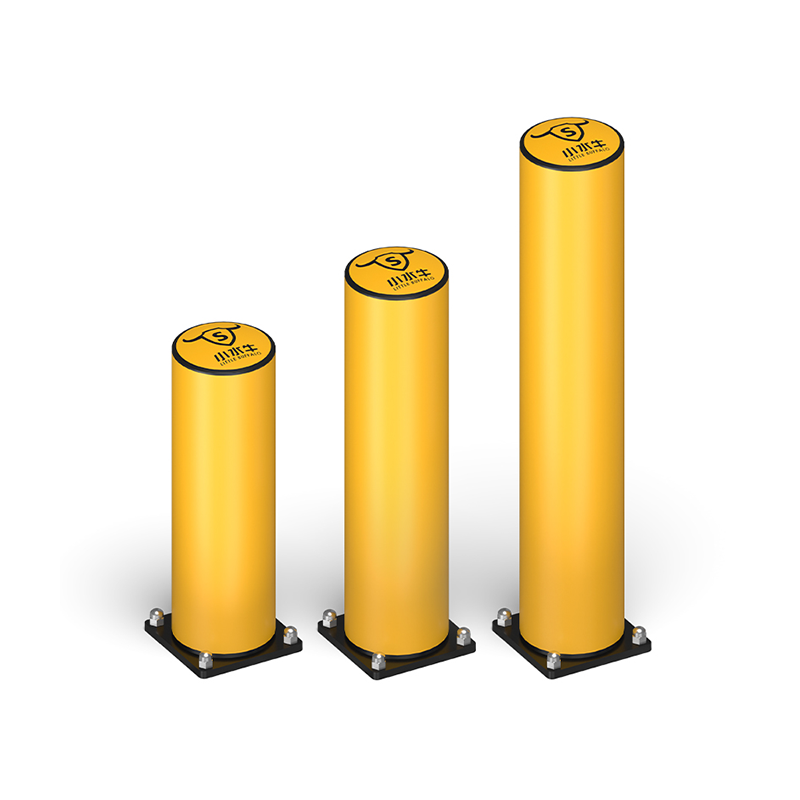
The operator replaced the rigid posts with flexible polymer barriers rated for the junction's vehicle mix. Energy absorbing barriers were mounted on the column and along the turn path, flexing on each contact and springing back without denting. Little Buffalo supplied units built to ISO 14001 environmental standards, with powder-coated bases suited to outdoor traffic management and clear visual segregation of the pedestrian lane.
Within two quarters the site recorded a sharp drop in repair calls and zero column damage. Recurring repair cost fell substantially because the barriers absorbed impacts instead of transferring them to the structure. Pedestrian segregation improved, and inspection time dropped since crews no longer chased dents across the crossing. The junction became a calmer, safer point in the daily flow, and the facility redirected the saved budget toward other hazard reductions that mattered to operations.
Managing impact energy is a design choice, not an afterthought. Energy absorbing barriers turn sudden collisions into controlled, recoverable events that protect structures, vehicles, and workers across warehouses, loading docks, and cold storage. Specifying flexible polymer protection backed by TÜV and ISO certification gives facilities a practical path to fewer repairs, less downtime, and safer shared space. The physics is simple, yet the savings compound every time a vehicle meets a barrier instead of a wall.
What makes a polymer barrier recover after a vehicle hit?
Answer: A polymer barrier recovers because the engineering plastic bends and springs back instead of staying deformed. The self-recovering material absorbs the contact without permanent denting, so the unit keeps protecting after hundreds of low and mid-speed strikes. Cast metal ends and SS304 fixings hold the anchor firm while the body flexes, which is why replacement stays infrequent across busy warehouse and dock routes.
Why do flexible barriers lower recurring repair cost?
Answer: Flexible barriers lower recurring repair cost by absorbing collision energy instead of transmitting it into structures. A rigid post passes the full peak force to anchors and building shells, causing cracks and weld failures that need skilled labor. A flexible polymer unit flexes, recovers, and avoids that damage, so the same junction that needed monthly fixes stays intact. The saving compounds across a year of daily vehicle and forklift traffic.
How often should protection be inspected on a busy site?
Answer: Protection on a busy site should be inspected weekly and after any reported strike. Staff check anchor torque, look for deep gouges, and confirm the base stays seated on the floor. A modular design lets a damaged section swap without replacing the whole run, which keeps cost low. Records of each inspection support OSHA and ISO 45001 compliance and help managers prove the safeguarding still performs as specified after months of use.
Where should flexible protection be installed first?
Answer: Energy absorbing barriers should be installed first at the highest-risk points where vehicles turn, cross pedestrian routes, or pass close to structural columns. Typical starts include rack ends, loading dock corners, and tight traffic junctions inside a warehouse. Prioritizing these zones stops the most frequent and costly damage before expanding coverage. A short site survey of impact history guides the sequence so the budget targets the locations with the worst recurring repair record.
Can flexible polymer protection work in cold storage and outdoors?
Answer: Flexible polymer protection works in cold storage, clean rooms, and outdoor traffic management because the material stays elastic across a wide temperature range. Powder-coated bases resist weather, and SS304 fixings avoid rust in damp yards. The same self-recovering behavior that protects a heated warehouse also limits damage on a freezing dock, so one specification covers many zones. Specifiers should confirm the rated temperature range before installation in extreme environments to keep performance consistent.
 Hot News
2024-06-01
2024-06-25
2024-06-28
2024-09-09