EN

ABOUT US
- Shounan Street URban Industrial Park,YinZhou District,NingBo City, ZheJiang, CHINA.
- +86-15381988180
- [email protected]

Every busy logistics site faces the same pressure: moving vehicles and fixed assets share the same floor. Selecting the correct industrial crash barriers is not a commodity purchase but a risk-engineering decision. The wrong choice leaves racks, machinery, and workers exposed to forklift and trailer strikes. This guide presents a practical selection framework built on three variables — risk exposure, vehicle speed, and asset value — so procurement teams can specify protection that matches real operating conditions rather than generic assumptions. A sound framework also reduces total cost of ownership because it avoids both under-protection and wasteful over-specification across the site.
The first step in choosing industrial crash barriers is to map where powered traffic meets people and equipment. High-traffic truck yards and dock aprons generate the most severe conflicts because articulated trailers and pallet trucks maneuver in tight space. Identify pedestrian walkways, rack aisles, and machine corners that sit inside vehicle sweep paths. A clear hazard map prevents over-spending on low-risk zones while closing gaps where a single collision could halt operations. Field observation during peak shifts reveals near-miss patterns that drawings never show, so walk the floor before specifying.
Not every impact carries equal consequence. A slow pedestrian-area bollard faces low energy, while a loading dock apron absorbs repeated trailer reversals at higher force. Rank each location by impact energy and strike frequency. This ranking directs budget toward the few positions where a barrier failure would cause injury, downtime, or structural damage, and allows lighter, modular solutions elsewhere. Industrial crash barriers should therefore be sized to the worst credible event at each point, not to an average across the whole facility, which keeps spend proportional to real exposure.
Authorities such as OSHA 29 CFR 1910.178 for powered industrial trucks and ANSI/ITSDF B56.1 inform safe separation distances. ISO 45001 guides occupational health management, while TÜV-certified flexible barriers demonstrate verified performance. Referencing these standards during specification keeps the selection defensible and aligned with recognized safety practice across the facility. Documenting the standard basis also helps auditors and insurers understand why specific crash protection products were chosen over cheaper, unrated alternatives. Industrial crash barriers selected against these references are far easier to justify in capital reviews and procurement sign-offs.
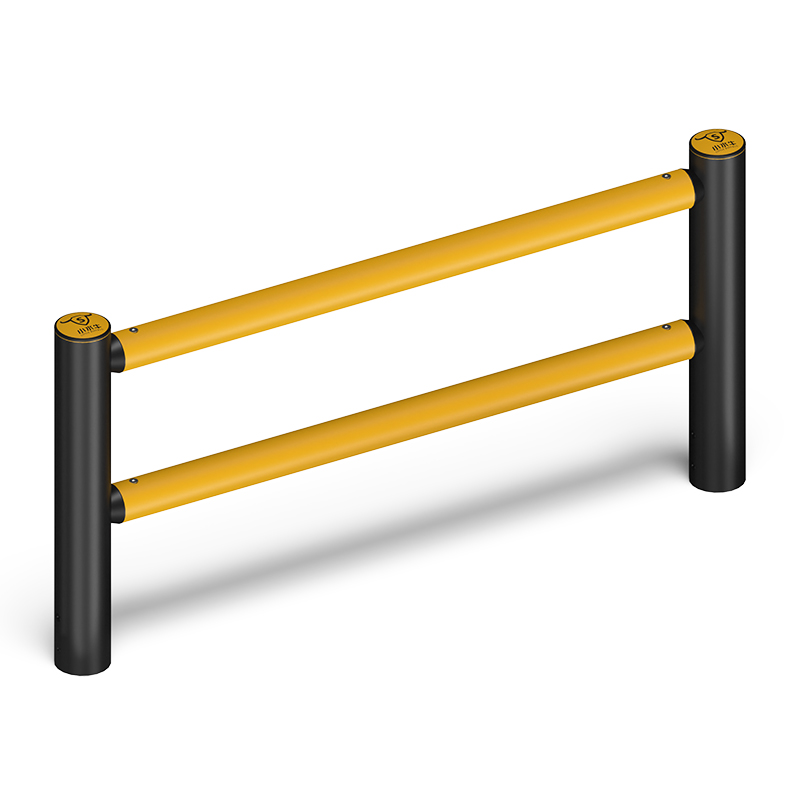
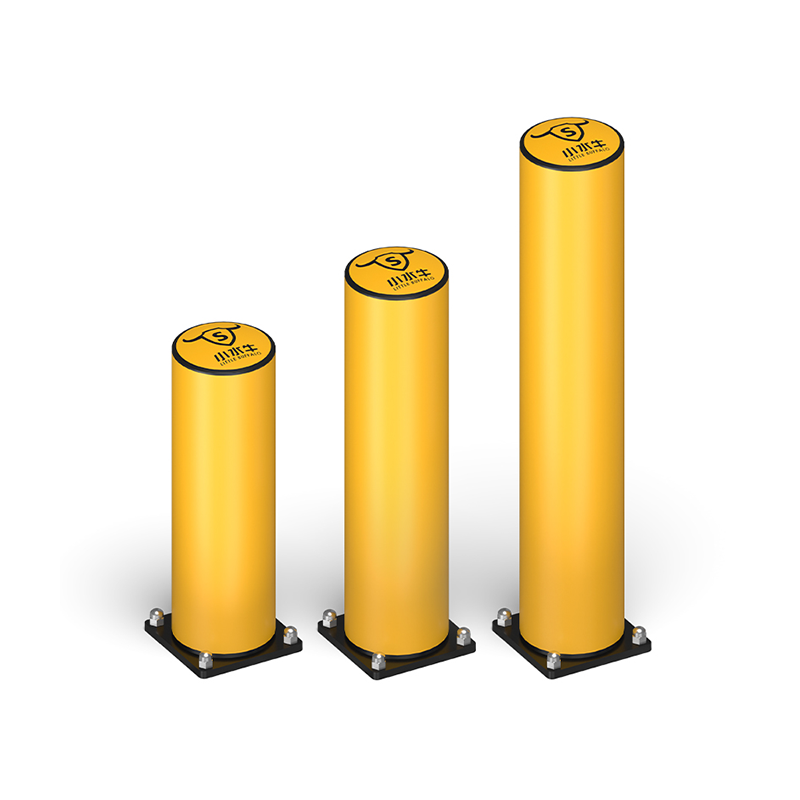
Where forklifts and AGV traffic operate below walking pace, self-recovering polymer barriers absorb energy and spring back to shape. Little Buffalo flexible guardrails and bollards reduce equipment repair and worker injury without permanent deformation. Their energy absorption suits rack-end and column protection inside the warehouse, where repeated low-speed contact is normal. Because industrial crash barriers in these zones rebound after each strike, they avoid the hidden cost of bent steel that must be replaced after every minor incident and taken out of service.
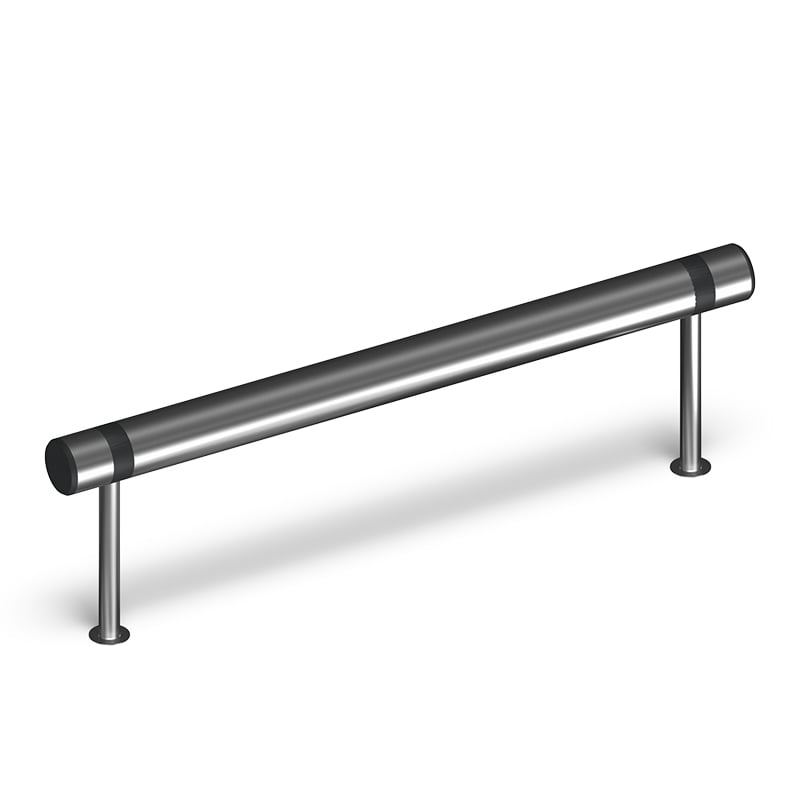
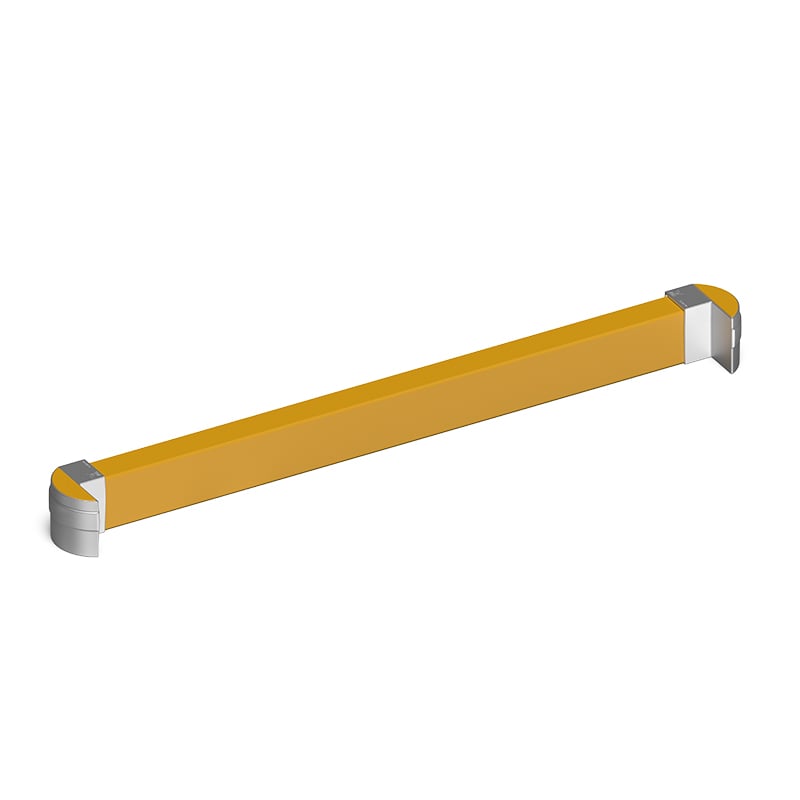
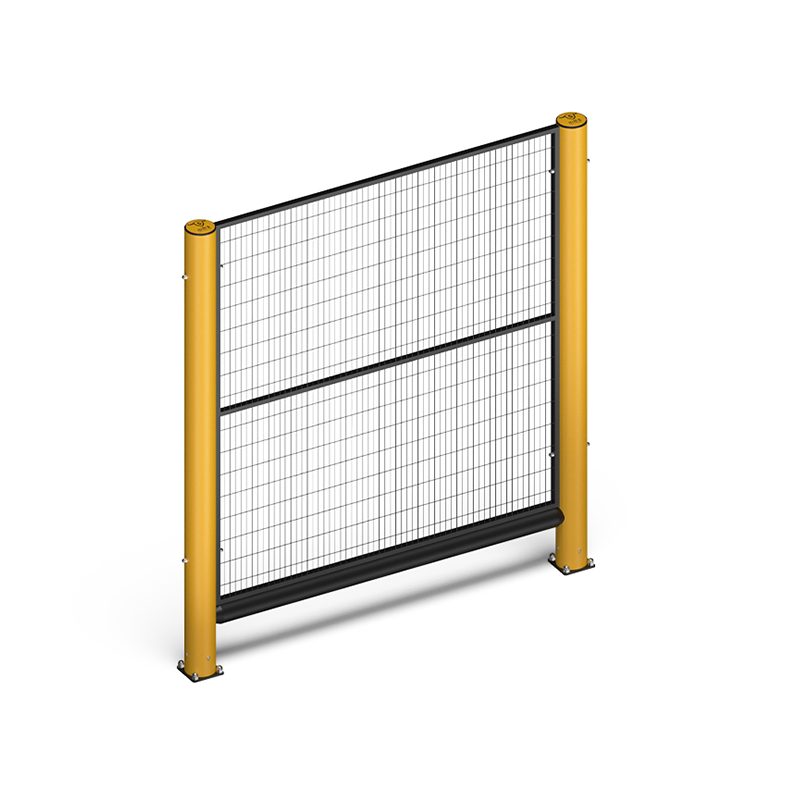
Truck yards and external aprons see faster, heavier vehicles. Here, powder-coated steel barriers with cast-metal ends and SS304 fixings provide predictable containment. The choice depends on whether the site needs deflection or absorption; high-speed zones favor structural resistance that stops a vehicle rather than cushioning it. Mixing both types by zone is common. For facility crash barriers at perimeter lines, the priority is stopping a runaway trailer, so rigidity and deep anchoring matter more than rebound. Where space is tight, industrial crash barriers with a shallow footprint still deliver rated resistance without eating into the maneuvering lane.
A rack upright, a machine control panel, or a cold-storage wall each carries a replacement cost far above the barrier itself. Segregating valuable assets with the right safety barrier limits cascading downtime. Procurement should weigh barrier price against the hourly cost of a stopped production line, then assign protective priority to the most expensive consequences first. Vehicle impact barriers pay for themselves when they prevent a single rack collapse that would spill inventory and block an entire aisle for days rather than hours.
Even durable systems need a schedule. Monthly inspection of fixings, mesh boards, and base plates catches fatigue before failure. Modular design lets crews swap a damaged section without shutting the zone. A simple maintenance log supports ISO 9001 quality discipline and sustains protective performance through changing traffic and seasonal conditions. Collision systems lose effectiveness when loose anchors go unnoticed, so the log should record torque checks and any impact events that the barrier absorbed since the last review.
A distribution center operating a high-traffic truck yard and dock apron faced frequent trailer nudges against rack ends and a freight-lift door. The team mapped conflict zones, then installed self-recovering polymer rack-end protectors inside and powder-coated steel vehicle impact barriers along the apron edge. Pedestrian segregation used flexible bollards. Within a season, forklift repair calls dropped and the freight-lift door survived impacts that previously caused shutdowns, proving the framework's value. The same industrial crash barriers later absorbed a pallet-truck strike near a control panel, avoiding what would have been a costly automation repair and a week of reduced throughput.
Specifying the correct protection begins with honest risk mapping and ends with matching barrier physics to vehicle behavior. For most sites, a layered mix of flexible and rigid units delivers the safest result at reasonable cost. Procurement teams that follow a structured framework protect people and assets while controlling downtime. Choosing the right industrial crash barriers is therefore an engineering decision, not a line-item afterthought.
What are crash protection barriers used for?
Answer: Crash protection systems separate moving vehicles from people, racks, machines, and structures. They absorb or deflect impact energy to prevent injury, equipment damage, and unplanned downtime. Sites install them along pedestrian routes, dock aprons, and rack aisles where forklift or trailer contact is likely. Proper placement reduces repair cost and keeps operations running safely every shift.
How do flexible polymer barriers work?
Answer: Flexible polymer barriers bend under impact and spring back to original shape, absorbing a large share of collision energy. This self-recovering behavior limits damage to both vehicle and structure. Unlike rigid steel that may need replacement after a strike, polymer units return to service quickly. They suit indoor rack-end, column, and pedestrian-zone protection where contact happens often.
Which standards apply to facility crash barriers?
Answer: Relevant references include OSHA 29 CFR 1910.178 for powered industrial trucks, ANSI/ITSDF B56.1, and ISO 45001 for occupational safety management. TÜV certification confirms verified product performance. Following these during specification keeps the selection aligned with recognized practice and supports audit readiness across warehouses, logistics yards, and cold-storage facilities managing mixed traffic.
Can vehicle impact barriers reduce downtime?
Answer: Yes. Well-placed industrial crash barriers limit the secondary damage that follows a collision, such as rack collapse or machine outage. By containing vehicles at dock aprons and truck yards, they prevent shutdowns that cost far more than the barrier itself. Regular inspection sustains this protection and keeps traffic moving through busy facilities with fewer unexpected stoppages.
Where should pedestrian segregation barriers be installed?
Answer: Pedestrian segregation barriers belong along walkways that cross forklift routes, near dock doors, and beside rack aisles in the warehouse. Flexible bollards and guardrails create visible, physical separation that guides both workers and drivers. Position them where eye contact is poor or traffic density is high to lower collision risk and protect foot traffic from vehicle incursions.
 Hot News
2024-06-01
2024-06-25
2024-06-28
2024-09-09