EN

ABOUT US
- Shounan Street URban Industrial Park,YinZhou District,NingBo City, ZheJiang, CHINA.
- +86-15381988180
- [email protected]

Warehouse rack protection systems are the first line of defense between moving forklift traffic and the steel structure that holds inventory. In any busy distribution center, uprights, rack ends, and loaded pallets sit within centimeters of daily vehicle movement. A single glancing hit can bend a column or drop a bay, triggering a cascading failure that shuts an aisle for days. This guide walks through product families and shows how a full-coverage plan comes together.
Warehouse rack protection systems start with the upright, the most exposed structural member in any rack bay. Uprights carry the entire vertical load and sit exactly where forklifts turn, lift, and position pallets. A forklift weighing several tons needs only a low-speed nudge to deform a column base. Once the base is bent, the load path shifts and the bay loses rated capacity. Flexible polymer guards wrap the base and absorb the hit instead of transferring it to the steel.
A damaged bay is rarely an isolated repair. The aisle closes, inventory moves, and order pickers reroute while a structural engineer assesses the rack. Lost throughput during that window easily outweighs the price of a guard installed years earlier. Pedestrian routes shrink and forklift speed drops as the facility loses its profitable rhythm. Protection spending should be read as downtime insurance, not an optional extra.
A complete set of warehouse rack protection systems covers three zones: the upright base, the rack end, and the rear of the bay. Mapping these zones before procurement prevents guarding only the most visible hits while leaving other faces exposed. Little Buffalo supplies modular polymer and steel components that mix across a single facility, letting a safety manager match product type to each location's true risk.
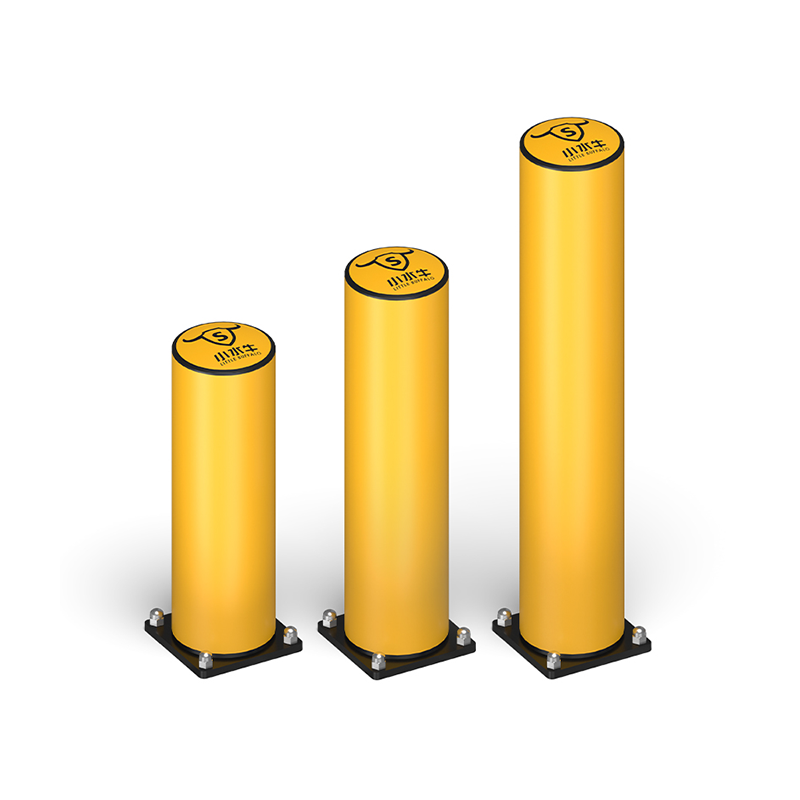
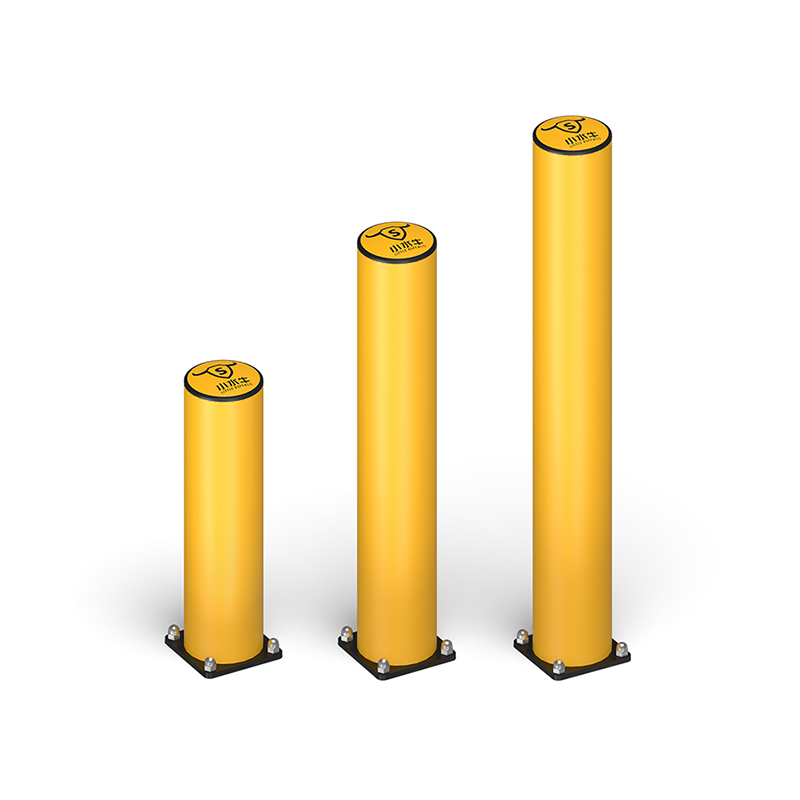
Upright protectors, sometimes called column guards, surround the base of each frame leg. Little Buffalo offers modular polymer sleeves and cast-metal-end units that bolt to the floor and spring back after impact. The self-recovering polymer bends under a hit and returns to shape, keeping a guard that would be scrap after one collision still serviceable. For high-traffic aisles, pairing a polymer collar with a steel base plate gives both energy absorption and a rigid anchor.
The exposed end of a rack run takes more hits than any other face, because every turn into an aisle ends there. End-of-rack guards and flexible guardrails turn that vulnerable corner into a forgiving buffer. A 3PL building a new 40,000-square-meter distribution center faced exactly this: tight aisles, young operators, and a fleet of reach trucks. The team mapped every rack end, then specified Little Buffalo rack-end protectors rated to absorb up to 90% of forklift impact energy. After installation, recorded upright damage fell sharply in the first quarter. This is where warehouse rack protection systems deliver their clearest return on a new site.
Extending any warehouse rack protection systems plan beyond the rack itself means controlling the space around it. Pedestrian lanes, vehicle crossings, and building walls all sit close to racking, turning an escaped load or vehicle into a fast hazard. The next two product families close those gaps with simple, recoverable hardware.
Pallet back stops mount to the rear beams and stop a forked pallet from being pushed through the rack into the next aisle or a building wall. In narrow racking, a misjudged placement can send a load rearward and injure a worker on the far side. A simple rail or mesh board across the back of the bay contains the load, while TÜV-certified components give procurement teams proof that the part meets a recognized safety benchmark.
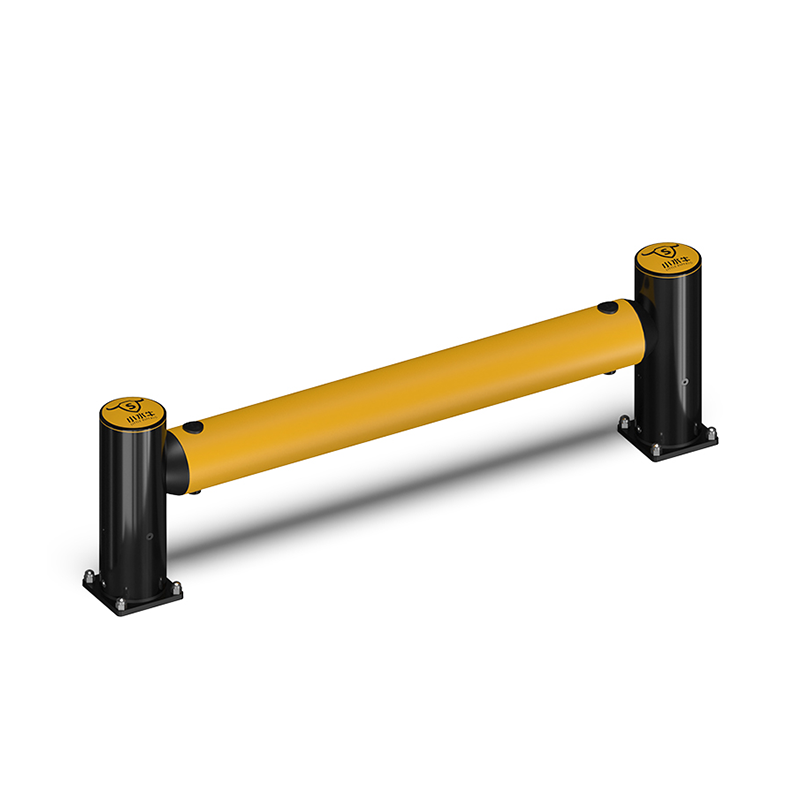
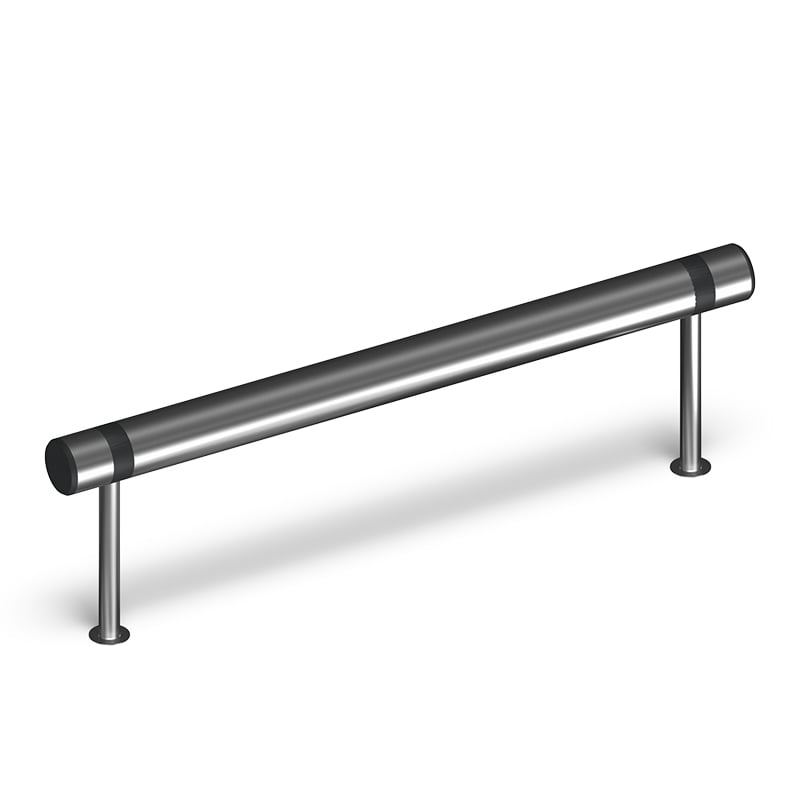
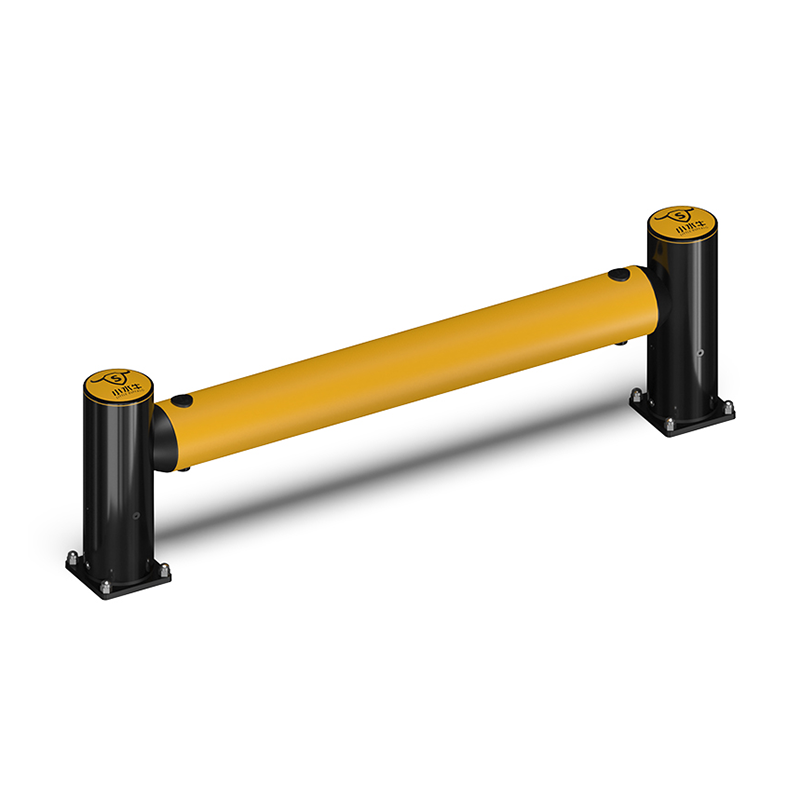
Flexible bollards and guardrails draw the line between pedestrian walkways and forklift lanes, keeping people out of vehicle paths. A polymer bollard leans and recovers when clipped, unlike a rigid steel post that snaps or yanks its anchor from the slab. Where aisles meet cross-traffic, a run of flexible guardrail channels vehicles and protects machine corners, columns, and doors. Traffic management of this kind supports OSHA 29 CFR 1910.178 expectations for powered industrial truck areas.
Specifying warehouse rack protection systems is less about buying one product and more about matching material to hazard. Polymer, steel, and mixed layouts each serve a location, with the right choice set by traffic speed, impact frequency, and repaint cost. A short site survey settles most decisions before a single anchor is drilled.
Polymer and steel each earn a place. Steel is rigid and cheap per unit but transfers force and needs repainting after a strike. Engineering polymer with self-recovering behavior absorbs energy and needs no touch-up, which suits cold storage and clean-room zones where repainting is disruptive. A mixed spec is common, with rigid steel where space is tight and flexible barriers where recovery matters most. ANSI/ITSDF B56.1 and ISO 3691 frame the safe operation context that protection supports.
Protection only works if it stays in place and intact. A monthly inspection should check anchors, look for deep gouges, and confirm guards still sit flush. Modular designs let a crew swap one collar without emptying a bay. Documented checks support ISO 45001 routines and give facility managers a defensible record if an incident is investigated. Little Buffalo units carry ISO 9001 and ISO 14001 credentials, useful when a buyer audits the supply chain.
A full plan built on warehouse rack protection systems treats every upright, rack end, and aisle crossing as a managed hazard rather than an accident waiting to happen. The 3PL case shows that mapping exposure first, then matching product type to location, turns a reactive repair cycle into a controlled safety program that keeps the distribution center running.
What product protects the end of a rack run?
Answer: End-of-rack guards and flexible guardrails shield the exposed rack-end face where forklifts turn into aisles. These buffers absorb forklift energy and recover after low-speed contact, preventing column bends. Specifying the right guard at every rack end reduces damage and keeps aisles open. Distributed across a facility, this forms the backbone of effective warehouse rack protection systems coverage for any busy operation.
Why does polymer recover after a forklift hit?
Answer: Engineering polymer used in flexible guards has a self-recovering molecular structure that bends under load and springs back to its original shape. Unlike rigid steel, which dents or cracks, the polymer absorbs impact energy and returns upright. This lets a guard survive repeated forklift contact without replacement. Facilities benefit from lower repair cycles and steadier aisle availability after minor collisions with daily traffic.
How many upright protectors does a typical aisle need?
Answer: Every upright that faces traffic should carry a protector, so a single rack run often needs two guards per bay on the aisle side. Narrow-aisle layouts with reach trucks may require protection on both faces. The safest approach maps each frame leg against real forklift paths before ordering. Counting exposed columns first prevents under-specifying and avoids gaps that leave steel vulnerable to repeated hits.
Can flexible barriers replace steel guardrails entirely?
Answer: Flexible polymer barriers suit most pedestrian and forklift segregation zones because they recover after contact and need no repainting. However, steel still earns a place where space is extremely tight or where a fixed rigid line is required by layout. A mixed specification matches material to risk. Buyers should weigh recovery, anchor strength, and maintenance before choosing one system over another for the site.
Where should back stops be installed in a warehouse?
Answer: Pallet back stops belong at the rear of rack beams in any bay where loads could be pushed rearward into another aisle, a wall, or a worker. They are essential in narrow racking and double-deep lanes. TÜV-certified mesh boards or rails contain the load safely. Placing them during the initial fit-out costs far less than retrofitting after a push-through incident damages inventory or structure on the floor.
 Hot News
2024-06-01
2024-06-25
2024-06-28
2024-09-09