EN

ABOUT US
- Shounan Street URban Industrial Park,YinZhou District,NingBo City, ZheJiang, CHINA.
- +86-15381988180
- [email protected]

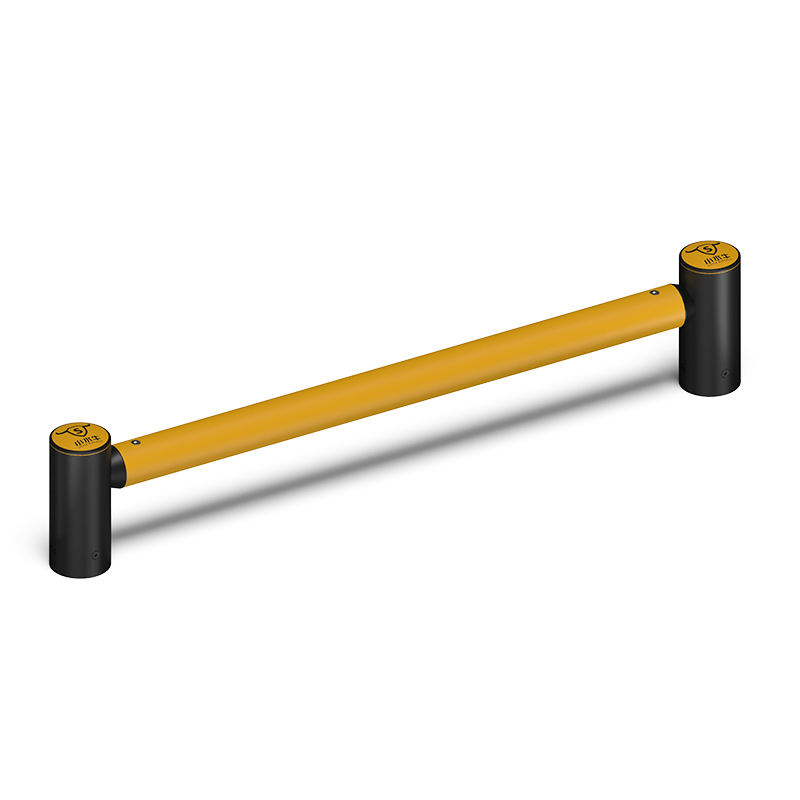
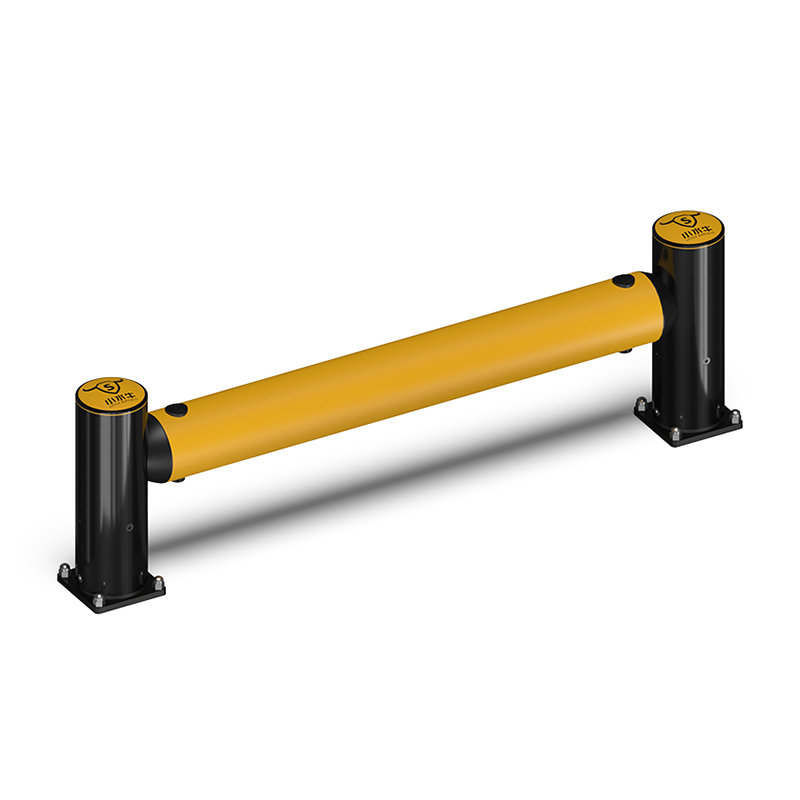
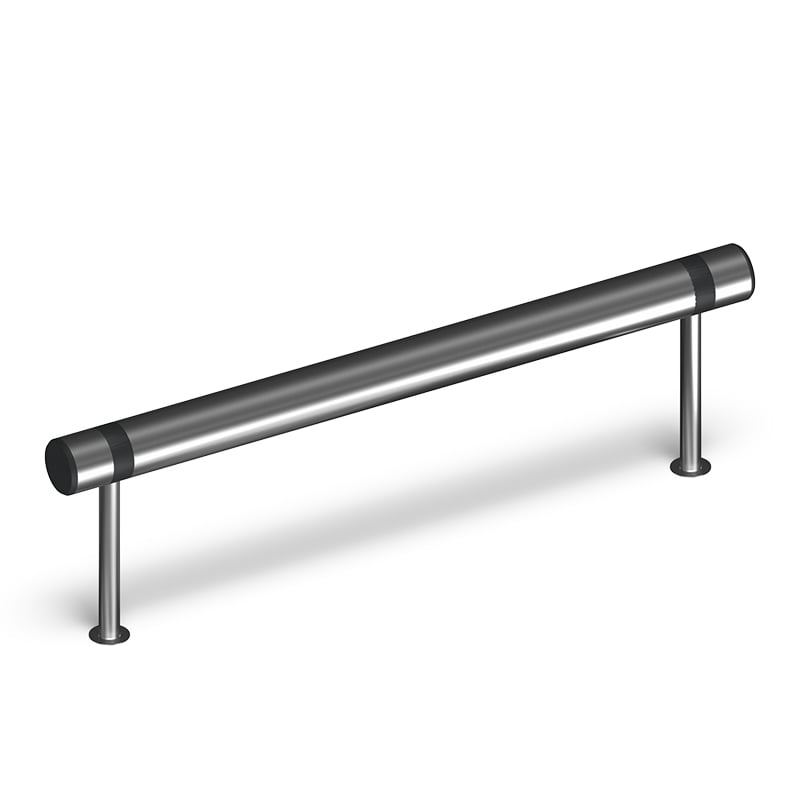
Floor-mounted guardrails give facilities a fixed, high-visibility line between people and moving equipment. Floor mounted guardrails anchor directly to the slab with bolts, so they stay in place through daily forklift traffic and cleaning cycles. A plant needs this kind of permanent edge control when temporary tape or plastic chains fail to stop a real collision. The right system reduces injury risk, limits equipment damage, and keeps production flowing without unplanned stoppages.
Floor mounted guardrails belong at every mezzanine and raised platform edge where workers load, unload, or walk near a drop. A fall from even a low platform can cause serious injury, so a continuous rail with a mid rail and toe board stops both people and falling objects. Little Buffalo supplies modular polymer rail sections that bolt to the floor and connect around structural columns and corners. The self-recovering polymer bends under a hit and springs back, avoiding the dented steel look of older fixed systems.
Floor mounted guardrails form a barrier around presses, robots, and conveyors where hands and clothing could meet moving parts. ANSI B11.19 and ISO 14120 guide machine safeguarding, and a fixed rail supports those requirements by keeping personnel at a safe distance. Pairing the rail with a flexible bollard at corners adds energy absorption against a wayward pallet truck. The layout should leave clear access for maintenance while closing the hazard line completely.
Pedestrian separation is another core job for the same system. Warehouse walkways need a physical divider from forklift aisles, and floor mounted guardrails create that segregation so a walking worker is never in the truck path. Zoning the floor with a continuous rail is easier to enforce than painted lines alone, and it survives sweepers and pallet traffic. Many logistics sites combine the rail with flexible safety barriers at intersections for extra collision protection near busy doors. OSHA 29 CFR 1910.178 covers powered industrial trucks, so a clear physical rail also supports compliance during a routine forklift safety review.
Start with the vehicle and speed the rail may meet. A slow pedestrian walkway needs a lighter rail than a loading dock where a loaded forklift can strike at full speed. Energy absorption matters: polymer rails soak up impact and reduce downtime by letting the line reopen fast after a hit. Consider the 90% energy figure Little Buffalo cites for its flexible rack-end protectors as a benchmark for flexible polymer performance under repeated forklift contact. A short risk review should list each hazard, the likely vehicle, and the required rail height before any order is placed.
Floor mounted guardrails live or die by their anchors, so specifiers should choose carefully. Cast metal base plates with SS304 fixings resist rust in wash-down areas, while powder-coated bases suit dry plants. Anchor count and embedment depend on slab thickness; thin slabs need spread anchors or chemical studs. Choose a finish that matches the environment, such as cold storage rated coatings, so the guardrail keeps its protective value for years without weakening at the base.
A regional distribution center rebuilt its pick mezzanine after a near-miss. The team chose floor mounted guardrails along the open edge, added a mid rail and toe board, and tied the run around two structural columns. Workers reported a calmer walkway, and the polymer sections handled a cart collision without bending permanently. The fixed edge let the facility pass its internal safety audit with the rail in place and no extra retrofit needed later.
In the same plant, a robotic weld cell needed separation from the forklift lane. Engineers set a bolted rail perimeter with a flexible bollard at the corner most exposed to traffic. The layout preserved a maintenance gate and met ANSI B11.19 spacing guidance. After six months, the only damage was a scuff on the bollard, which springs back, so the machine stayed guarded and production avoided a shutdown from a guard failure.
Plan the anchor pattern before delivery. Mark posts to clear floor joints and drains, then verify slab depth with a core drill. Modular rail kits let crews set long runs in a day, and a clean layout reduces trip hazards during fitting. Work with the supplier on the drawing so the rail meets the door swing and rack upright positions without rework. Floor mounted guardrails should be positioned where they shield the hazard yet keep aisles open for daily movement.
A guardrail is a safety device, so it needs a check schedule. Inspect anchors every quarter for looseness, and re-tension any bolt that has backed out. Look for cracks at the base plate and confirm the rail still absorbs a glancing hit. TÜV-certified components and an ISO 9001 quality process make spare parts predictable, which keeps the maintenance budget steady and the protective line trustworthy for the workforce.
Floor-mounted guardrails turn an open floor into a controlled, safer workplace when chosen with the right impact rating and anchor plan. Floor mounted guardrails earned their place at mezzanine edges, machine perimeters, and pedestrian routes because they stay put and recover from hits. Specifying polymer, bolted systems from a certified manufacturer gives a facility durable protection, lower downtime, and a clear line that workers actually respect and follow.
Where should bolted guardrails be installed first?
Answer: Bolted guardrails should go where people and vehicles cross most often. Prioritize mezzanine edges, machine perimeters, and pedestrian walkways beside forklift aisles. A facility gains the most safety value by protecting the highest-traffic drop points and hazard lines first, then extending the system to lower-risk zones as budget allows without rushing the rollout plan.
How do bolted railings differ from flexible bollards?
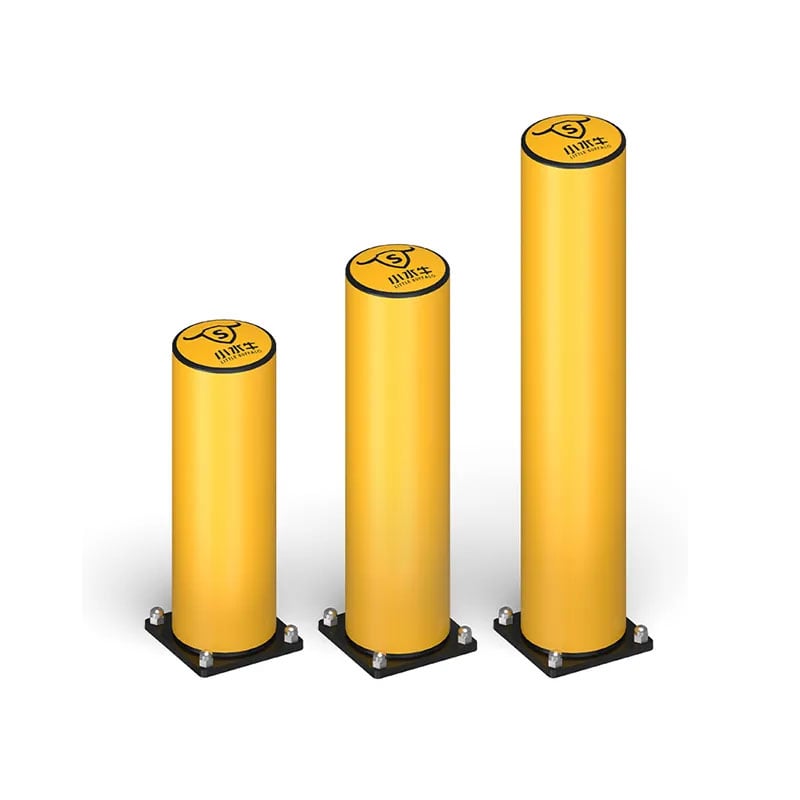
Answer: Floor mounted guardrails form a continuous rail line anchored to the slab, ideal for edges and long perimeters. Flexible bollards are single posts that deflect and recover, better for point protection at corners and doors. Many sites use both: a rail for the run and a bollard at the exposed end where a truck is most likely to strike during daily traffic movement.
What slab conditions affect anchor choice?
Answer: Slab thickness, age, and cracks decide the anchor type. Thin or weakened concrete needs chemical studs or spread anchors rather than short wedge bolts. A core drill confirms depth before delivery. Moisture and wash-down areas call for SS304 fixings and powder-coated bases so the guardrail keeps holding without rust loosening the connection over time and risking failure.
Which standards apply to machine perimeter rails?
Answer: Machine guarding follows ANSI B11.19 and ISO 14120 for safeguarding performance, while OSHA 29 CFR 1910.212 covers general machine guarding. A fixed rail supports these by keeping personnel at a safe distance. The layout should preserve a maintenance gate and clear access, and the supplier should document how the system meets the cited requirement during review.
How often should guardrails be inspected?
Answer: Inspect anchors every quarter and after any vehicle strike. Check for loose bolts, base plate cracks, and rail deformity, then re-tension or replace as needed. A documented schedule keeps the barrier effective and the maintenance budget steady. TÜV-certified parts and an ISO 9001 process make spare ordering predictable for the facility managing the line.
 Hot News
2024-06-01
2024-06-25
2024-06-28
2024-09-09