 EN


ABOUT US
- Shounan Street URban Industrial Park,YinZhou District,NingBo City, ZheJiang, CHINA.
- +86-15381988180
- [email protected]

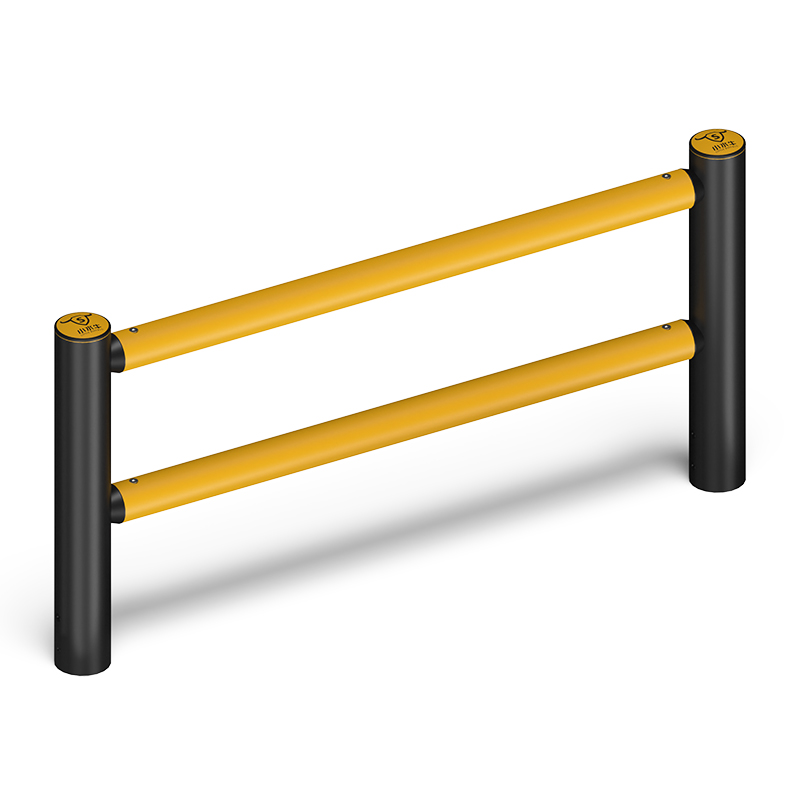
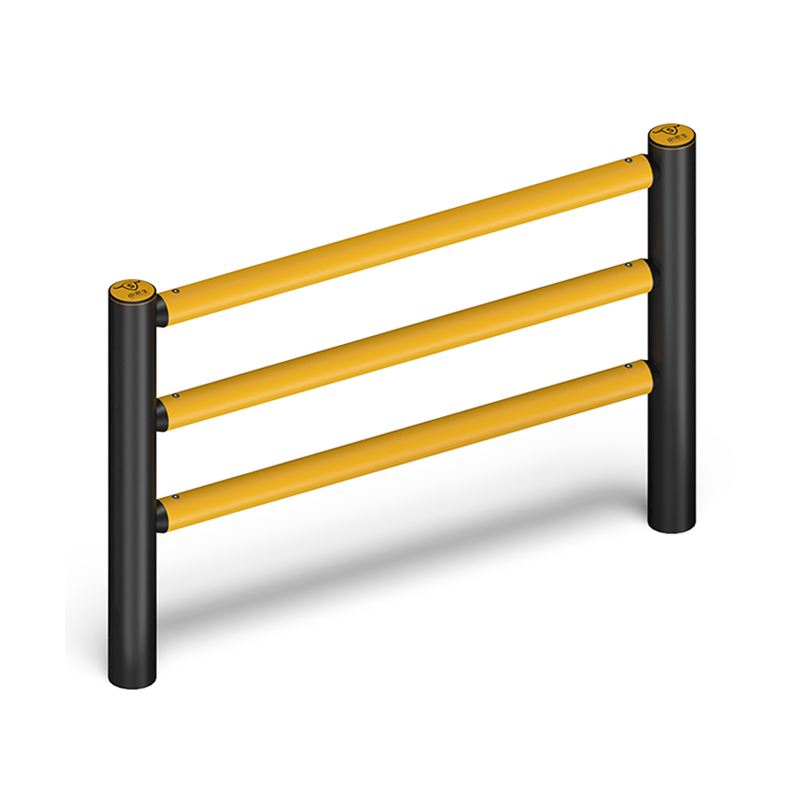
Warehouse managers face a repeated dilemma when racking gets struck by forklifts, pallet trucks, and automated guided vehicles. Flexible rack protection built from engineering polymer bends under impact and springs back to shape, while steel rack guards offer a rigid wall against heavy hits. Choosing the wrong type for a given aisle can raise repair costs, extend downtime, and expose workers to avoidable hazard. A clear zoning plan, matched to traffic intensity, keeps both people and inventory safe.
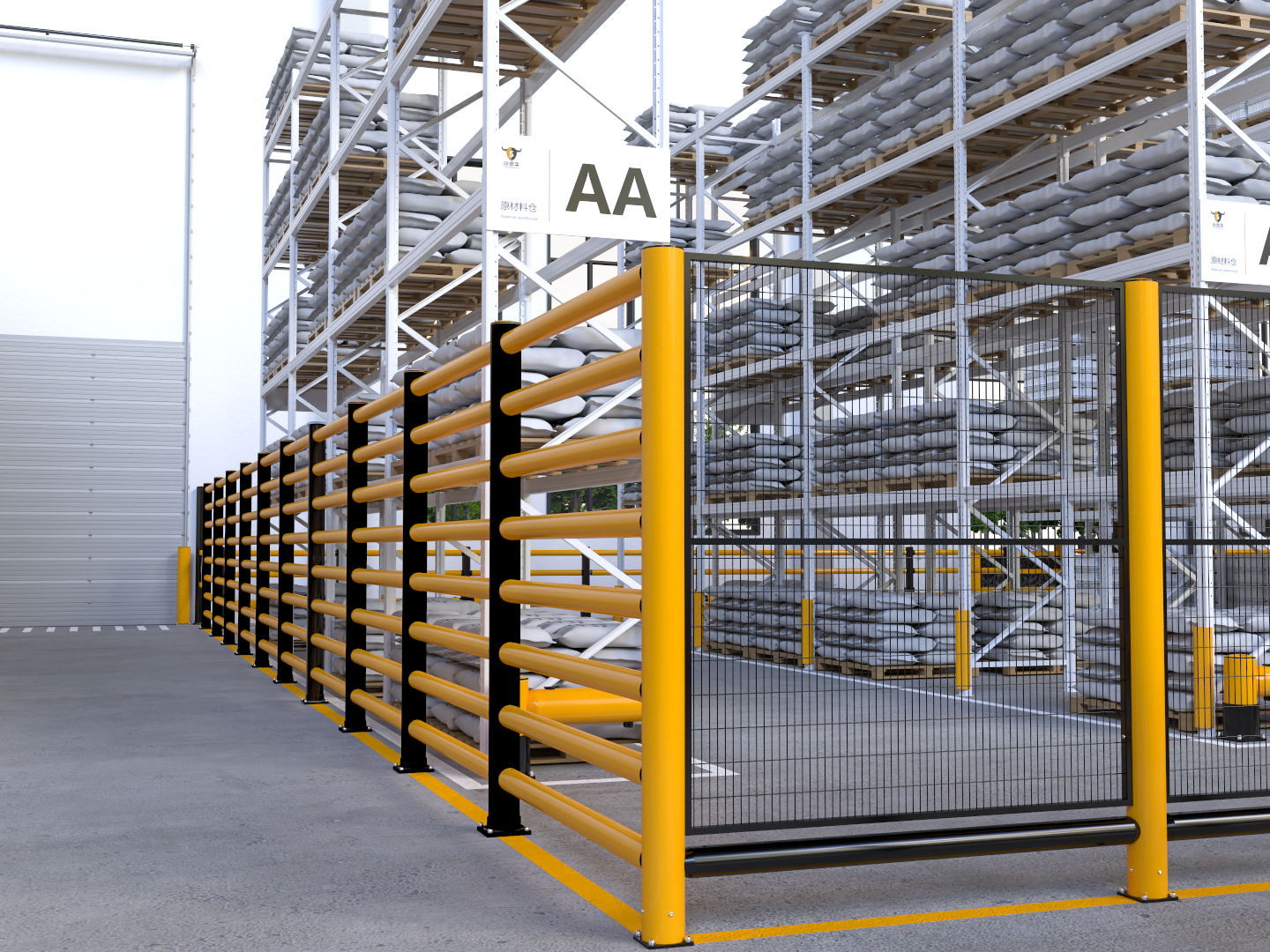
Flexible rack protection relies on an engineering polymer formulation that yields on contact and recovers its original shape. When a forklift clips a rack upright, the guard deflects and absorbs energy instead of transferring force into the steel frame. Little Buffalo rack-end protectors use self-recovering polymer that sustains repeated collisions without cracking. This design suits facilities where minor daily contact is frequent and where a guard that stays upright after a hit reduces maintenance calls. The polymer also resists corrosion in cold storage and clean room settings.
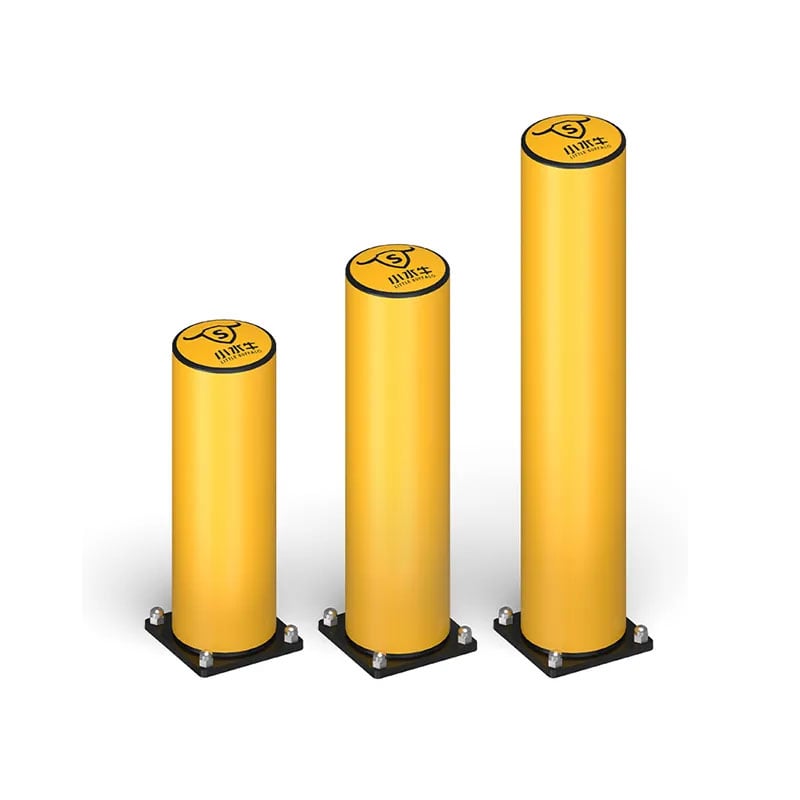
Steel rack guards present a fixed, heavy barrier anchored to the floor or rack base. They withstand severe, low-frequency impacts from loaded trucks and trailers better than polymer units. A powder-coated steel post or mesh board resists deformation but does not return to shape after a major strike. Facilities often pair steel with cast metal ends and SS304 fixings for corrosion resistance in demanding environments such as loading docks and outdoor yards. Steel guardrails and bollards also define pedestrian walkways and vehicle lanes. Regular inspection of anchor bolts keeps the rigid mount secure against repeated heavy contact and prevents slow loosening over time.
Polymer barriers can absorb up to 90 percent of forklift impact energy, limiting structural damage to the rack upright and adjacent inventory. Where flexible rack protection is installed on busy aisles, the polymer body deflects and recovers rather than transmitting shock. Steel guards spread force across a rigid mount, which protects against catastrophic collapse but may dent or bend. OSHA 29 CFR 1910.178 and ANSI/ITSDF B56.1 guide powered industrial truck safety, while ISO 3691 addresses industrial truck operation. Products carrying TÜV certification and ISO 9001 manufacturing controls give procurement teams measurable assurance of consistent protective performance and safer workplaces.
Busy picking aisles see constant forklift and AGV movement, so recoverable guards perform well where contact is routine. Flexible rack protection performs well where contact is routine and where a lane must stay open after a bump, avoiding the downtime of replacing a bent steel post. Traffic management and clear segregation between pedestrian routes and vehicle paths further reduce collision risk. Flexible barriers and safety barriers also shield column and machine surfaces along crowded routes without blocking sightlines or complicating modular installation near workstations. Managers should review impact patterns each quarter to confirm the chosen guard type still fits the route as throughput changes.
Rack ends at building perimeters or infrequently used bays face rare but potentially severe hits from trailers and pallet trucks. Steel guards make sense where a single heavy impact could otherwise topple a frame. For zones unsuited to flexible rack protection, rigid steel remains the safer choice at exposed corners. Installing rigid protection at exposed rack ends, gate openings, and elevator doorways provides a permanent physical stop. The lack of recovery is acceptable because strikes happen seldom and the barrier simply needs to hold against structural risk.
A regional distribution center operating 24-hour shifts reported frequent upright damage along its primary pick face. Forklifts moving pallets between aisles clipped rack legs several times each week, forcing outage windows for repairs and raising equipment and worker risk. Repeated strikes showed the value of flexible rack protection for the busiest lanes, yet perimeter bays still needed rigid defense. The safety lead needed a zoning plan that controlled cost while protecting both high- and low-traffic rack sections without slowing throughput or complicating inspection.
The team mapped the facility into zones by traffic intensity. High-activity aisles received flexible rack protection with self-recovering polymer guards, letting lanes stay operational after minor contact. Low-traffic perimeter rack ends and dock doorways received steel rack guards and mesh boards for rigid defense against occasional trailer strikes. Modular polymer units simplified installation near pedestrian walkways, while steel anchored the most exposed corners. The blended layout balanced recovery and rigidity and matched each hazard level with an appropriate guard type.
Within two quarters, reported upright repairs dropped sharply and forklift-related downtime fell. Flexible rack protection on busy aisles recovered after daily bumps, while steel units absorbed the few heavy perimeter impacts without frame loss. Routine inspection confirmed fixings held and surfaces stayed intact across the facility. The mixed strategy balanced recovery and rigidity, and the team documented the zoning plan for future expansions, annual safety reviews, and ongoing maintenance of both polymer and steel assets.
Selecting between flexible and steel guards comes down to traffic pattern and recovery need. Flexible rack protection delivers the strongest return where daily contact is likely and continuous operation matters, while steel guards excel at rare, high-force points. A blended zoning approach, supported by OSHA-aligned practice and TÜV-certified components, protects racking, equipment, and workers with predictable cost and fewer disruptive repairs.
What is the main difference between flexible and steel rack guards?
Answer: Flexible guards use engineering polymer that bends and recovers after a forklift strike, keeping aisles open with little downtime. Steel guards provide a rigid barrier that resists severe single impacts but dents and needs replacement. The choice depends on traffic frequency, impact force, and whether quick recovery or maximum rigidity matters more for the rack zone.
Where should steel rack guards be installed in a warehouse?
Answer: Steel guards suit low-traffic perimeter rack ends, dock doorways, gate openings, and areas exposed to infrequent but heavy trailer or pallet truck strikes. These points face rare yet high-force contact where a permanent rigid stop prevents frame collapse. Pairing steel with cast metal ends and SS304 fixings improves corrosion resistance in cold storage and loading dock environments.
Why do flexible polymer guards reduce downtime?
Answer: Flexible rack protection uses self-recovering polymer that springs back after minor daily collisions, so the barrier stays operational without replacement. Recoverable guards avoid the repair windows needed for bent steel posts and keep forklift routes clear. Lower maintenance frequency and continuous lane availability reduce operational interruption and protect both equipment and worker safety across busy warehouse aisles.
Can flexible and steel guards be used together?
Answer: Yes. A zoning plan can place flexible guards on high-traffic picking aisles where contact is frequent and steel guards at exposed perimeter rack ends and dock doors. Modular polymer units simplify installation near pedestrian routes, while rigid steel anchors the most vulnerable corners. This blended strategy balances recovery, rigidity, and cost across the facility.
Which standards apply to warehouse rack protection products?
Answer: Relevant references include OSHA 29 CFR 1910.178 for powered industrial truck safety, ANSI/ITSDF B56.1, and ISO 3691 for industrial trucks. Manufacturers with ISO 9001 and ISO 14001 controls and TÜV-certified products demonstrate consistent quality. While standards guide safe practice, the final selection should match the facility traffic pattern, impact risk, and inspection routine.
 Hot News
2024-06-01
2024-06-25
2024-06-28
2024-09-09
