 EN


ABOUT US
- Shounan Street URban Industrial Park,YinZhou District,NingBo City, ZheJiang, CHINA.
- +86-15381988180
- [email protected]

Industrial facilities rely on walls, panel partitions, and utility runs to keep operations running. Yet moving equipment, carts, and tuggers routinely strike these surfaces, causing damage that disrupts production and raises cost. Wall mounted safety barriers provide a fixed line of defense that absorbs and redirects impact away from vulnerable structures. The following guide explains how wall mounted safety barriers protect infrastructure, shares a realistic plant case, and reviews the technical and compliance points buyers should weigh before specifying protection.
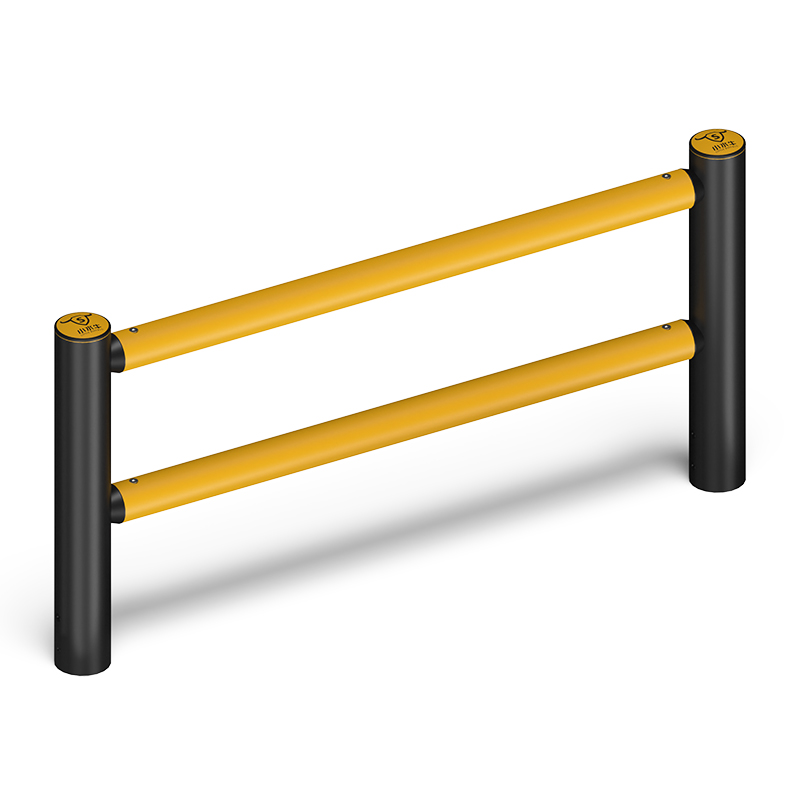
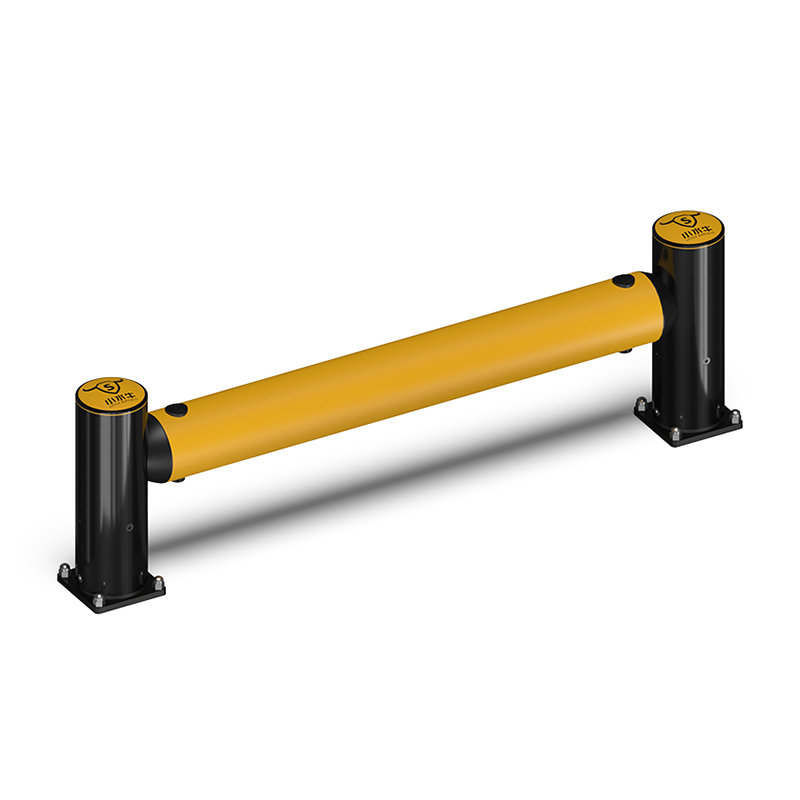
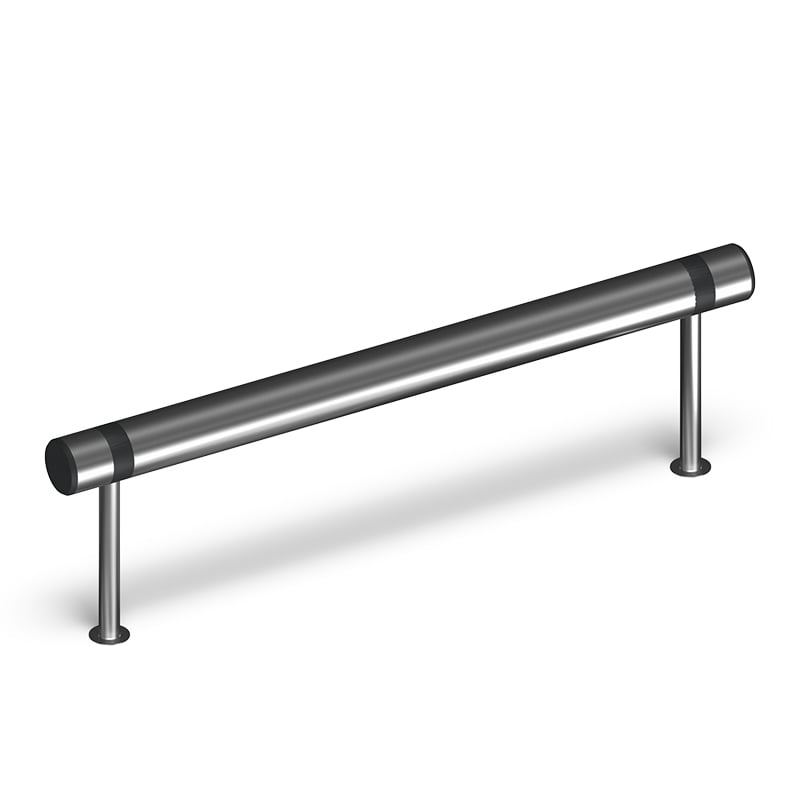
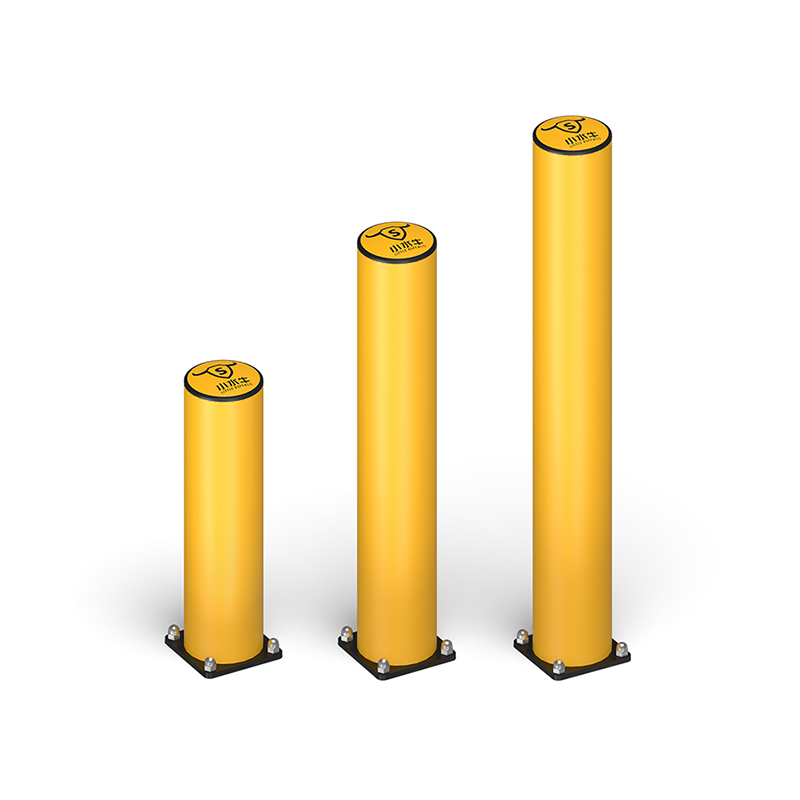
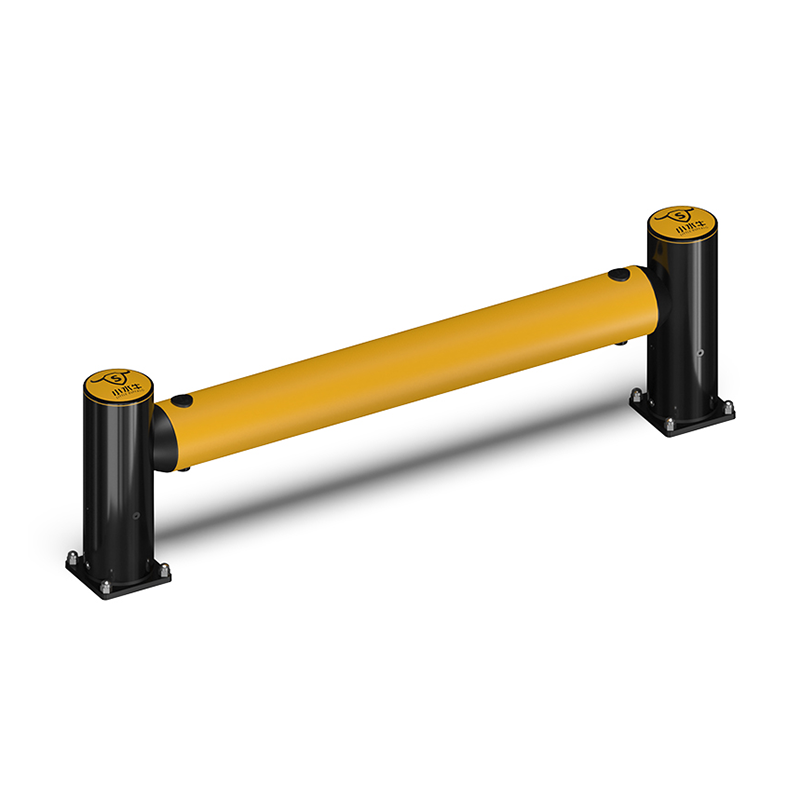
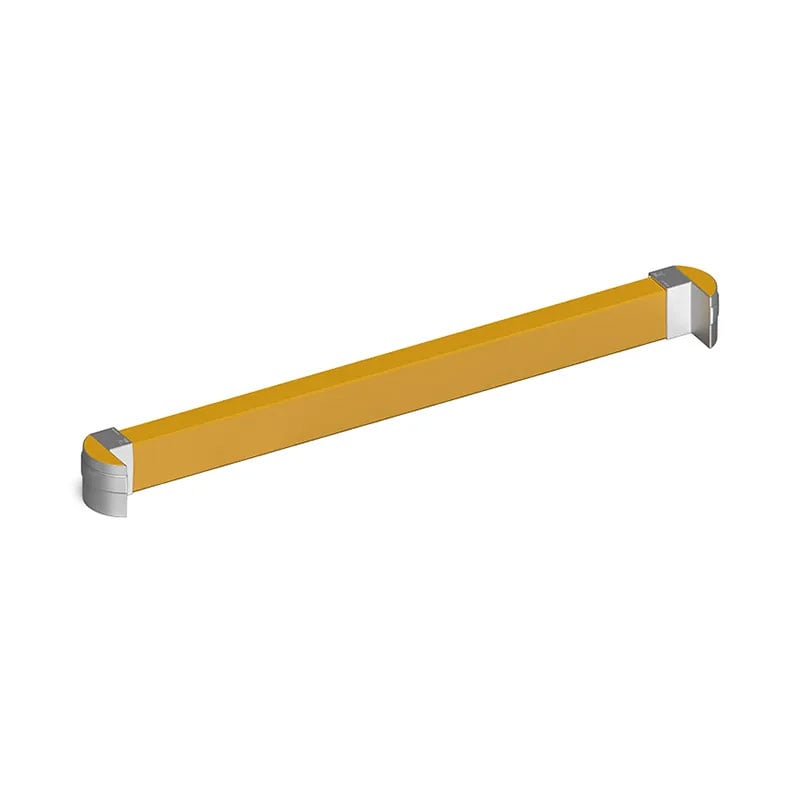
Wall mounted safety barriers are protective rails or posts fixed directly to a wall, column, or panel rather than anchored in the floor. They create a buffer zone that stops carts, tuggers, and pallet jacks before those vehicles reach the surface behind them. Unlike freestanding bollards, these units save aisle space and follow the building line. Little Buffalo supplies polymer-based wall guards that combine a flexible rail with cast metal ends and SS304 fixings for durable, rust-free mounting in demanding warehouse and factory environments where moisture and traffic are constant.
The core of these systems is an engineering polymer with a self-recovering property. When a vehicle collides, the rail bends and absorbs energy, then springs back to its original shape. This energy absorption protects both the vehicle and the wall, reducing equipment damage and unplanned downtime. Because the material recovers rather than dents, the same guardrail can survive repeated collisions without replacement. Powder-coated steel supports add further structural stability where traffic is heavy, while modular lengths let teams cover long pipe runs or short machine bays with one continuous line.
A semiconductor plant operated a cleanroom built from insulated panel walls and overhead pipe runs. Maintenance carts and tuggers traveled narrow aisles beside those walls during shift changes. Repeated nudges left dents, cracked panels, and loosened conduit brackets. Each incident meant a controlled-environment shutdown for repair, costly in both lost output and contamination risk. Traditional floor bollards could not fit the tight aisle without blocking the cart path, and wall mounted safety barriers offered the only practical fit that kept the floor clear for moving equipment and pedestrian passage.
The plant installed Little Buffalo wall mounted safety barriers along the at-risk panel walls and pipe corridors. The flexible polymer rails were fixed at cart height using SS304 brackets, leaving the floor clear for traffic. The self-recovering design meant minor hits left no permanent mark. Zoning markings guided operators to keep a safe offset. Installation was completed during a planned weekend, with no change to cleanroom certification because no panels were cut or modified. Over the following six months, recorded wall incidents dropped sharply and no panel required replacement, avoiding the downtime previously tied to re-certification after impacts.
Effective wall protection depends on deflection distance and material recovery. A longer flex zone dissipates more energy than a rigid rail, lowering the force transferred to the wall. Modular designs let specifiers match rail height and length to the vehicle type and aisle width. Inspection should check bracket tightness and visible polymer fatigue. Where impact risk is extreme, combining wall guards with floor barriers creates a layered defense that further cuts hazard exposure and protects both structure and operator on busy loading dock and machine guarding zones.
Procurement teams should look for ISO 9001 and ISO 14001 management certification plus TÜV product marks. In the United States, OSHA 29 CFR 1910.178 and ANSI/ITSDF B56.1 guide powered industrial truck safety, while OSHA 1910.212 and ANSI B11.19 address machine guarding. ISO 45001 supports occupational health management. These references help buyers justify investment and align wall protection with established workplace safety practice rather than ad hoc fixes, and they assist facility risk surveys that rank every wall a forklift can strike.
Selection starts with a risk survey: list every wall, column, and pipe a vehicle can strike, note impact frequency, and rank by consequence. Choose polymer wall guards for spaces needing recovery after hits, and steel-reinforced units where loads are severe. Consider traffic management needs, aisle width, and whether automated AGV routes pass the surface. Wall mounted safety barriers from Little Buffalo offer modular kits that scale from a single panel to an entire facility, keeping spare parts simple and letting maintenance teams extend coverage as the plant layout changes over time.
A short routine protects the investment. Inspect brackets monthly for looseness, watch the polymer for deep cuts or permanent deformation, and confirm zoning paint remains visible. Replace any unit that no longer springs back after a heavy hit. Train operators to report new scrapes so damage is caught early. With basic care, wall-mounted guards deliver consistent protection and help control long-term facility repair costs, while regular inspection records also support compliance with OSHA and ISO 45001 workplace safety expectations across the site.
Specifiers weighing infrastructure protection should treat wall mounted safety barriers as a standard element of facility design, not a patch applied after damage occurs. By combining flexible polymer rails, clear zoning, and routine inspection, plants keep walls, pipes, and panels intact while reducing downtime and repair spend. Wall mounted safety barriers remain the practical choice where floor space is tight and vehicle traffic runs beside vulnerable structures that cannot be easily rebuilt.
What are wall-mounted safety barriers used for?
Answer: Wall-mounted safety barriers defend walls, columns, pipe runs, and panel partitions from vehicle strikes in warehouses, factories, and loading docks. They create a buffer that stops carts, tuggers, and forklifts before contact with the surface. By protecting infrastructure from repeated impacts, these guards reduce repair costs, limit downtime, and keep pedestrian routes safer without consuming floor space.
Why choose polymer over steel wall guards?
Answer: Engineering polymer wall guards bend and recover after a hit, so a single unit survives many collisions without replacement. Steel rails can dent or transfer force into the wall on heavy impact. Polymer's self-recovering property lowers maintenance needs and protects both vehicle and structure. For severe load zones, steel-reinforced polymer combines recovery with extra strength, giving facilities a flexible, durable option across mixed traffic areas.
Can wall-mounted barriers protect cleanroom panels?
Answer: Yes. Wall-mounted guards shield insulated cleanroom panel walls and overhead pipe runs from cart and tugger contact. Because the rails fix to the existing wall with brackets, no panel cutting or modification is needed, so cleanroom certification stays intact. The flexible polymer absorbs minor impacts and springs back, preventing the dents and cracks that would otherwise force a costly contamination-controlled shutdown for repair.
How should wall guards be installed?
Answer: Installation starts with a risk survey marking every wall a vehicle can reach. Fix brackets at the impact height of carts or forklifts using rust-free SS304 hardware, keeping the floor clear. Modular kits let teams match rail length to aisle width. After mounting, verify bracket tightness and visible alignment. A planned weekend install avoids production loss, and no panel modification keeps existing certifications valid.
Where do wall guards reduce the most risk?
Answer: Wall mounted safety barriers reduce the most risk along narrow aisles where tuggers and carts pass beside insulated walls, pipe runs, and machine bays. These zones see frequent low-speed contact that slowly damages structures and triggers shutdowns. Placing flexible rails at vehicle height converts repeated hits into recoverable deflection, protecting infrastructure while preserving aisle space and keeping pedestrian and traffic routes clearly separated.
 Hot News
2024-06-01
2024-06-25
2024-06-28
2024-09-09
