EN

ABOUT US
- Shounan Street URban Industrial Park,YinZhou District,NingBo City, ZheJiang, CHINA.
- +86-15381988180
- [email protected]

Industrial safety bollards form a frontline defense in busy warehouses, factories, and logistics yards where forklifts, trailers, and automated vehicles share space with people on foot. A well-placed bollard redirects traffic, shields machinery, and prevents costly collisions before they happen. Beyond simple posts, these barriers support a structured safety system that protects both workers and capital equipment. This guide explains the main bollard types, the materials that perform well in harsh industrial settings, and how to plan, install, and maintain them for lasting protection across a modern facility.
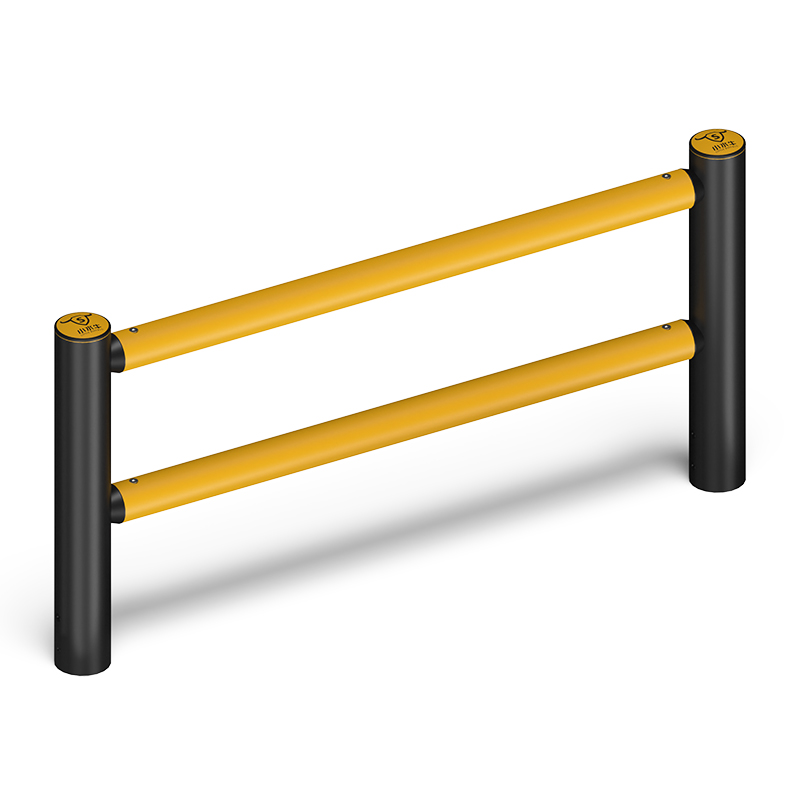
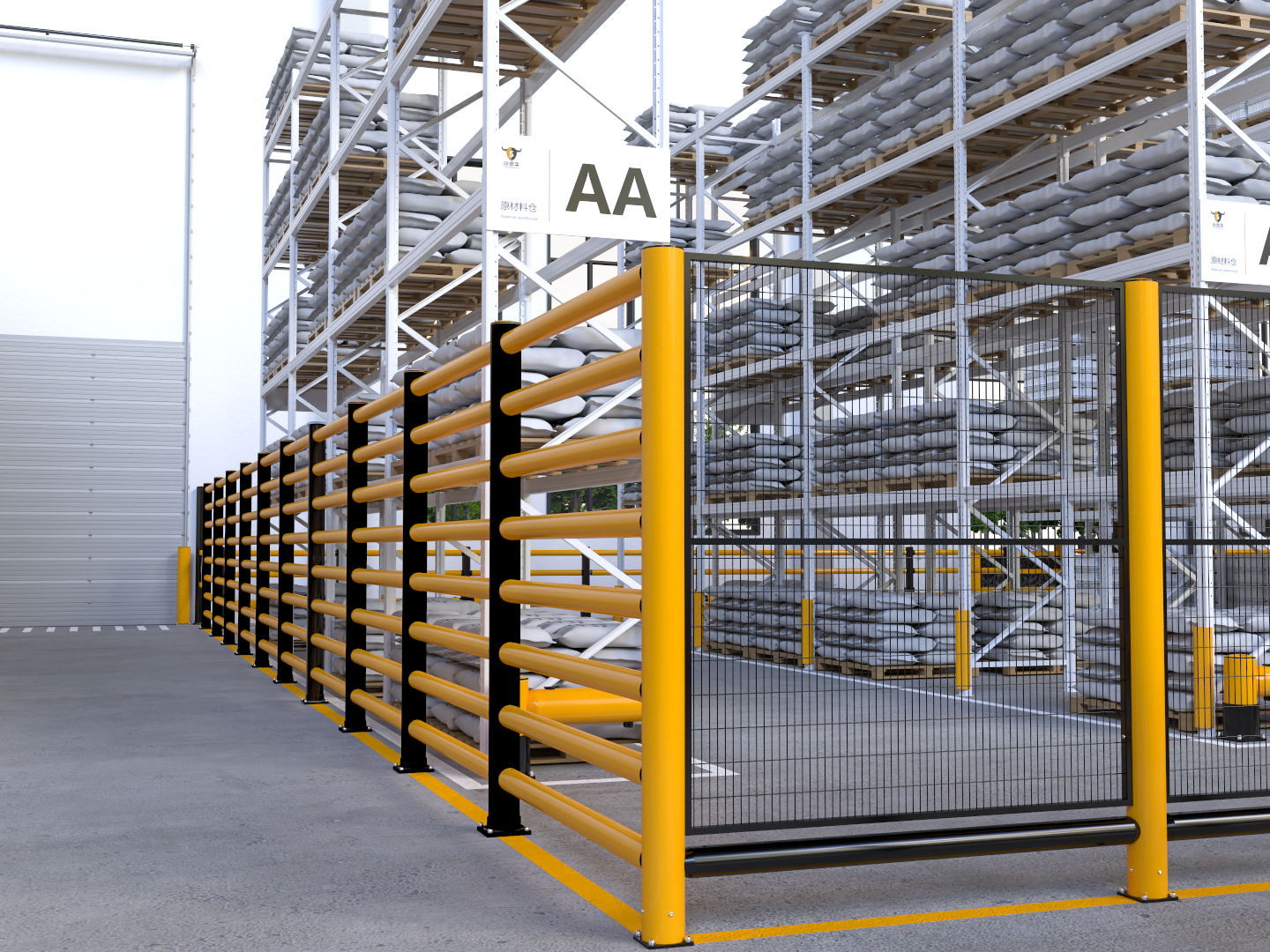
Industrial safety bollards fall into two broad categories: rigid and flexible. Rigid units use steel or concrete and stop vehicles by sheer mass, yet they often transfer the full collision force into the post and the floor anchor. Flexible protective bollards use engineering polymer that bends on impact and springs back to shape without permanent damage. In a forklift aisle, a flexible post absorbs impact energy and reduces equipment damage, keeping downtime low after a minor strike. Rigid designs remain useful at building perimeters where maximum stopping power is required.
Polymer bollards excel where repeated low-speed impacts are expected, such as rack-end protection and pedestrian route segregation. The self-recovering material absorbs up to 90% of forklift impact energy and needs little repair after a hit. Steel bollards suit perimeter defense and high-speed traffic management where rigidity matters more than recovery. Many facilities choose industrial safety bollards that combine flexible polymer near racking with rigid steel at corners, creating balanced protection. Little Buffalo supplies TÜV-certified polymer units for these mixed layouts, letting safety teams match each post to its hazard.
Engineering polymer is the defining material for modern flexible safety barriers. Its molecular structure lets the post deform under a hit and recover without cracking, unlike painted steel that dents and rusts after every contact. In cold storage and clean-room zoning, polymer resists moisture, chemicals, and frequent wash-down while staying brightly visible. For these reasons, industrial safety bollards built from engineering polymer are now standard in modern warehouses. The energy absorption performance supports OSHA 29 CFR 1910.178 forklift guidelines and helps sites meet ISO 45001 occupational health targets by lowering worker injury risk near active traffic lanes.
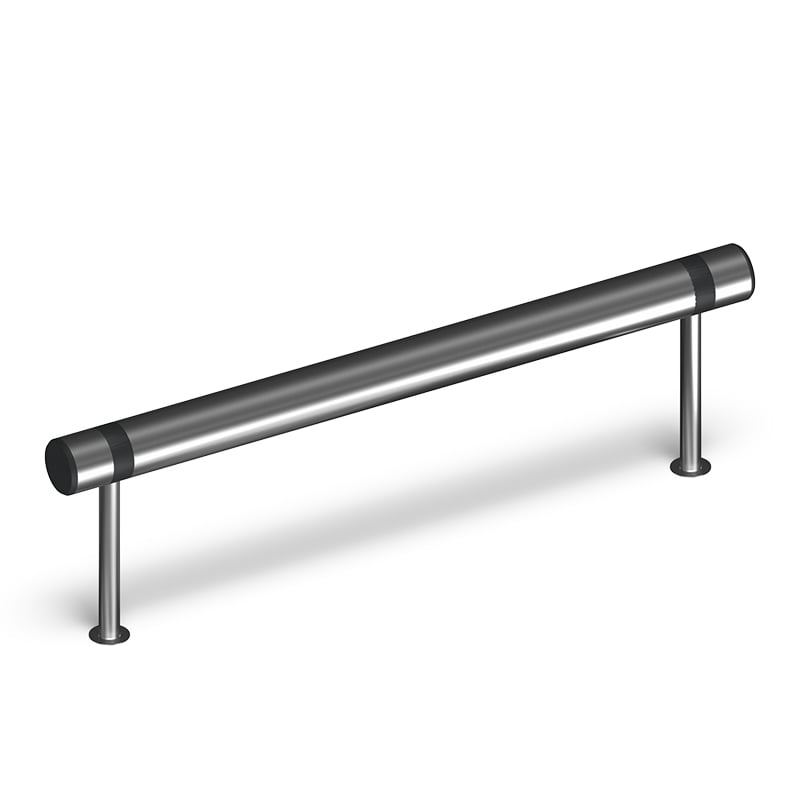
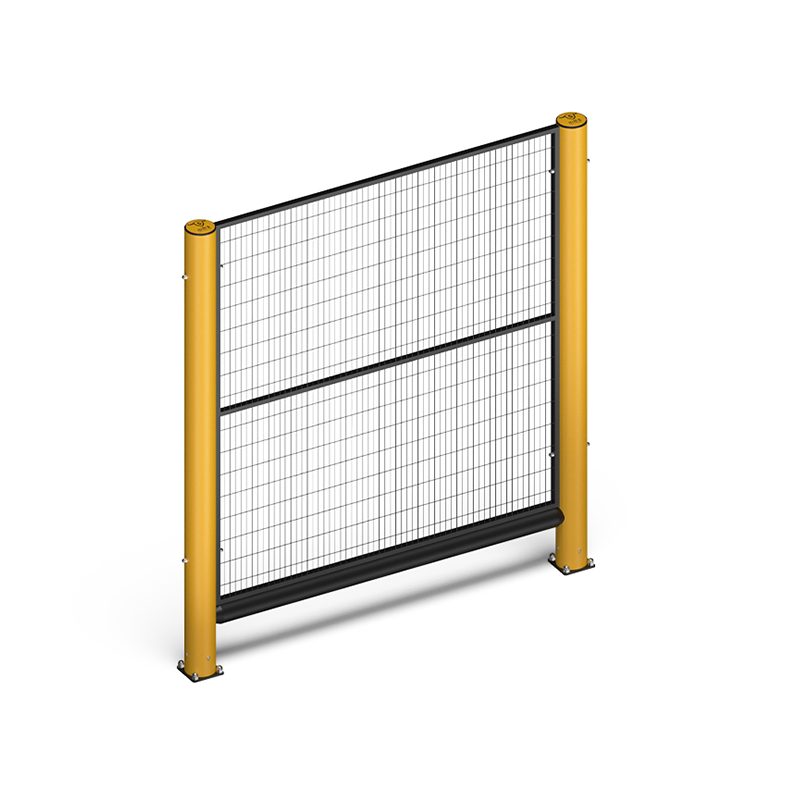
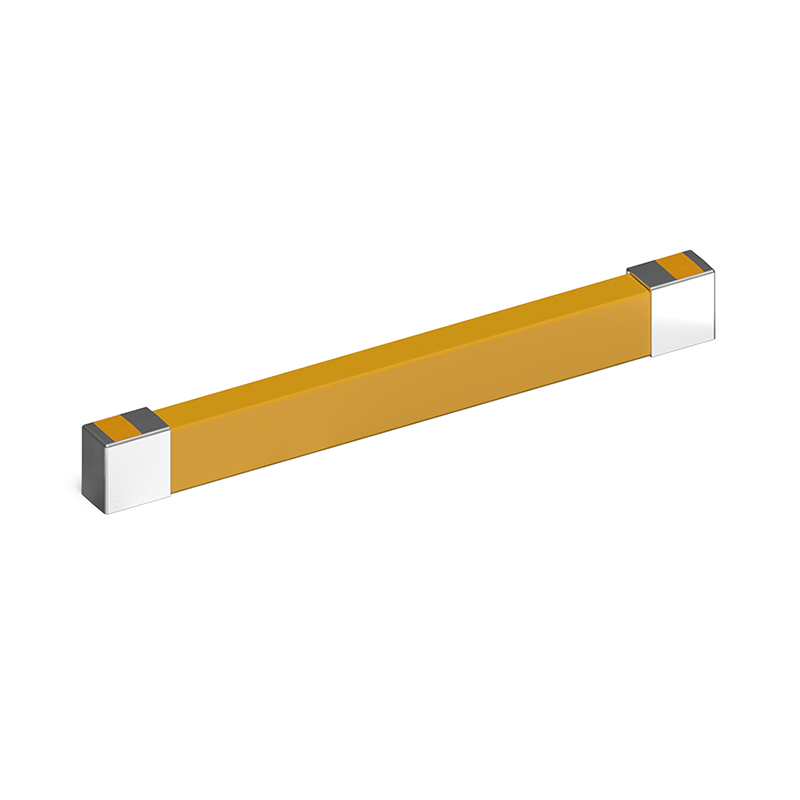
Where a bollard must survive a direct trailer or vehicle strike at speed, powder-coated steel with cast metal ends and SS304 fixings provides dependable durability. A powder-coated base resists corrosion in loading dock and outdoor yard conditions. Mesh boards and upright guards add column and machine protection along hazard lines. Facilities should weigh lifecycle cost carefully: steel needs repainting after dents, while polymer reduces maintenance through its recover property and avoids the rust cycle that shortens metal service life in demanding industrial environments.
Consider a distribution center planning vehicle routing around a new building extension. Forklifts move pallets from the dock to automated storage, while contractors drive vans along the same external lane. The safety team mapped hazard points: rack uprights, electrical columns, and the freight-lift door. The team selected industrial safety bollards after reviewing both polymer and steel options against their traffic profile, then installed flexible polymer posts to segregate the pedestrian walkway from the forklift lane and rigid steel units to protect building corners. After deployment, near-miss collisions dropped and the layout passed an internal ANSI B11.19 safeguarding review.
Risk analysis starts by ranking each zone by traffic volume, vehicle speed, and the value of protected assets. High-traffic intersections between pedestrian routes and forklift paths need continuous guardrail or closely spaced bollards. Machine guarding under ISO 14120 and OSHA 29 CFR 1910.212 demands physical barriers near moving equipment. A modular barrier system lets teams re-route protection as the facility grows, reducing future downtime from redesign. Documented risk ratings also help supervisors justify spend and keep coverage focused on the zones that truly threaten workers on the floor.
Two common installation methods suit different floors and ownership models. Surface-mount bollards bolt to concrete with anchor bolts, ideal for leased warehouses and quick layout changes. Core-drilled units set into the slab with epoxy for maximum pull-out strength at truck yards and loading docks. Proper spacing follows the vehicle turning radius and local traffic management standards. Correctly installed industrial safety bollards rely on certified anchors and a layout that respects real vehicle movement, so installers avoid weak placements that fail under genuine industrial loads.
Regular inspection keeps any safety barrier effective over its service life. Monthly checks should look for loosened fixings, cracked polymer, and corrosion on steel bases. Even durable industrial safety bollards need routine inspection to stay effective, and damaged posts should be replaced before they fail during a real collision. Documentation supports ISO 9001 quality and ISO 14001 environmental programs, and helps demonstrate due care to auditors after any incident. A simple maintenance schedule, combined with visible hazard marking, sustains protection and limits unexpected downtime across the workplace.
Industrial safety bollards are a practical, proven way to separate people from vehicles and to shield costly assets across industrial sites. By matching bollard type and material to each hazard, and by following a disciplined installation and inspection routine, facility managers reduce injury risk and equipment loss. The right layout pays back through fewer collisions, lower downtime, and a safer workplace for every worker who shares the floor.
What are safety bollards used for?
Answer: Industrial safety bollards protect workers and equipment by creating physical separation between vehicles and pedestrians, and by shielding machines, racks, and building columns from collision. They guide forklift and trailer traffic along safe routes, reduce damage from low-speed impacts, and support OSHA and ISO safety programs. Properly placed bollards lower injury risk and limit costly downtime across warehouses, factories, and loading docks where traffic mixes daily.
Why choose polymer over steel for bollards?
Answer: Polymer bollards bend and recover after a forklift strike, absorbing impact energy and avoiding the dents and rust common with steel. The self-recovering material needs less repair, which cuts maintenance cost and downtime in busy aisles. Steel remains better for high-speed perimeter defense where rigidity matters most. Many facilities use flexible polymer near racking and rigid steel at corners, creating a balanced protection plan that matches each hazard zone without overspending on unnecessary strength.
How should bollards be installed on concrete?
Answer: Surface-mount bollards bolt to the slab with anchor bolts and suit leased warehouses needing frequent changes. Core-drilled bollards set into drilled holes with epoxy for stronger pull-out resistance at truck yards and loading docks. Spacing must follow the vehicle turning radius and local traffic standards to stay effective. Certified anchors and clear layout drawings help each post meet structural and safety expectations during daily industrial use, preventing weak spots that could fail.
Where should bollards be placed in a facility?
Answer: Bollards belong wherever vehicles and people cross paths or where assets need shielding. Common points include rack uprights, machine guarding lines, electrical columns, freight-lift doors, and building corners. Pedestrian walkways gain protection when bollards segregate them from forklift lanes. A risk-based layout that ranks traffic volume and asset value keeps coverage efficient and avoids wasteful posting across the site, focusing spend on the zones that threaten workers most.
Do bollards require regular inspection?
Answer: Yes. Monthly checks should confirm fixings stay tight, polymer shows no cracks, and steel bases show no corrosion after exposure. Replace damaged posts before they fail in a real collision to keep protection reliable. Records support ISO 9001 and ISO 14001 programs and show due care to auditors after incidents. A short maintenance schedule with clear hazard marking sustains protection and prevents unexpected downtime throughout the workplace, supporting continuous safety compliance.
 Hot News
2024-06-01
2024-06-25
2024-06-28
2024-09-09