EN

ABOUT US
- Shounan Street URban Industrial Park,YinZhou District,NingBo City, ZheJiang, CHINA.
- +86-15381988180
- [email protected]

A busy distribution center loses thousands of dollars each year when forklift trucks clip racking, machinery, and building columns. Forklift protection barriers form the first line of defense, shielding valuable assets from repeated vehicle traffic and controlling collisions before they cause injury or downtime. This guide explains how modern barriers work, which types suit different zones, and how a layered layout delivers measurable results for any industrial facility running powered industrial trucks.
Forklift protection barriers are physical, engineered systems placed between moving industrial trucks and the assets operators must not hit. They include flexible bollards, guardrails, rack-end protectors, and column guards built from engineering polymer or steel. Unlike rigid posts that bend or break, these barriers are designed to absorb energy and return to shape, protecting both the vehicle and the structure behind them from costly collision and recurring repair work.
The core of many modern barriers is a self-recovering polymer that flexes under load. When a forklift makes contact, the material deforms and spreads the collision force across its length, cutting peak stress on the rack or wall. After the impact, the polymer springs back to its original position with no permanent set. This energy absorption reduces repair bills, limits structural fatigue, and keeps traffic moving with minimal interruption through busy aisles and narrow cold storage lanes. The working principle matters because repeated low-speed contact, not single heavy hits, causes most warehouse damage. A barrier that recovers its shape needs no replacement after each knock, so asset protection stays constant through the longest shifts. Facilities report fewer scraped uprights and less floor scarring once flexible polymer units replace rigid steel posts near active traffic.
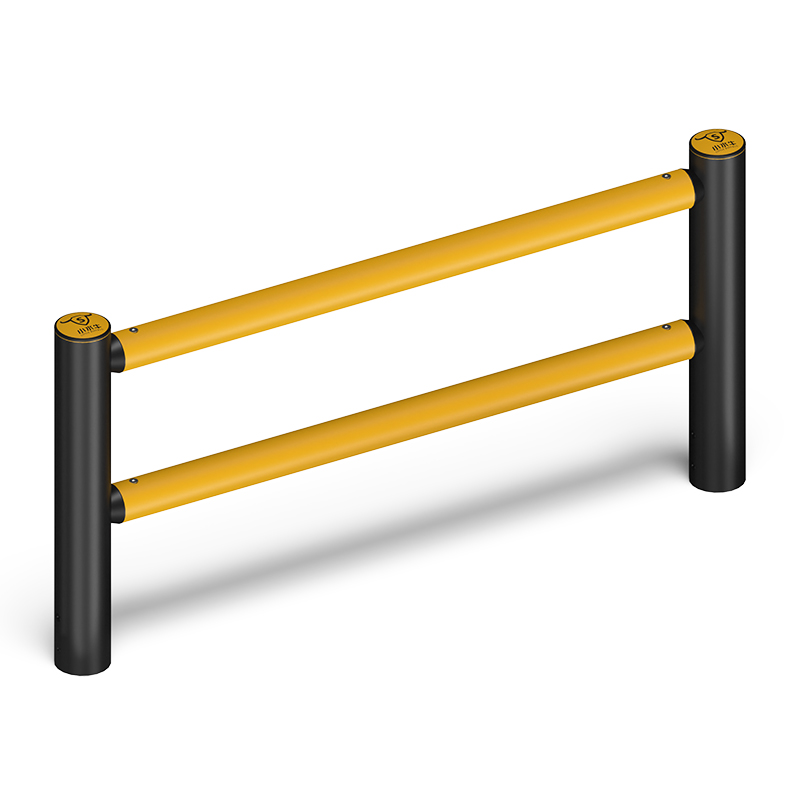
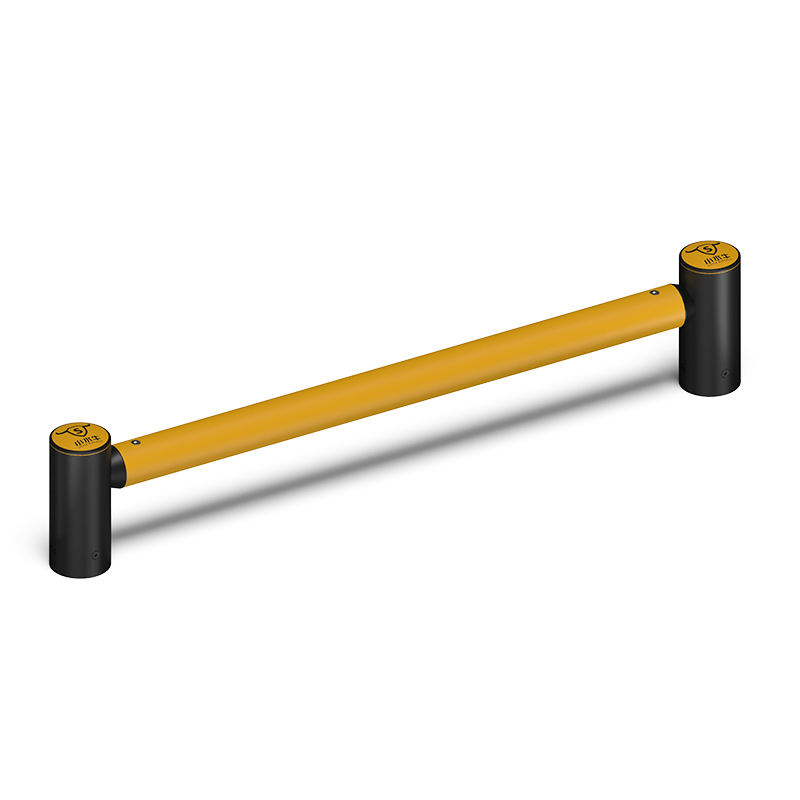
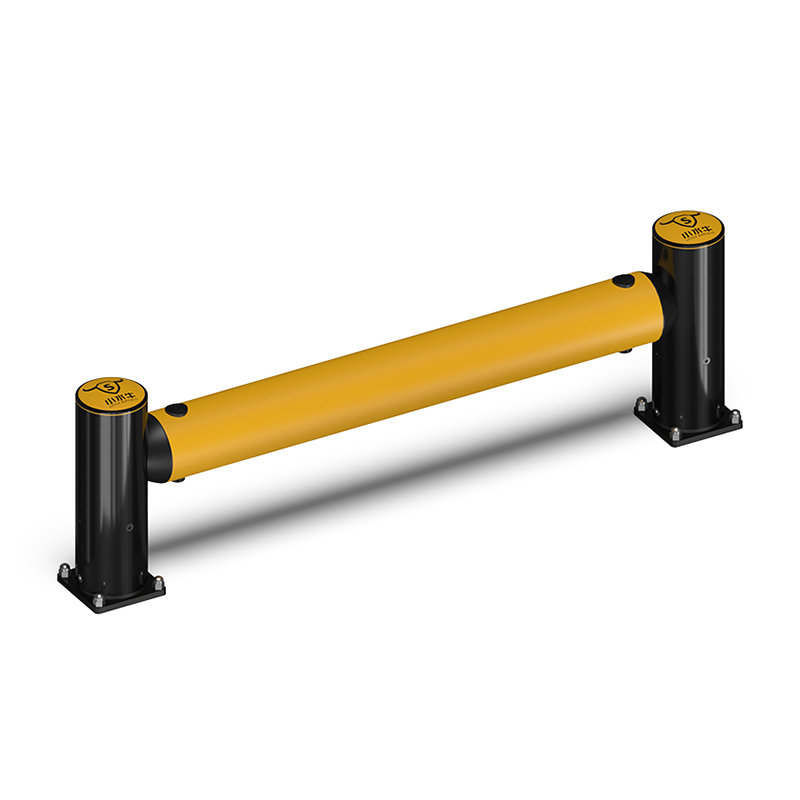
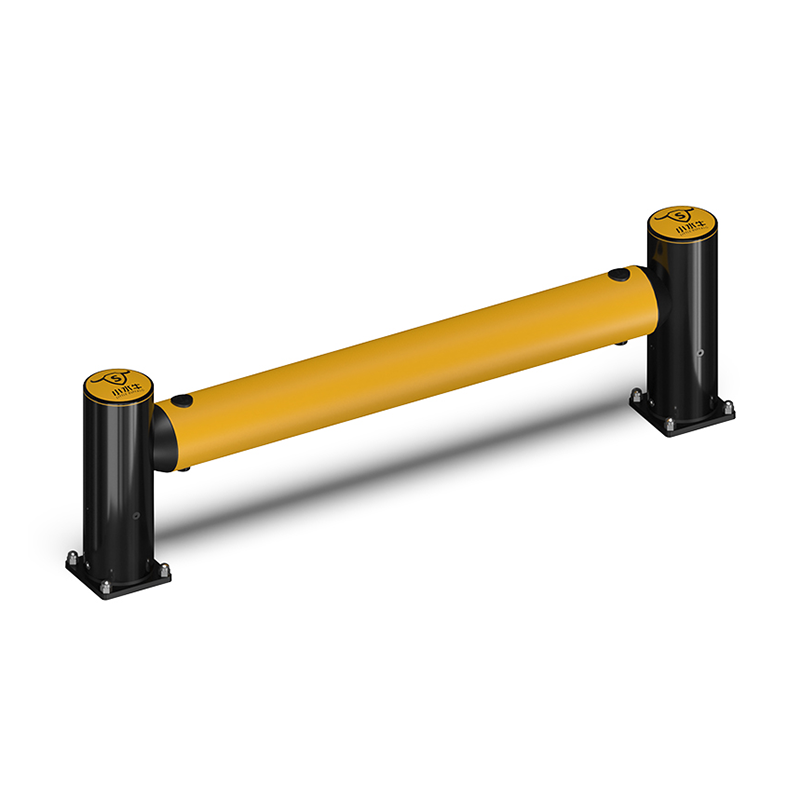
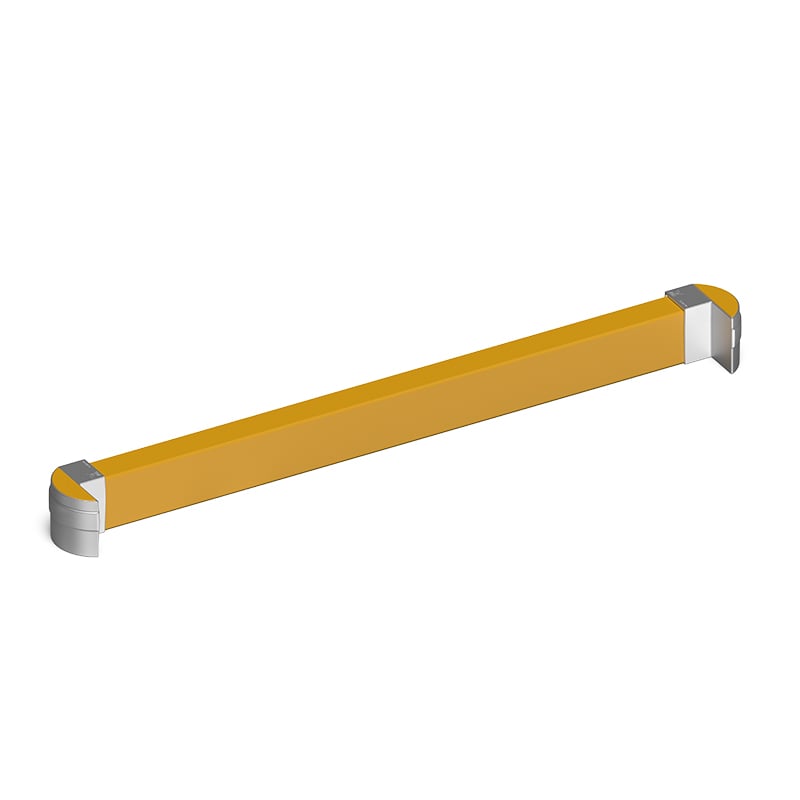
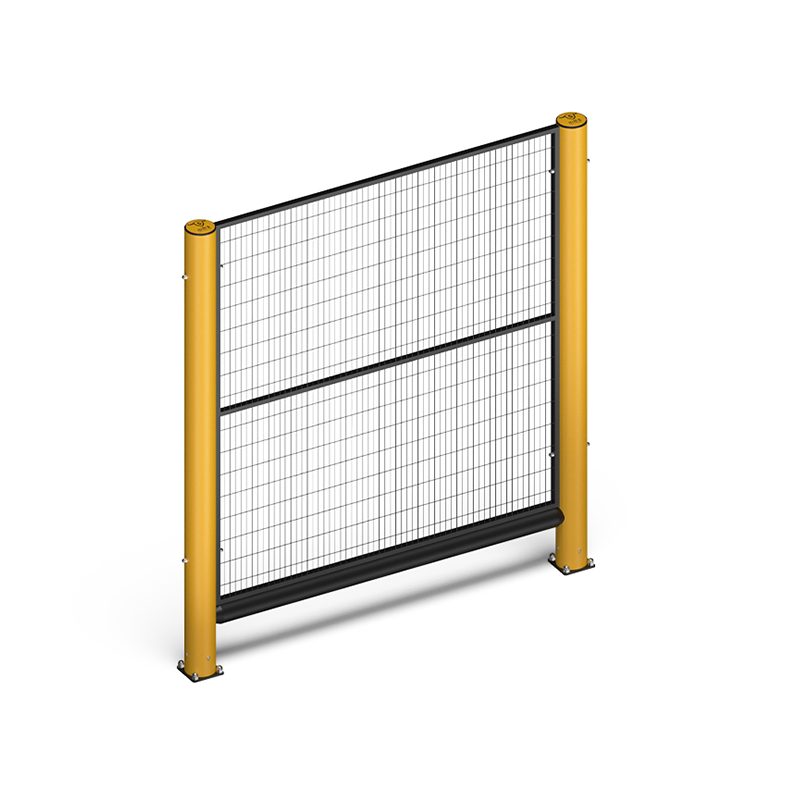
Flexible bollards mark travel lanes and protect door frames, panels, and equipment in tight spaces. Guardrails extend that protection along pedestrian walkways and machinery lines. Rack-end protectors wrap the exposed uprights at aisle ends, where forklift impact is most frequent. These safety barriers use polymer cores with cast metal or powder-coated bases, resisting contact without ripping from the floor. Their modular design lets teams reconfigure zones as layouts change and as traffic patterns shift across the site. Color-contrast bases improve visibility for operators working under time pressure, while the flexible core prevents the unit from becoming a hazard itself after a strike. In automated zones with AGV traffic, the same modular parts create consistent lanes that machines and people both read without confusion.
Separating people from vehicle traffic is a primary safety goal. Pedestrian guardrails and floor markings create clear, protected walkways that keep workers away from forklift lanes. In loading dock and cold storage areas, segregation barriers reduce close-calls and guide both trucks and pedestrians along safe, predictable routes. Proper zoning protects the workforce, supports a calmer workplace, and lowers hazard exposure near active aisles where powered trucks turn and reverse during peak shifts. Visual cues such as high-contrast posts reinforce training and speed compliance among temporary staff. Where space is tight, a single guarded corridor can remove the need for wider building changes, delivering protection without major capital work or lost floor area.
Well-placed forklift protection barriers reduce equipment damage, limit unplanned downtime, and lower injury risk across the site. By absorbing impact, they protect inventory, machinery, and structures from costly collision. Fewer incidents mean steadier operations, lower maintenance cost, and a safer workplace for everyone moving through the warehouse each shift. The financial return comes from avoided repairs, reduced insurance load, and uninterrupted throughput during periods of peak demand.
A third-party logistics warehouse running continuous shifts faced frequent rack damage and near-misses near its packing lines. The team installed a layered layout: flexible bollards at aisle mouths, guardrails along pedestrian routes, and rack-end protectors at every upright. The forklift protection barriers installed at aisle ends absorbed daily knocks that previously bent steel racking and stalled outbound loads. Within one quarter, forklift-related damage dropped sharply, walkway incursions fell, and the maintenance crew reported far fewer emergency repairs, proving the value of coordinated barrier placement.
Selecting forklift protection barriers starts with a hazard review of each traffic lane, rack end, and machine edge. Zones with fast forklift movement need robust guardrails; tight corners call for flexible bollards. Zoning guidance should reflect truck speed, load weight, and pedestrian density. Aligning barrier type to risk keeps spend focused and protection proportionate to each real threat, avoiding both gaps and wasteful over-specification across the wider facility and its busy dock areas. A useful review also maps historical incident data, since past impact points reveal where protection pays back fastest. Engaging maintenance and safety staff early avoids mismatched products and keeps the installed system aligned with how the warehouse actually operates day to day.
Installed forklift protection barriers need secure fixings and routine care to keep performing at a high level. Crews should mount units with SS304 or rust-free fixings and inspect after any collision for loose bases, deep scoring, or shift in position. Relevant standards such as OSHA 29 CFR 1910.178, ANSI/ITSDF B56.1, and ISO 45001 frame the duty of care, while TÜV-certified, ISO 9001 and ISO 14001 manufactured products give buyers confidence in consistent, auditable quality and dependable long service life. A simple log of checks builds evidence for audits and helps spot wear before it becomes failure. Cleaning debris from anchor points and re-torquing fixings after seasonal temperature swings preserves the rated performance that certification testing assumed at the factory.
Forklift protection barriers deliver the strongest return when planned as a system, not as scattered posts. A coordinated layout protects assets, guides traffic, and supports a safer, more productive warehouse every single day, turning passive protection into active operational resilience across the whole facility.
Frequently Asked Questions about forklift protection barriers, forklift impact protection, vehicle barriers, industrial traffic and collision barriers
Question
What materials are used to build forklift protection barriers?
Answer: Most forklift protection barriers use engineering polymer with a self-recovering structure, often paired with cast metal ends, SS304 fixings, or powder-coated steel bases. The polymer flexes on impact and springs back, while metal parts add strength at anchor points. Material choice for collision barriers depends on industrial traffic speed, load weight, and whether the zone is a cold storage or loading dock area with harsh conditions.
Question
Why should facilities use vehicle barriers instead of rigid posts?
Answer: Rigid posts transfer collision force into the floor and the struck object, causing breakage and downtime. Flexible vehicle barriers absorb forklift impact protection energy and recover shape, so a forklift can drive away with little damage. This lowers repair cost, protects racks and columns, and keeps pedestrian routes open. The result is safer industrial traffic flow with far fewer unplanned stoppages after minor contact events — the core benefit of collision barriers.
Question
Where should rack-end protectors and collision barriers be installed?
Answer: Rack-end protectors belong at every upright facing an aisle, because that is where forklift impact protection is needed most. Column guards and other vehicle barriers should shield building supports, sprinkler lines, and machine edges nearby. Coverage should follow the hazard review, concentrating on high-traffic ends and tight corners where turning trucks meet storage systems. Proper placement of forklift protection barriers prevents the most common and costly collision damage on site.
Question
How do forklift protection barriers support compliance?
Answer: Forklift protection barriers support compliance by segregating pedestrians from industrial traffic and guarding machines under OSHA 29 CFR 1910.178 and ANSI/ITSDF B56.1. TÜV-certified, ISO 9001 and ISO 14001 produced vehicle barriers give documented quality assurance. Collision barriers alone do not satisfy every duty, but they form a visible, physical control that strengthens an occupational health and safety management program and reinforces forklift impact protection.
Question
Can modular collision barriers adapt to changing warehouse layouts?
Answer: Modular collision barriers adapt well because forklift protection barriers, vehicle barriers, and rack-end guards use standard fixings that relocate without heavy civil work. As industrial traffic patterns shift, teams can re-zone pedestrian routes and machine edges quickly. This flexibility protects the investment and keeps forklift impact protection matched to current hazards rather than to a layout that no longer reflects daily operations.
 Hot News
2024-06-01
2024-06-25
2024-06-28
2024-09-09