EN

ABOUT US
- Shounan Street URban Industrial Park,YinZhou District,NingBo City, ZheJiang, CHINA.
- +86-15381988180
- [email protected]

Choosing the right barrier for a busy industrial yard starts with one question: what happens after a vehicle hits it? Flexible bollards bend under forklift and truck impact, then return to shape, while rigid steel posts often stay deformed after the same event. This difference drives maintenance load, downtime, and long-term cost across warehouses, loading docks, and manufacturing floors where powered trucks share space with people every shift.
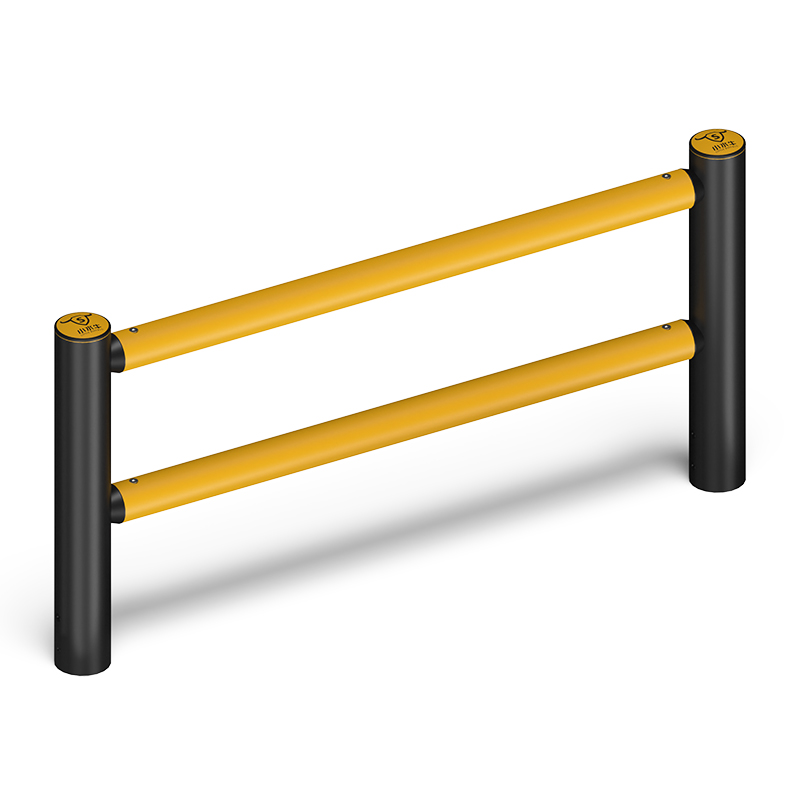
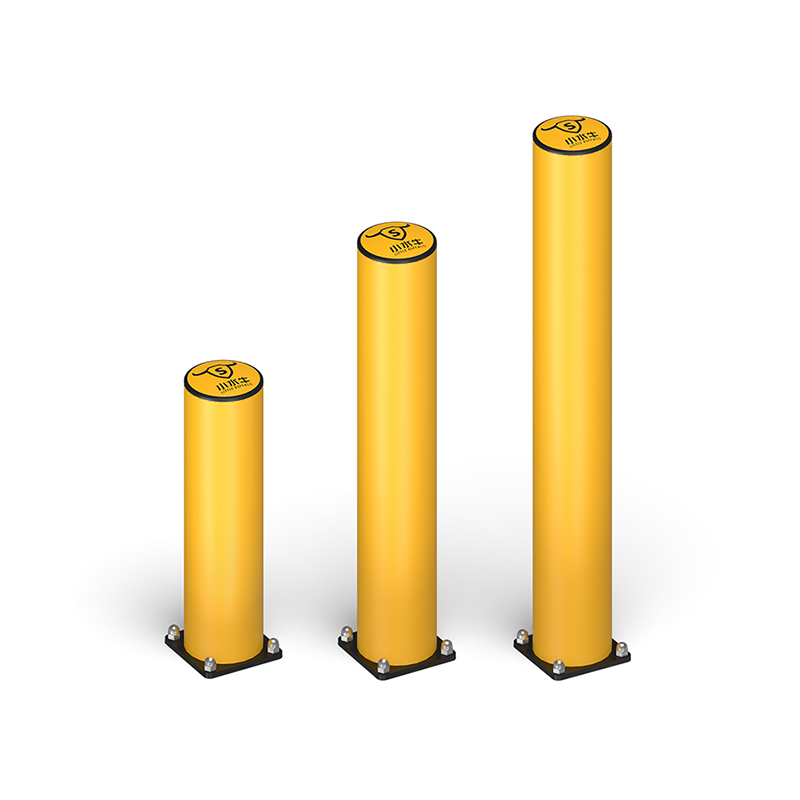
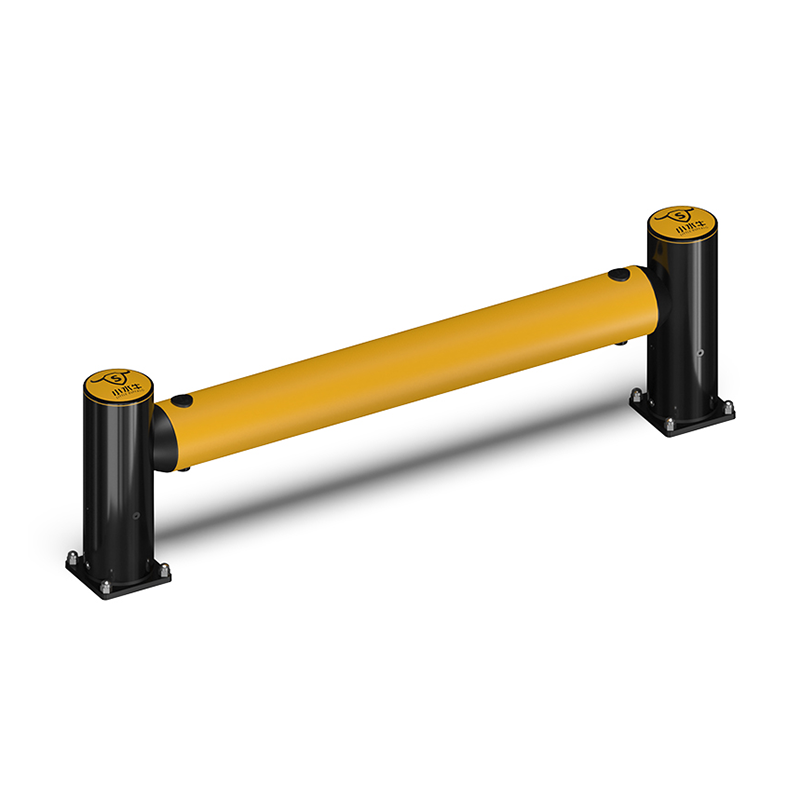
Flexible bollards use an engineering polymer core that absorbs collision energy and springs back after a hit. The self-recovering material flexes instead of cracking, so a forklift bump that would crush a steel tube leaves only a temporary bend. Little Buffalo units pair this polymer with cast metal ends and SS304 fixings for stable ground anchoring. That structure keeps the post upright after repeated low-speed strikes without losing its protective height or position.
Steel bollards resist a first hit but rarely recover their original form. A loaded pallet truck or trailer that strikes a rigid post leaves a permanent lean or dent, and repainting does not restore the lost protection. Once the tube bends, the barrier must be cut out and replaced, which adds welding labor and a shutdown window on the aisle. Flexible bollards work differently because the polymer yields and then recovers, so most daily contacts cause no lasting defect.
A self-recovering polymer barrier absorbs up to 90% of forklift impact energy before it reaches racks, columns, or machines. That energy absorption lowers the chance of structural damage and reduces injury risk near pedestrian routes. OSHA 29 CFR 1910.178 and ANSI/ITSDF B56.1 guide powered-truck routing where these barriers separate people from vehicles, while ISO 3691 covers the industrial trucks themselves. ISO 45001 and OHSAS 18001 frameworks also push sites to control workplace hazards systematically, and a recoverable barrier fits that control plan. Regular inspection of the polymer line catches UV wear or fixings looseness before they matter. Proper segregation turns a line of posts into a working safeguard rather than a decorative edge.
An East Asian third-party logistics warehouse ran steel posts along every rack end and dock door. With 40-plus forklifts moving pallets around the clock, posts were struck daily by trailers and tugs. Replacement became a fixed monthly cost: bent tubes were cut out, new ones welded, and aisles closed for hours while crews worked. The safety manager tracked a steady rise in barrier spend with no end in sight, and the steel units kept failing in the same high-traffic corners. The recurring damage also created a false sense of normal, because crews expected bent posts and stopped reporting near-misses. That blind spot hid a deeper traffic-flow problem at the busiest intersection near the outbound doors, where tug paths crossed pedestrian walkways without a clear physical stop.
The site replaced 220 steel posts with polymer bollards over one weekend, using the same floor anchors where possible. Struck units bent and recovered within seconds, so crews stopped cutting and welding after routine contacts. Over the next year the facility recorded a large drop in replacement labor and a clear reduction in aisle downtime. The same traffic volume now causes almost no permanent damage to the line of protection, and inspection walks take less time because defects are obvious and isolated.
The switch did not remove impacts; it removed the cost of repairing them after every contact. Procurement should weigh total cost of ownership, not just unit price, when specifying vehicle barriers for busy yards. A modular polymer design also simplifies inspection because damage stays local, avoiding full-row replacements after a single collision. Buyers who track five-year spend usually find the recovery approach outperforms the rigid one where truck traffic is constant.
Steel needs welding or full replacement after most serious hits, which means a crew, a permit, and a closed lane during the fix. Self-recovering polymer needs only a visual check; a bent unit returns to plumb on its own within moments. For high-traffic segregation lines, that difference compounds into weeks of saved operation each year across a large facility. Flexible bollards also keep hazard zones marked during the recovery, so workers still see the boundary while the post resets itself.
A five-year view changes the decision for most sites. Steel looks cheap at purchase but piles up welding, paint, and labor after each strike. Polymer costs more per unit yet avoids most replacement cycles and the shutdowns they cause. ISO 9001 and TÜV-certified polymer systems give buyers a documented quality baseline, and zoning plans stay intact because protection keeps working after each hit. Maintenance budgets become predictable instead of reactive, which helps facility planners defend the spend to management. Facility planners who model replacement cycles find the polymer line pays back where impact frequency exceeds a few events per month. The predictable budget also simplifies annual capital review versus scattered emergency repair calls that disrupt the production schedule.
Flexible bollards earn their place where vehicles hit barriers often and uptime matters. The logistics case shows that switching from steel to polymer cut replacement cost and kept aisles open, proving recovery beats rigidity for industrial protection. Specifiers should match the barrier to traffic, risk, and inspection capacity rather than default to the rigid option. A clear hazard review, the right material, and a simple inspection routine deliver safer, lower-cost protection over the full life of the site.
Frequently Asked Questions about flexible bollards, steel bollards, self-recovering bollards, polymer bollards and vehicle barriers
Question
What is the main difference between flexible bollards and steel bollards?
Answer: Flexible bollards use polymer that bends and returns after a vehicle strike, while steel bollards deform and stay bent. The polymer bollards version avoids welding and replacement after most hits. Buyers should weigh recovery, maintenance, and downtime rather than unit price alone when specifying vehicle barriers for busy yards. The right choice between flexible bollards and steel bollards depends on how often trucks contact the line.
Question
Why do steel bollards cost more over time?
Answer: A steel bollards post looks cheap at purchase but needs cutting, welding, and repainting after a serious hit, plus a closed lane for the crew. Those repeat costs outweigh the low sticker price within a year or two in high-traffic areas. Total cost of ownership favors self-recovering bollards and other flexible bollards where impacts are frequent. Planning across five years makes the gap between polymer bollards and steel bollards clear to any facility manager.
Question
How do polymer bollards improve workplace safety as vehicle barriers?
Answer: Flexible bollards absorb collision energy and spring back, keeping protection in place near pedestrian routes and machine lines. By reducing permanent damage, self-recovering bollards lower the risk of falling racks and sudden lane closures. Sites using polymer bollards report fewer repair shutdowns and steadier traffic flow around loading docks and aisles. Visible, reliable vehicle barriers help workers trust the separation between people and powered trucks.
Question
Where should polymer bollards and self-recovering bollards be installed?
Answer: Install flexible bollards at rack ends, dock doors, elevator entrances, and any point where forklifts or trailers turn near people. Cold storage and clean-room zoning also benefit because polymer bollards need no repaint after a strike. Placement of vehicle barriers should follow a traffic and hazard review so the barrier line matches real vehicle paths. Good siting matters as much as the material chosen for steel bollards or flexible bollards.
Question
Can polymer bollards meet industrial safety standards?
Answer: Reputable self-recovering bollards and flexible bollards carry TÜV certification and are made under ISO 9001 and ISO 14001 processes. They support compliance with OSHA forklift routing and ANSI machine-guarding guidance when used as vehicle barriers. Standards do not mandate a single material, so buyers should verify the specific polymer bollards product certificate and test data — and compare it against steel bollards claims. A documented quality baseline helps procurement defend the specification to auditors.
 Hot News
2024-06-01
2024-06-25
2024-06-28
2024-09-09