EN

ABOUT US
- Shounan Street URban Industrial Park,YinZhou District,NingBo City, ZheJiang, CHINA.
- +86-15381988180
- [email protected]

Warehouse aisles funnel fast-moving forklift traffic directly toward the ends of storage rows, and that geometry makes end of rack protection one of the most consequential safety investments a facility can make. When a lift truck clips a rack upright at the aisle mouth, the damage cascades from bent steel to collapsed loads and injured workers. Flexible polymer barriers placed at the rack face convert a violent collision into a controlled, recoverable event.
Narrow aisles and high rack density place the most vulnerable steel members, the uprights at the end of each row, directly in the forklift path. End of rack protection matters most at these corners because a turning truck has the least visibility and the highest closing speed exactly where the pallet rack ends. Pedestrian routes often cross the same aisle mouths, compounding the hazard. Traffic management that relies only on painted lines fails under busy conditions, so physical segregation with guardrails and bollards becomes necessary.
A direct hit on a rack upright rarely stops at a cosmetic dent. The connection between base plates, braces, and beams absorbs shear that redistributes through the frame, and a deformed upright can lose certified load capacity even when it still stands. Forklift operators working at speed in cold storage or loading dock environments face reduced traction, raising collision frequency. Without protective shielding, maintenance teams must repeatedly straighten or replace columns, and the associated downtime interrupts order fulfillment. Reliable end of rack protection prevents these repeated hits from becoming structural events.
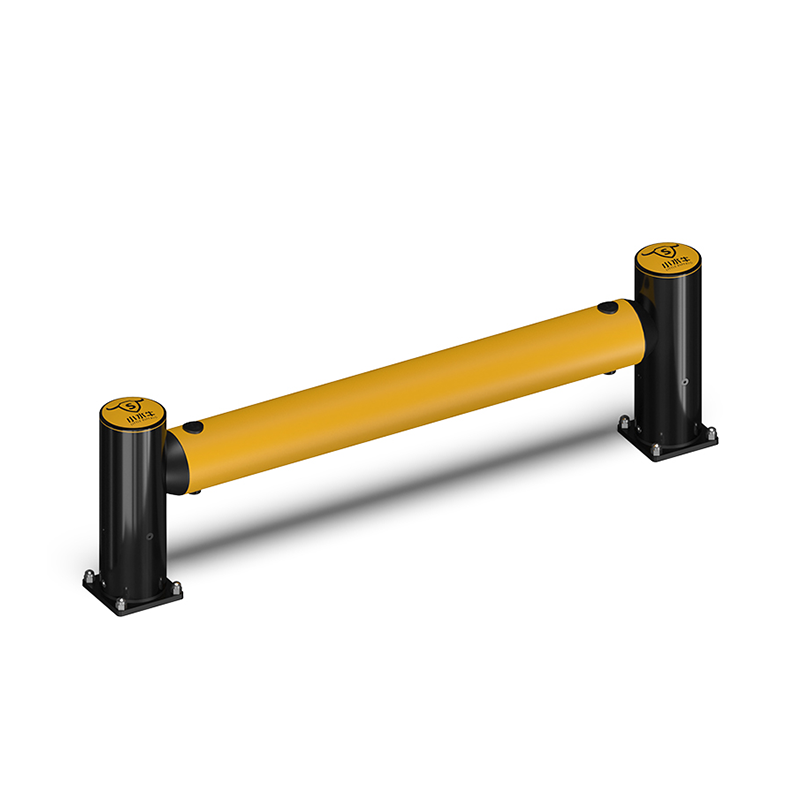
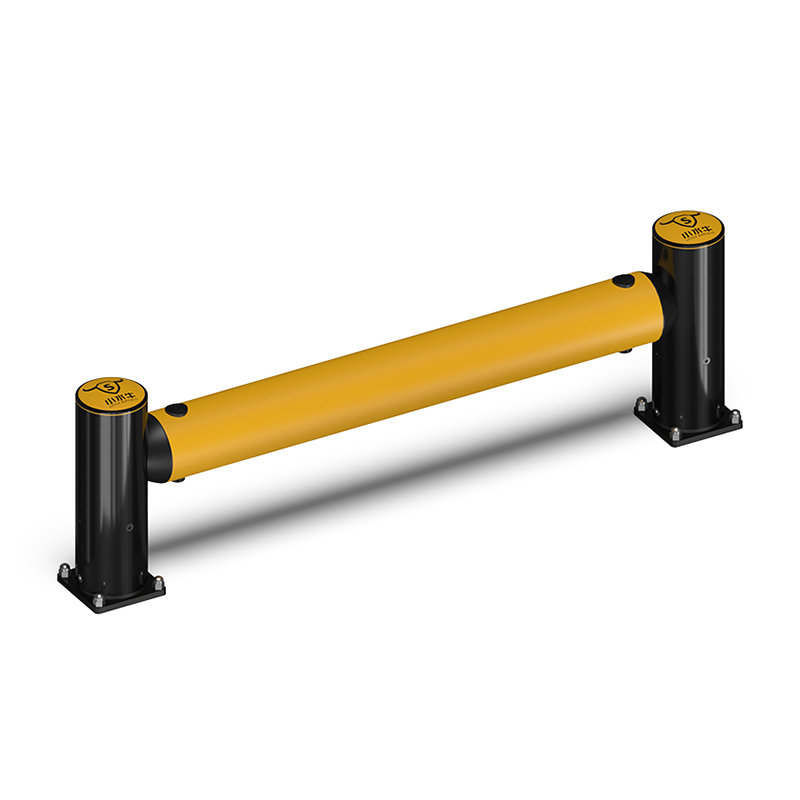
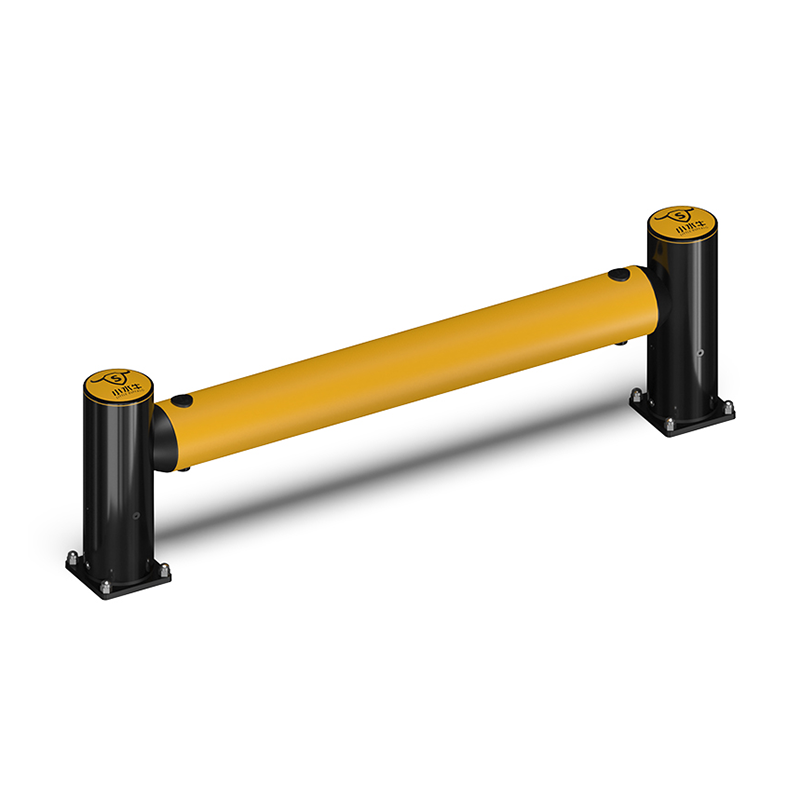
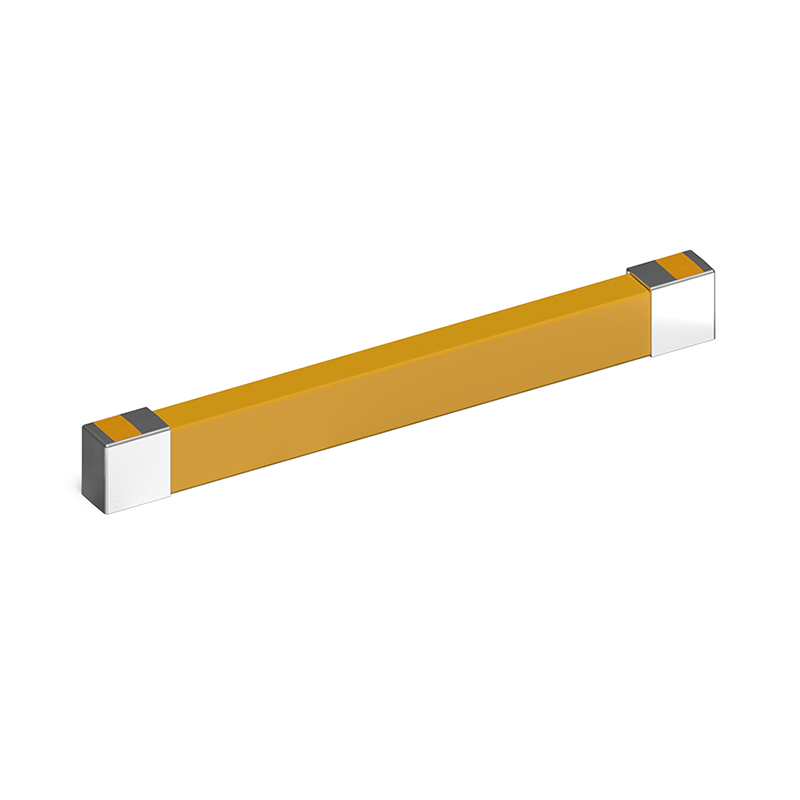
Flexible rack-end protectors from Little Buffalo use an engineering polymer with a self-recovering property: the barrier bends under forklift or vehicle impact and springs back to its original shape rather than remaining deformed. Unlike rigid steel angles that absorb energy by denting, the polymer redirects force away from the rack upright and returns to service without replacement. This recover characteristic keeps the aisle protected after repeated low-speed contacts that would permanently damage a metal guard. Little Buffalo designs end of rack protection with the recover principle built into every guard.
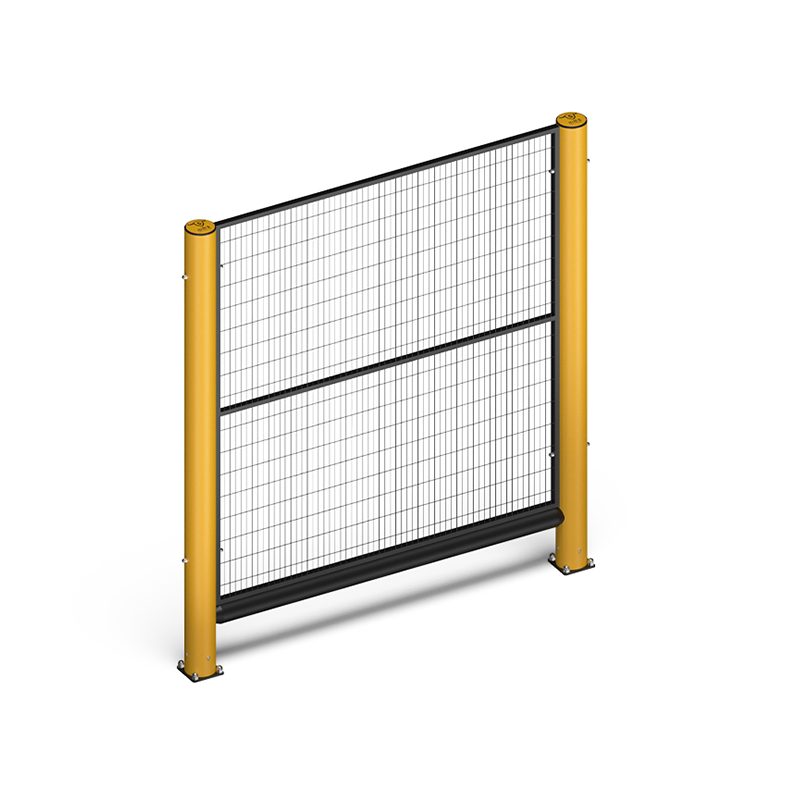
The headline performance claim is that flexible rack-end protectors absorb up to 90% of forklift impact energy, converting a destructive strike into a survivable bump. That energy absorption protects not only the rack but also the truck, the load, and the worker operating it. Strategically placed bollards and guardrails create a protective envelope that guides traffic away from the rack face and toward designated travel lanes. Modular barrier layouts let a facility reconfigure protection as storage patterns change. Effective end of rack protection therefore pays for itself through avoided repairs and fewer truck callouts.
A regional distribution center running three shifts in a 40,000 square meter facility recorded frequent rack-end strikes at the mouths of its narrow picking aisles. Forklift operators maneuvering loaded pallets through intersecting routes clipped uprights several times each week, bending columns and forcing emergency inspections. Existing steel corner guards had dented permanently and lost their protective profile, so the center needed a solution that could survive daily contact without constant repair. The missing element was consistent end of rack protection at every aisle mouth.
The facility installed flexible rack-end protectors with self-recovering polymer at every high-traffic aisle terminus, supplemented by bollards at crossing points and guardrails along pedestrian routes. Within one quarter, reported rack damage incidents dropped sharply, and the maintenance crew stopped scheduling weekly upright replacements. The center recorded fewer forklift repair calls and a measurable decline in pedestrian near-misses, confirming that durable end-of-aisle protection reduced both equipment loss and operational disruption across the busiest zones. The center finally treated end of rack protection as permanent infrastructure rather than a patch.
Selecting the right barrier starts with a traffic survey: identify where forklifts turn, where pallets are deposited, and where pedestrians cross. High-impact aisle mouths need flexible barriers with deep energy absorption, while lighter zoning areas may use bollards or guardrails for visual and physical guidance. Little Buffalo offers TÜV-certified configurations with SS304 fixings and powder-coated bases suited to both ambient and cold storage facilities. Proper end of rack protection starts with a traffic survey of turning points and crossings.
Procurement teams should verify that protective equipment supports recognized safety frameworks. OSHA 29 CFR 1910.178 governs powered industrial truck operation, and ANSI/ITSDF B56.1 sets forklift safety expectations that physical guarding helps meet. ISO 45001 guides occupational health management, while ISO 9001 and ISO 14001 reflect a manufacturer's quality and environmental discipline. A barrier program backed by certification and routine inspection builds a defensible safety record. Documented installation, scheduled inspection, and prompt replacement of any damaged component keep the protection effective and demonstrate due diligence during audits.
End of rack protection belongs at the top of any warehouse safety upgrade list because the rack end is where forklift traffic, pedestrian routes, and stored inventory converge most dangerously. Flexible polymer barriers that absorb impact and recover their shape deliver durable defense without the constant repair burden of rigid steel. A measured distribution-center case shows the practical payoff: fewer damaged uprights, less downtime, and safer aisles. Buyers should survey traffic, specify certified guards, and commit to routine inspection so the protection keeps working shift after shift.
What is the purpose of end-of-rack protection in a warehouse?
Answer: End-of-rack protection shields the uprights at the end of storage rows from forklift and vehicle strikes. The barriers absorb collision energy and redirect force away from the rack frame, preventing bent steel, collapsed loads, and worker injury. Physical guarding at aisle mouths outperforms painted lines because it creates a constant, visible obstacle in the forklift path. Facilities use these guards to reduce downtime, lower repair costs, and keep pedestrian routes safely separated from busy traffic lanes.
Why do flexible polymer barriers recover their shape after impact?
Answer: The engineering polymer used in flexible barriers bends under load and springs back to its original form instead of staying deformed. This self-recovering property means a low-speed forklift contact does not permanently dent the guard, so the barrier keeps protecting the rack after repeated hits. Rigid steel angles must be replaced or straightened after each strike, whereas polymer units return to service quickly and resist corrosion in cold or damp zones.
How much forklift impact energy can rack-end protectors absorb?
Answer: Flexible rack-end protectors from Little Buffalo absorb up to 90% of forklift impact energy during a collision. That absorbed energy spares the rack upright, the truck, the pallet, and the operator from the full force of the strike. The remaining force is distributed and redirected rather than concentrated on a single steel member. This performance lets busy distribution centers survive daily contacts without structural damage, keeping aisles operational and reducing the repair calls that follow rigid-guard failures.
Where should rack-end guards be installed inside a facility?
Answer: End of rack protection should be installed at every aisle mouth where forklift travel turns toward stored inventory, especially at narrow picking rows and crossing points. High-traffic loading dock entries and pedestrian intersections also need guards or bollards to separate routes. A traffic survey identifies the exact impact points before installation. Modular barrier kits let teams cover the worst aisles first, then expand protection as storage layouts change, ensuring the most dangerous corners receive shielding before minor ones.
Do rack-end barriers require frequent maintenance after installation?
Answer: Flexible polymer barriers need far less maintenance than rigid steel guards because they recover their shape after impact instead of denting. Routine inspection should still check fixings, base plates, and SS304 anchors for loosening after heavy contacts. Damaged components are replaced individually without rebuilding the whole guard. Scheduling monthly visual checks and documenting findings supports OSHA and ISO 45001 compliance. This light maintenance load keeps protection effective while avoiding the upright repairs common with unprotected or deformed steel corners.
 Hot News
2024-06-01
2024-06-25
2024-06-28
2024-09-09