EN

ABOUT US
- Shounan Street URban Industrial Park,YinZhou District,NingBo City, ZheJiang, CHINA.
- +86-15381988180
- [email protected]

Every year, powered industrial trucks and moving equipment cause thousands of recordable injuries across warehouses and factories. The fastest path to fewer incidents is a program of layered workplace safety solutions that combines engineering controls, clear traffic routes, and a strong safety culture. OSHA reporting shows most forklift incidents are preventable when facilities separate people from vehicles and protect fixed structures. A single guardrail rarely solves the problem; the goal is to reduce exposure at every step of the work flow.
Unplanned downtime, medical costs, and lost productivity turn a minor collision into a major expense. A program built on workplace safety solutions treats injury reduction as a connected system rather than a one-off purchase. When a forklift strikes a rack upright or a pedestrian walks into a shared aisle, the damage compounds across equipment, inventory, and morale. Facilities that measure near-misses discover patterns that point to specific hazards long before a serious incident occurs. Ignoring these signals lets small risks grow into recordable events that hurt both people and output.
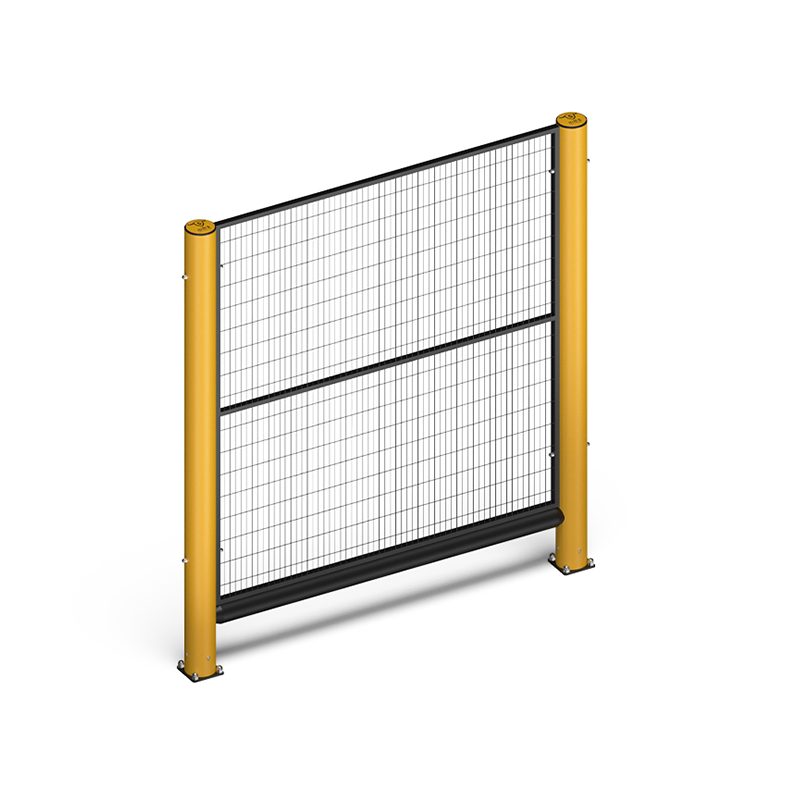
A layered approach stacks several defenses so that if one fails, another catches the error. The first layer is segregation: physical barriers keep pedestrians away from vehicle paths. The second is protection of fixed assets such as columns, racks, and machinery with flexible bollards and guardrails. The third is visibility through floor markings, signage, and lighting. Each layer lowers probability and severity, and together they form a resilient defense that supports broader workplace safety solutions across the site.
OSHA 29 CFR 1910.178 sets requirements for powered industrial trucks, while ISO 45001 provides a framework for occupational health and safety management. An effective program maps daily controls to these standards so compliance and protection advance together. Hazard identification becomes routine, and corrective actions are tracked through a documented process. Little Buffalo Technology supports this with polymer barriers and rack-end protectors that carry TÜV certification and align with recorded OH&S objectives. Treating standards as living documents helps teams improve year after year instead of treating safety as a checkbox exercise. Well-documented workplace safety solutions make audits simpler and keep protection consistent as the facility grows.
Standards only help when workers follow them under pressure. A strong safety culture rewards reporting near-misses and fixes small issues before they escalate. Short toolbox talks, clear posting of traffic rules, and visible leadership commitment keep hazard awareness high. When new hires see experienced operators respecting segregation lines, the behavior spreads without heavy enforcement. Recognition for safe conduct works better than punishment, and frontline feedback often reveals the practical gaps that written procedures miss. Culture is the layer that makes every other control stick.
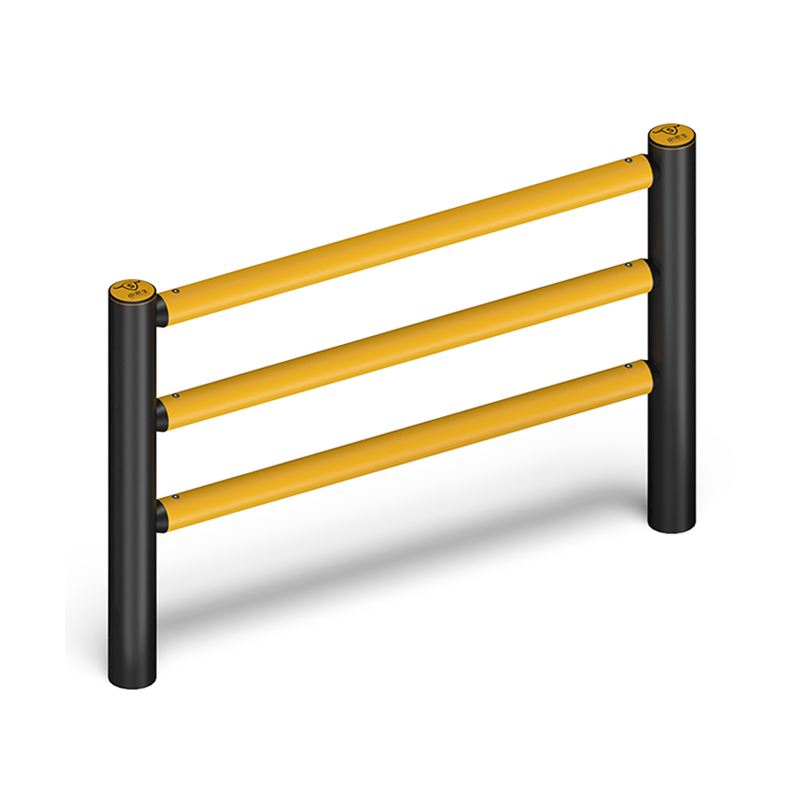
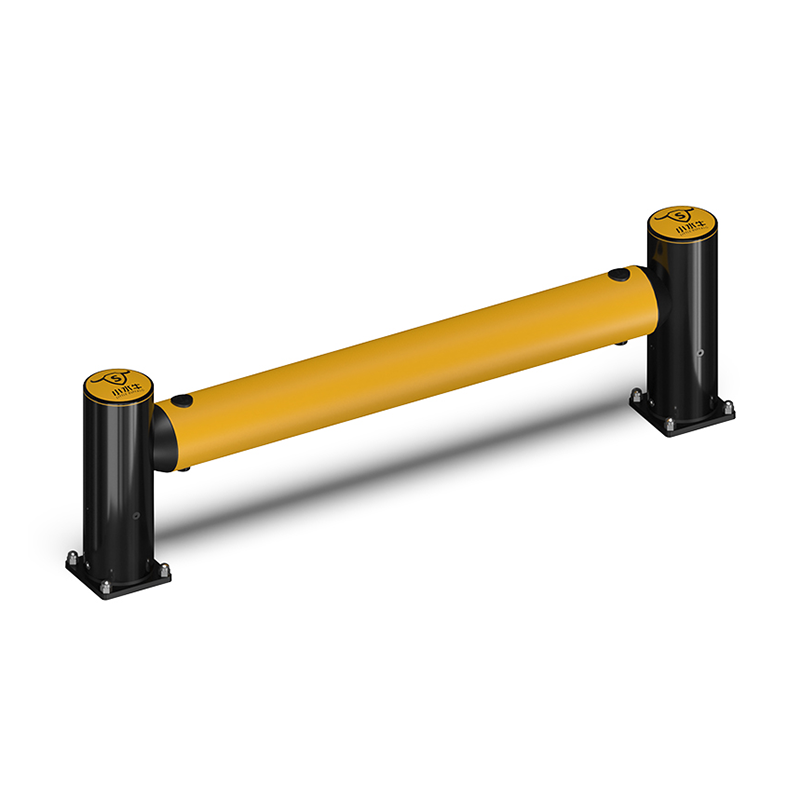
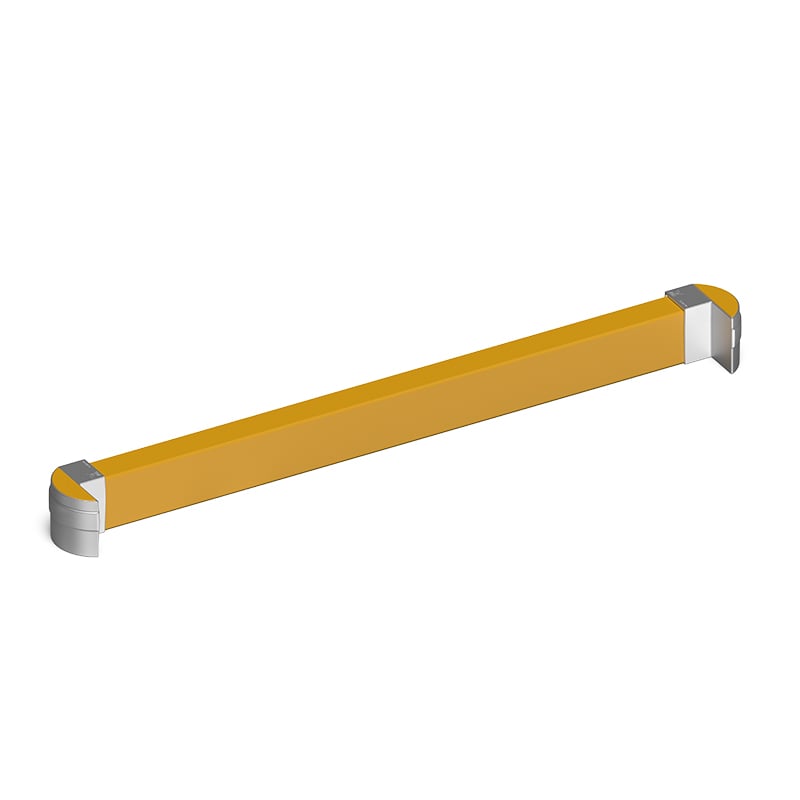
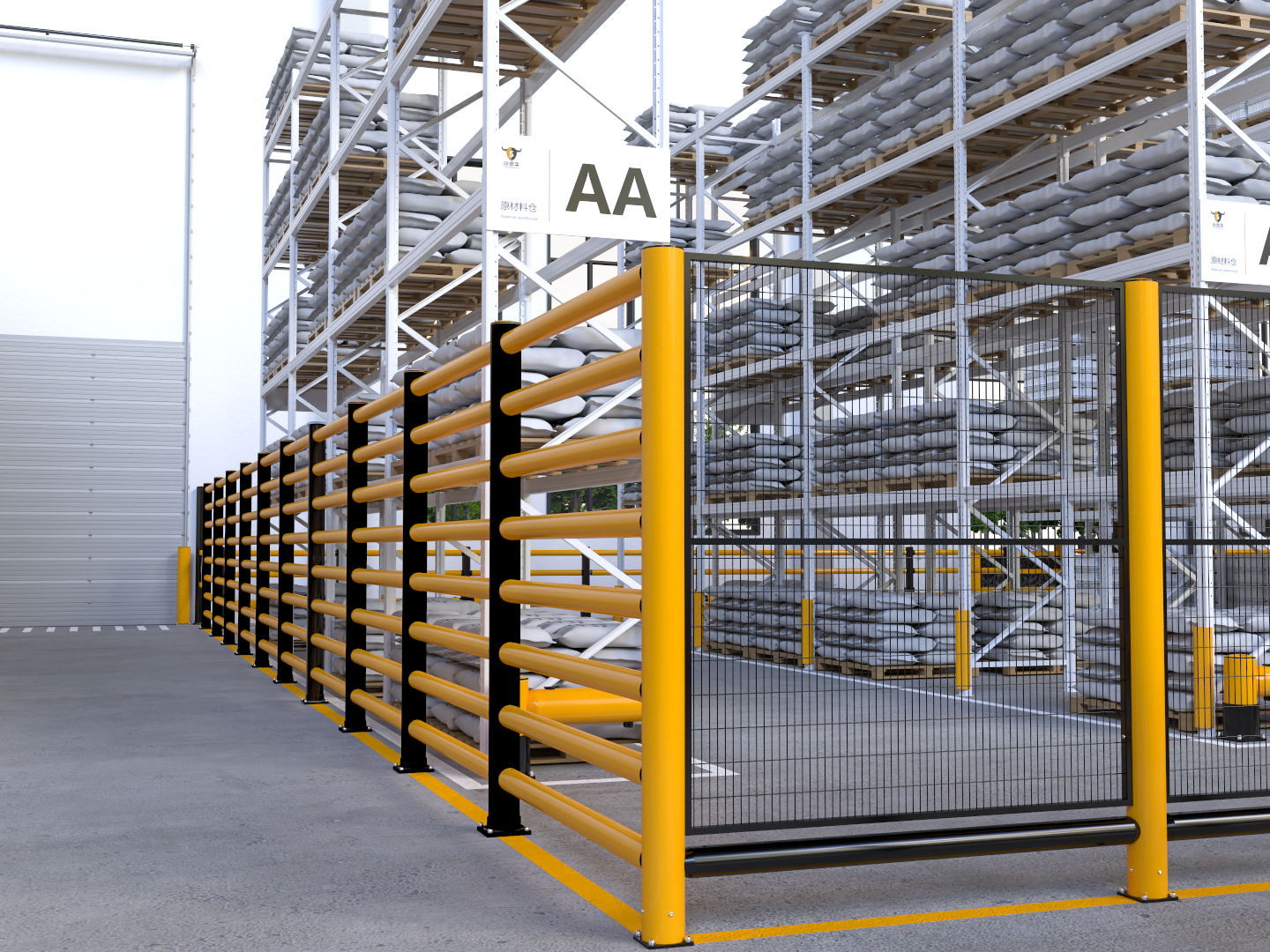
Engineering polymer bends under forklift impact and springs back to shape, absorbing up to 90% of collision energy. This self-recovering property means a barrier survives repeated hits that would dent or crush steel. Flexible guardrails and rack-end protectors shield columns, conveyors, and machinery while limiting damage to the vehicle. Energy absorption at the point of impact reduces both injury risk and equipment downtime, which matters in busy distribution centers. Modular bases and cast metal ends let crews reposition protection as layouts evolve without shutting down an aisle for long. Specifying these workplace safety solutions during layout planning prevents costly retrofits after a collision exposes a weak point.
Pedestrian guardrails and floor markings define separate lanes so foot traffic never crosses a forklift route. Modular barriers allow quick reconfiguration as layouts change, and SS304 fixings with powder-coated bases resist corrosion in cold storage and loading docks. Segregation is one of the most proven ways to cut struck-by incidents, and it pairs naturally with speed limits and trained operator routines. Clear sightlines at intersections and mirrors on blind corners further reduce collision exposure. When people and vehicles occupy distinct, well-marked zones, the chance of a serious encounter drops sharply. Even mature workplace safety solutions lose value if routes are redrawn without updating the physical barriers that enforce them.
A regional distribution center running three shifts faced frequent near-misses between pedestrians and reach trucks. Management installed flexible polymer barriers along pedestrian walkways, added rack-end protectors at every aisle terminus, and repainted segregated routes with high-contrast markings. Supervisors ran short refresher training on traffic rules and near-miss reporting. Within two quarters, recordable injuries dropped noticeably and forklift repair calls fell. The change came from layering physical controls with refreshed training rather than a single product, showing how practical workplace safety solutions deliver measurable results on a real floor. The same layered method now guides expansion into a second building.
Even good barriers fail if ignored. A monthly inspection checks fixings, base plates, and impact damage, while a simple log tracks replacements and recurring hit zones. Modular designs make swap-outs fast, and self-recovering polymer needs less repair than steel after minor contact. Combining scheduled maintenance with operator feedback keeps the protective system effective and supports ongoing ISO 45001 improvement cycles. Damaged units should be replaced before they lose energy absorption, because a weakened barrier offers little protection. Sustained inspection turns a one-time install into a durable safety asset. Facilities that review hit data each quarter can refine workplace safety solutions before minor wear becomes a major failure.
Reducing workplace injury risks is not about one device but a connected system of engineering, behavior, and maintenance. Facilities that adopt layered workplace safety solutions, align with OSHA and ISO 45001, and sustain inspection routines protect both people and assets. The result is fewer recordable injuries, lower downtime, and a workplace where hazards are controlled before they cause harm.
What are the first steps to lower forklift-related injuries?
Answer: Start by mapping traffic routes and identifying where pedestrians and vehicles share space. Install physical segregation such as flexible guardrails and rack-end protectors at high-risk points. Train operators on speed limits and near-miss reporting, then track incidents monthly. Pair engineering controls with a clear reporting culture so small hazards get fixed early. This combination reduces struck-by events and builds a safer, more predictable floor for everyone.
Why does ISO 45001 matter for injury prevention?
Answer: ISO 45001 gives a structured framework for managing occupational health and safety across the whole organization. It turns零散 practices into a documented cycle of hazard identification, risk control, and continual improvement. Facilities using the standard can align daily engineering controls with measured objectives and audit results over time. The framework supports layered workplace safety solutions by making protection part of routine management rather than a reaction to incidents.
How do flexible polymer barriers protect workers?
Answer: Engineering polymer bends under impact and springs back to its original shape, absorbing up to 90% of collision energy. This self-recovering behavior lets a barrier survive repeated forklift contact that would crush steel. By shielding columns, racks, and machinery, the barrier reduces both vehicle damage and the chance of debris or collapse reaching nearby workers. Lower impact force means fewer struck-by injuries and less unplanned downtime on a busy floor.
Where should pedestrian routing be prioritized?
Answer: Priority goes to any zone where foot traffic crosses vehicle paths: aisle terminus points, loading docks, elevator doors, and intersections with blind corners. Use guardrails and floor markings to create dedicated pedestrian lanes with clear sightlines. Cold storage and busy pick areas need the same separation because congestion raises collision risk. Pair routing with speed limits and trained operator routines so segregation holds under real shift pressure.
Can a small facility implement these controls affordably?
Answer: Yes. Begin with the highest-risk intersections and rack ends rather than protecting every wall at once. Modular polymer barriers and rack-end protectors are easy to install and reposition as needs change, avoiding large civil work. A monthly inspection log and short toolbox talks cost little but sustain the system. Phased rollout keeps spend controlled while still cutting near-misses and recordable injuries across the site.
 Hot News
2024-06-01
2024-06-25
2024-06-28
2024-09-09