EN

ABOUT US
- Shounan Street URban Industrial Park,YinZhou District,NingBo City, ZheJiang, CHINA.
- +86-15381988180
- [email protected]

Industrial facilities face constant pressure to protect people and equipment without overspending. Many operations assume that strong safety requires a large capital bill, yet that is rarely true. Smart planning and the right equipment make collision protection solutions practical for sites with limited budgets. A disciplined approach separates essential upgrades from nice-to-have additions, so every dollar reduces real risk. Risk ranking, modular design, and total-cost thinking help warehouses, factories, and distribution centers stay safe within financial limits.
Safety budgets stretch further when spending follows evidence rather than habit. A facility that protects the most dangerous locations first gains the largest risk reduction per dollar, while lower-priority corners can wait for later cycles. This principle keeps capital focused and outcomes measurable.
Effective collision protection solutions start with a clear picture of how a building actually moves. Forklift aisles, loading dock mouths, and rack-end lines are common conflict points where vehicles meet pedestrians and fixed assets. Walking the floor with operations staff reveals where near misses occur and where barriers would prevent the worst outcomes. Little Buffalo supplies flexible polymer barriers that fit these mapped zones without blocking sightlines. Mapping before buying prevents wasted spend on locations that see little traffic.
Not every hazard deserves equal budget. A simple scoring method weighs how often a zone is used against the severity of a potential impact. High-frequency pedestrian crossings near heavy traffic earn top priority, while low-traffic corners can wait. This ranking lets a facility protect the worst spots first and stage the rest later. The method keeps capital focused on the locations where flexible bollards and guardrails deliver the greatest safety return for collision protection solutions.
Off-the-shelf modular components let teams build exactly what a zone needs, then expand as funds allow. These collision protection solutions avoid the expense of custom fabrication and let a site grow coverage without a single large purchase.
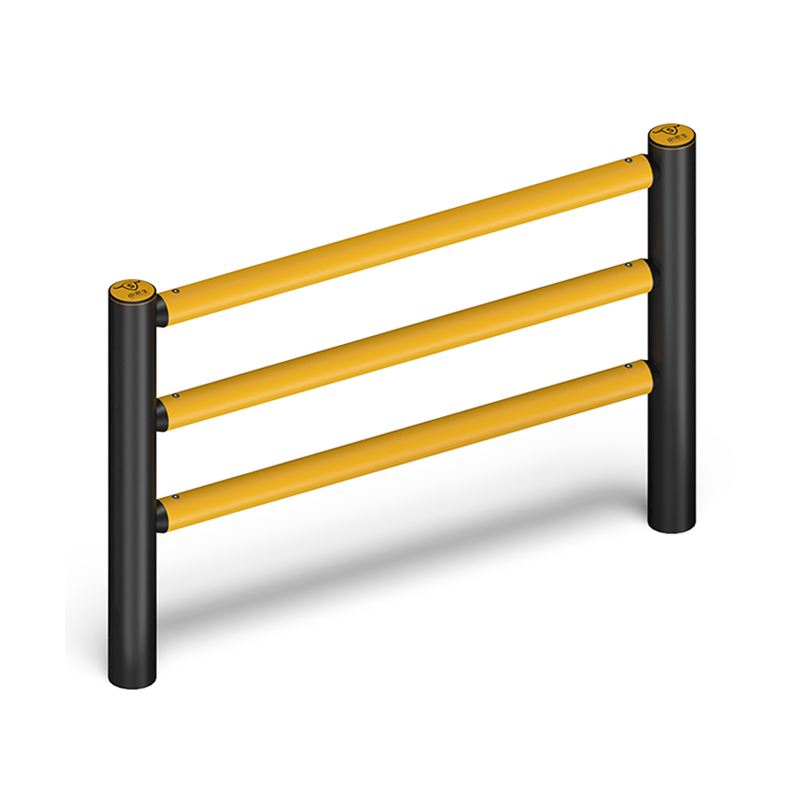
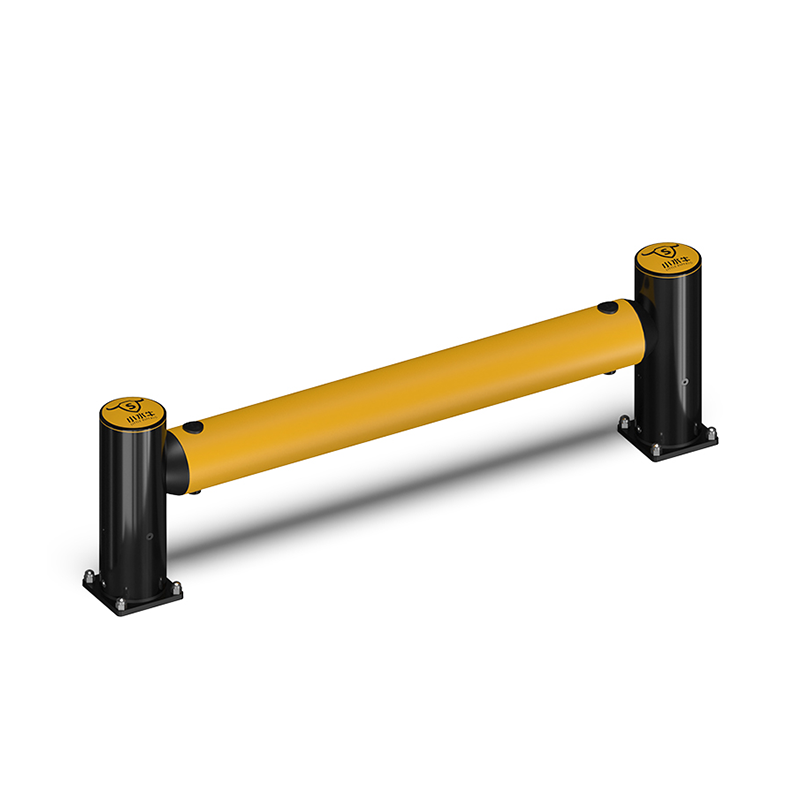
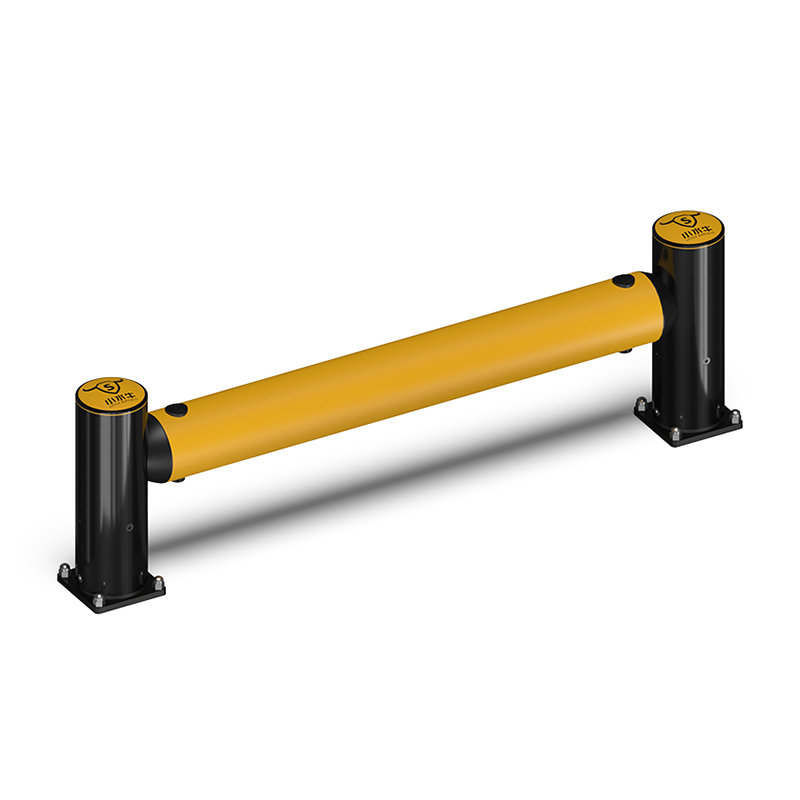
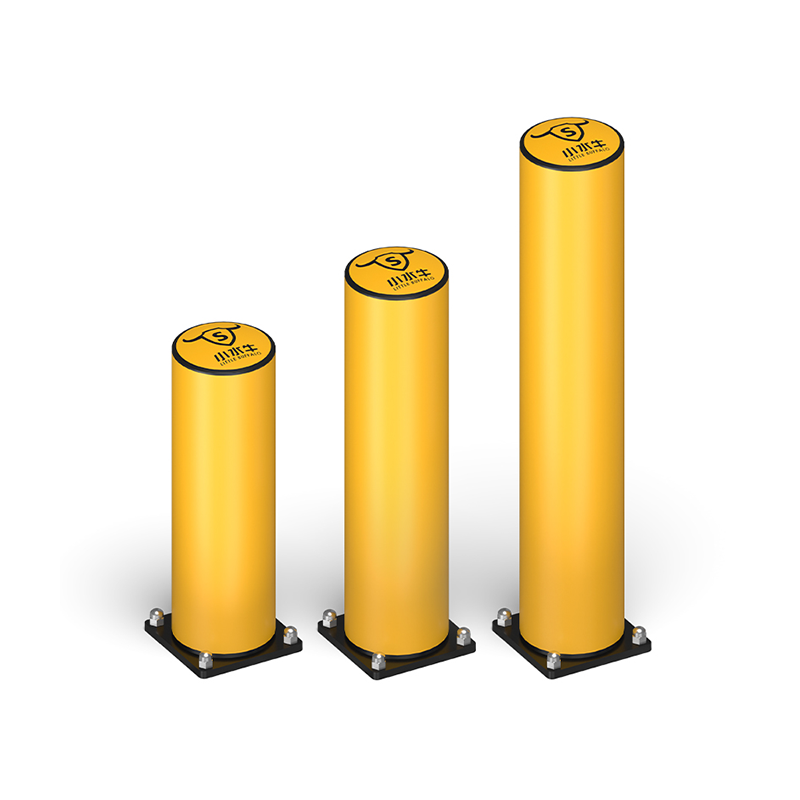
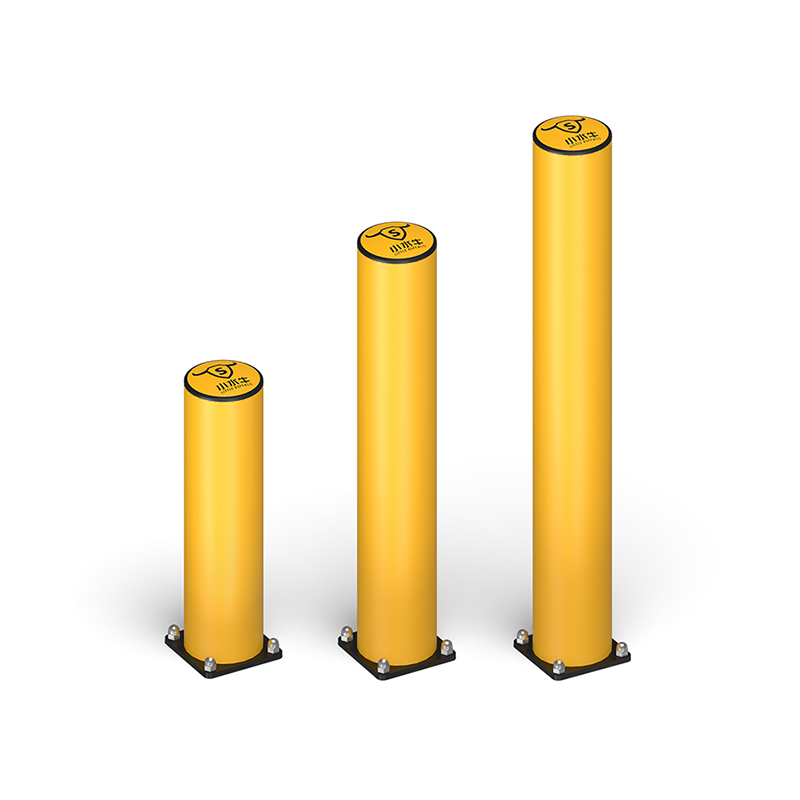
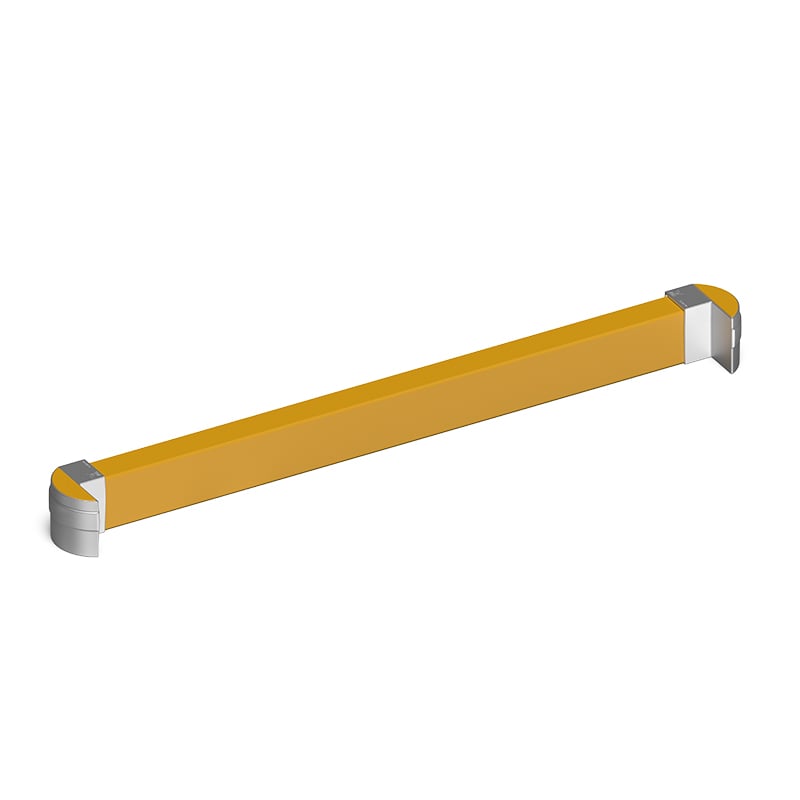
These collision protection solutions pair flexible bollards that shield individual columns and machine corners with guardrails that cover longer rack lines and walkways. Because each unit installs independently, a site can add coverage as budget allows rather than funding a full fit-out at once. Polymer components with self-recovering properties bend under forklift impact and return to shape, extending service life.
Capital constraints rarely allow a single large purchase. Phasing protection across two or three budget cycles spreads cost and lets early results justify later spend. A distribution center might first secure rack ends and dock doors, then add pedestrian segregation in the next quarter. Phased collision protection solutions keep safety progress visible without breaking approval limits.
Purchase price is only part of the cost story. A damaged rack upright can halt an aisle for days, and a struck machine may stop a production line. Counting downtime, labor, and replacement parts reveals the true expense of weak protection. Collision protection solutions should be judged by lifecycle cost, not the number on the first quote, because durable systems prevent repeated emergency repairs. Selection should reflect OSHA 29 CFR 1910.178 and ISO 45001 frameworks.
The purchase price misses downtime, labor, and replacement parts that reveal the true expense of weak protection. Total-cost-of-ownership thinking shows a slightly higher upfront spend on durable flexible barriers costs far less than repeated steel repairs. Procurement teams should request lifecycle estimates before approving a purchase.
Engineering polymer absorbs up to 90 percent of forklift impact energy and springs back after bending. Unlike painted steel that dents and needs welding, polymer units survive many hits with minor inspection. Lower replacement frequency means fewer purchase orders, less labor, and smaller spare inventories. Over a five-year horizon, these savings often exceed the initial difference between cheap and quality protection. Facilities gain predictable budgets through collision protection solutions that recover across demanding environments.
A realistic case shows how the method works under real constraints. The example below follows a regional distribution center that needed protection across a busy floor while holding to a fixed capital envelope approved by finance.
A regional distribution center with a tight capital envelope needed protection across a busy 40,000 square meter floor. Management feared the project would exceed the approved budget. The team began with a risk walk that flagged three zones: a high-traffic rack-end corridor, a narrow pedestrian walkway beside the loading dock, and a congested bend where forklifts met pallet jacks. They ranked these by daily exposure and injury potential, then allocated the first tranche of funds to the two highest-risk areas only.
Within the approved capital, the DC installed flexible guardrails at rack ends, bollards at the walkway edge, and column protectors at the congested bend. Six months later, reported near misses in those zones fell sharply and no asset damage required unplanned repair. Because the polymer units self-recovered from minor hits, maintenance stayed low. The visible success unlocked a second budget cycle to cover remaining lower-risk aisles, proving that disciplined prioritization delivers safety without overspending.
Budget limits should not block sensible safety investment. By mapping risk, choosing modular polymer systems, and weighing total cost of ownership, facilities protect people and equipment with confidence. The distribution center case shows that collision protection solutions succeed when teams rank hazards and spend where impact is greatest. Procurement leaders benefit from staging rollouts and inspecting assets on a schedule. Strong protection is achievable for any operation, regardless of capital constraints.
Frequently Asked Questions about collision protection solutions, cost-effective safety, affordable protection, budget barriers and safety ROI
Question
What is the first step for affordable protection in a low-budget safety upgrade?
Answer: Begin with a floor risk walk that maps forklift aisles, pedestrian routes, and rack-end lines. Rank zones by traffic frequency and potential impact severity, then fund the highest-risk locations first. Budget barriers in the form of modular polymer units let teams add coverage in phases, keeping spend inside capital limits. Early wins build the case for later rollouts without overspending on low-priority areas — the essence of cost-effective safety and a strong start for collision protection solutions.
Question
Why do flexible polymer collision protection solutions reduce lifetime cost?
Answer: Engineering polymer bends under impact and springs back, absorbing up to 90 percent of forklift energy. Unlike steel that dents and needs welding, polymer units survive repeated hits with only inspection. Lower replacement frequency cuts purchase orders, spare parts, and labor. Over a five-year horizon these savings typically exceed the initial price gap, making durable protection the lower-cost choice for busy industrial facilities — clear safety ROI and truly affordable protection compared with repeated steel repairs.
Question
How should a facility phase a budget barriers rollout?
Answer: Split the project across two or three budget cycles. Secure the most dangerous rack ends and dock doors first, then add pedestrian segregation and column guards later. Small batch installation during shutdowns limits disruption and lets early results justify further spend. Phased plans keep approvals simple and ensure continuous safety progress even when capital is constrained at the start of the program — a practical way to deliver cost-effective safety with budget barriers while building measurable safety ROI.
Question
Can collision protection solutions work for cold storage and docks?
Answer: Yes. Flexible polymer budget barriers perform across temperature ranges, making them suitable for cold storage, loading docks, and truck yards. Modular bollards and guardrails install on concrete without blocking sightlines, and self-recovering units handle frequent vehicle contact. Facilities use the same risk-ranking method to protect freezer aisles, dock doors, and pedestrian walkways while staying within approved budgets — proof that affordable protection and cost-effective safety extend to the toughest environments.
Question
Which standards guide collision protection solutions and budget barriers selection?
Answer: Relevant references include OSHA 29 CFR 1910.178 for forklift operation, ANSI/ITSDF B56.1 for truck safety, and ISO 45001 for occupational health management. Little Buffalo products carry TÜV certification and are made under ISO 9001 and ISO 14001 systems. Matching affordable protection to these frameworks helps procurement teams document compliance and choose collision protection solutions suited to each facility's traffic and hazard profile, while justifying cost-effective safety spend and long-term safety ROI.
 Hot News
2024-06-01
2024-06-25
2024-06-28
2024-09-09