EN

ABOUT US
- Shounan Street URban Industrial Park,YinZhou District,NingBo City, ZheJiang, CHINA.
- +86-15381988180
- [email protected]

Unplanned equipment failure can halt an entire production line within seconds, yet many facilities still treat protective hardware as an afterthought. A disciplined approach to industrial equipment protection combines flexible polymer barriers, guardrails, and bollards into a single coordinated layout. This guidance examines how integrated barrier design limits collision damage, shields machines, and trims costly stoppages across busy warehouses and factories. The financial return becomes clear once the true cost of a single impact is measured against the price of prevention. Most plants discover that the gap between reactive repair and planned prevention is wider than expected.
Effective industrial equipment protection begins with understanding what a single impact actually costs. When a forklift clips a machine upright or column, the visible dent is only the start; bent frames, misaligned drives, and sensor faults follow. Each hour of stalled output multiplies labor and penalty costs far beyond the repair quote. Secondary effects include expedited parts freight, overtime for maintenance crews, and missed delivery windows that damage customer trust. Preventing the first contact is therefore the most economical control available to any facility.
Consider a mid-size metal fabrication plant running three shifts with narrow aisles and mixed pedestrian and vehicle traffic. Forklift operators navigated tight lanes between CNC machines and rack uprights, and minor collisions occurred weekly. Maintenance logged recurring damage to column guards and control panels, while production supervisors absorbed repeated short stoppages that delayed customer shipments and eroded schedule confidence. The plant estimated roughly forty hours of lost output per quarter from these incidents alone, a figure that excluded scrap and rework triggered by jammed equipment.
Integrated industrial equipment protection relies on placing barriers exactly where impact risk concentrates, rather than scattering posts without a plan. Continuous lines and anchored ends create predictable behavior for both vehicles and people on the floor. The layout turns random collision exposure into a managed, inspectable system that supervisors can audit during daily walkthroughs.
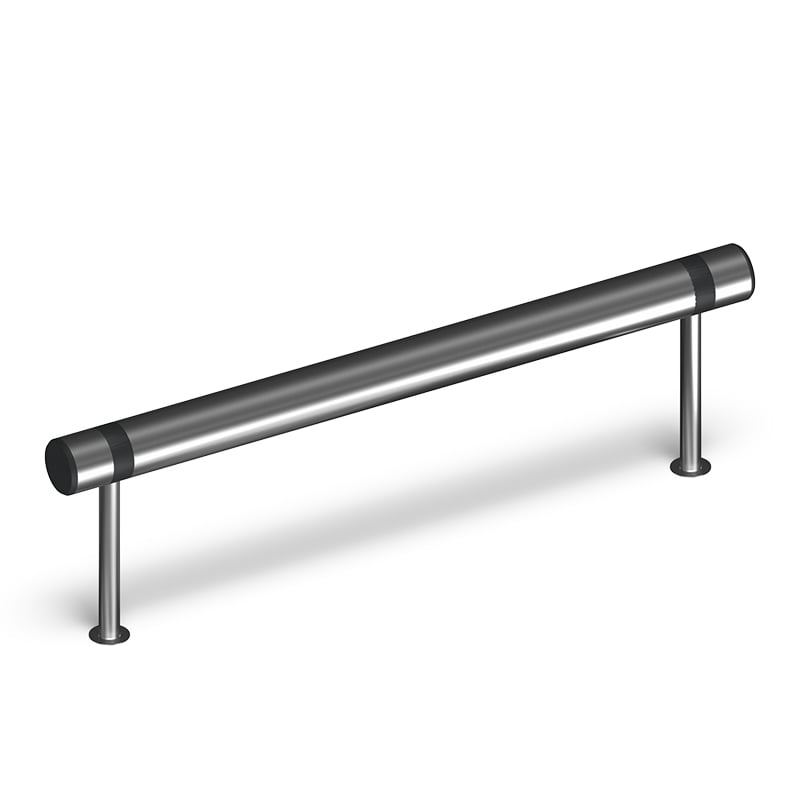
Integrated layouts separate people, vehicles, and machines using continuous lines rather than scattered posts. Perimeter barriers fence sensitive machinery, while aisle guardrails channel forklift traffic into predictable paths. This segregation reduces conflict points where collisions happen, keeping pedestrians clear of loading docks and protecting expensive assets from routine scrapes that gradually degrade structural integrity. This is the practical core of industrial equipment protection at floor level, because it removes the conditions that let small contacts escalate into major breakdowns.
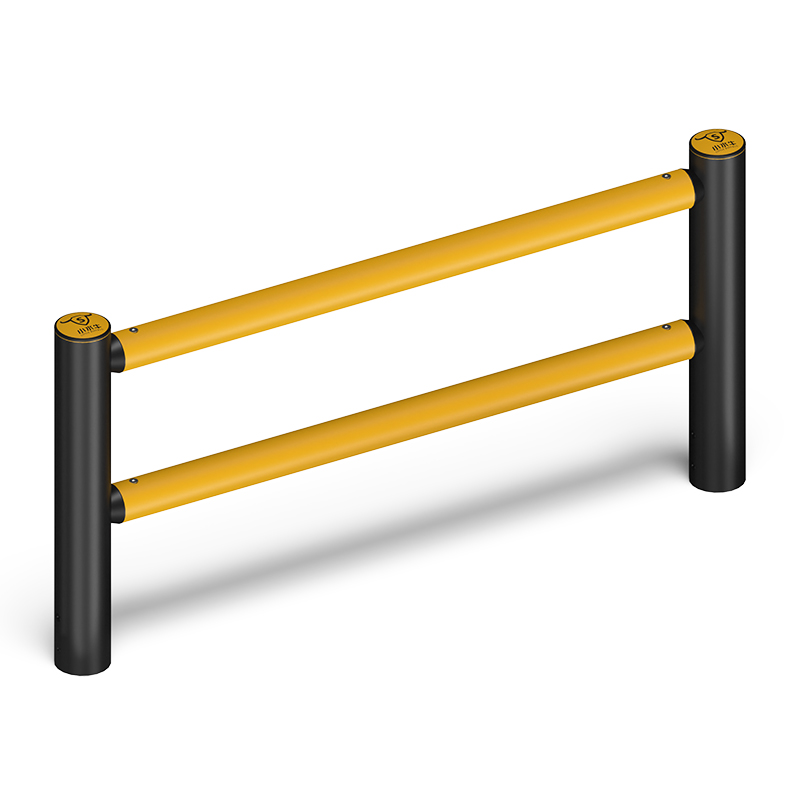
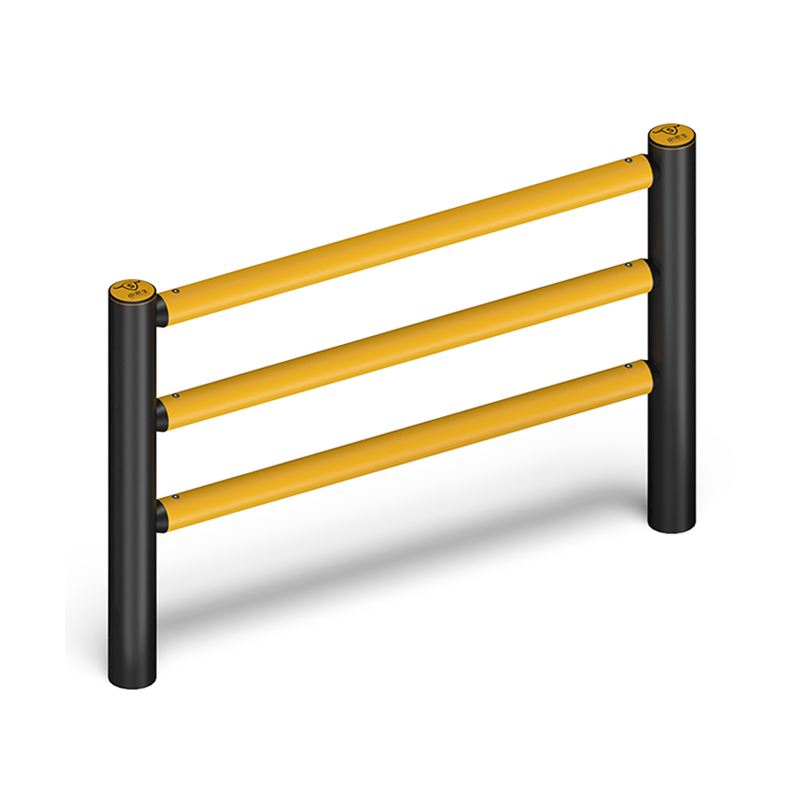
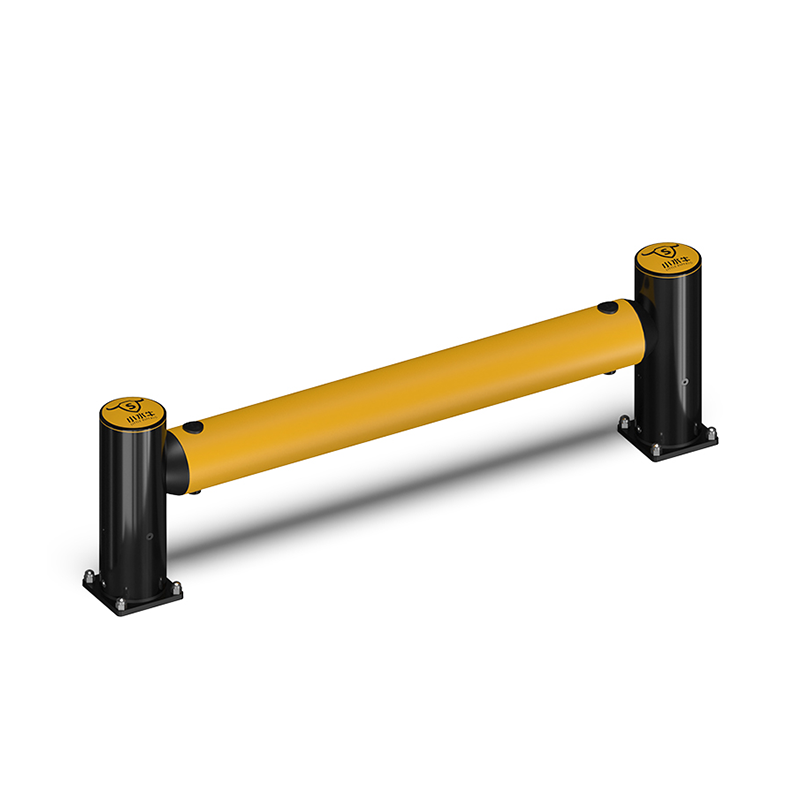
Little Buffalo flexible polymer barriers bend under impact and spring back to original shape, absorbing up to 90% of forklift impact energy before it reaches the protected asset. Unlike rigid steel rails that transfer force into the machine, the self-recovering material delivers controlled energy absorption and dissipates collision energy across the barrier body. This mechanism is central to durable industrial equipment protection, because the barrier survives repeated hits without replacement, avoiding the hidden fatigue cracks that rigid systems develop after a few severe knocks.
A useful system starts with a site survey: mark machine locations, rack rows, pedestrian walkways, and trailer maneuvering zones. Engineers then place flexible bollards at rack ends, guardrails along aisles, and protective screens near automated AGV paths. Zoning decisions should follow actual traffic flow, not generic templates, so each hazard receives proportionate shielding and inspection access stays clear. Documenting the survey also builds a baseline that makes future layout changes measured rather than ad hoc.
Modular polymer units install with SS304 fixings and powder-coated bases, letting teams reconfigure layouts as the facility evolves. Modular design keeps long-term industrial equipment protection affordable through simple part swaps. Routine inspection checks for deep scoring, base looseness, and mesh board deformation. A short maintenance log tracks impact events and replacement cycles, which keeps the protective system performing and supports ISO 9001 and ISO 14001 quality and environmental documentation. Trained staff can complete most inspections during scheduled shifts without halting production.
Standards turn industrial equipment protection from opinion into evidence that customers and insurers recognize. Documented layouts also simplify audits and training for new operators entering the floor. When protective measures map to known references, the business can defend its asset strategy during tender reviews and insurance renewal discussions with concrete, repeatable proof.
Barrier programs gain credibility when aligned with recognized references. OSHA 29 CFR 1910.178 and ANSI/ITSDF B56.1 address forklift operation, while OSHA 29 CFR 1910.212 and ISO 14120 cover machine guarding. TÜV-certified polymer products and ISO 45001 occupational health management help demonstrate that the facility controls hazard exposure through verified, auditable protective measures. Procurement teams evaluating suppliers increasingly ask for this paper trail before approving capital spend on safety infrastructure.
Moving from reactive repair to planned prevention changes the financial picture of a plant. Consistent industrial equipment protection through integrated barriers lowers repair frequency, extends machine service life, and shrinks unplanned stoppages. The combined effect is measurable asset preservation: fewer collisions, steadier output, and a safer workplace where equipment and people operate without constant disruption. Over several quarters, the avoided downtime alone typically recovers the installation cost, turning the barrier program into a line item that protects profit rather than drains it.
What is integrated barrier design?
Answer: Integrated barrier design links perimeter fences, aisle guardrails, bollards, and rack-end protectors into one coordinated layout. Rather than scattering single posts, the system channels forklift traffic, separates pedestrians, and shields machines along continuous lines. This unified approach reduces collision points and makes industrial equipment protection predictable, repeatable, and far easier to inspect across the whole facility.
Why do flexible polymer barriers outperform rigid rails?
Answer: Rigid steel rails transfer collision force directly into the protected machine, often causing hidden structural damage. Flexible polymer barriers bend on impact and recover their shape, absorbing up to 90% of forklift energy. This self-recovering behavior lets a single barrier withstand many hits without replacement, lowering maintenance cost and keeping the protective line intact through daily warehouse and loading dock traffic.
How should a facility map barrier placement?
Answer: Begin with a site survey that records machine positions, rack rows, pedestrian walkways, and trailer zones. Place flexible bollards at rack ends, guardrails along aisles, and screens near automated AGV routes. Zoning should follow real traffic flow so each hazard gets proportionate shielding. Clear inspection access must remain, letting staff verify barrier condition without disrupting normal operations or production schedules.
Which standards support a barrier protection program?
Answer: Relevant references include OSHA 29 CFR 1910.178 for forklift operation, OSHA 29 CFR 1910.212 and ISO 14120 for machine guarding, and ANSI/ITSDF B56.1 for truck safety. TÜV-certified polymer products and ISO 45001 occupational health management add audit value. Aligning the layout with these documents helps a facility demonstrate verified hazard control to customers, insurers, and internal safety reviewers.
Can barrier integration reduce long-term maintenance cost?
Answer: Yes. Integrated layouts prevent the first contact that causes bent frames, sensor faults, and column damage, so repair crews handle fewer emergency jobs. Self-recovering polymer units need only periodic inspection rather than frequent swap-outs. Over a year, fewer collisions mean lower parts spend, steadier output, and reduced administrative load, delivering measurable savings without compromising worker or asset safety.
 Hot News
2024-06-01
2024-06-25
2024-06-28
2024-09-09