 EN


ABOUT US
- Shounan Street URban Industrial Park,YinZhou District,NingBo City, ZheJiang, CHINA.
- +86-15381988180
- [email protected]

Effective industrial traffic management separates people and powered equipment before an incident happens. On a busy plant floor, forklifts, pallet trucks, and pedestrians share the same square footage, and that overlap drives most warehouse injuries. A managed plan turns guesswork into a repeatable system built on layout, markings, and rules that everyone can follow without thinking twice.
Good industrial traffic management begins with measurement, not assumption. Walk the floor and map every forklift route, pedestrian doorway, loading dock, and rack aisle, then mark where they cross. Many facilities discover the busiest walk runs straight through the main vehicle lane. That single overlap causes most near-misses. The fix is rarely more hardware; it is better segregation. Little Buffalo engineers often trace real movement patterns before recommending any product, because the drawing never tells the whole story.
Once the map exists, assign space with intent. Strong industrial traffic management keeps pedestrian routes along walls and perimeter walks instead of cutting across the center where trucks turn. Where a walk must cross a lane, use a marked crossing with clear sightlines on both sides. Vehicle lanes get a fixed width based on the largest truck plus its load. Keeping these zones apart reduces conflict points and shortens the distance people spend exposed to moving equipment during a normal shift.
Hardware fails without behavior. Good industrial traffic management pairs physical segregation with written rules covering speed limits, horn use at intersections, right-of-way, and no-walk zones during peak shifts. Post the rules at entrances and repeat them in induction training. Sites that combine barriers with enforced rules see fewer incidents than sites that install hardware alone. The plan only holds when operators, visitors, and workers trust and repeat it every single day on the floor.
Paint and tape are the lowest-cost control and the first thing people read. Yellow defines vehicle paths, white marks fixed storage, and red or black-yellow hazard lines warn of danger. Keep lines wide and refreshed, because faded marking reads as permission to drift. Color coding also helps temporary staff and visitors who have never seen the site, turning an unfamiliar floor into a self-explaining map that guides behavior without a word spoken. Review the scheme each quarter and after any new machine arrives, because a layout that no longer matches real flow quietly loses its authority.
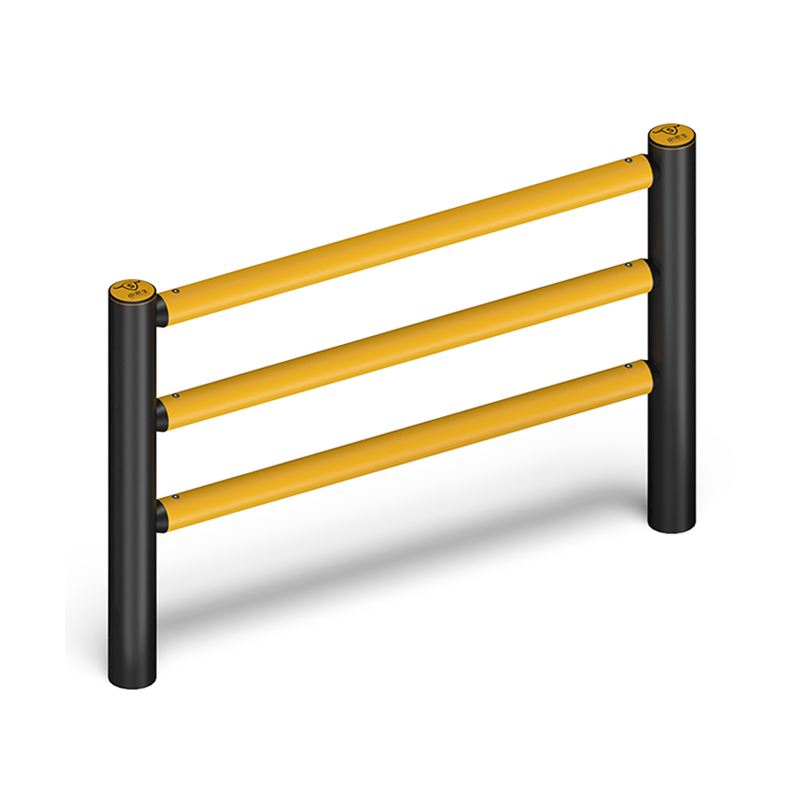
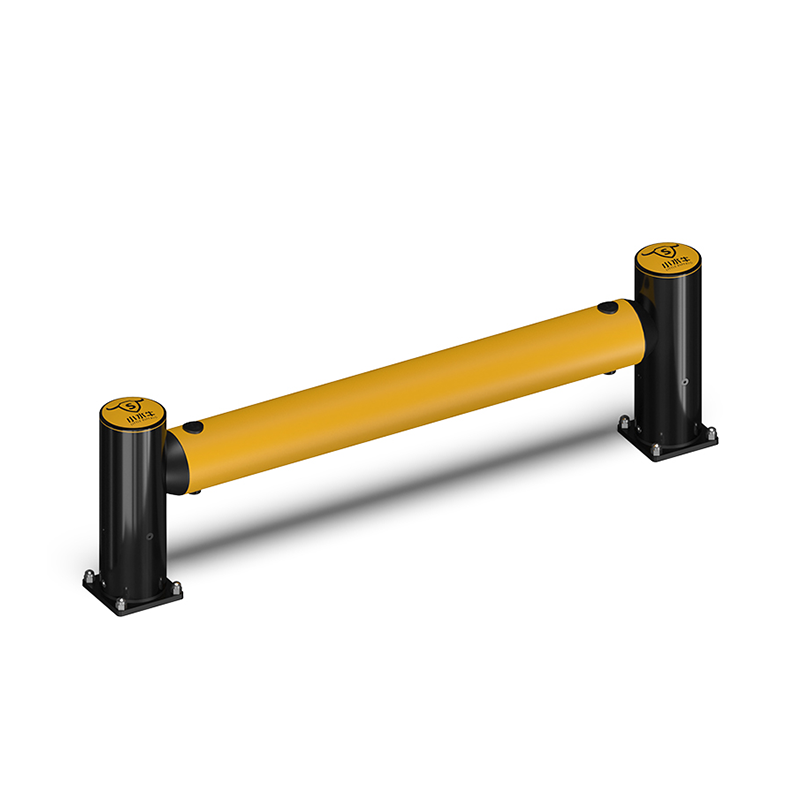
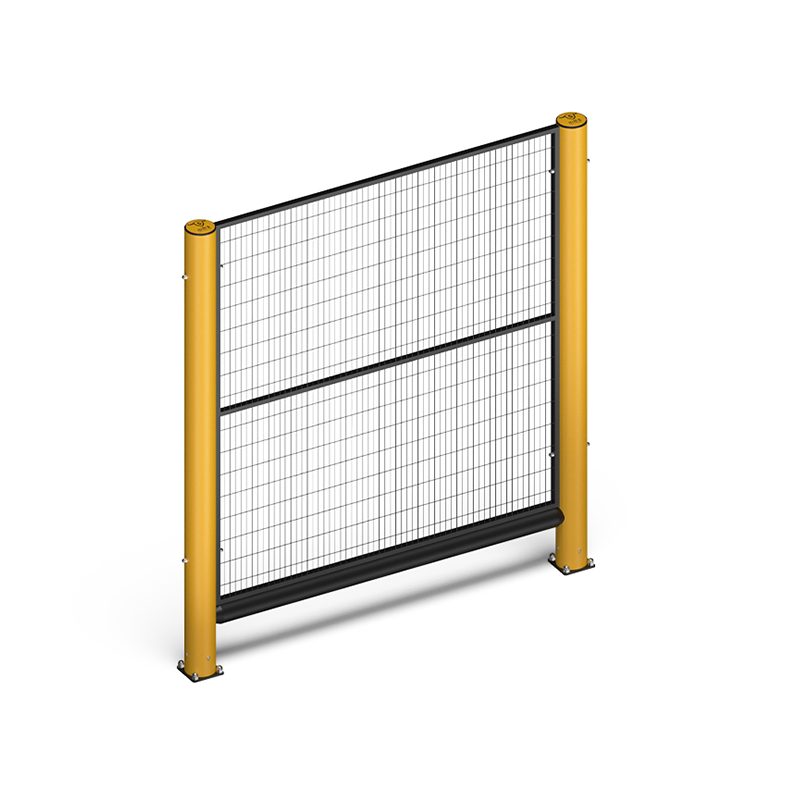
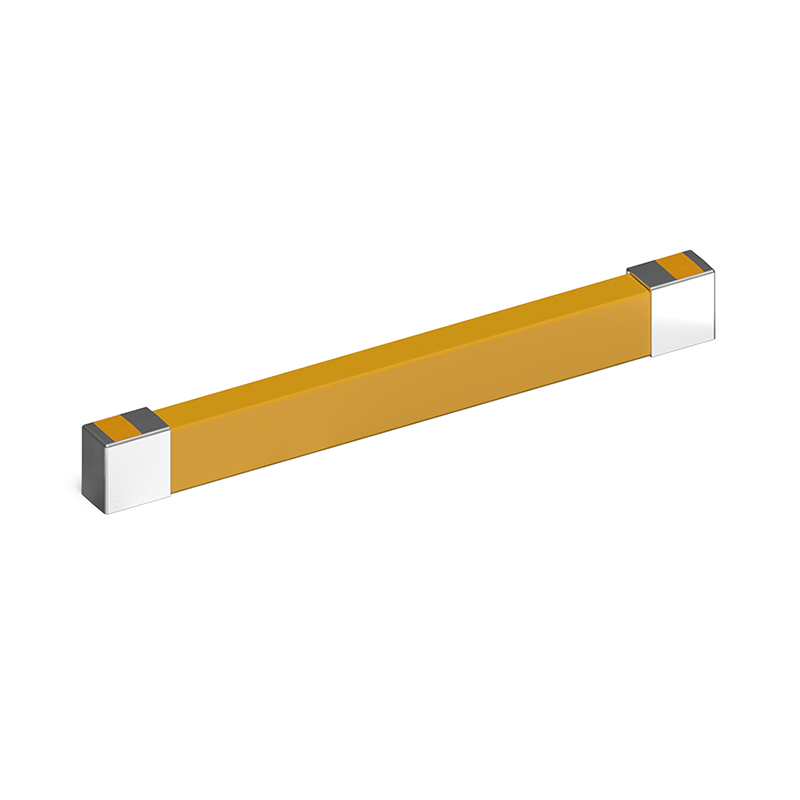
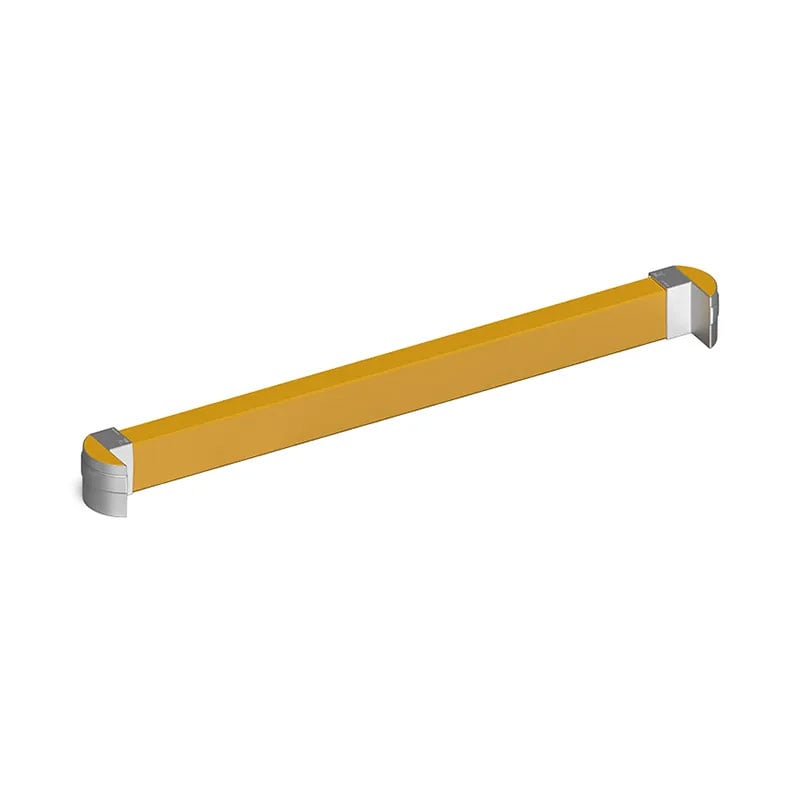
Where lines are not enough, add physical protection. Little Buffalo flexible polymer safety barriers and bollards bend under forklift impact and springs back to shape, so they provide energy absorption instead of transferring force to a person or a rack. A rack-end protector can take up to 90% of impact energy, shielding product and people at once. Flexible guardrails steer trucks away from pedestrian zones, while self-recovering posts survive repeated knocks that would destroy steel. TÜV-certified modular units mount fast and need little upkeep through the year.
Signs close the gap between marking and memory. Ceiling-hung boards, floor arrows, and mirrored corners at blind intersections tell drivers what paint cannot. Use consistent symbols so a first-time visitor reads them at a glance. Combine signs with good lighting and clean sightlines, because a warning nobody can see gives no protection. Review sign placement after any layout change so the cues stay matched to the way people and trucks actually move.
A regional distribution center ran fourteen trucks across one shared floor, with office staff walking to the canteen through the same aisle. In one quarter they logged nine near-misses and two minor injuries. The root cause was not reckless driving but a floor with no fixed pedestrian route and a loading dock opening onto the main walk. The site redrew the floor: a perimeter pedestrian walk separated from truck lanes by flexible guardrails, a signed crossing at the canteen door, and bollards protecting the dock edge. Within three months, reported conflicts dropped sharply and no further injuries occurred. The polymer barriers absorbed several impacts without downtime, proving that industrial traffic management succeeds through layout and discipline rather than through blame or luck.
A traffic plan decays without care. Weekly checks confirm markings stay visible, bollards stand straight, and signs face the right way. Log damage after any collision and replace bent posts before they become gaps. Procurement teams should expect alignment with OSHA 29 CFR 1910.178 for powered trucks, ANSI/ITSDF B56.1, and ISO 3691 for industrial trucks, with ISO 45001 guiding the wider OH&S system. Buy barriers rated for the actual truck weight and speed; flexible polymer suits indoor aisles and cold storage, while steel fits outdoor yards. Sound industrial traffic management schedules maintenance into the plant calendar, not as a reaction to failure. A simple inspection card per zone keeps responsibility clear and the separation honest year after year.
A managed floor is a competitive floor. Industrial traffic management works as a system: audit the site, separate routes with markings and flexible barriers, enforce clear rules, and inspect on a routine. The distribution case proved that fewer conflict points mean fewer injuries and less downtime. Little Buffalo supports each step with self-recovering polymer protection built for real warehouse impact, helping facilities keep people and equipment moving safely in the same space.
Frequently Asked Questions about industrial traffic management, forklift traffic, pedestrian routes, traffic segregation and facility flow
Question
What does a industrial traffic management plan include?
Answer: A complete industrial traffic management plan pairs physical controls with behavior. Floor markings show where trucks and people belong, flexible barriers and bollards protect exposed edges, and signs reinforce the layout. Written rules set speed, right-of-way, and no-go zones. Industrial traffic management works only when marking, hardware, and training support each other on the same floor every shift — the foundation of safe forklift traffic and clear pedestrian routes.
Question
Why separate forklift traffic and pedestrian routes?
Answer: Traffic segregation removes the moment where a moving truck and a person occupy the same space at the same time. Fixed pedestrian routes cut the number of crossing points, which is where most collisions start. With clear lanes and protected walks, drivers anticipate paths and workers stay out of the danger arc. Fewer crossings mean fewer chances for a near-miss to become a recordable injury on the floor — the core purpose of traffic segregation in any facility flow plan.
Question
How do flexible polymer barriers support industrial traffic management?
Answer: Polymer barriers bend under impact and spring back to shape, so they absorb energy instead of transferring it to a person or a rack. A rack-end protector can take up to 90% of forklift traffic impact energy. Unlike rigid steel that dents or breaks, self-recovering posts survive repeat knocks and stay in line. That resilience keeps protected zones intact and reduces the downtime that follows a damaged guard or injured worker — a practical tool for traffic segregation and reliable pedestrian routes.
Question
Where should floor markings be refreshed most in a facility flow plan?
Answer: Refresh markings wherever trucks turn, at every intersection, and along any shared crossing between people and vehicles. These are the points where paint wears fastest and guidance matters most for forklift traffic. Dock doors, rack aisles, and canteen routes need the closest watch. A faded line reads as permission to drift, so a monthly check with a simple repaint schedule keeps the floor honest and the traffic segregation clear for every shift, protecting pedestrian routes across the facility flow.
Question
Can a small site benefit from a managed industrial traffic management plan?
Answer: Yes, smaller sites gain the same safety return with less space to fix. A compact floor often mixes people and trucks in one aisle, so a few bollards and one marked walk remove most risk — targeted traffic segregation with clear pedestrian routes. Cost stays low because the facility flow plan uses fewer modules and simpler rules. A short weekly inspection keeps the layout honest when forklift traffic routes are fixed and everyone follows the same lines.
 Hot News
2024-06-01
2024-06-25
2024-06-28
2024-09-09
