 EN


ABOUT US
- Shounan Street URban Industrial Park,YinZhou District,NingBo City, ZheJiang, CHINA.
- +86-15381988180
- [email protected]

Every industrial site where forklifts, automated guided vehicles, and pedestrian traffic share floor space faces daily impact hazards that erode equipment and threaten workers. A structured anti-collision protection plan turns scattered protective measures into a coordinated system that reduces equipment damage, worker injury, and unplanned downtime across the operation. This guide walks through a practical, phased method any plant can adopt, supported by a realistic mid-size manufacturing rollout that kept costs controlled while lowering exposure.
The foundation of any effective program is a thorough safety assessment that maps where collision risk actually concentrates before money is spent on hardware.
Begin by walking the entire floor with operations and safety staff to record every forklift route, pedestrian walkway, loading dock entry, and intersection where vehicles cross foot traffic. Mark fixed hazards such as rack uprights, machine corners, columns, and electrical panels that sit within reach of moving equipment. A simple sketch or digital layout captures the baseline before any product selection begins, and this sketch becomes the reference map for the entire anti-collision protection plan, ensuring later choices target real exposure.
Rate each identified hazard using two axes: how often a vehicle passes near it and how severe an impact would be. High-traffic rack ends beside narrow aisles deserve priority over rarely used corners. This scoring method, aligned with OSHA 29 CFR 1910.178 guidance for powered industrial trucks, helps allocate budget to the locations that generate the greatest exposure first. Documenting a ranked register keeps the assessment defensible during audits and supplier discussions.
The scoring method, aligned with OSHA 29 CFR 1910.178 guidance for powered industrial trucks, helps allocate budget to the locations that generate the greatest exposure first. Documenting a ranked register keeps the assessment defensible during audits and supplier discussions, and building the anti-collision protection plan on this ranked data prevents budget waste on low-risk corners.
With risks ranked, the next phase establishes physical and visual separation between people and vehicles so that daily movement no longer forces constant conflict.
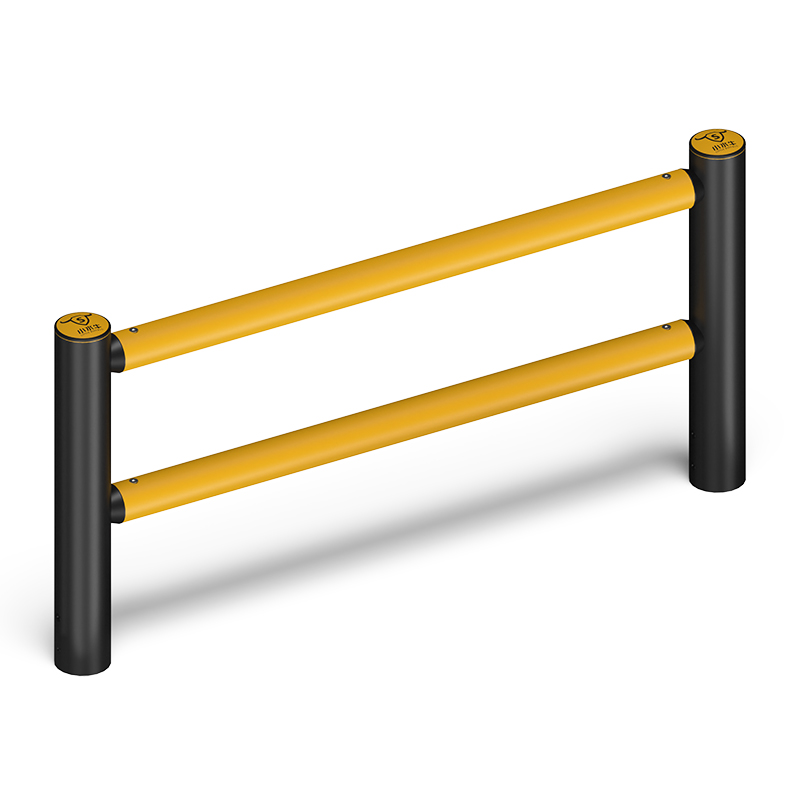
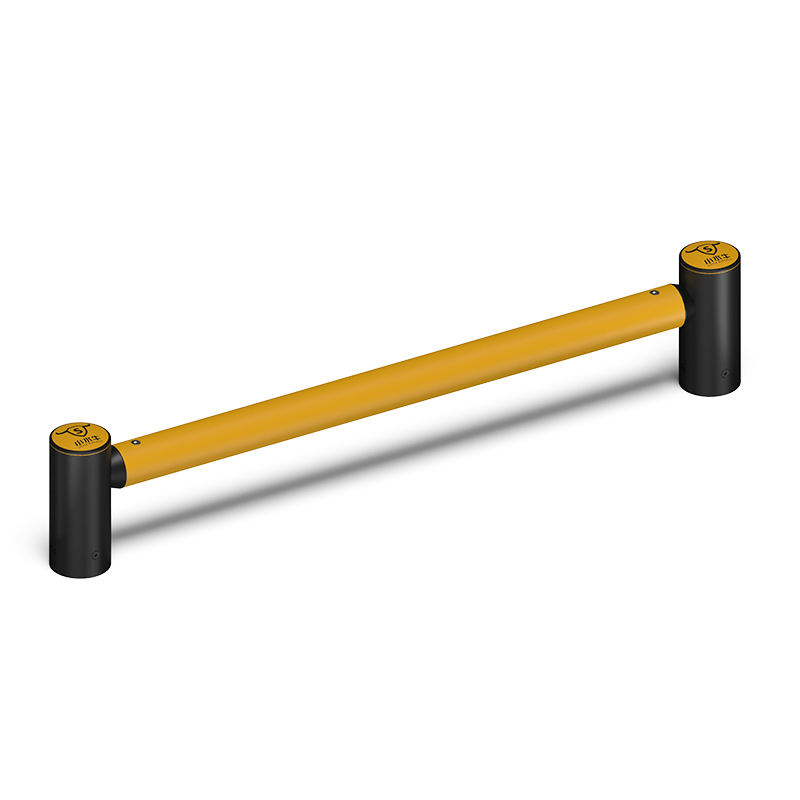
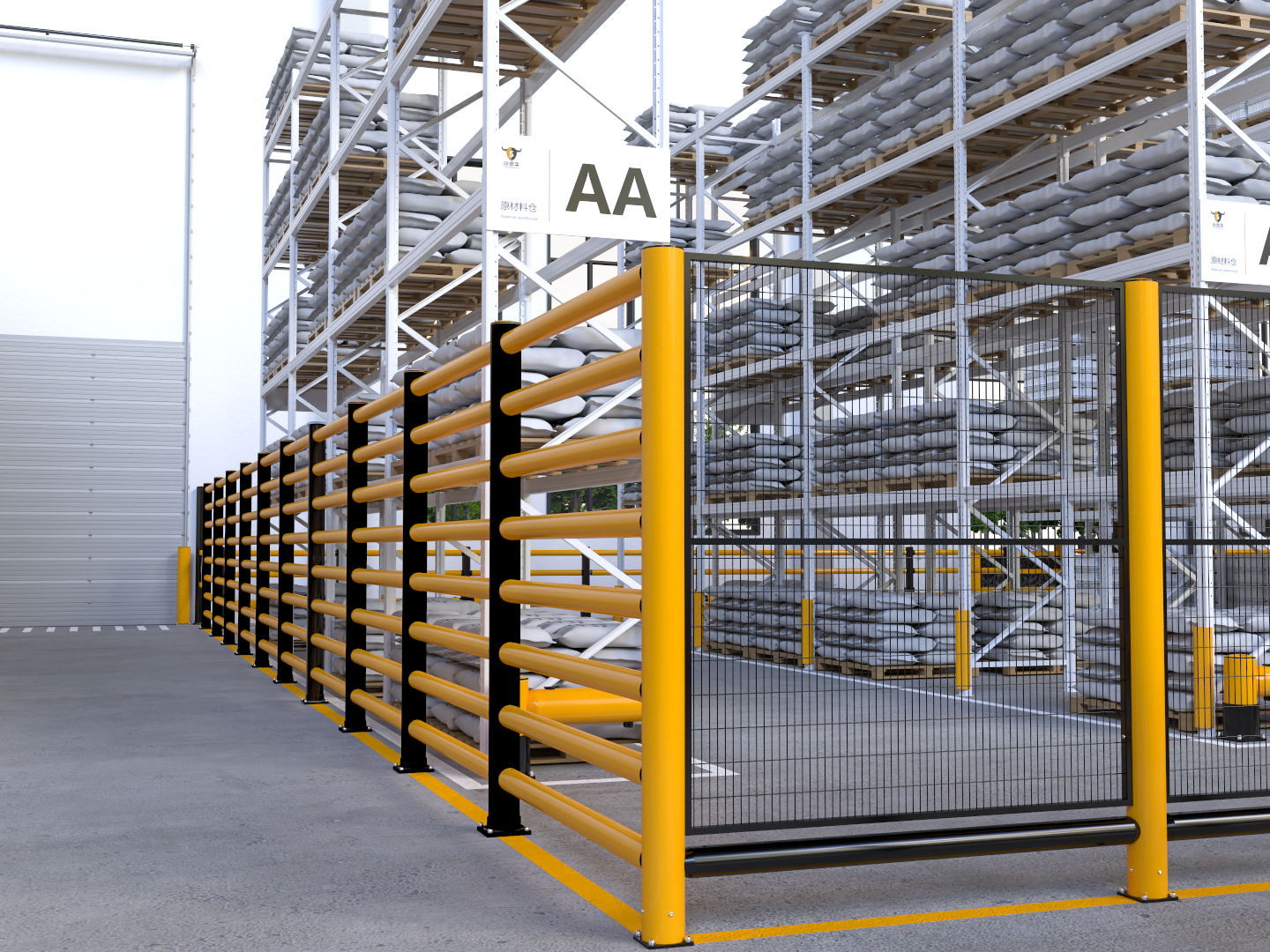
Use floor markings, barriers, and signage to create dedicated pedestrian lanes separated from forklift aisles. Flexible guardrails and self-recovering polymer bollards form a visible, forgiving boundary that survives minor contact without permanent deformation or sharp debris. Segregation reduces conflict points where collision risk peaks and supports traffic management objectives across busy warehouses, and this step is central to any anti-collision protection plan that aims to separate people from vehicles.
Protect rack ends, machine perimeters, columns, and loading dock edges with dedicated protective elements placed where asset value meets traffic density. Flexible barriers built from engineering polymer absorb up to 90% of forklift impact energy and spring back to shape, limiting structural damage and downtime after a strike. Zoning concentrates protection where it matters most, so a modest number of units shields the highest-value equipment instead of spreading thin across low-risk corners with little return.
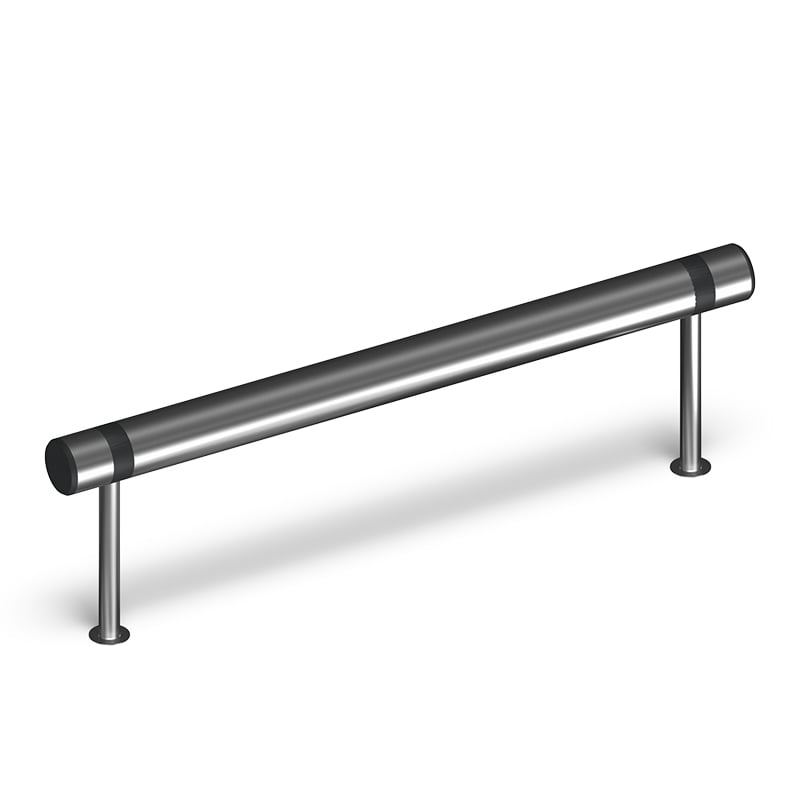
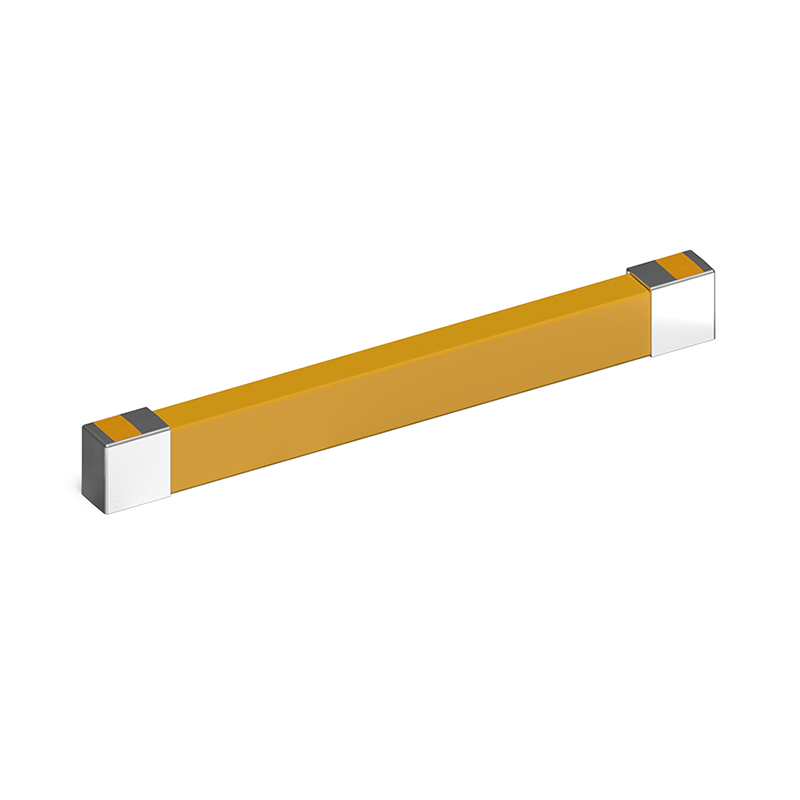
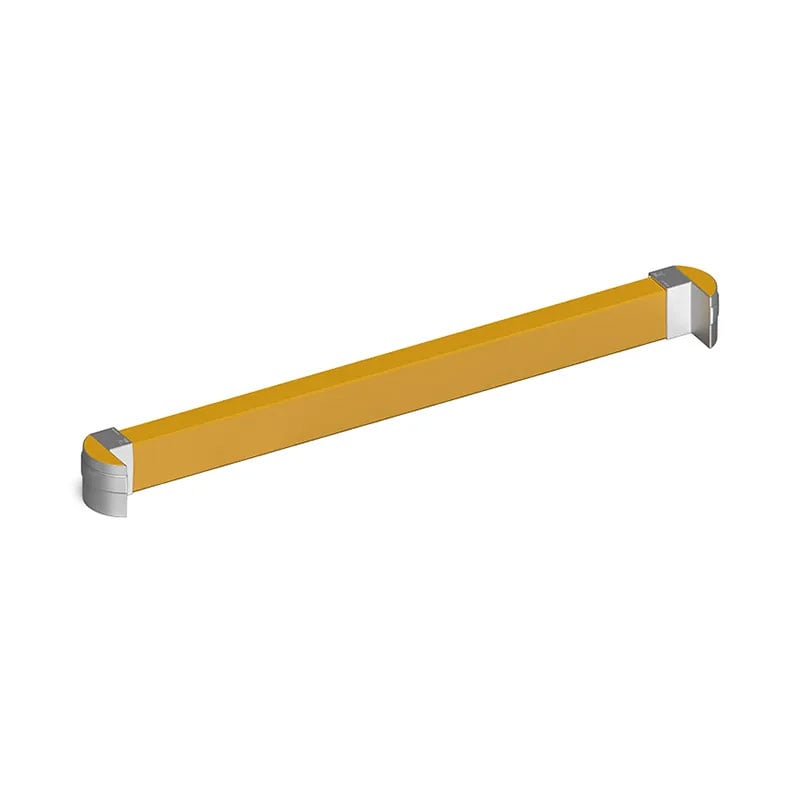
Light pedestrian routes need flexible bollards, while high-energy rack-end exposures call for heavy-duty guardrails with cast metal ends and powder-coated steel bases. Cold storage and clean-room areas demand rust-free SS304 fixings and materials that tolerate temperature swings without cracking. Little Buffalo Technology supplies TÜV-certified polymer solutions across these categories for global warehouses, factories, and logistics sites seeking tested performance and consistent installation dimensions from one source. Specifying the right unit is a core task within an anti-collision protection plan because mismatched products leave dangerous gaps.
Self-recovering barriers reduce replacement cycles because they bend under impact and return to form instead of buckling or snapping. Modular units speed installation and let teams reconfigure layouts as operations change without ripping out fixed steel. Selecting items for a protection strategy grounded in documented energy absorption performance supports a defensible program rather than one built on marketing claims, and it simplifies future expansion when new lines or storage blocks arrive on the floor.
Deployment and upkeep determine whether the plan delivers lasting value or degrades into forgotten obstacles after the first quarter.
A mid-size plant in eastern China illustrates the approach well. The site ran 14 forklifts across 9,000 square meters with frequent rack-end strikes and rising repair bills. Management phased the anti-collision protection plan over three quarters: quarter one covered high-risk rack ends and loading docks, quarter two added pedestrian segregation, quarter three extended protection to machine perimeters and columns. Downtime from impact incidents dropped noticeably within months of each phase, and operators reported calmer, more predictable traffic on the busiest aisles.
Set a monthly inspection of all barriers, fixings, and floor anchors using a short checklist completed by shift supervisors. Replace any unit showing deep cuts, cracks, or loosened bases before failure occurs during a real strike. Training supervisors to log damage creates a feedback loop that keeps the safety assessment current as layouts shift. Regular maintenance preserves the energy absorption performance that protects both people and assets, and it extends the service life of every installed component across the site. Keeping the anti-collision protection plan active requires this discipline long after the initial installation ends.
A complete anti-collision protection plan succeeds when assessment, zoning, product selection, installation, and maintenance operate as one cycle rather than isolated tasks handled by different teams. The mid-size plant case shows that a phased rollout controls cost while steadily lowering collision risk across the floor and improving daily confidence among workers. Treat the plan as a living program, revisited each year against new layouts, equipment, and traffic patterns, so the facility stays protected as operations grow and change.
What is a coordinated collision protection program?
Answer: An anti-collision protection plan is a coordinated system that combines risk assessment, physical zoning, barrier selection, installation, and maintenance to reduce forklift and vehicle impact incidents. It moves a site beyond isolated guards toward a managed safety program. Effective plans document hazards, assign protection by severity, and review performance regularly to keep workers and assets secure against daily operational risks.
Why is a safety assessment necessary before installation?
Answer: A safety assessment reveals where vehicles and pedestrians actually meet and which assets face repeated impact during normal shifts. Without this baseline, teams install guards at guessed locations and leave high-risk rack ends exposed to strikes. The assessment ranks hazards by frequency and severity, directing budget to the spots that cause the most downtime and injury potential across the facility, improving overall return.
How many zones should a facility define?
Answer: Most facilities benefit from at least three zones: dedicated pedestrian routes, separated forklift aisles, and protected asset perimeters around racks, machines, and columns. Larger sites add loading dock and cold storage zones. The number depends on traffic complexity, not a fixed rule. Clear segregation lowers conflict points where collision risk concentrates during daily operations and material handling movements.
Can flexible polymer barriers replace steel guards?
Answer: Flexible polymer barriers suit locations with frequent low-to-moderate impacts because they absorb energy and recover shape, cutting replacement cost after minor contact. Steel guards remain useful where very high-energy or structural protection is required. Many sites combine both, placing polymer units at rack ends and pedestrian edges while reserving steel for heavy machine guarding zones that face severe, repeated impacts.
Where should inspection happen most often?
Answer: Inspection should concentrate on high-traffic rack ends, loading docks, and pedestrian segregation lines because these suffer the most contact from vehicles each day. A monthly walkthrough checking fixings, cuts, and anchor security catches damage before failure occurs. Supervisors should log findings so the maintenance cycle stays current and the overall protection strategy keeps performing as traffic patterns shift across the site.
 Hot News
2024-06-01
2024-06-25
2024-06-28
2024-09-09
