EN

ABOUT US
- Shounan Street URban Industrial Park,YinZhou District,NingBo City, ZheJiang, CHINA.
- +86-15381988180
- [email protected]

Modern warehouses and production plants face constant interaction between moving vehicles and people on shared floors. Flexible safety barriers provide a resilient line of defense that bends on contact and returns to form, protecting both workers and assets. Unlike rigid steel rails that deform permanently after a hit, these polymer-based systems absorb and dissipate collision forces without costly replacement. For facility managers weighing protection options, understanding the available types and where each fits helps build a safer, lower-maintenance site that meets modern operational demands.
Flexible safety barriers rely on engineering polymer compounds that yield under load and recover shape after impact. This self-recovering behavior keeps a guard functional after repeated forklift contacts that would crush a rigid post. The material's elastic memory means a struck unit springs back rather than staying bent, sustaining protection across a busy shift. Little Buffalo units pair this polymer core with cast metal ends and SS304 rust-free fixings for durable anchoring. The result is a protective element that survives daily traffic without frequent swap-outs, lowering lifetime cost. Selecting the right wall thickness and base profile matches the guard to expected vehicle mass and speed.
Flexible safety barriers excel at energy absorption, the property that distinguishes them from static steel defenses. Tested rack-end protectors from Little Buffalo absorb up to 90% of forklift impact energy, transferring far less force to stored goods and building structure. A collision that might crumple racking or damage machinery instead deforms the barrier temporarily and releases the load safely. This performance reduces repair bills and shortens incident recovery on the floor. Specifiers should match barrier rating to vehicle weight and traffic speed for predictable protection. Independent TÜV certification documents tested performance, giving buyers confidence during procurement and audit reviews.
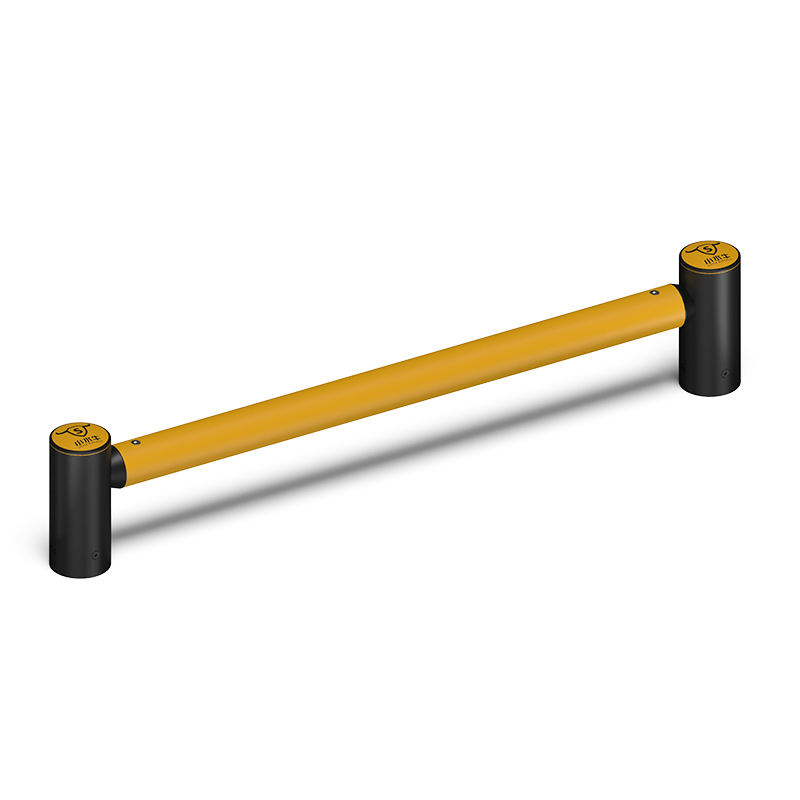
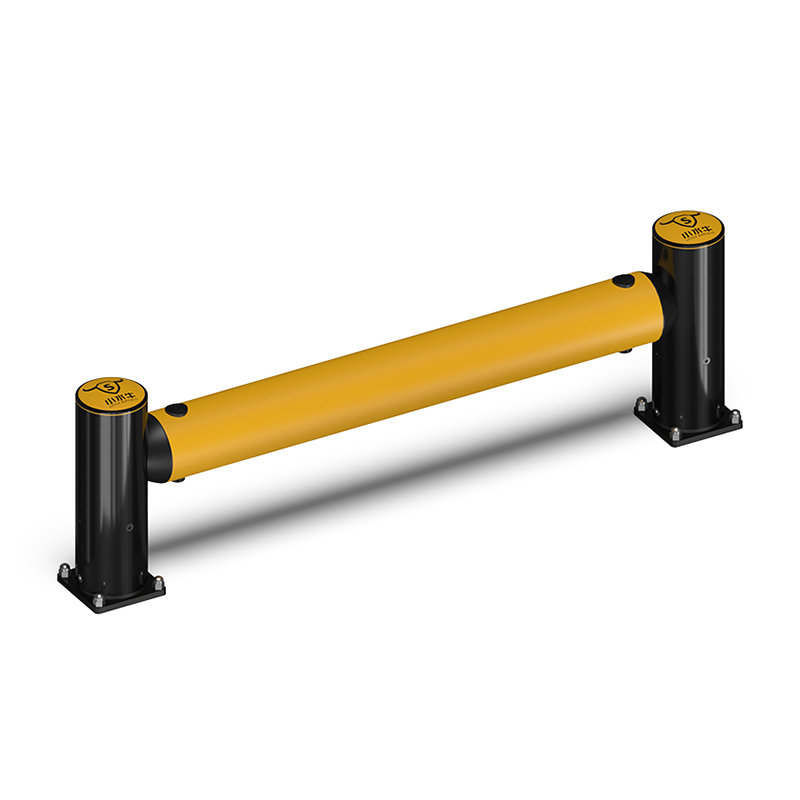
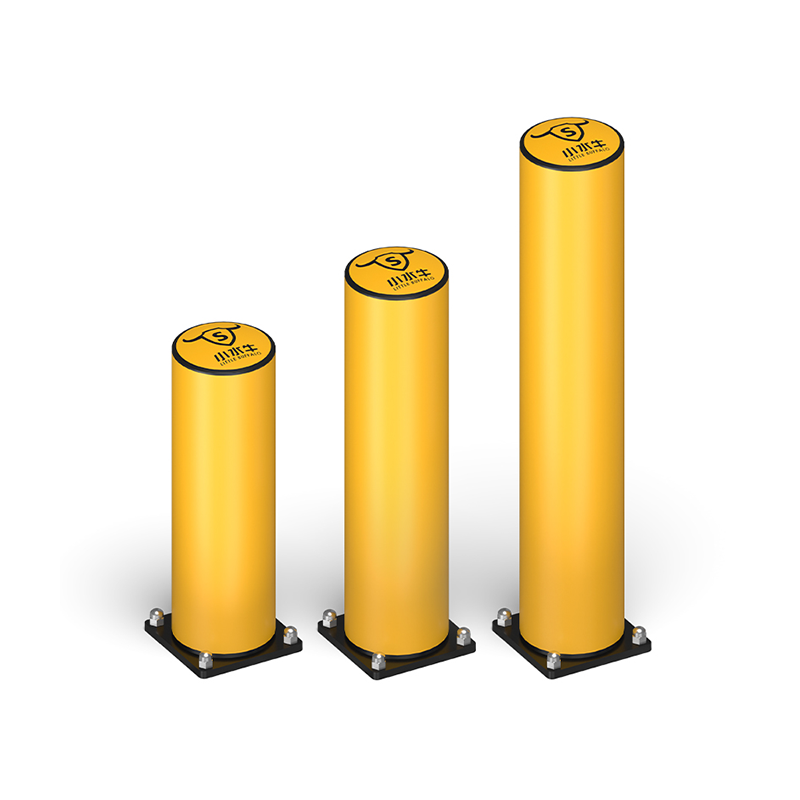
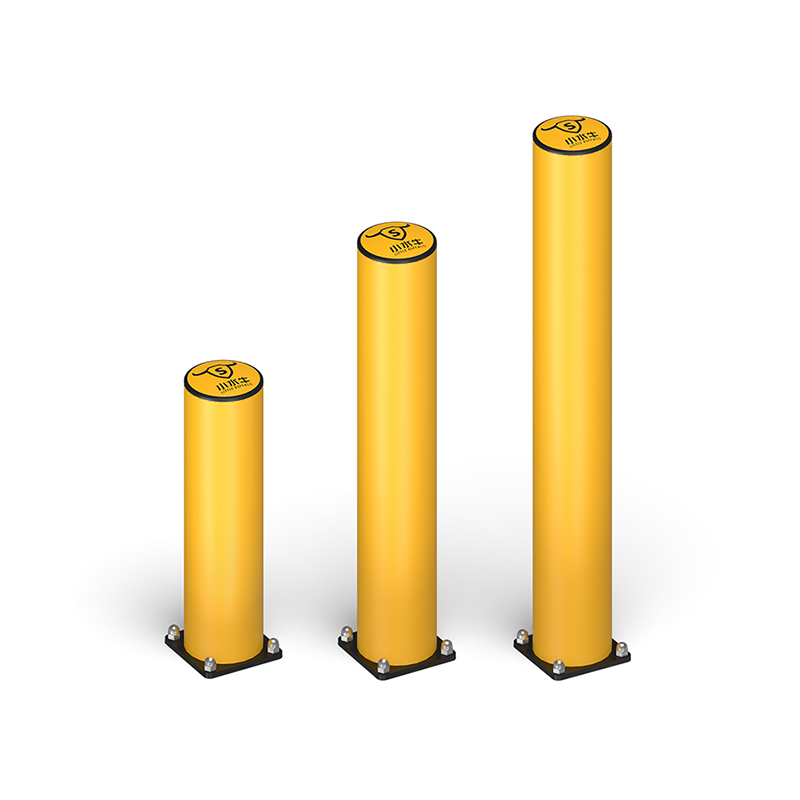
Flexible bollards mark routes and shield doorways, corners, and equipment edges from vehicle strikes. Guardrails built from the same polymer form continuous lines that separate aisles from work zones. Both install along pedestrian walkways and around sensitive machines, standing up to repeated bumps during daily operations. Their bright color improves visibility in dim warehouses and cold storage environments. Compared with steel posts, they need no repainting after minor hits and keep their protective height. Modular lengths let teams reconfigure layouts as processes change, supporting lean zoning without heavy civil work. Cast metal bases add stability where traffic is heaviest.
Uprights and rack ends suffer the most forklift damage in any storage area, making them a priority for protection. Flexible safety barriers at uprights wrap vulnerable columns, absorbing hits that would otherwise topple loads or bend frames. Column guards fit around structural steel to prevent costly building repairs after a stray pallet impact. These units are modular, clipping onto existing racking without major downtime for the operation. Mesh-board options add a larger shield face for high-traffic ends. Selecting the right height and base profile keeps protection aligned with real traffic patterns near aisles, reducing both damage and the risk of falling inventory onto workers below.
Flexible safety barriers cut the risk of halted operations by absorbing impacts that would disable rigid defenses. A single forklift strike can halt a line for hours and write off damaged racking, so resilience matters. Less replacement and faster recovery mean continuous operation and lower lifetime cost across the facility. In automated facilities with AGV traffic, resilient guards protect both vehicles and fixed infrastructure from costly contact. Maintenance teams report fewer emergency repairs after deployment, freeing labor for planned tasks rather than collision cleanup. Scheduled inspection of anchors keeps the system effective and avoids unexpected failures during peak shipping periods.
Flexible safety barriers create visible, physical routes that keep workers out of forklift lanes and machine perimeters. Clear segregation between people and vehicles is a foundational safety step in any workplace. This supports compliance with OSHA 29 CFR 1910.178 for powered industrial trucks and OSHA 29 CFR 1910.212 for machine guarding. TÜV-certified products and ISO 9001 manufacturing give buyers documented assurance of consistent quality. Regular inspection of fixings and bases sustains performance and demonstrates a managed safety program to auditors. Pairing barriers with floor marking and training builds a layered defense that reduces incidents and protects both staff and visiting contractors on site.
A regional distribution center moved high volumes of pallets with several forklifts sharing space with pickers on the same floor. Frequent near-misses at rack ends, machine corners, and crossing points prompted a formal safety review. The site mapped hazard zones where pedestrian and vehicle paths overlapped during peak shifts. Management sought a solution that would not require lengthy shutdowns or constant post-impact repairs, favoring resilient protection able to absorb routine contact. A risk assessment ranked each zone by traffic volume and historical incident data, setting priorities for the protective upgrade and justifying the investment to site leadership.
The team installed flexible safety barriers across three priority zones: pedestrian walkways, rack ends, and machine perimeters. Polymer bollards guided foot traffic, rack-end protectors shielded uprights, and guardrails buffered automated equipment from vehicle contact. Installation used powder-coated bases anchored to existing floors over a single weekend, avoiding production loss. Within months, reported collisions dropped and damaged racking nearly disappeared across the site. Scheduled inspection kept the self-recovering units effective with minimal labor, confirming the approach's value for busy logistics operations. The project demonstrated that targeted, resilient protection delivers measurable safety gains without disrupting throughput.
What materials are used to make flexible barriers?
Answer: Flexible barriers use engineering polymer compounds that bend on impact and recover shape afterward. Many designs add cast metal ends and SS304 rust-free fixings for stable anchoring to concrete floors. Powder-coated steel bases provide extra mass where traffic is heavy. The polymer core delivers the self-recovering performance, while metal parts handle load transfer and corrosion resistance. This combination suits warehouses, cold storage, and docks exposed to repeated vehicle contact.
Why choose flexible barriers over rigid steel rails?
Answer: Rigid steel rails deform permanently after a forklift strike and need replacement, raising cost and downtime. Flexible designs absorb the hit and spring back, staying protective through repeated contact. They avoid repainting and reduce emergency repairs across the facility. For sites with high traffic and mixed pedestrian routes, the resilient option lowers lifetime expense while keeping protection consistent. The trade-off is selecting the right rating for vehicle mass and speed.
How are flexible barriers installed in an existing facility?
Answer: Most units bolt to existing concrete using powder-coated bases and SS304 anchors, so no major civil work is needed. Teams mark routes, drill fixings, and set bollards or guardrails in a planned sequence. Modular lengths let crews cover long aisles without custom fabrication. Installation often runs over a weekend to avoid production loss. After fitting, a first inspection confirms secure anchoring and correct spacing before the area reopens to traffic.
Where should flexible barriers be placed in a warehouse?
Answer: Flexible safety barriers belong at rack ends, column lines, pedestrian walkways, machine perimeters, and loading dock edges where vehicles and people cross. Priority goes to spots with history of near-misses or damage. Pedestrian guardrails separate foot traffic from forklift lanes, while rack-end protectors shield uprights. Mapping hazard zones by traffic volume helps target spend. Regular review keeps placement aligned with changing layouts and process flows.
Can flexible barriers help with safety compliance and certification?
Answer: Yes. Documented protection supports OSHA 29 CFR 1910.178 and 1910.212 requirements for truck and machine guarding, plus ISO 45001 occupational health goals. TÜV-certified products and ISO 9001 manufacturing give buyers auditable evidence of quality. Paired with floor marking and training, barriers form a layered defense that reduces incidents. Keeping inspection records demonstrates a managed program to auditors and insurers, strengthening the site's safety case without major capital outlay.
 Hot News
2024-06-01
2024-06-25
2024-06-28
2024-09-09