EN

ABOUT US
- Shounan Street URban Industrial Park,YinZhou District,NingBo City, ZheJiang, CHINA.
- +86-15381988180
- [email protected]

Choosing between protection systems is a recurring decision for plant managers. The debate of flexible barriers vs steel guardrails matters because the wrong choice raises repair bills and risk exposure across the site. This guide examines materials, cost, safety, and installation so buyers can specify with confidence and protect both people and equipment.
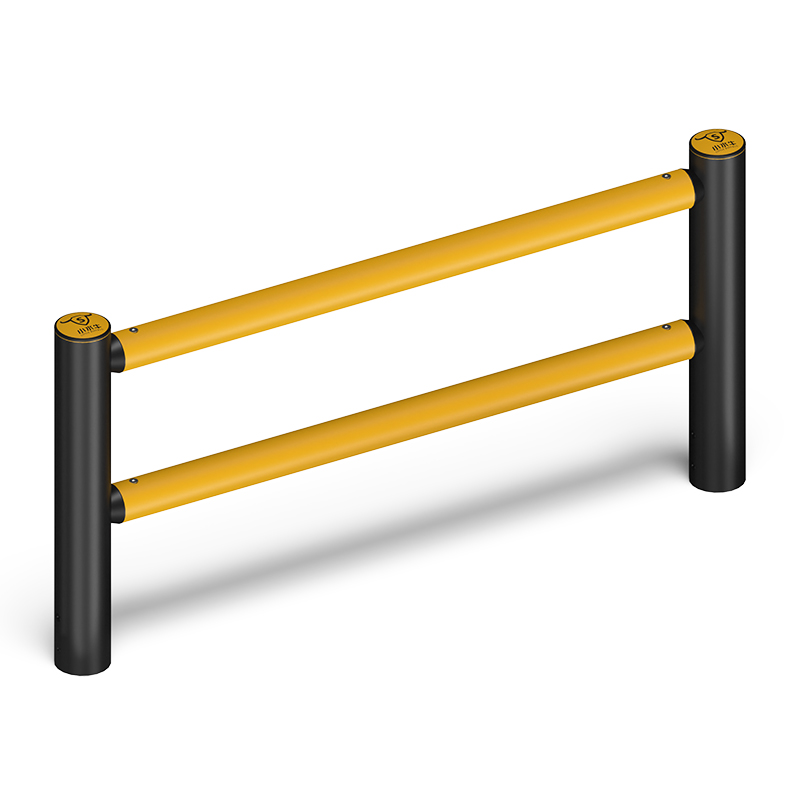
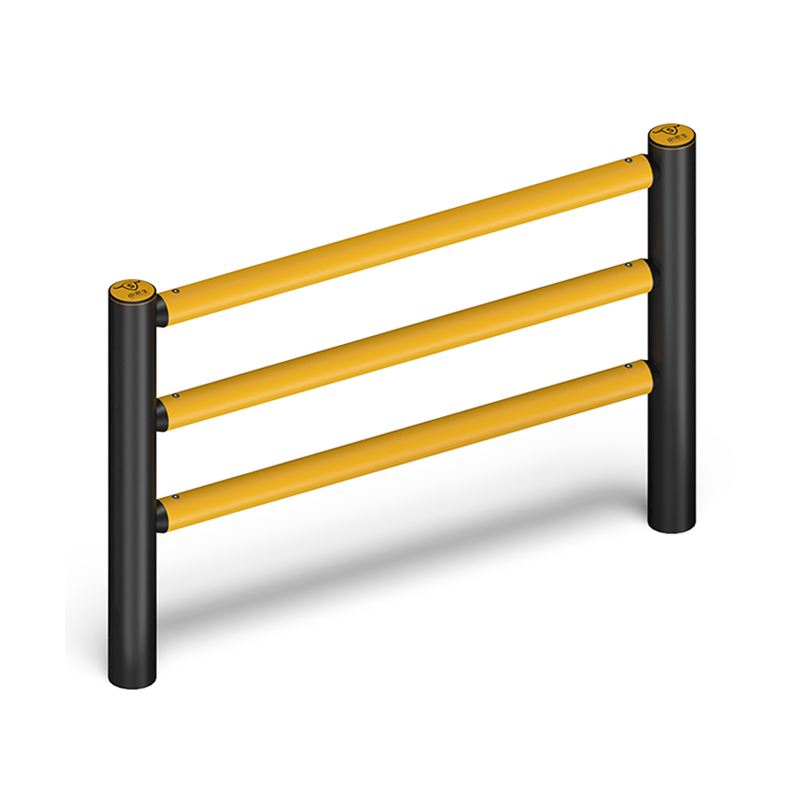
The core difference in flexible barriers vs steel guardrails starts with material behavior under load. A polymer barrier uses engineering plastic that bends when a forklift strikes it, then springs back to shape without permanent deformation. Energy absorption happens across the whole unit, lowering reaction forces on the vehicle and the floor anchor. Little Buffalo units carry TÜV certification and are built for repeated warehouse traffic where minor contact is routine.
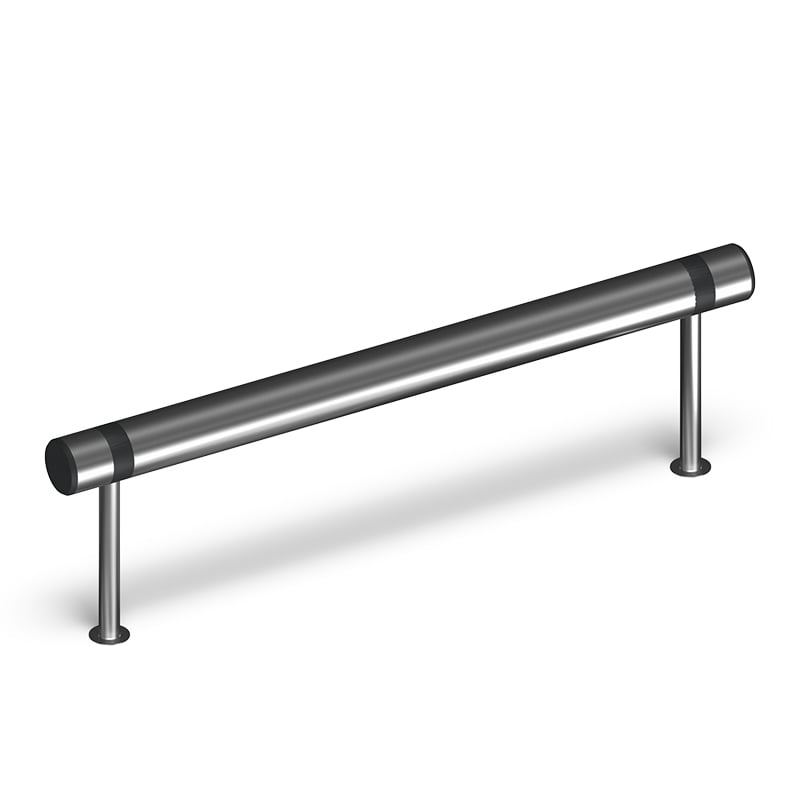
Steel guardrails rely on rigid strength. A single heavy hit dents or bows the rail, and the damage stays visible and structural. Repairs often mean cutting, welding, and repainting, which stops the aisle for hours and disrupts traffic. Where AGV loops or busy pallet routes run, the cumulative repair burden grows quickly. Steel still suits perimeter lines, but it does not recover after a bend. A bent rail also becomes a snag point for pallet jacks and a trip hazard near pedestrian lanes, which raises the chance of a secondary incident during recovery work.
When planners compare flexible barriers vs steel guardrails for a new site, the purchase price alone tells little about true cost. Each zone carries different impact frequency, so the same product can perform very differently from one aisle to the next.
A steel system looks cheaper on a quote, yet installation needs heavier anchors, skilled labor, and longer downtime during fit-out. A modular polymer barrier bolts to the floor with standard fixings and relocates when zoning changes. For a new distribution center, the flexible route shortens commissioning and keeps the workforce productive during setup, which matters for tight opening schedules. Concrete strength and anchor specification deserve early attention, because a weak substrate fails regardless of barrier type, and rework on cured floors is expensive. In the flexible barriers vs steel guardrails discussion, labor hours often decide the winner before a single impact occurs.
The gap in flexible barriers vs steel guardrails becomes obvious after the first year of collisions. Steel must be straightened or replaced after every major impact, adding parts, labor, and lost throughput. Polymer absorbs and recovers, so inspection replaces reconstruction. Over a five-year horizon the maintenance gap widens, especially near racks and machine guarding where traffic concentrates and contact is frequent. Hidden costs also include repainting for visibility compliance and the scrap generated by replaced steel sections, which few quotes capture up front.
The trial of flexible barriers vs steel guardrails at a regional logistics operator settled the debate with data. The site ran a pilot across three zones: a steel-railed dispatch area, a mixed aisle, and a polymer-protected cold storage lane. After twelve months the steel zone logged the highest repair hours and the most equipment downtime, while the polymer zone needed only routine cleaning. The facility then standardized flexible barriers through the warehouse, cutting annual guard repair spend and improving pedestrian safety. Supervisors reported fewer near-miss entries along the polymer lanes, which simplified their monthly safety review and freed time for other hazard controls.
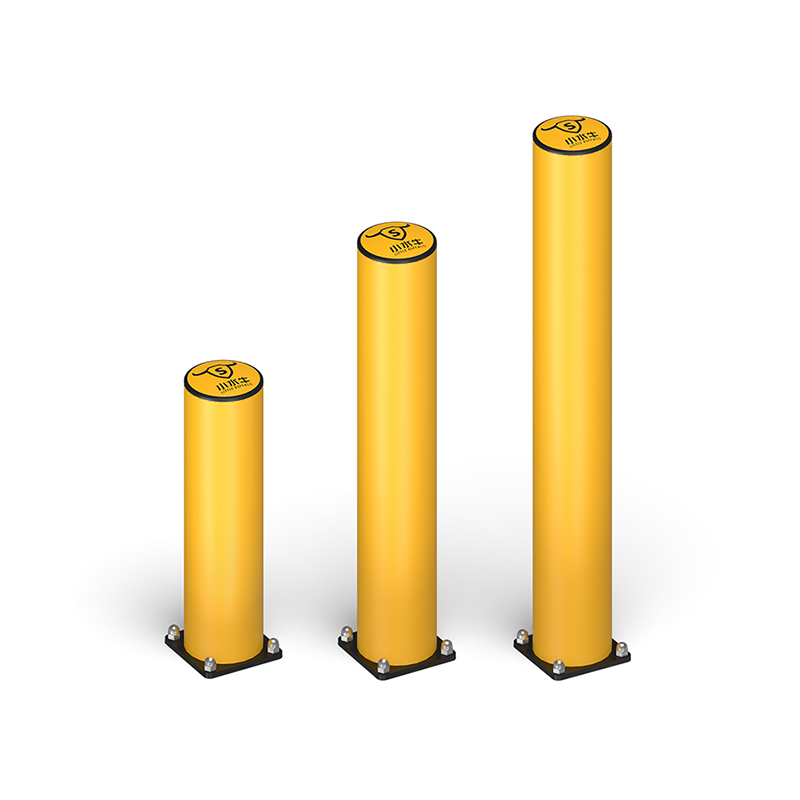
For route design, flexible barriers vs steel guardrails present different failure modes near people. Flexible barriers create a visible, forgiving line that absorbs a glancing hit instead of launching debris toward workers. OSHA 29 CFR 1910.178 and ANSI B56.1 guide powered industrial truck areas, and clear routing supports compliance. Workers trust a lane that stays intact after minor contact, which lowers daily hazard exposure on the floor. High-visibility coloring on flexible posts also helps drivers judge clearance at speed, reducing the hesitation that slows throughput at busy intersections.
A modular design lets teams reconfigure layouts as storage needs shift. Polymer bases use SS304 or powder-coated fixings that resist rust in damp or cold storage environments. Relocation takes basic tools and avoids hot work permits, keeping projects simple and safe. The agility matters for facilities that run seasonal peaks or frequent re-zoning of picking areas without halting operations for extended periods. Phased rollouts let a site protect the highest-risk racks first, then extend coverage as budget allows, keeping spend aligned with measured need.
Routine inspection should check anchor tightness, surface cracks, and base condition every quarter. Polymer performs well in cold storage because it stays ductile below freezing, unlike some metals that become brittle and crack. Clean room and dust-free zoning also benefit from smooth, non-shedding surfaces. ISO 9001 and ISO 14001 processes back consistent quality, while regular inspection records support both safety audits and preventive maintenance planning. Documenting anchor torque during each visit builds a trend that flags loosening before it becomes a structural failure on a loaded barrier.
In summary, the comparison of flexible barriers vs steel guardrails favors flexible polymer where recovery, uptime, and worker safety drive value. Steel remains valid for heavy perimeter duty, yet most interior zones gain from self-recovering barriers that absorb impact and spring back. Specifying the right system reduces hazard exposure and protects equipment across the facility.
What makes a flexible polymer barrier recover after impact?
Answer: A polymer barrier bends on contact and returns to shape because the material's molecular structure stores and releases impact energy instead of yielding. Standard steel dents and stays deformed. This self-recovering behavior keeps aisles open after forklift contact and reduces repair calls. Facilities value the lower downtime and the consistent protection along pedestrian and equipment routes.
Why do steel guardrails need more maintenance than polymer?
Answer: Steel guardrails suffer permanent dents, bends, and coating loss after each major hit, requiring cutting, welding, and repainting. Polymer barriers absorb and recover, so crews only check anchors and clean surfaces. Across busy warehouse zones the labor and downtime gap widens each year. Planning for repair frequency, not just purchase price, reveals the true maintenance burden.
Where should flexible barriers replace steel on a site?
Answer: Flexible barriers suit interior aisles, rack-end protection, cold storage lanes, and pedestrian segregation where repeated low-speed impacts occur. Steel remains sensible for outdoor perimeter lines and heavy vehicle edges. Matching the barrier to the hazard zone improves safety and cost control. A clear zoning plan helps managers place each type where it performs well.
How does the choice affect total cost of ownership?
Answer: The study of flexible barriers vs steel guardrails shows polymer wins on repair and downtime over five years despite a similar purchase price. Steel needs welding and repainting after collisions, while polymer simply recovers. Relocation is also cheaper because modular units bolt down without hot work. Specifying by lifetime cost, not quote price, protects the budget.
Which standards apply to warehouse barrier selection?
Answer: Relevant references include OSHA 29 CFR 1910.178 for forklift areas, ANSI B56.1 for industrial trucks, and ISO 14120 for machine guards. Manufacturers with ISO 9001 and TÜV certification demonstrate consistent quality through audited processes. Standards guide layout and inspection but do not name a preferred material, so buyers still weigh recovery, cost, and site risk when choosing protective systems.
 Hot News
2024-06-01
2024-06-25
2024-06-28
2024-09-09