EN

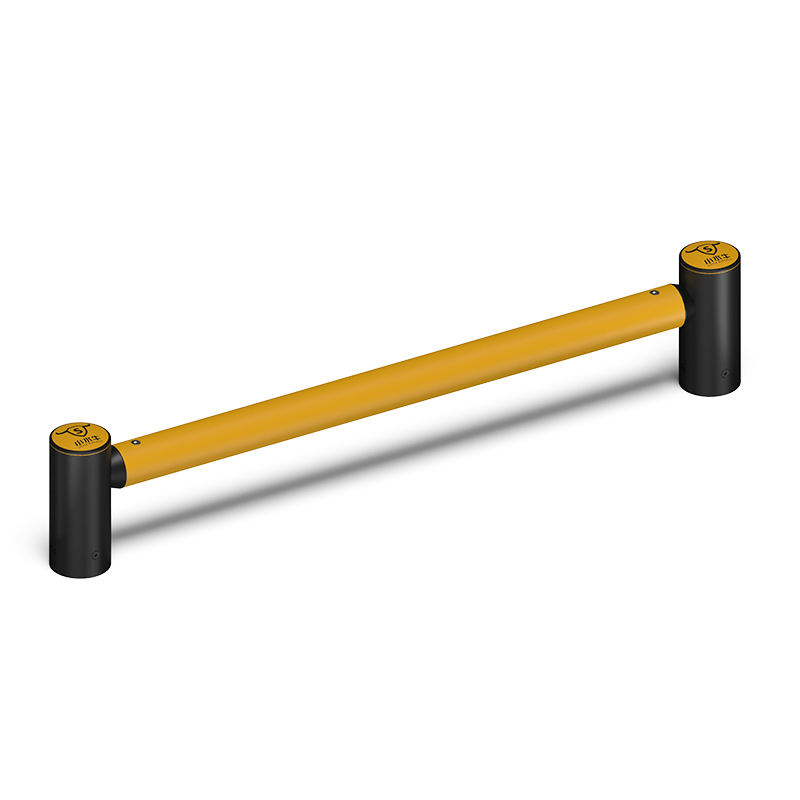
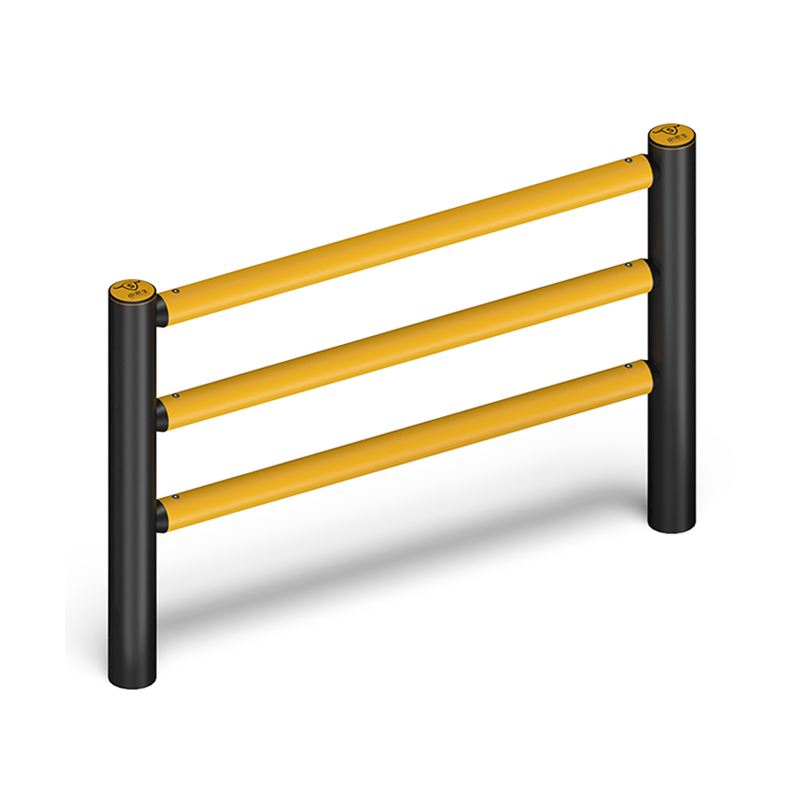
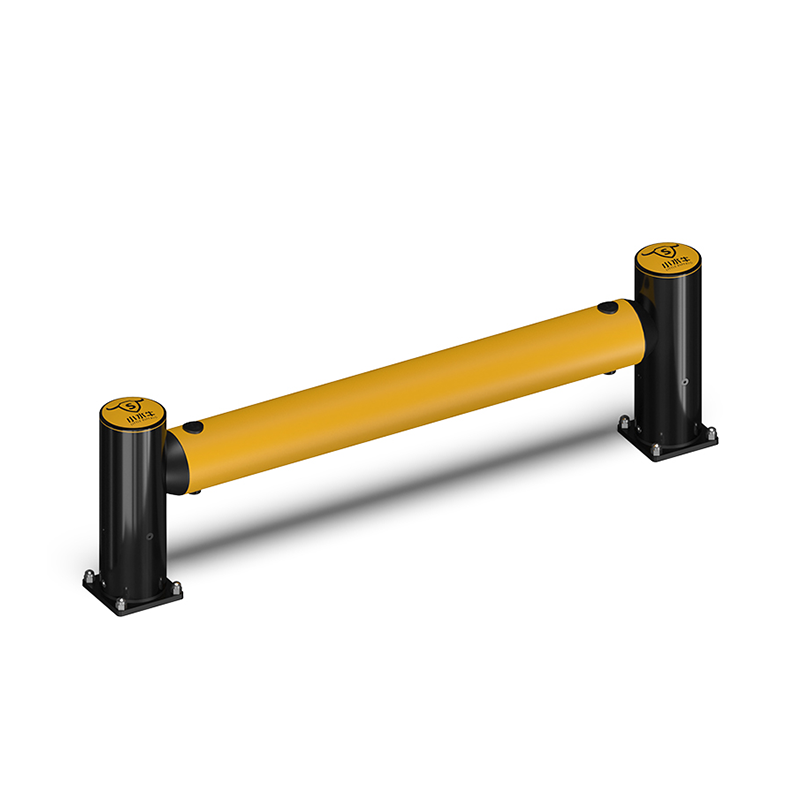
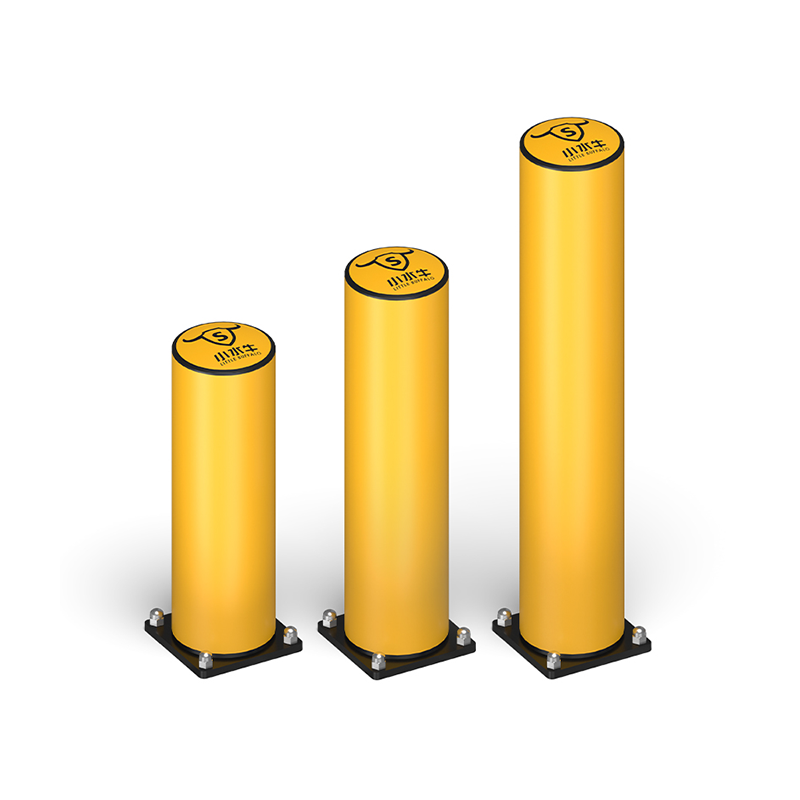
ABOUT US
- Shounan Street URban Industrial Park,YinZhou District,NingBo City, ZheJiang, CHINA.
- +86-15381988180
- [email protected]

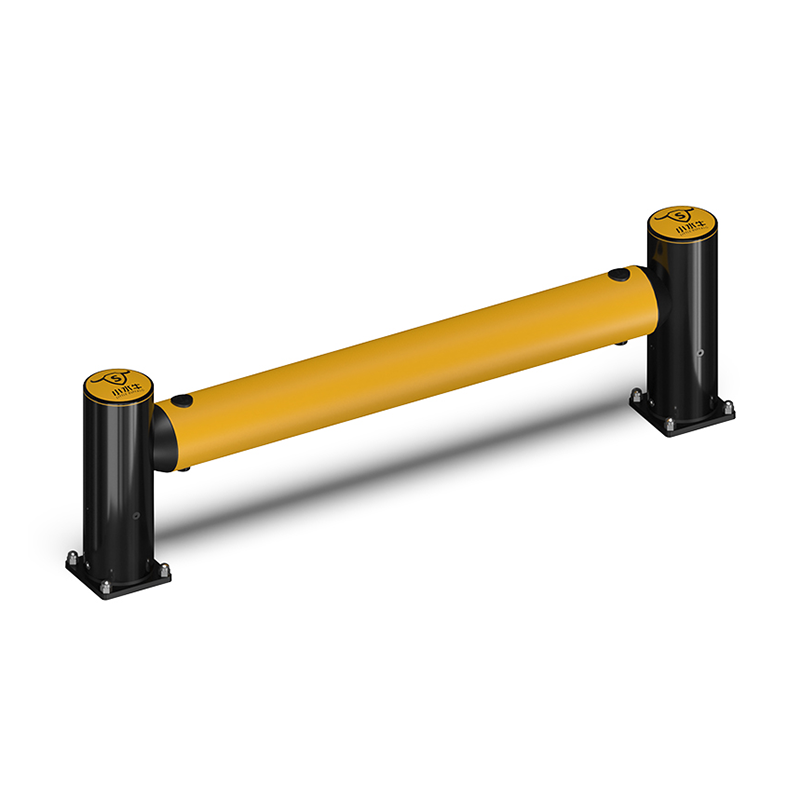
Industrial facilities face constant risk from moving traffic, forklifts, and tight storage layouts. Polymer safety barriers offer a flexible, energy-absorbing alternative to rigid steel and concrete protection. By bending under impact and returning to shape, they limit damage to equipment, racking, and people. This material approach is reshaping how warehouses and plants plan their protection strategy. The sections below explain the science, the field results, and the compliance basis for choosing flexible polymer protection.
Choosing the right material for a protective system shapes everything from install cost to yearly upkeep. Most sites still default to steel or concrete, yet those rigid options behave poorly under repeated vehicle contact. A closer look at material science explains why flexible polymer changes the equation for busy industrial plants.
The core advantage of polymer safety barriers begins at the molecular level. Engineering-grade polymer chains store deformation energy when a forklift or pallet truck strikes the unit, then release it as the material springs back. Rigid steel dents and concrete cracks, but a flexible barrier simply flexes. This self-recovering behavior keeps the protective line intact after repeated collisions, reducing the need for immediate replacement.
Steel guardrails transfer collision force directly into posts and anchors, often bending mounts or damaging floors. Polymer safety barriers absorb a large share of impact energy through controlled flex, lowering the shock passed to structures. Tests on flexible rack-end protectors show up to 90% of forklift impact energy can be absorbed before the surrounding racking feels the hit. That difference protects both assets and workers on the floor.
Downtime from a damaged guard often costs more than the guard itself, once lost throughput and labor are counted. Self-recovering designs target that hidden cost by staying in service after a hit. The following points show how flexible behavior protects the production schedule and reduces emergency maintenance across the workplace.
A self-recovering barrier returns to its original position after being struck, without manual reset. In a busy warehouse, a flexible guardrail hit by a trailer or AGV simply bends and recovers, so traffic keeps moving. Unlike a broken steel post that blocks an aisle until repaired, the polymer unit stays functional. This resilience is why many facility managers now specify flexible protection for high-traffic routes and loading areas.
Repeated forklift contact is normal in distribution centers, yet rigid barriers accumulate dents that require welding or swap-outs. Polymer safety barriers tolerate daily knocks and spring back, keeping inspection intervals longer. Maintenance teams report fewer emergency calls when flexible bollards replace steel around rack columns and machine corners. Lower repair frequency translates into less downtime and steadier throughput on the plant floor.
A single-site example makes the material case concrete. The account below describes a distribution operation that moved from patched steel guards to a plant-wide flexible polymer program, then measured the maintenance effect over several months of normal operation.
A regional distribution facility operating more than 40 trucks daily faced frequent barrier damage. Steel posts along pedestrian walkways and rack ends were struck several times each week, forcing shutdowns for repair. The safety lead sought a protective system that would survive constant contact without halting operations. After reviewing options, the site chose to install flexible polymer units across all hazard zones rather than patch rigid guards piece by piece. The decision followed a formal risk review of every high-contact route.
Within one quarter, the facility logged a sharp drop in maintenance calls tied to barrier damage. Polymer safety barriers kept pedestrian segregation lines in shape after daily traffic, and loading dock corners stayed intact through constant trailer movement. The plant recorded fewer injury near-misses and less equipment repair. Independent TÜV-certified flexible units supported the rollout, and the site later expanded coverage to cold storage and clean room zoning.
Specifying barriers is only half the task; keeping them effective demands a simple care plan. Standards guide the layout, but routine checks confirm the protective line still performs. The points below connect compliance language to everyday inspection practice for facility and safety teams.
Flexible protection supports compliance with OSHA 29 CFR 1910.178 for powered industrial trucks and OSHA 29 CFR 1910.212 for machine guarding. Polymer safety barriers help satisfy ISO 45001 and ANSI/ITSDF B56.1 by framing safe separation of pedestrians from traffic. A modular polymer layout makes it easier to maintain clear routes and document hazard control. Little Buffalo units carry TÜV certification and are built under ISO 9001 and ISO 14001 management systems, giving procurement teams verifiable assurance.
Regular inspection remains essential even with flexible materials. Teams should check fixings, base bolts, and mesh boards each month, and reclear pedestrian zoning after any layout change. Spring-back polymer needs little repair, but a documented schedule keeps the protective system audit-ready. When paired with clear signage and traffic management, polymer safety barriers sustain a safer workplace with less ongoing cost than rigid steel.
Polymer safety barriers deliver a practical path to safer, lower-maintenance industrial facilities. By absorbing impact and recovering their shape, they protect equipment, racking, and people while reducing repair calls. For procurement teams planning plant-wide protection, specifying flexible polymer units offers a durable, standards-aligned choice that supports both productivity and worker safety.
Why do polymer barriers recover after a forklift hit?
Answer: Engineering-grade polymer stores deformation energy when struck and releases it as the unit springs back to shape. Unlike steel that dents or concrete that cracks, the flexible structure returns to its original position without manual reset. This self-recovering behavior keeps pedestrian and traffic routes protected after repeated collisions, limiting repair work and unplanned downtime on the floor.
What maintenance do flexible barriers require?
Answer: Flexible polymer units need far less repair than rigid steel, yet a monthly check of base bolts, fixings, and mesh boards remains sensible. Teams should reclear pedestrian zoning after layout changes and log each inspection for audit readiness. Because the material springs back, emergency calls drop sharply. A short documented schedule keeps the protective system effective and supports OSHA and ISO compliance expectations.
Where should facilities install flexible protection first?
Answer: High-contact zones deserve priority: rack-end columns, machine corners, pedestrian walkways, and loading dock edges see the most vehicle strikes. Starting there delivers the fastest maintenance reduction and visible safety gain. Once those routes are covered, expansion to cold storage and clean room zoning follows easily because modular polymer units install without heavy civil work or long shutdowns.
How do polymer barriers compare with concrete guards?
Answer: Polymer safety barriers bend and rebound under impact, while concrete shatters and steel dents on the same hit. A cracked concrete base often needs removal and repour, halting the aisle for days. The flexible polymer alternative absorbs energy, stays in place, and returns to shape, so the protected route keeps operating. For busy plants, that difference cuts both repair cost and lost production time.
Can flexible barriers meet safety standards?
Answer: Flexible protection supports recognized norms when specified and installed correctly. Layouts can align with OSHA 29 CFR 1910.178 for forklift areas and OSHA 1910.212 for machine guarding, plus ISO 45001 and ANSI/ITSDF B56.1 for traffic separation. Certified units such as TÜV-approved polymer products and ISO 9001 manufacturing give buyers documented assurance that the protective system meets stated workplace safety requirements.
 Hot News
2024-06-01
2024-06-25
2024-06-28
2024-09-09