 EN


ABOUT US
- Shounan Street URban Industrial Park,YinZhou District,NingBo City, ZheJiang, CHINA.
- +86-15381988180
- [email protected]

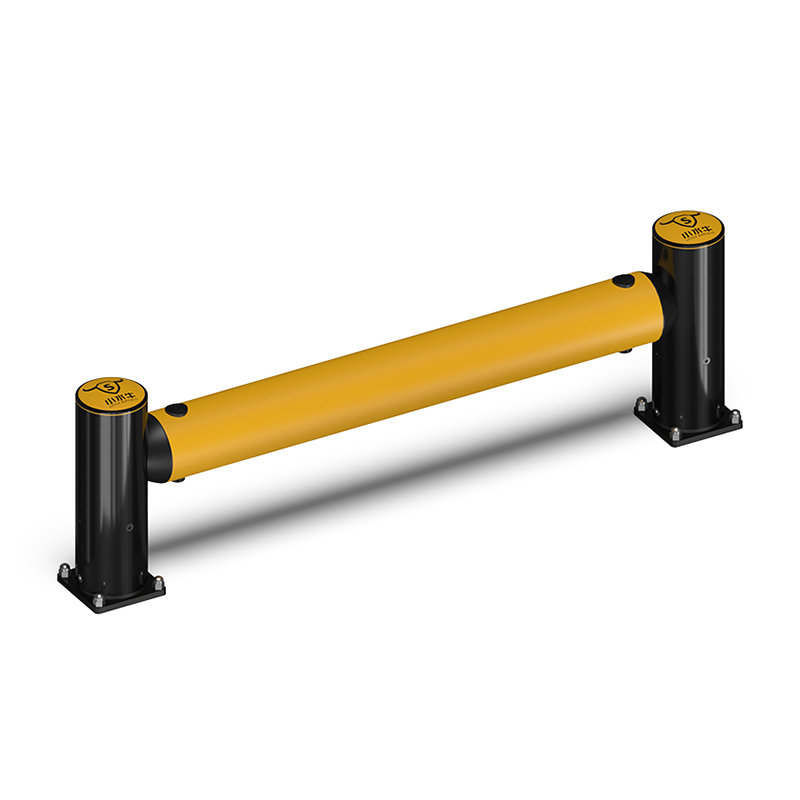
Scaling a protective infrastructure rollout across multiple sites begins with disciplined procurement. Teams that plan bulk industrial safety barriers early avoid rushed shipments, mixed specifications, and costly rework. A structured volume approach turns purchases into a predictable supply program covering warehouse guardrail, bollards, and pallet racking protection.
A reliable barrier program starts with a survey of traffic and risk. Bulk industrial safety barriers should follow the actual paths that pedestrians and lift trucks travel, not a generic grid. Mark every forklift lane, pedestrian corridor, and rack aisle, then classify each by impact and vehicle speed. ANSI/ASSE A1264.1 guides separation, so the spacing layout keeps people clear of powered equipment during peak shifts.
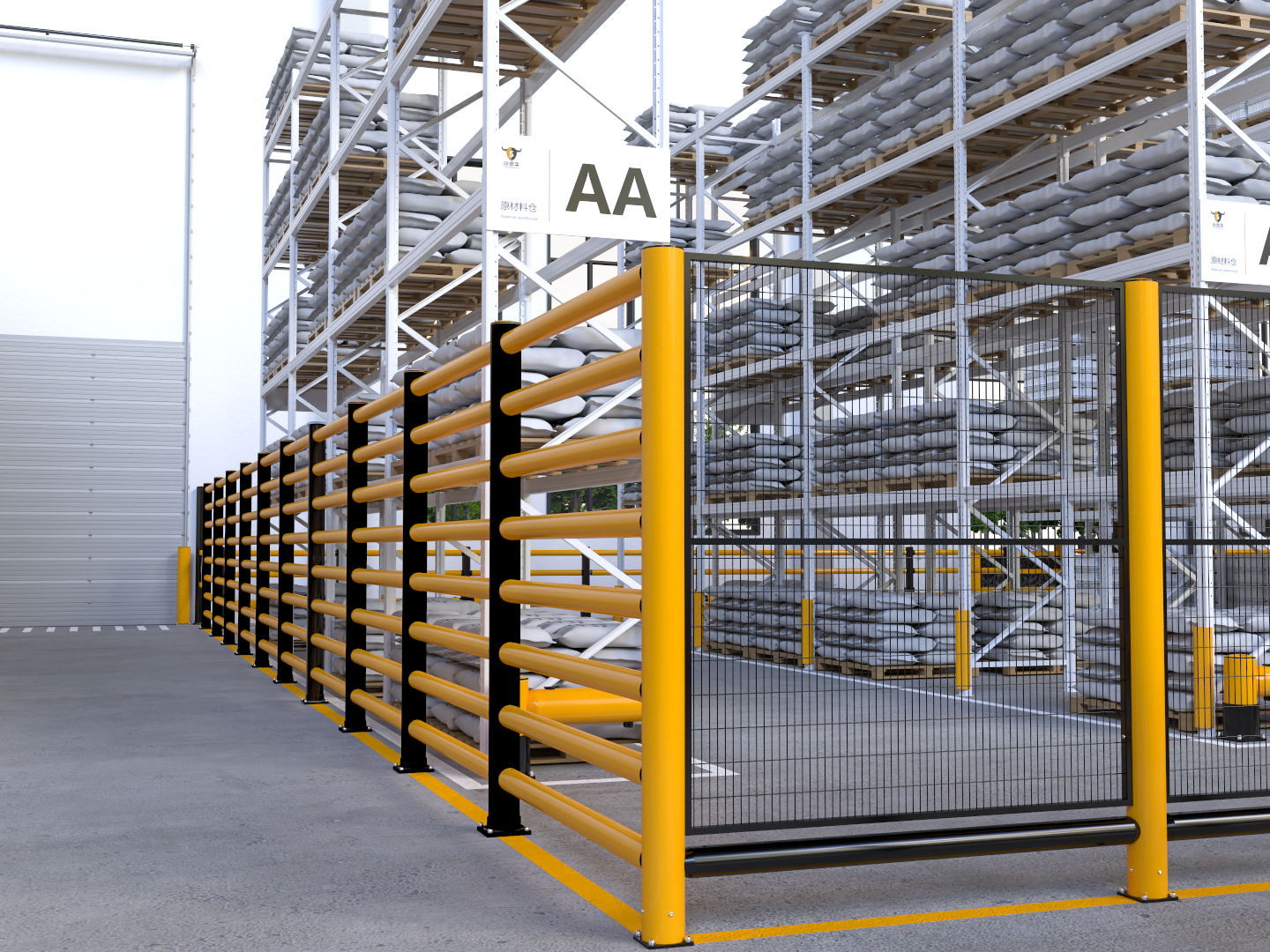
Drawing zones reveals where flexible, self-recovering polymer barriers outperform rigid steel. High-traffic rack ends and loading docks absorb repeated hits; a polymer rail bends and springs back, protecting both the post and the floor slab. This reduces repair cycles and keeps the facility aligned with OSHA 29 CFR 1910.178.
A third-party logistics provider in East Asia shows the value. The operator ran six distribution centers with inconsistent specs from mixed suppliers, causing incompatible fixings and repeated rack-end floor damage. The procurement team standardized on one flexible barrier platform and scheduled phased delivery per site. Crews installed consistent protection faster, and recurring impact damage dropped.
Minimum order quantity shapes price and lead time. A manufacturer sets MOQ to cover production batches, so consolidating demand for bulk industrial safety barriers into fewer, larger releases improves unit economics. Buyers total linear meters across sites, then compare against MOQ to choose one container load or several smaller shipments.
For bulk industrial safety barriers, components fail unevenly, and a small stock of fixings and rails prevents one damaged section from disabling a protected zone. A modest buffer is cheaper than emergency air freight later.
Palletizing bulk industrial safety barriers with uniform carton dimensions lets a 40-foot container hold more units and protects edges in transit. Calculate the container load by dividing floor area by the pallet footprint, then subtract aisle and bracing space. Under-filled containers raise per-unit logistics cost, while overfilled loads risk port damage.
Galvanized bases and SS304 fixings add weight; factor that into the load plan so the shipment stays within limits. A palletizing diagram shared with the factory reduces loading errors and speeds customs clearance.
INCOTERMS define who pays and carries risk during transit. Under FOB, the buyer takes responsibility once goods cross the ship's rail at the origin port; under CIF, the seller arranges freight and insurance to the destination port. Choosing FOB gives more logistics control and lower cost for experienced importers, while CIF simplifies paperwork for new buyers.
Neither term changes quality, but the wrong choice can inflate landed cost. Before committing the order, compare both against a known freight quote and confirm the Incoterms version year in the contract.
Warehouse and dock environments expose barriers to moisture, chemicals, and abrasion. Galvanized steel resists rust, while SS304 fixings keep corrosion resistance in humid or washdown areas like cold storage and food lines. Specifying bulk industrial safety barriers with these materials prevents premature failure and avoids mixing incompatible metals that cause galvanic corrosion.
ISO 9001:2015 at the factory signals material control and traceability for a volume order across production weeks. Mill certificates for galvanized components add a verifiable quality checkpoint before shipment.
Spacing layout determines whether barriers actually separate hazards. A protected rack end needs enough standoff that a deflected forklift stops before reaching product or structure. Map spacing layout against turning radius and aisle width, then document it so every site installs to standard. Consistent geometry simplifies the inventory buffer, because one spare part fits all locations.
OSHA 29 CFR 1910.22 expects stable walking surfaces; well-planned guardrail placement supports that goal. Revisit the layout after the first month where traffic patterns differ from the plan.
A single massive shipment rarely fits receiving capacity. Phased delivery of bulk industrial safety barriers splits the volume order into batches aligned with each location's install window, reducing storage and damage risk. Coordinate phased delivery with the factory schedule so containers arrive before crews need them, keeping the buffer small.
This cadence creates a feedback loop: lessons from the first site refine installation at the next. Procurement planning that builds in review points prevents repeating a layout mistake across all locations.
Trust comes from verification. Inspect palletizing on arrival, count cartons against the packing list, and check galvanized surfaces for transit damage. During installation, confirm anchor depths and that SS304 fixings are used as specified. A punch-list per site keeps the program accountable.
Maintenance stays simple with self-recovering polymer rails. Sweep debris from bases and re-torque fixings quarterly, replacing any rail that no longer returns to shape. Documenting inspections supports ISO 9001-style quality discipline and extends guardrail service life.
A disciplined program turns scattered purchases into a controllable supply line. By defining zones, consolidating the MOQ, optimizing container load, selecting FOB or CIF deliberately, and planning phased delivery, buyers protect both people and budget. Sourcing bulk industrial safety barriers through structured procurement planning delivers consistent, compliant protection across every site.
What factors determine the minimum order quantity for barrier procurement?
Answer: MOQ reflects a manufacturer's production batch and tooling cycle rather than a fixed rule. Buyers should total the linear meters needed across all sites, compare against the supplier's minimum, and consolidate demand into a single volume order where possible. Larger, predictable releases usually improve unit cost and shorten scheduling. Confirm the MOQ in writing before allocating the budget for bulk industrial safety barriers.
How do FOB and CIF Incoterms affect landed cost?
Answer: FOB places transit responsibility on the buyer after goods cross the origin port rail, while CIF includes freight and insurance to the destination. The choice changes who controls logistics and how risk transfers, not the product itself. Experienced importers often prefer FOB for lower cost and carrier choice; new buyers may favor CIF for simpler paperwork. Always compare both against a current freight quote before finalizing the contract terms.
Why does palletizing matter for container shipments?
Answer: Consistent carton dimensions let a 40-foot container hold more units and shield edges from transit damage. A clear palletizing diagram reduces loading errors and speeds customs clearance at the destination port. Poor stacking wastes container load space and raises per-unit logistics cost. Sharing the layout with the factory before production helps protect galvanized surfaces and keeps the shipment within weight limits for safe transport.
When should phased delivery be scheduled?
Answer: Phased delivery fits when a single shipment would overwhelm a site's receiving dock or storage. Splitting the volume order into batches aligned with each location's install window reduces on-site damage and keeps the inventory buffer small. Coordinate the cadence with the factory's production schedule so containers arrive just before crews need them. This also lets early-site lessons improve later installations across the program.
Which materials resist corrosion in warehouse and dock environments?
Answer: Galvanized steel structures and SS304 fixings perform well where moisture, chemicals, and abrasion are common. SS304 maintains corrosion resistance in humid or washdown areas such as cold storage and food lines. Specifying these materials at quotation prevents premature failure and avoids mixing incompatible metals that cause galvanic corrosion. Requesting mill certificates for galvanized components adds a verifiable quality checkpoint before the goods leave the factory.
 Hot News
2024-06-01
2024-06-25
2024-06-28
2024-09-09
