 EN


Warehouse Column Protection Solutions for High-Traffic Storage Areas
Columns quietly carry some of the most important loads in a warehouse, yet they often sit beside the same travel lanes used by lift trucks, pallet jacks, and delivery equipment. Warehouse column protection is therefore not simply a matter of making a support look more visible. It is a practical way to address a known exposure point while keeping the facility’s traffic plan, maintenance access, and daily workflow in view.
From a facility-safety planning perspective, the starting point is the route rather than the catalog. OSHA identifies forklift operations as a warehousing hazard, and workplace-transport guidance commonly emphasizes safe traffic routes and separation of people from vehicles. A guard can support that wider approach, but it cannot replace route design, training, speed controls, markings, or inspection.
Start With the Impact Path, Not the Column Shape
A square, round, or rectangular structural member may suggest a certain guard format, but shape is only one input. Before selecting warehouse column protection, observe how material-handling vehicles approach the area during a normal shift. Note turning points, reverse movements, temporary pallet positions, visibility limits, and whether an operator needs to pass a column while carrying a raised or wide load.
A neat-looking layout is useful, yet the likely impact path should be checked before appearance drives the decision. A column beside a straight travel lane may face a different type of exposure from one at a congested cross-aisle, loading-door approach, or staging area. This review also helps distinguish a true vehicle-impact issue from a housekeeping or pedestrian-routing issue that needs a different control.
Map the Zone Before Comparing Warehouse Column Protectors
Good warehouse column protectors fit an operating zone, not just a dimension on a drawing. Create a simple map showing the column footprint, floor joints, rack ends, doors, fire equipment, pedestrian paths, vehicle direction, and the space needed for cleaning or service. If the route changes by shift, review traffic at more than one operating period before choosing a layout.
- Approach direction: Identify where the vehicle is likely to contact the column and whether the risk is a glancing strike, a turn-in, or a reversing movement.
- Vehicle and load envelope: Consider the equipment used in that lane, plus the width and behavior of the loads being moved.
- Available clearance: Confirm that a proposed guard does not create a new pinch point, reduce an emergency route, or interfere with rack, door, or service access.
- Floor and mounting context: Check concrete condition, joints, drainage, and nearby embedded services before assuming an anchored configuration will suit the location.
- Inspection access: Plan how the guard and column can be visually checked after an event or during routine maintenance.
Put simply, the barrier choice follows the route problem rather than the other way around. This is especially important where a single column is exposed to more than one flow of traffic.

Choose a Protection Approach by Exposure and Operating Constraints
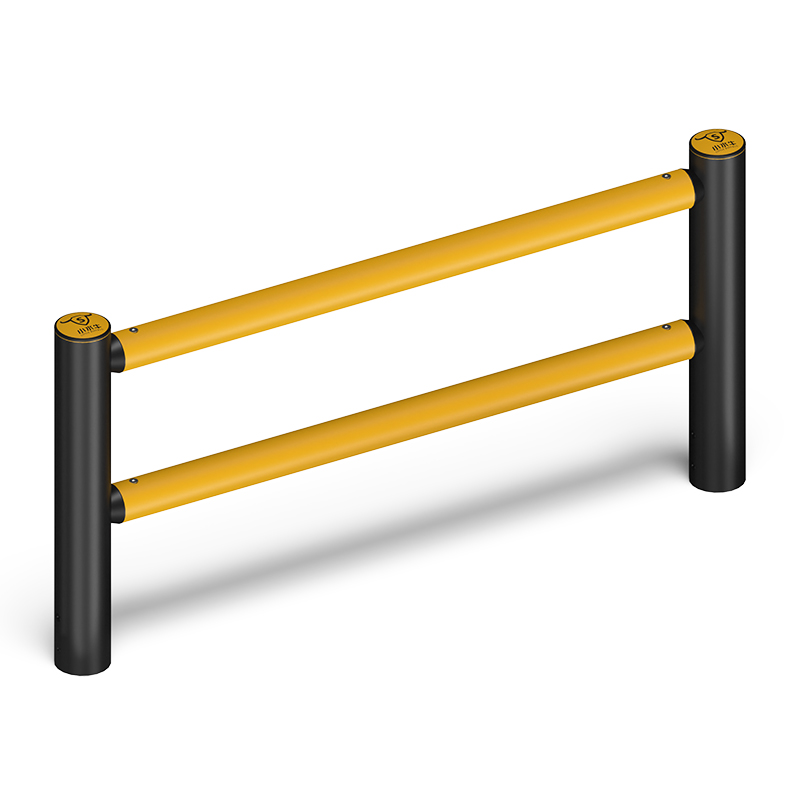
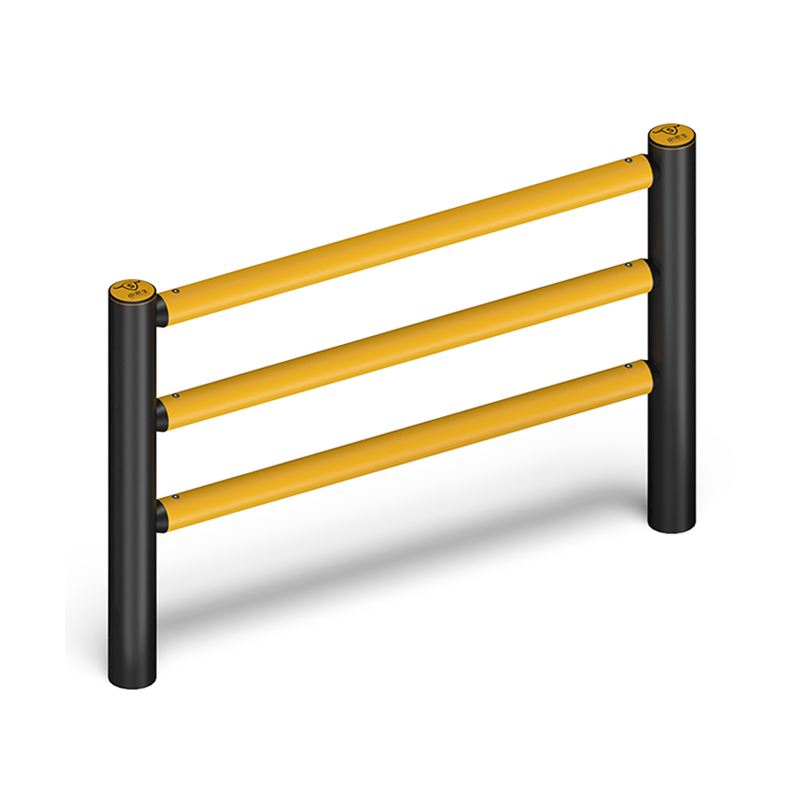
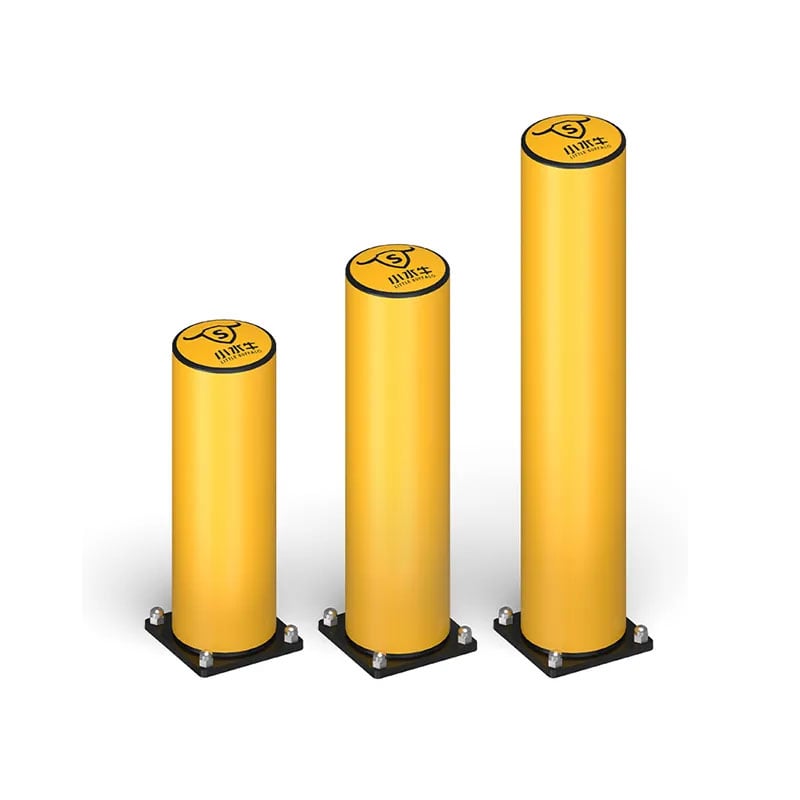
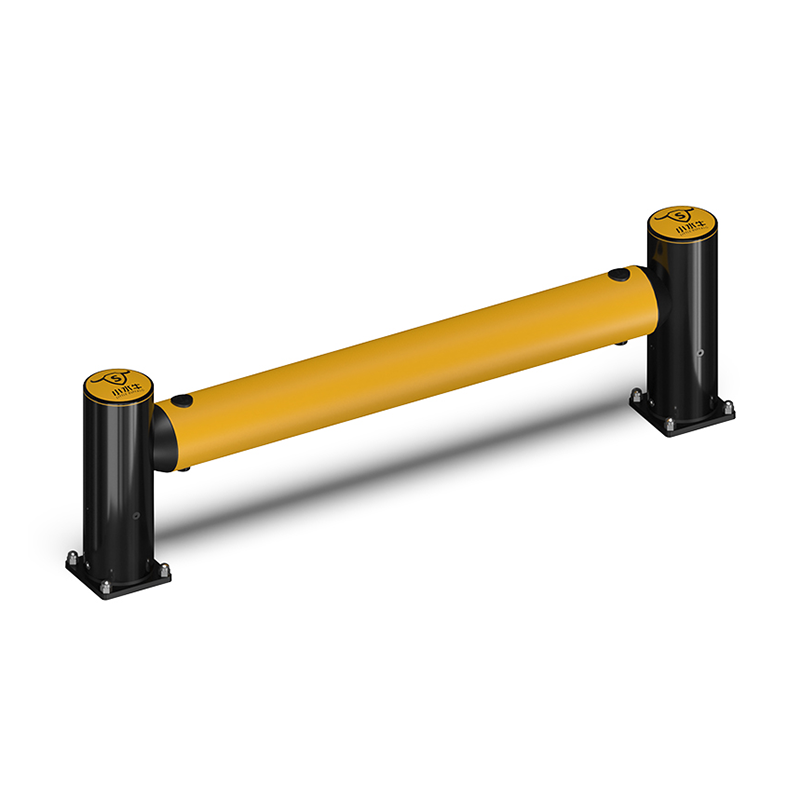
There is no universally suitable configuration for warehouse column protection. A compact column sleeve or wrap may be considered where space is tight and the principal need is to make the structure more conspicuous and shield it from minor contact. Floor-mounted guards, bollard-oriented arrangements, or rail-based configurations may be considered when the expected approach, clearance, and intended protective function call for a more defined boundary. The suitable option depends on the operating condition and evidence for the installation, not on a single headline feature.
For example, a column guard barrier may be appropriate as part of a broader boundary around a vulnerable structure, but it should be assessed alongside vehicle turning requirements and operator sight lines. A barrier can support separation; it should not be presented as a guarantee of an impact-free workplace. Where structural condition or protection design is uncertain, involve the appropriate site engineering, EHS, or facilities review before specification.
Keep the Installation Compatible With Daily Work
Warehouse protection can fail operationally even when it looks robust on paper. Ask whether a proposed system leaves enough room for sweepers, rack inspections, emergency access, stock checks, and seasonal layout changes. The catalog can narrow options, but turning radius and service access usually determine the final fit.
Use high visibility and clear floor communication as supporting measures, not substitutes for a suitable configuration. In busy zones, it may help to coordinate the protector location with lane markings, directional signs, and rules for temporary staging. Can a pedestrian still understand the intended route when pallets temporarily occupy this area? That question often reveals whether the whole zone is working as intended.
Plan Inspection and Response After Contact
A practical warehouse column protection plan includes what happens after a contact event. Assign a simple process for reporting visible strikes, examining the guard or surrounding floor, and escalating concerns about the column, fasteners, or nearby rack. The exact inspection method should reflect site procedures and the chosen system; do not assume that an undamaged exterior proves every underlying component is unaffected.
Routine review also supports change management. If a new truck type, rack layout, or picking pattern changes the traffic path, revisit the column exposure rather than treating the original installation as permanent. A maintenance-focused conversation asks what can be inspected, replaced, or adjusted without avoidable downtime.
A Short Selection Checklist
- Identify each column exposed to powered industrial truck traffic.
- Observe actual approach paths, not only the intended routes on a plan.
- Measure clearances with the vehicle and load envelope in mind.
- Check floor condition, access requirements, and nearby safety equipment.
- Compare protection concepts by their fit for the exposure and operating constraints.
- Document inspection responsibilities and review the arrangement when traffic changes.
Make Column Protection Part of a Layered Safety Plan
Well-planned warehouse column protection can help teams make vulnerable structural locations easier to recognize and manage in high-traffic storage areas. Its value is strongest when it is matched to the real impact path and integrated with clear routes, trained operators, pedestrian controls, and regular review. Before making a final selection, clarify the local traffic pattern, mounting context, and protective objective so the chosen approach supports the way the zone actually operates.
Warehouse Column Protection Questions Teams Ask During Planning
Where should warehouse column protection be installed first?
Prioritize warehouse column protection where lift-truck routes turn, merge, reverse, or pass close to a structural member. Warehouse column protection should follow observed traffic exposure, not only the columns that are easiest to reach.
Do warehouse column protectors replace traffic controls?
No. Warehouse column protectors are one control within a managed route. Warehouse column protectors are most effective when considered alongside clear lanes, trained operators, site rules, and pedestrian separation.
How much clearance does warehouse column protection need?
Warehouse column protection needs clearance for the vehicle, the typical load, and routine access. Before approving warehouse column protection, check the usable aisle width through a normal shift rather than relying on an empty-floor measurement.
When are column guard barriers worth reviewing?
Column guard barriers are worth reviewing where a support is exposed from more than one direction or needs a clearly defined boundary. Column guard barriers should not block doors, exits, inspections, or essential service space.
Can warehouse column protectors be used near racking?
Warehouse column protectors can be considered near racking when the layout leaves suitable clearance and the protection objective is clear. Treat warehouse column protectors and rack protection as related but separate reviews.
What should a post-impact inspection include?
After contact, inspect the warehouse column protection arrangement, visible fasteners, nearby floor condition, and the structural location according to site procedures. If a column guard barrier shows damage, record the event before deciding whether replacement or further review is needed.
Should warehouse column protection be reviewed after a layout change?
Yes. Warehouse column protection should be reviewed when vehicle types, traffic direction, storage density, or rack locations change. A revised route can change the exposure facing the same column.
How do teams compare column guard barriers?
Compare column guard barriers by the actual approach path, intended protective function, mounting context, available clearance, and inspection needs. The most suitable column guard barriers are those that fit the zone without creating a new operating constraint.
What information helps specify warehouse column protection?
For warehouse column protection, provide current site dimensions, equipment and load information, photographs of the traffic path, floor details, and access requirements. This information makes a warehouse column protection discussion more useful than a selection based on a single catalog image.
 Hot News

