EN

ABOUT US
- Shounan Street URban Industrial Park,YinZhou District,NingBo City, ZheJiang, CHINA.
- +86-15381988180
- [email protected]

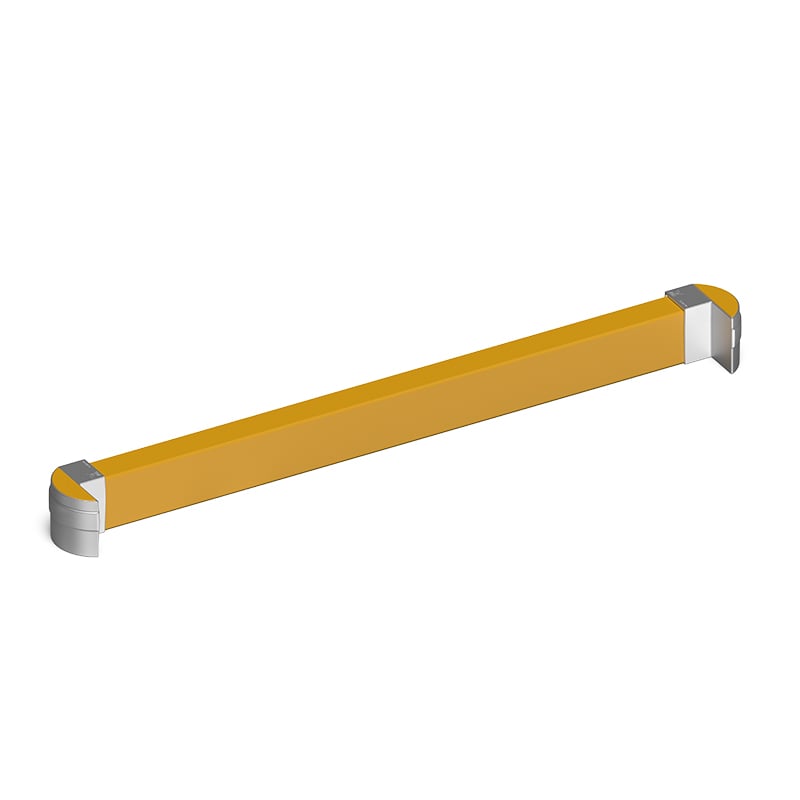
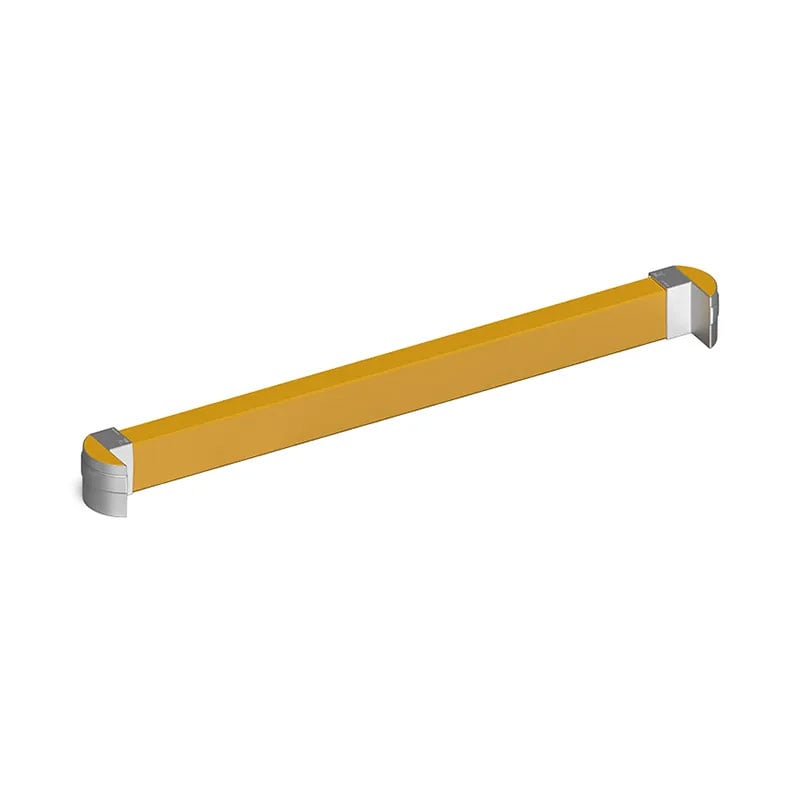
Industrial floors move fast. Forklifts, automated guided vehicles, and pallet trucks share the same concrete as people on foot, and that overlap creates daily exposure to serious injury. Pedestrian safety barriers give facilities a physical line that keeps walkers out of vehicle lanes and away from active machinery. When routes are clearly separated, the chance of a struck-by or crush incident drops sharply, and the workplace feels calmer for everyone moving through it.
On a busy production floor, sightlines are rarely perfect. A forklift turning a corner or reversing from a rack can meet a walker who has no warning. Pedestrian safety barriers remove that uncertainty by building a fixed edge between human traffic and vehicle paths. They are not decorative; they are a control measure that manages risk at the point where it occurs. Facilities that rely only on painted lines find those marks fade, get ignored, and fail the moment a truck drifts across them. A solid guardrail does not need a driver to read the floor.
Separating motion reduces the number of dangerous interactions on the floor. A walker who stays inside a guarded lane never steps into a lift truck's path, and a driver who sees a solid guardrail learns exactly where the boundary sits. Studies of warehouse incidents show most pedestrian injuries happen at crossings and around machine cells, exactly where pedestrian safety barriers do the most work. The measure is simple, visible, and easy to enforce through daily routines rather than constant supervision.
Good segregation starts with a floor study. Planners should watch where people walk, where trucks travel, and where machines load or unload during a normal shift. The aim is to route foot traffic around hazardous cells rather than through them. Little Buffalo recommends marking temporary paths first, then installing polymer guardrails along the confirmed route so the design matches real behavior instead of a paper plan. This step prevents the common mistake of protecting the wrong corner while leaving a busy crossing open.
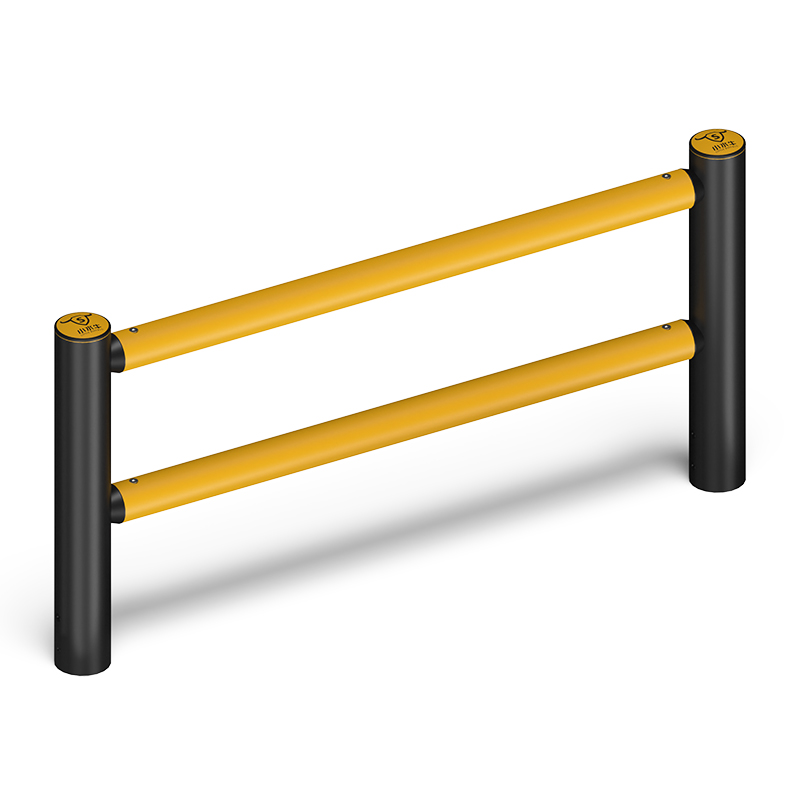
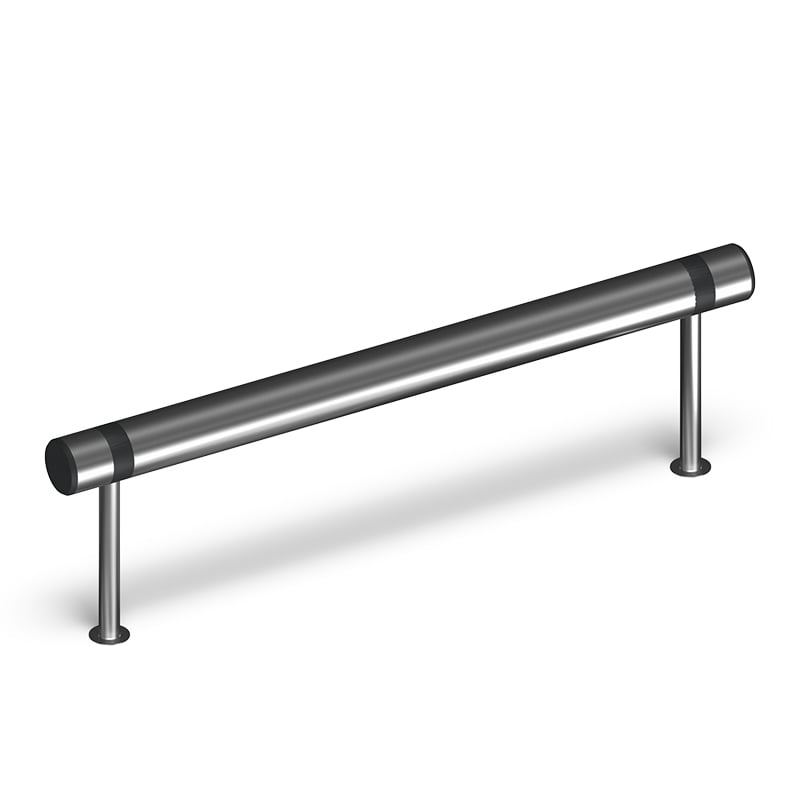
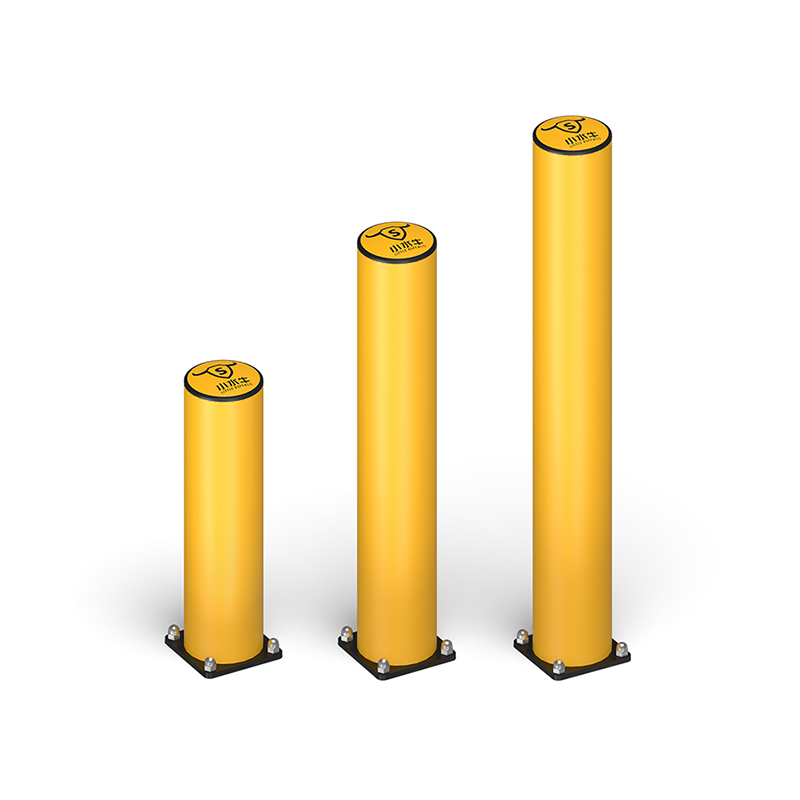
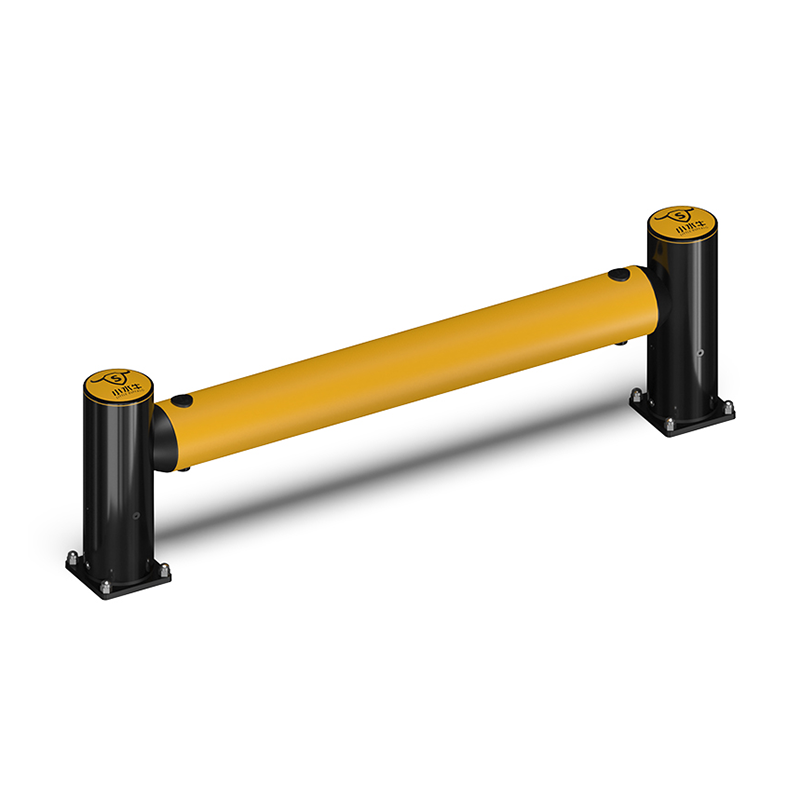
Not every zone needs the same protection. High-impact corners near racks call for flexible bollards and rack-end protectors; narrow walkways beside conveyors suit low-profile guardrails; clean-room or cold-storage areas need rust-free fixings and materials that tolerate temperature swings. The right pedestrian safety barriers keep the protection appropriate to each hazard, which controls cost and avoids overbuilding quiet areas. Matching the barrier to the risk also simplifies later inspection because each zone has a clear, expected standard.
The working principle behind these products is energy management. Engineering polymer bends when struck by a forklift, then springs back to its original shape. That self-recovering behavior means a barrier hit at three in the afternoon still stands straight at three the next morning, with no bent steel to replace. The structure absorbs the blow instead of transmitting it to a person or a column behind the guard. Because the material recovers, the same unit can defend a walkway through thousands of small contacts without losing its form. Routine inspection stays simple because a recovered barrier shows no lasting dent, so staff can confirm protection at a glance during daily checks before each shift starts.
Rigid steel rails stop a truck but can transfer force, deform, and require welding repairs that pull equipment offline. Polymer pedestrian safety barriers absorb up to 90% of forklift impact energy, then recover their shape without intervention. Less downtime, fewer replacement parts, and a softer outcome for anything behind the guard make the case for flexible protection. For pedestrian zones that sit beside active machinery, that difference protects both the worker and the production schedule every shift.
A metal-components plant ran CNC machines along a central aisle where operators walked between shifts and trucks delivered stock. Near-misses between walkers and loaders were frequent, and one clip damaged a machine column that then needed unscheduled repair. Management needed separation that would survive daily knocks without constant maintenance, and they wanted a layout that kept people clearly outside the machinery envelope. The existing painted lines had worn away, so workers crossed the aisle wherever was shortest. Forklift traffic peaked during inbound deliveries, and the same aisle served as the shortest path between two break areas, which forced people into the truck lane several times every hour with no fixed protection.
The plant installed flexible guardrails and bollards to build protected pedestrian walkways around the active machinery, with modular sections placed along the aisle and at each machine cell. pedestrian safety barriers were also added at the rack ends where trucks turned. Within a quarter, recorded pedestrian-vehicle near-misses fell, the damaged column was shielded, and maintenance reported fewer barrier repairs than the old steel posts. The zoning change turned a shared, risky lane into a calm, defined route that operators trusted.
Protected walkways are a practical, proven layer of defense for any floor where people and vehicles mix. Pedestrian safety barriers turn an open, ambiguous space into a managed route, lowering risk without slowing the operation. Little Buffalo's flexible polymer systems recover from impacts, simplify inspection, and help facilities meet OSHA and ISO 45001 expectations for worker protection across the site.
Frequently Asked Questions about pedestrian safety barriers, worker protection, walkway barriers, factory safety and pedestrian zones
Question
What materials make up modern walkway barriers for pedestrian safety barriers?
Answer: Most modern pedestrian safety barriers use engineering polymer with self-recovering properties, often combined with cast metal ends, SS304 fixings, and powder-coated bases. The polymer bends under forklift impact and springs back, so the walkway barriers keep protecting after repeated knocks. Some pedestrian safety barriers designs add steel or mesh boards for high-traffic pedestrian zones that need extra rigidity in factory safety programs.
Question
Why separate forklift lanes from pedestrian zones with pedestrian safety barriers?
Answer: Separation through pedestrian safety barriers removes the moment when a vehicle and a person occupy the same space at the same time. Painted lines fade and get ignored, but a physical walkway barriers guardrail defines the edge clearly for every shift. Facilities that zone foot traffic around machinery with worker protection measures record fewer struck-by incidents and spend less time on collision repairs, which protects both people and production output in factory safety.
Question
Where should pedestrian safety barriers be installed on a factory floor?
Answer: Place walkway barriers along any route where pedestrians cross vehicle paths, around active machine cells, at rack ends, and beside loading docks. A floor study should map real traffic before installation so the protected pedestrian zones follow actual movement rather than a paper layout. Good placement of pedestrian safety barriers keeps people outside the machinery envelope without blocking the flow of goods — a core principle of worker protection and factory safety.
Question
How do flexible walkway barriers compare with rigid steel rails for worker protection?
Answer: Rigid steel stops a truck but can deform and needs welding repair, while polymer pedestrian safety barriers absorb up to 90% of impact energy and recover their shape. That lowers downtime and replacement cost after daily knocks. For pedestrian zones beside machinery, the softer outcome protects both equipment and people, and the same walkway barriers unit defends the route through many contacts without losing form — a practical factory safety advantage.
Question
Which standards apply to worker protection zoning and pedestrian safety barriers?
Answer: Relevant references include OSHA 29 CFR 1910.178 for forklifts, OSHA 1910.212 for machine guarding, ANSI/ITSDF B56.1, and ISO 45001 for occupational health management. TÜV-certified pedestrian safety barriers and ISO 9001 manufacturing controls support a defensible factory safety program for the facility. Following these references helps a site document its commitment to worker protection in pedestrian zones. Local traffic rules and clear signage should back the physical walkway barriers so the zone stays respected, and recorded inspections prove the controls were maintained over time.
 Hot News
2024-06-01
2024-06-25
2024-06-28
2024-09-09