EN

ABOUT US
- Shounan Street URban Industrial Park,YinZhou District,NingBo City, ZheJiang, CHINA.
- +86-15381988180
- [email protected]

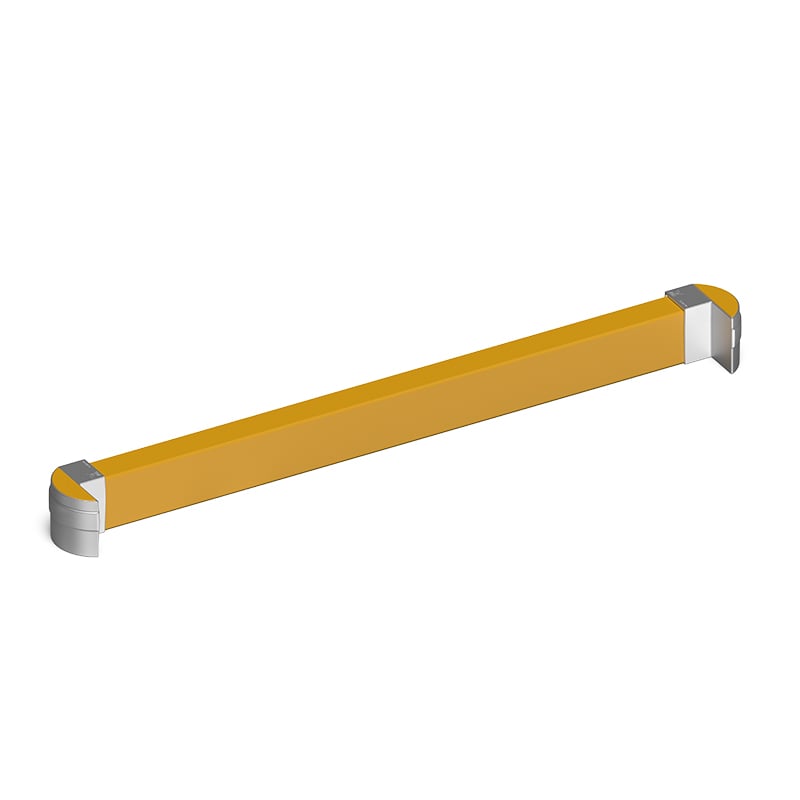
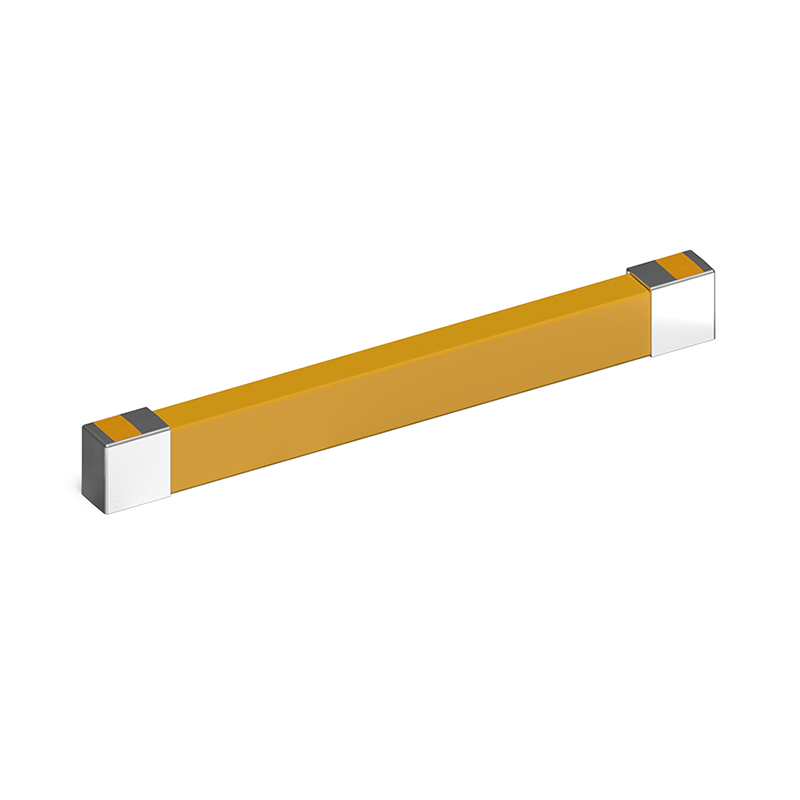
In high-traffic plants, wall and column edges take a constant beating from carts, pallet jacks, and forklifts. Industrial corner protection turns those vulnerable ninety-degree angles into resilient buffers that absorb daily scrapes without damaging the building structure. Left unguarded, a single clipped corner can expose rebar, crack concrete, and trigger costly repaint cycles across the facility.
A forklift moving at walking speed still carries enough mass to chip plaster, dent steel cladding, and flake paint on a sharp edge. Industrial corner protection matters because corners concentrate contact force onto a narrow line where two planes meet. Each minor contact removes a little material, and the exposed surface then rusts, stains, or collects bacteria in sensitive areas. Over a year, hundreds of low-speed contacts add up to visible structural wear that safety inspections eventually flag as a hazard.
Narrow aisles, rack-end approaches, and loading dock thresholds see the heaviest abuse. Carts and hand trucks swing wide on turns, while powered pallet jacks drift into walls during picking runs. Without industrial corner protection, these edges stay the weakest point of any traffic route. Column bases near traffic intersections are frequent victims because drivers must turn tightly in confined space. Cold storage and clean room perimeters are especially exposed, since any wall breach compromises insulation or sanitation zoning and forces a shutdown for repair. Separating pedestrian and vehicle routes with clear markings lowers corner strikes, yet physical protection stays essential where paths cross fixed structure.
Industrial corner protection built from flexible polymer outperforms rigid steel on impact return. Modern guards use engineering polymer with a self-recovering property: the profile bends under impact and springs back to its original shape rather than cracking. The rounded external face deflects carts away from the wall, while the internal channel hugs the corner for full coverage. Flexible barriers of this type improve energy absorption compared with rigid steel angles, which transfer the shock straight into the substrate. SS304 or powder-coated fixings keep the unit secure without rusting in damp facilities.
A clean, dry substrate is the first step. Adhesive-backed profiles suit smooth painted walls, while mechanical anchors or through-bolts handle heavier concrete and steel columns. Modular lengths let crews trim guards to fit door jambs and equipment housings on site. Installers should leave the floor gap clear so floor scrubbers pass, and they must verify that the guard sits flush so it does not become a new catch point for passing traffic. For outdoor or freezer zones, specify frost-resistant adhesive and corrosion-proof anchors because thermal cycling loosens weak bonds. Pre-drilling avoids substrate cracking on brittle concrete, and a short cure keeps the aisle usable the same shift.
A regional food-grade facility packaged dry ingredients along a corridor lined with painted concrete columns and wall returns. Before the upgrade, managers assumed repainting solved the issue, yet industrial corner protection proved more durable. Frequent forklift and cart traffic left black scuff marks and chipped paint at every corner, raising audit concerns about foreign-material risk and wash-down hygiene. Repainting every quarter disrupted production, and inspectors noted the damage as a potential contamination source near the clean room boundary.
The plant fitted polymer corner guards on all exposed column edges and wall returns using SS304 fixings rated for wash-down areas. Within six months the corners stayed clean and undamaged through daily traffic, and the quarterly repaint cycle was retired. The plant confirmed that industrial corner protection met both hygiene and impact goals. Auditors accepted the guards as a permanent protective barrier, and housekeeping reported faster turnaround between batches because edges no longer needed spot repairs or touch-up coating.
Specifiers should match guard height and profile to the impact source: low guards stop cart scrapes, while full-height columns need coverage up to the common contact zone. For any procurement review, industrial corner protection should rank above cosmetic repainting. Consider visibility, color contrast for pedestrian routes, and chemical resistance for wash-down plants. Products carrying TÜV certification and built under ISO 9001 quality systems give procurement teams documented assurance. Flexible options also reduce equipment damage and worker risk under OSHA 29 CFR 1910.178 forklift guidance. Confirm the profile width covers the full sweep radius of the equipment using the aisle, not only the visible contact height. Lighter cart zones may use snap-fit polymer, while heavy forklift lanes benefit from reinforced ends. Matching color to site safety coding aids visibility and supports consistent workplace zoning.
Weekly visual inspection catches loose fixings before they fail. Crews should wipe polymer faces during normal cleaning, check that anchors remain tight, and replace any unit showing deep cuts. Documenting checks supports ISO 45001 occupational health aims and helps managers track downtime tied to collision repairs. A simple risk register noting guard locations helps new staff recognize protected zones. Pairing guards with floor markings and wheel guides reinforces traffic management, lowering the chance of a direct hit. Where automated guided vehicles operate, brighter colored profiles improve detection and reduce collision frequency near fixed structures. With modest care, these guards deliver years of reliable structural protection and keep walls presentable without repeated painting.
Industrial corner protection is a low-cost, high-return upgrade for any facility where carts and forklifts share space with walls and columns. By pairing self-recovering polymer guards with a simple inspection routine, operations keep structural edges intact, reduce repaint downtime, and maintain audit-ready hygiene across the plant.
Frequently Asked Questions about industrial corner protection, wall corner guards, column corner protection, structural protection and impact corner guards
Question
What materials work best for wall corner guards in wash-down areas?
Answer: Wall corner guards and column corner protection in wash-down zones need materials that survive frequent cleaning. Polymer-faced profiles with SS304 or powder-coated fixings resist cart scrapes and do not rust during sanitation. Bare steel angles corrode after repeated wet wash and create contamination risk. Specify chemical-resistant grades for industrial corner protection rated for high-pressure cleaning, and confirm the anchor or adhesive bonds to a damp substrate so the impact corner guards stay secure through daily hygiene cycles.
Question
Why should facilities install column corner protection instead of repainting damaged corners?
Answer: Repainting only hides damage and the next forklift contact reopens the wound within weeks. Impact corner guards form a physical barrier that absorbs impact before it reaches the wall, so the substrate stays intact — the essence of structural protection. Facilities cut labor and paint cost, avoid production stops, and remove a rust or contamination source. Wall corner guards also keep edges audit-ready, whereas fresh paint still chips the moment traffic drifts into the corner again.
Question
How is a polymer wall corner guard installed on a concrete column?
Answer: Industrial corner protection starts with a clean, dry concrete surface free of loose paint. Crews apply adhesive-backed wall corner guards profiles or drill through-bolts for heavier columns, then press the impact corner guards flush into the corner channel. Modular lengths allow on-site trimming around door jambs and equipment. Finally, installers verify tight fixings and a clear floor gap so scrubbers pass and the column corner protection does not become a new catch point for traffic, preserving structural protection.
Question
Can column corner protection help with safety audits and standards?
Answer: Yes. Documented industrial corner protection demonstrates proactive hazard control and supports occupational health programs such as ISO 45001. Impact corner guards reduce collision injuries and equipment damage tied to forklift traffic under OSHA 29 CFR 1910.178. Auditors accept clean, undamaged edges as lower contamination risk in food and clean-room sites. Keeping a simple inspection record of wall corner guards and structural protection also shows continuous improvement, which strengthens compliance evidence during external certification and customer audits.
Question
Where are impact corner guards most needed in a warehouse?
Answer: Priority zones for industrial corner protection include narrow aisle ends, rack approaches, loading dock thresholds, and column bases near traffic intersections. Cold storage and clean-room perimeters also need column corner protection because any wall breach forces shutdown. Place wall corner guards wherever carts, pallet jacks, or forklifts must turn tightly beside a fixed structure. A quick traffic-flow walk can reveal the corners that already show scuff marks, which are the first candidates for structural protection with impact corner guards.
 Hot News
2024-06-01
2024-06-25
2024-06-28
2024-09-09