EN

ABOUT US
- Shounan Street URban Industrial Park,YinZhou District,NingBo City, ZheJiang, CHINA.
- +86-15381988180
- [email protected]

Automated production lines now mix robotic cells, conveyors, and autonomous vehicles on one factory floor. Without clear separation, fast equipment shares space with people and inventory. Machine protection barriers provide a physical and visual boundary that keeps each zone predictable. Little Buffalo Technology supplies flexible polymer guarding built for this industrial environment, helping facilities cut downtime and protect both assets and workers.
Machine protection barriers matter most where automated guided vehicles cross paths with robotic work cells. AGVs follow fixed routes but may drift, stall, or meet unexpected obstacles. A robotic arm moving at speed does not slow for a wandering vehicle, so the result is a high-energy impact that damages tooling.
Many collisions occur at cell openings where material enters and exits. Perimeter fencing alone is not enough if the threshold gap stays open. A layered approach sets a flexible, self-recovering bollard line a safe distance outward, giving sensors time to halt traffic before contact happens.
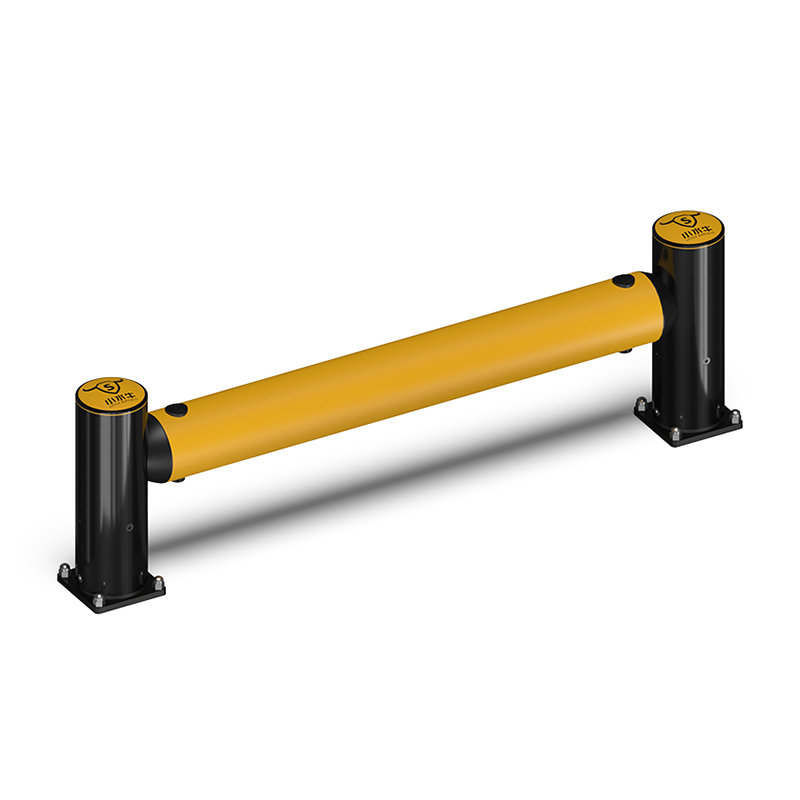
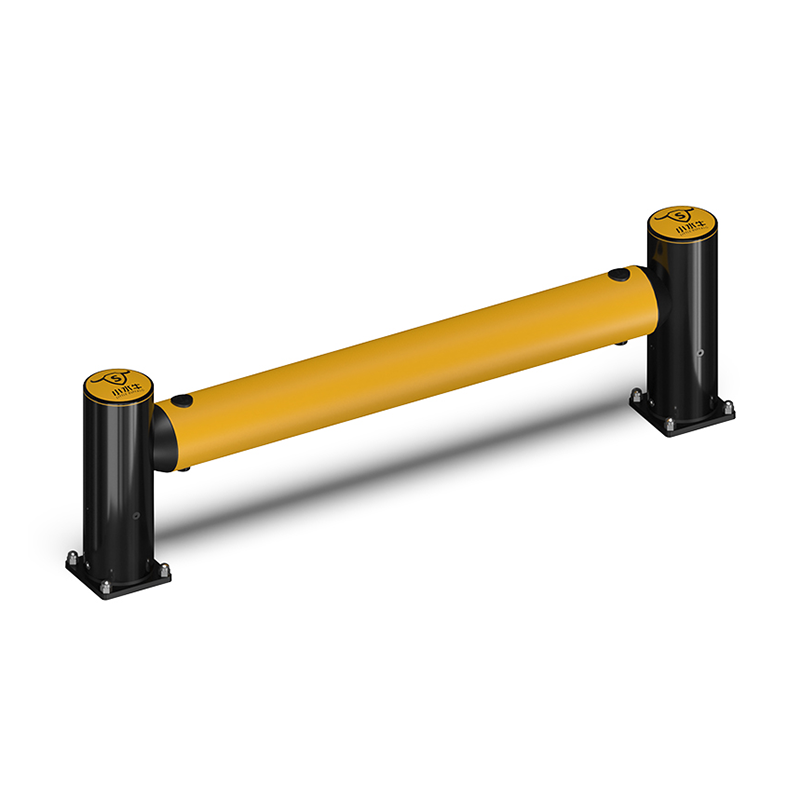
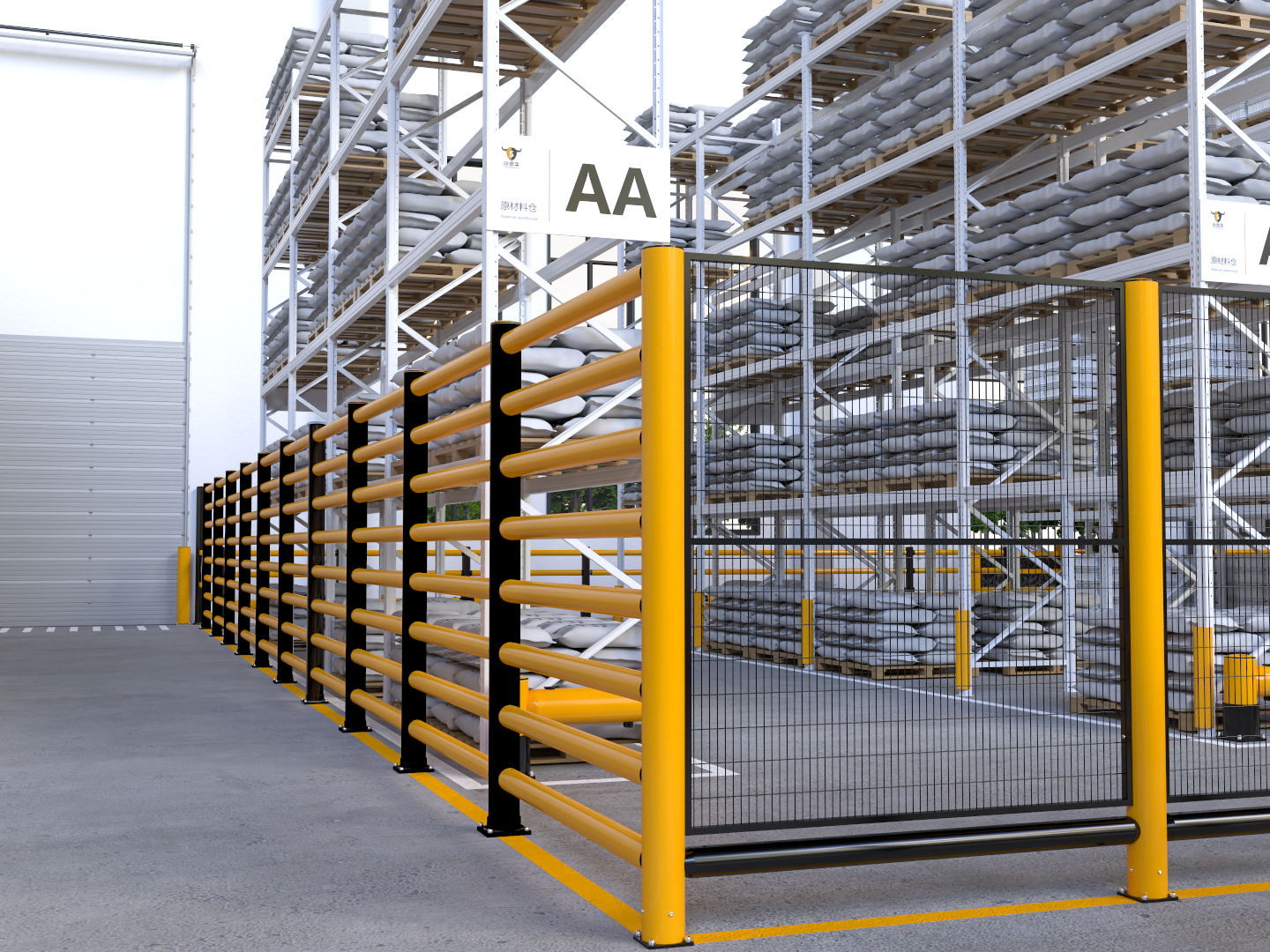
Flexible polymer barriers bend under forklift or vehicle impact and spring back to shape, unlike painted steel posts that stay bent after a hit. The self-recovering property keeps the aisle clear and reduces repair calls. Little Buffalo units use engineering polymer with cast metal ends and powder-coated bases.
Energy absorption is the core mechanism at work. A deflected post spares the rack upright, the machine column, and the structural frame behind it. Well-placed machine protection barriers turn a missed AGV strike into a minor event instead of a shutdown, lowering maintenance cost and steadying output.
Guarding standards give purchasers a measurable way to specify protection. ISO 14120 covers general requirements for machine guards, including strength, fixation, and prevention of access to danger zones. ANSI B11.19 sets performance criteria for safeguarding equipment, addressing distance, height, and durability.
Compliance is not paperwork alone. A guard rated for the wrong energy level fails on the first real strike. Designers should calculate likely impact force from the heaviest vehicle in the aisle, then choose barriers with matching resistance. Little Buffalo products carry TÜV certification and are made under ISO 9001 and ISO 14001 systems, supporting machine protection barriers that meet documented quality expectations.
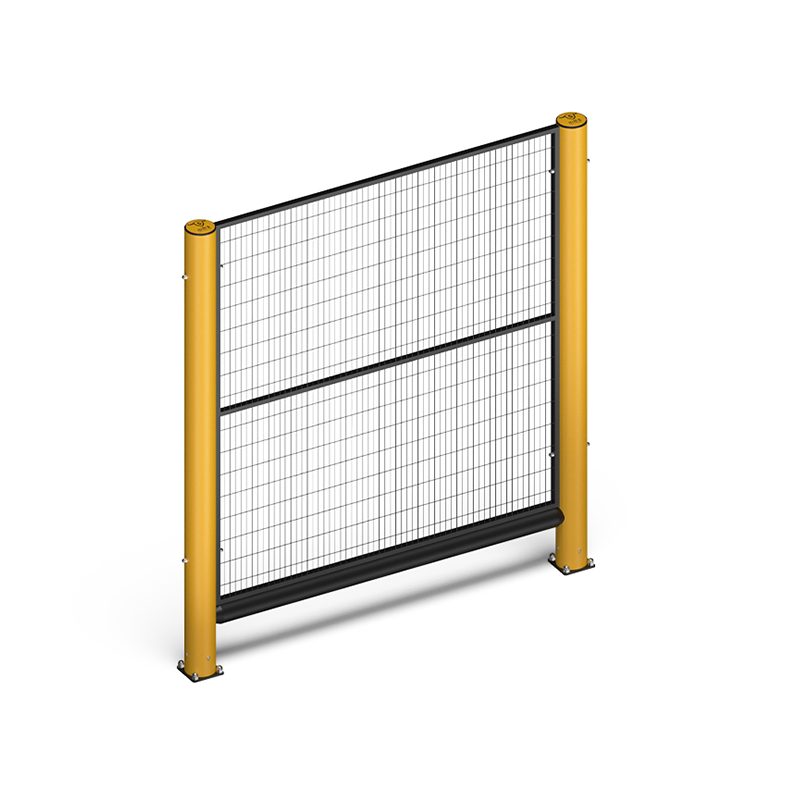
Robot cells need guarding that survives repeated low-speed contact without deforming permanently. Modular polymer guardrails clip into floor sockets, so a damaged segment swaps out during a planned break. SS304 fixings resist rust in cold storage and wash-down areas, while mesh boards shield operators from ejected parts.
Zoning guides selection. Pedestrian routes need visible waist-high rails; vehicle lanes need heavier bollards with clear contrast. Where automated and manual work overlap, machine protection barriers with clear zoning keep workers outside the robot envelope. A documented layout satisfies both safety audits and daily operations.
A regional electronics assembler ran an automated line where three AGVs ferried pallets between a robotic weld cell and a packing area. The route crossed the cell service aisle, and forklifts also entered to swap fixtures. Within a quarter two near-misses occurred when an AGV entered as the cell door opened.
The floor used painted lines only, with no physical stop between vehicles and the cell. Operators hesitated when walking past the open cell during AGV passes. Little Buffalo proposed a perimeter solution that would not block maintenance access or slow material flow, requiring clear separation, fast recovery, and a layout compatible with existing traffic management.
The team installed flexible polymer machine protection barriers around the robotic cell, leaving a controlled gateway for pallet exchange. A double bollard line set the minimum standoff distance, and mesh panels closed the upper opening. Within weeks an AGV that misread a pallet struck the outer bollard and stopped.
The post absorbed the hit, sprang back, and the line kept running. Over six months the perimeter stopped three similar incidents without damage to the robot or frame. Downtime from cell strikes dropped to zero, and the safety audit noted improved segregation between automated and pedestrian traffic.
Good installation starts with a traffic study. Map every vehicle path, pedestrian route, and machine envelope, then place barriers where they prevent entry rather than merely warn. Modular bases let teams reconfigure as lines change, which suits facilities that add cells each year.
Color and height carry meaning. High-contrast polymer and reflective bands help AGV scanners and drivers see limits in low light. Position flexible machine protection barriers far enough from columns and racks that a glancing hit cannot transfer force to the structure. A clear plan reduces installation rework and ongoing risk.
Barriers need a simple inspection routine. Check fixings, look for cuts or permanent deformation, and confirm posts return to plumb after impact. Replace any unit that no longer recovers, because a bent guard sends the wrong signal to operators and vehicles on the floor.
Maintenance stays light with self-recovering polymer, yet scheduled review catches wear before failure. Clean visible faces, verify anchor torque, and review layout when new equipment arrives. Little Buffalo recommends pairing inspection with operator feedback, since floor staff notice early signs of drift and hazardous change.
Machine protection barriers turn shared factory floors into ordered, predictable spaces where robots, vehicles, and people coexist safely. By combining flexible polymer construction with standards-based design and routine inspection, facilities reduce collisions, protect assets, and keep production moving. The automated line case proves that a well-planned perimeter prevents damage before it starts.
Frequently Asked Questions about machine protection barriers, automated line guarding, equipment guarding, robot cell barriers and machine safety
Question
What do perimeter machine protection barriers protect on automated lines?
Answer: Automated line guarding systems create physical boundaries around robotic cells, conveyors, and vehicle routes so people, AGVs, and equipment stay in assigned zones. The machine protection barriers reduce collision risk, protect expensive tooling, and support a calmer, more predictable floor. Proper placement of robot cell barriers also helps facilities meet safeguarding expectations during audits and limits unplanned downtime after minor impacts — a core part of machine safety.
Question
How do physical machine protection barriers differ from painted floor lines?
Answer: Painted lines only warn; equipment guarding barriers add a physical stop that vehicles and pedestrians cannot ignore. Flexible polymer machine protection barriers absorb impact and recover shape, while paint offers no resistance after a strike. For automated cells with mixed traffic, real automated line guarding prevents the contact that markings alone cannot stop — the difference between warning and true machine safety.
Question
Which standard applies to robot cell barriers and automated line guarding?
Answer: ISO 14120 covers general requirements for machine guards, including strength and access prevention. ANSI B11.19 sets performance criteria for safeguarding equipment such as distance, height, and durability. Specifying both helps buyers of machine protection barriers document that a cell meets recognized machine safety expectations and supports smoother audits by external reviewers. Local regulations may add further rules for equipment guarding, so confirm with the responsible safety officer before installation of robot cell barriers.
Question
Can flexible equipment guarding barriers survive forklift impacts?
Answer: Flexible polymer machine protection barriers bend under forklift or vehicle impact and spring back to shape, unlike painted steel posts that stay bent after a hit. The self-recovering property of automated line guarding keeps aisles clear and reduces repair calls. Little Buffalo robot cell barriers use engineering polymer with cast metal ends for stability in busy traffic lanes and demanding industrial environments, supporting reliable machine safety.
Question
Where should machine protection barriers be placed on a production line?
Answer: Place automated line guarding barriers where they prevent entry rather than merely warn, after mapping every vehicle path, pedestrian route, and machine envelope. Modular bases on equipment guarding let teams reconfigure as lines change. Position flexible robot cell barriers posts far enough from columns and racks that a glancing hit cannot transfer force to the structure behind them. A clear plan reduces installation rework and ongoing risk across the facility — and keeps machine safety consistent as production evolves.
 Hot News
2024-06-01
2024-06-25
2024-06-28
2024-09-09