Loading docks are among the busiest and most exposed areas in a warehouse or distribution center. Trucks arrive and leave, forklifts move pallets, dock equipment operates continuously, and employees may work close to vehicle movement. A small mistake in this environment can damage doors, dock structures, vehicles, equipment, or create a dangerous situation for pedestrians.
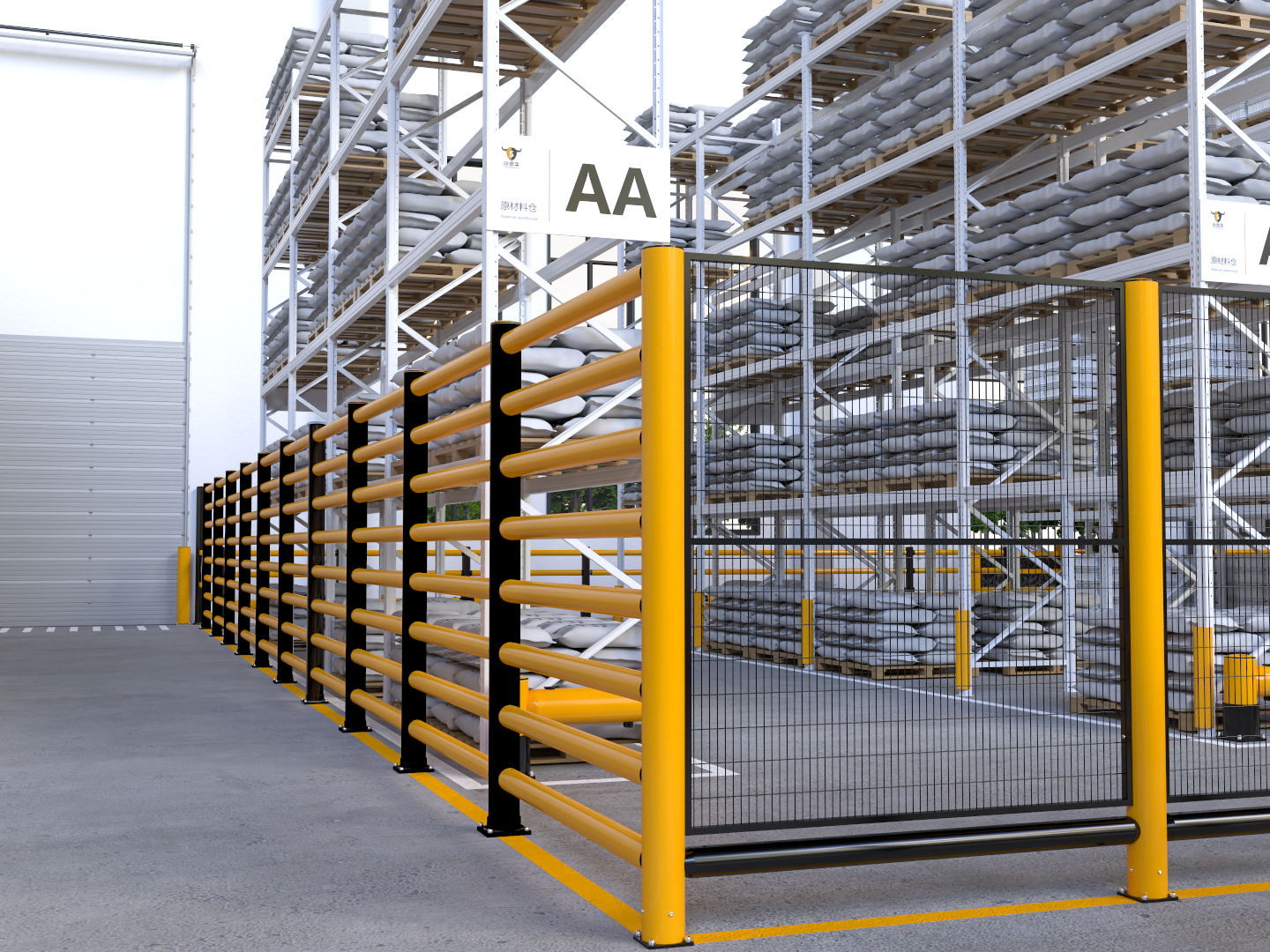
Loading Dock Safety therefore requires more than signs and floor markings. Physical protection should be designed around the movement of forklifts, trucks, pallets, and people. Flexible Industrial Guardrails provide a practical option for creating visible boundaries and impact protection around loading areas.
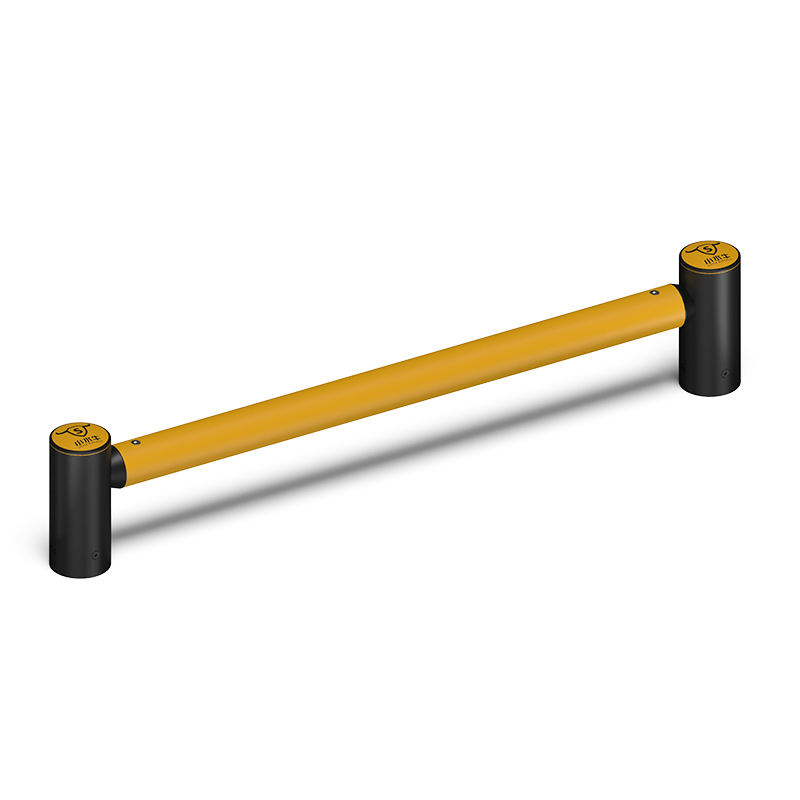
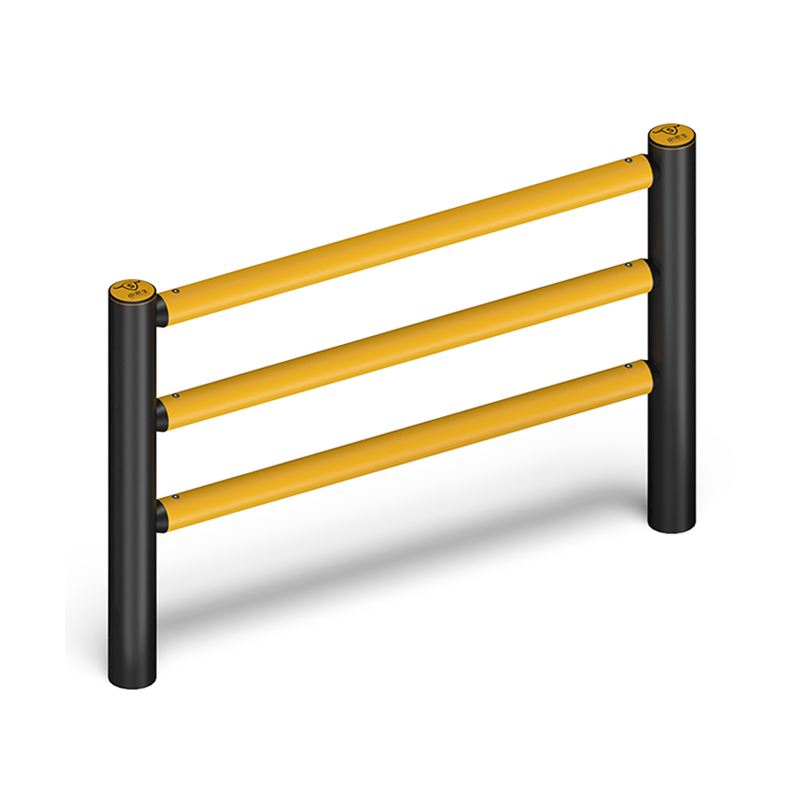
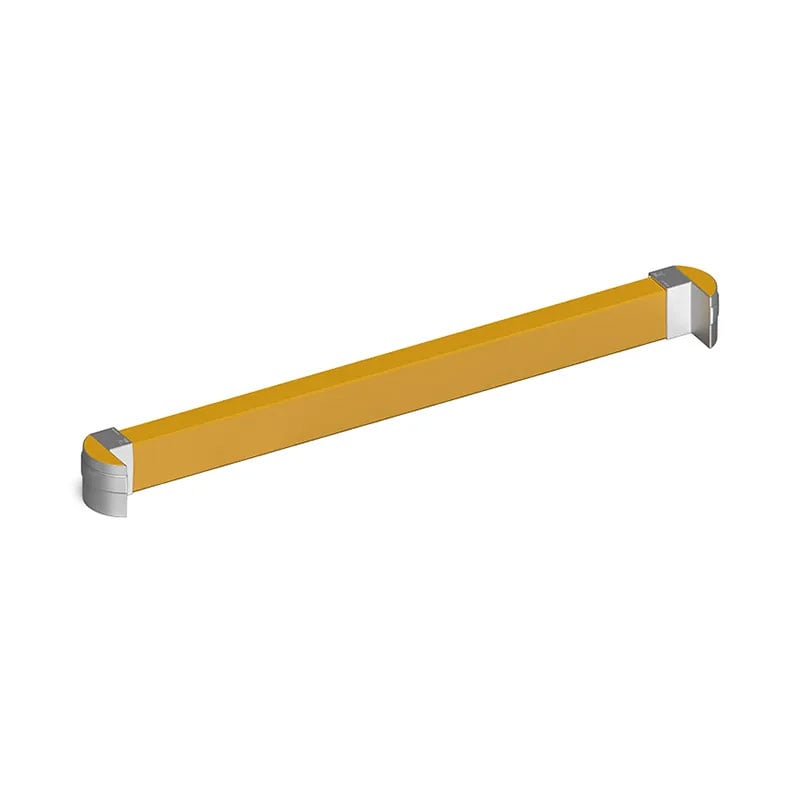
A Flexible Industrial Guardrail is a polymer-based barrier designed to flex when exposed to impact. Instead of acting like a completely rigid steel structure, it can provide a buffer between moving equipment and fixed infrastructure. This approach is particularly useful where repeated low-speed contact may occur.
Common Loading Dock Risks
Loading docks combine several types of traffic in a limited space. Forklifts may move from warehouse aisles to dock doors. Trucks may reverse toward the building. Employees may walk across the same area while handling pallets or checking shipments.
Dock doors are especially vulnerable. A forklift turning too tightly can hit a door frame, wall, control box, or safety equipment. Protective barriers can help keep vehicle traffic away from these assets.
Dock edges and pedestrian routes also require careful separation. A visible Flexible Industrial Guardrail can define safe areas and reduce uncontrolled movement toward vulnerable zones.
Why Flexible Barriers Work Well Around Docks
Loading areas experience frequent movement and occasional contact. A rigid barrier may stop a vehicle, but it can also be permanently deformed by impact. Repairing or replacing a steel barrier can require labor, equipment, and operational downtime.
A flexible polymer barrier is designed to respond to impact by bending and recovering. This can make it suitable for areas where occasional vehicle contact is part of the operational environment.
The flexibility of a Flexible Industrial Guardrail can also reduce the need for heavy rigid structures in every location. Customers can select different configurations for dock doors, pedestrian lanes, corners, equipment, and warehouse entrances.
Key Product Features
A loading dock protection system should be visible. High-visibility safety colors help operators identify boundaries during normal operations and busy periods.
It should also be flexible. Forklift contact can happen from different directions, so a barrier should be able to respond to impact.
It should be modular. Dock layouts vary by building and may change as warehouse operations expand. Modular sections can be configured to match different dimensions and routes.
It should be suitable for the environment. Loading docks may be exposed to rain, cold temperatures, cleaning processes, vehicle exhaust, and frequent daily traffic. Materials and components should therefore be selected for the intended conditions.
Protecting Dock Doors and Equipment
Dock doors are expensive operational assets. When a door is damaged, the issue can affect truck loading schedules, warehouse security, temperature control, and productivity.
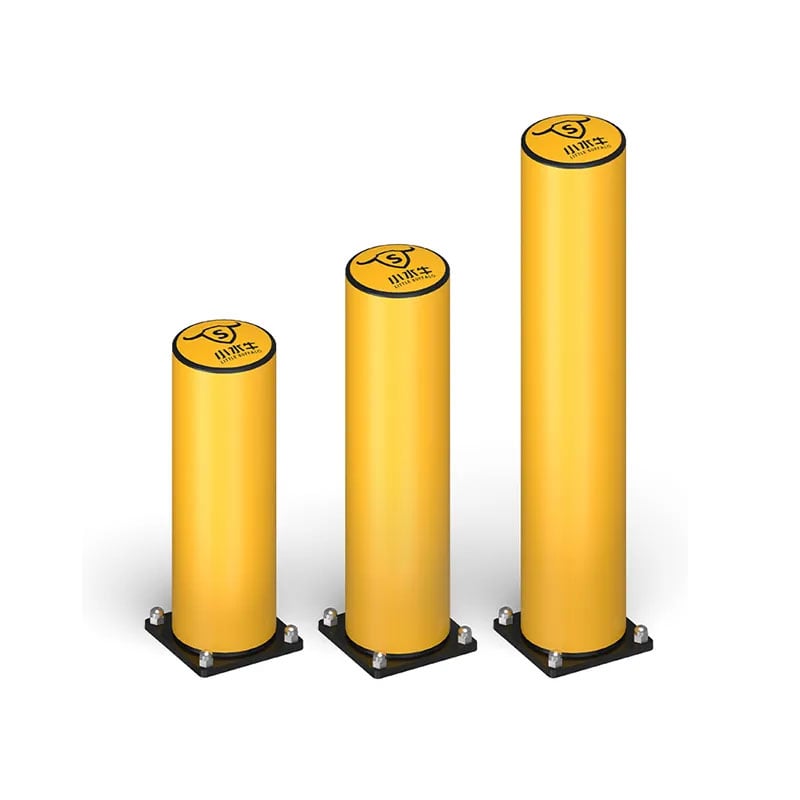
A Flexible Industrial Guardrail can be positioned in front of vulnerable door frames while leaving enough clearance for normal loading operations. Flexible bollards can provide additional protection around control panels, corners, and individual equipment.
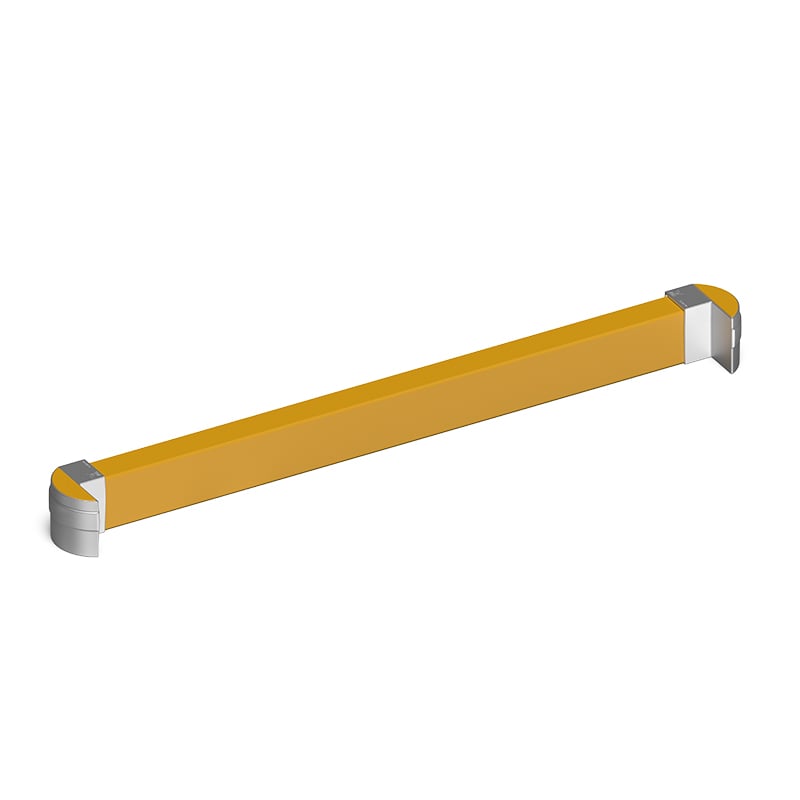
Where pedestrian traffic crosses forklift routes, barriers can create a clear physical boundary. This supports site traffic management without blocking necessary access.
Manufacturing Quality
A loading dock barrier needs consistent material performance because it may be exposed to repeated impact.
Production begins with suitable polymer material selection. The material must provide flexibility, strength, recovery performance, and environmental resistance. During molding, process conditions need to be controlled to maintain product consistency.
Metal base components and fixing systems also matter. The connection between the barrier and the floor is a critical part of the complete system. Assembly and inspection therefore need to be controlled carefully.
Finished products can be checked for dimensions, appearance, component quality, and relevant performance characteristics. Testing for UV exposure, temperature resistance, corrosion resistance of metal components, and impact behavior can provide additional information for project selection.
Creating a Complete Loading Dock Safety Plan
The best dock protection plan considers the entire traffic flow.
Start by identifying truck positions, dock doors, forklift turning areas, pedestrian paths, emergency routes, equipment locations, and areas where vehicles may reverse.
Then select protection products according to each risk. Flexible Industrial Guardrails can protect long boundaries. Flexible bollards can protect points. Ground barriers can define low-level boundaries. Pedestrian barriers can separate people from vehicle routes.
This creates a layered loading dock safety solution rather than relying on one product.
B2B Customization and Project Support
Every loading dock has different dimensions and operational requirements. For this reason, project support is important. Customers may need different barrier lengths, heights, colors, fixing methods, or layouts.
Little Buffalo focuses on flexible anti-collision safety products and can support customized projects for warehouses, factories, logistics centers, and distribution facilities.
The company can work with site drawings, photographs, dimensions, and application descriptions to develop an appropriate protection configuration.
Conclusion
Loading Dock Safety is closely connected to traffic management, physical protection, equipment reliability, and daily productivity. Flexible Industrial Guardrails can provide a visible, flexible, and modular protection layer around dock doors, pedestrian routes, equipment, and vulnerable infrastructure.
If you are upgrading your loading dock or planning a new warehouse, send Little Buffalo your project information. Our team can help you develop a flexible loading dock protection and anti-collision safety solution.
 EN



 Hot News
