Pedestrian safety is a central part of modern warehouse and factory management. In many facilities, employees walk through the same general environment where forklifts, pallet trucks, automated guided vehicles, and delivery equipment operate. The challenge is not simply to tell people and vehicles where they should travel. The facility also needs physical separation that is easy to see, practical to maintain, and suitable for everyday operations.
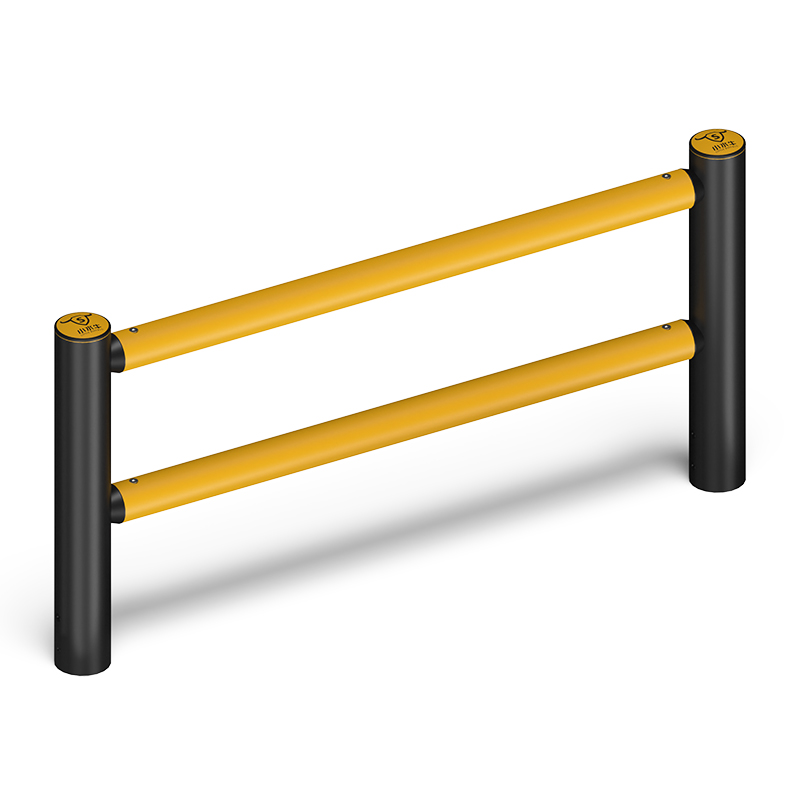
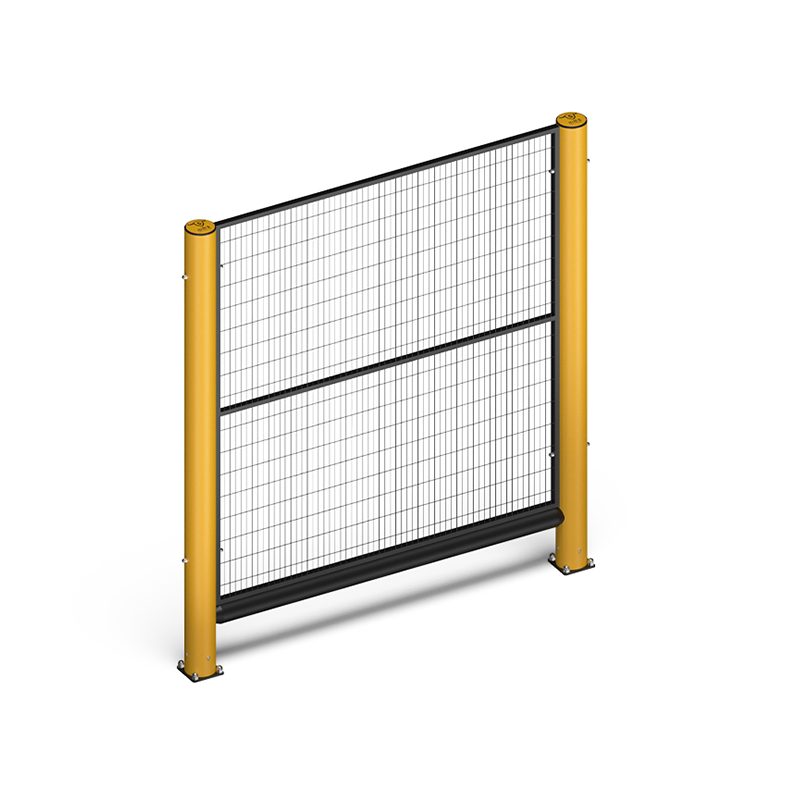
Pedestrian Safety Barriers provide this physical separation. Flexible Industrial Guardrails can be used to define walkways, protect crossing points, separate production areas, and create a visible buffer between people and moving equipment.
Why Physical Separation Matters
Painted lines are useful, but they do not physically prevent a vehicle from entering a pedestrian area. A physical barrier creates a stronger boundary.
In a busy warehouse, pedestrians may become distracted while carrying materials, checking inventory, or communicating with colleagues. Forklift operators may also have limited visibility because of loads or warehouse structures. A well-designed barrier system adds another layer of protection.
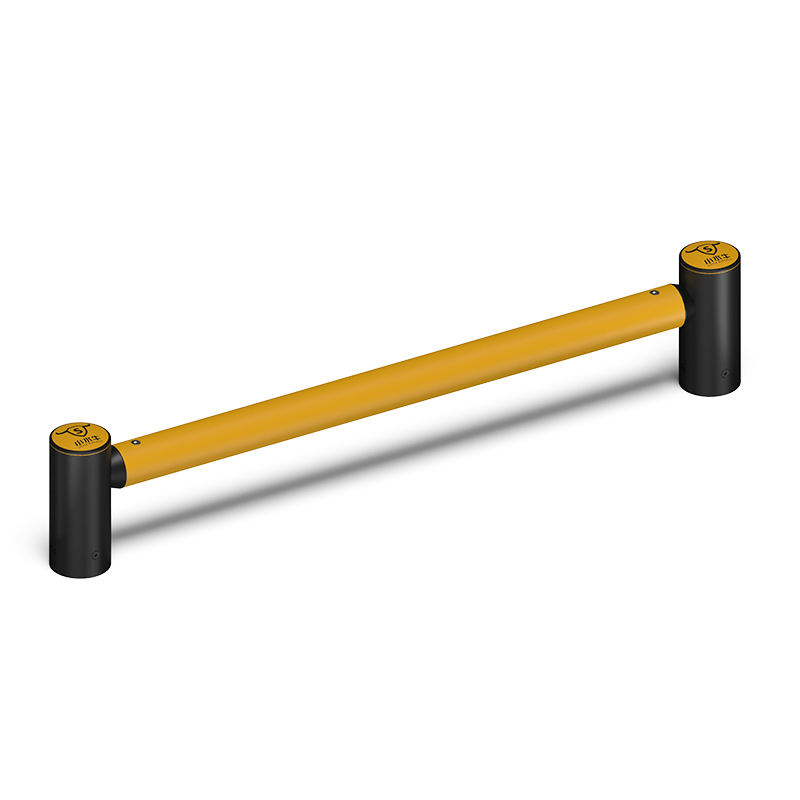
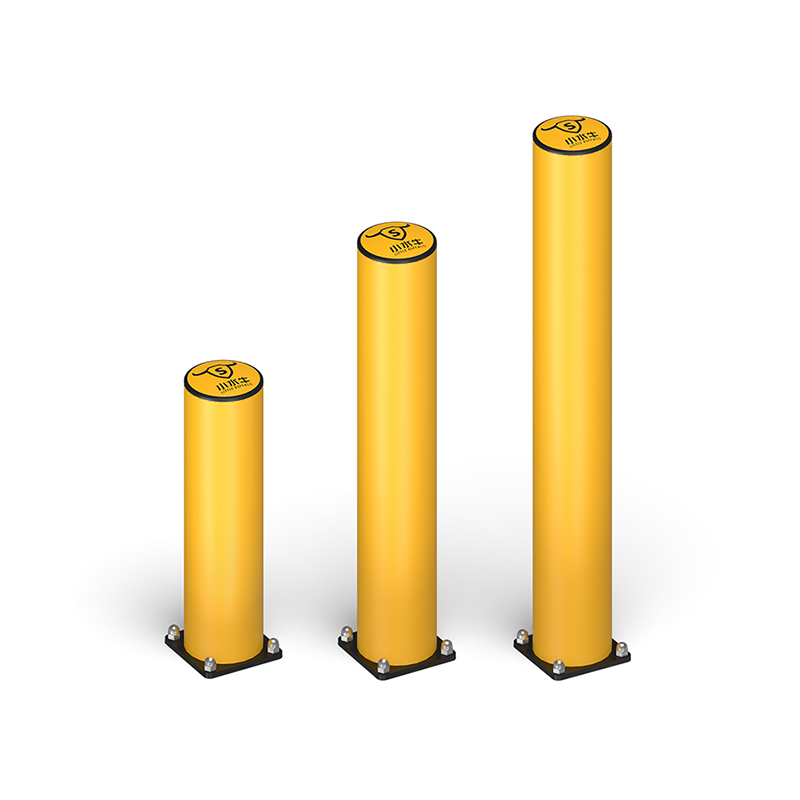
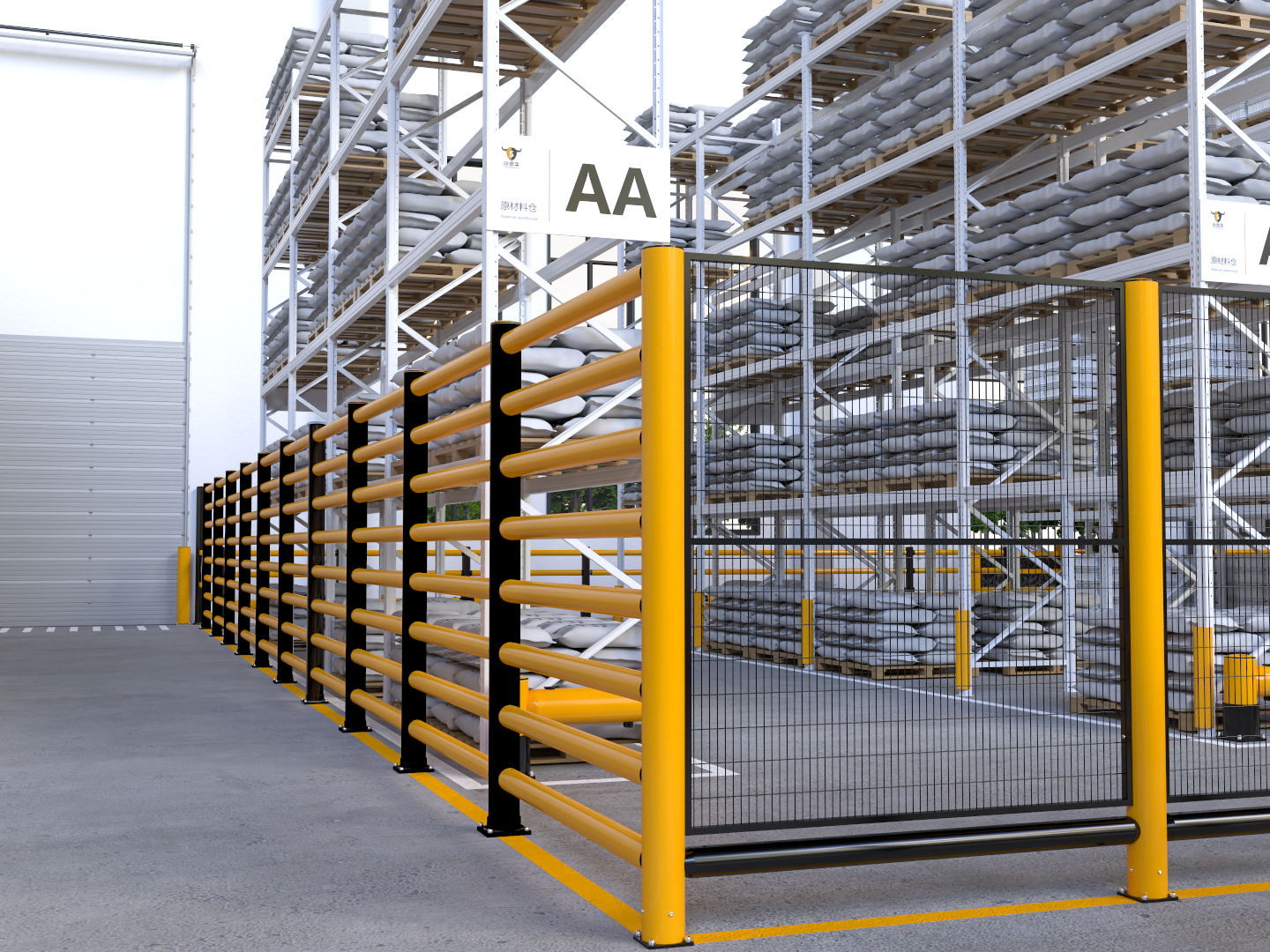
A Flexible Industrial Guardrail can follow the edge of a walkway and create a continuous physical boundary. At corners and access points, flexible bollards can provide additional protection.
Flexible Protection for Pedestrian Routes
Traditional steel barriers can create a rigid and permanent structure. Flexible polymer barriers provide another option for facilities where vehicle contact may occur.
If a forklift accidentally contacts the barrier, the flexible structure can bend and absorb part of the impact. After the load is removed, it can recover toward its original position. This makes the system suitable for environments where occasional contact is possible.
High visibility is also important. Safety colors help pedestrians and operators recognize the separation between traffic areas.
Applications
Pedestrian Safety Barriers can be used in warehouse aisles, factory walkways, logistics centers, production lines, packaging areas, loading zones, supermarkets, airports, and other industrial environments.
In warehouses, barriers can separate employees from forklift lanes. In factories, they can protect walkways near machines and production lines. In logistics centers, they can create clear routes between sorting areas and vehicle traffic.
At doors and intersections, flexible bollards can protect corners while maintaining access. Around equipment, flexible barriers can prevent accidental vehicle contact without creating unnecessary restrictions.
User-Friendly Design
A pedestrian protection system should be easy for employees to understand.
The barrier line should be continuous where separation is required. Openings should be positioned where people actually need to cross. Colors and signs should reinforce the layout.
Modular design makes it easier to adjust the system when operations change. If a production line moves or warehouse racks are reorganized, the protection layout can be modified.
Cleaning and maintenance should also be considered. Smooth polymer surfaces can be easier to maintain than damaged or corroded steel structures.
Manufacturing Process
The quality of a Pedestrian Safety Barrier starts with material selection. High-molecular polymer materials are selected according to the required flexibility, strength, durability, and environmental conditions.
The material is processed through controlled molding. Consistent temperature, pressure, and cycle parameters help maintain product dimensions and structural performance.
Metal base plates, connectors, anchors, and other components are then assembled. The finished system is inspected for dimensions, appearance, component quality, and fixing conditions.
For industrial projects, testing may include impact performance, UV resistance, temperature performance, and corrosion resistance of metal components.
Designing a Pedestrian and Vehicle Separation System
A practical design starts with a site survey. Managers should identify pedestrian destinations, forklift routes, crossings, doors, emergency exits, machinery, and blind corners.
The next step is deciding where a physical barrier is necessary and where controlled openings should be maintained.
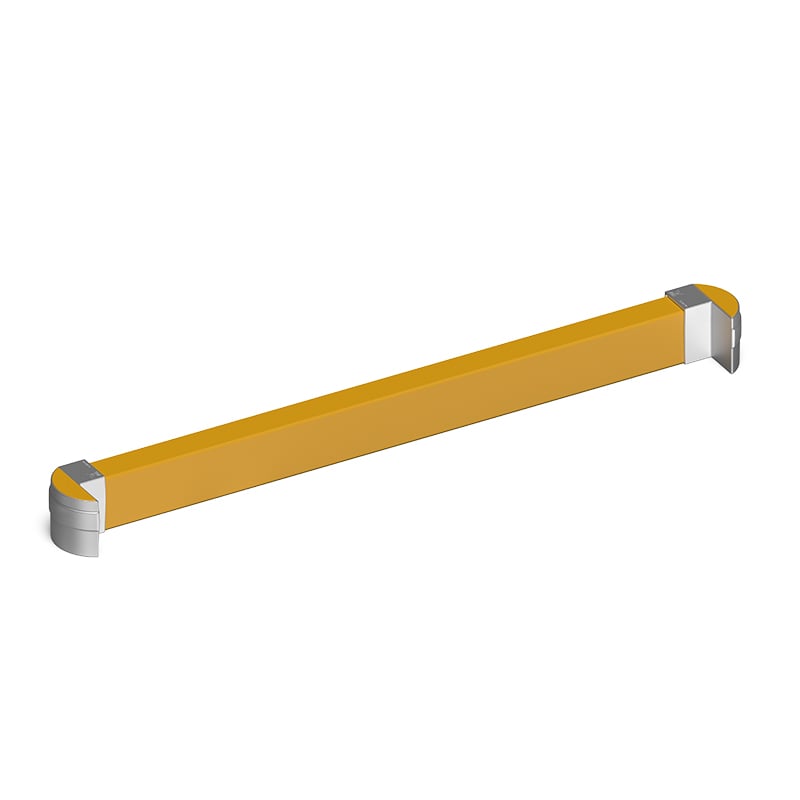
Flexible Industrial Guardrails can form long continuous boundaries. Flexible bollards can protect isolated points. Additional equipment protection can be added around machines and electrical cabinets.
The objective is not to make the facility difficult to move through. The objective is to make the intended routes clear and predictable.
Benefits for Facility Management
A well-designed pedestrian barrier system can improve visual organization and reduce uncontrolled interaction between people and vehicles. It can also protect walls, machines, racks, doors, and other assets.
For facility managers, modular flexible protection can simplify maintenance and future changes. Instead of rebuilding a complete system, individual sections can be adjusted or expanded.
For international B2B buyers, customization and manufacturing support are equally important. Different projects require different dimensions, colors, layouts, and fixing methods.
Little Buffalo provides flexible anti-collision protection for industrial facilities and can support customized pedestrian safety projects.
Conclusion
Pedestrian safety depends on clear routes, appropriate traffic management, employee awareness, and physical protection. Pedestrian Safety Barriers made with flexible polymer technology can provide an additional layer of separation while supporting practical daily operations.
If you are planning pedestrian protection for a warehouse, factory, logistics center, or production facility, contact Little Buffalo with your site layout and requirements. We can help develop a customized Flexible Industrial Guardrail system for your project.
 EN


 Hot News