Forklifts are essential to modern warehousing and manufacturing, but they also create one of the most important traffic risks inside industrial facilities. Forklifts operate close to racks, machines, walls, doors, columns, loading docks, and pedestrian routes. Even experienced operators can encounter blind corners, narrow aisles, unexpected pedestrians, unstable loads, or changing traffic patterns.
A properly designed Forklift Protection Barrier system creates a physical buffer between moving vehicles and vulnerable assets. Flexible Industrial Guardrails are particularly useful because they are designed to flex when impacted instead of transferring all collision energy into a rigid structure. This makes flexible protection a practical choice for busy warehouses, factories, distribution centers, and logistics facilities.
Where Forklift Protection Is Needed
The first step is identifying exposure points. Rack ends are common impact locations because forklifts must turn while carrying pallets. Building columns are another concern because structural repairs can be expensive and disruptive. Production machines, conveyors, electrical cabinets, doors, walls, and loading dock equipment may also be vulnerable.
Pedestrian routes require special attention. A barrier can create a clear physical separation between walking areas and forklift lanes. This does not replace traffic management, operator training, or site safety procedures, but it can add another layer of protection.
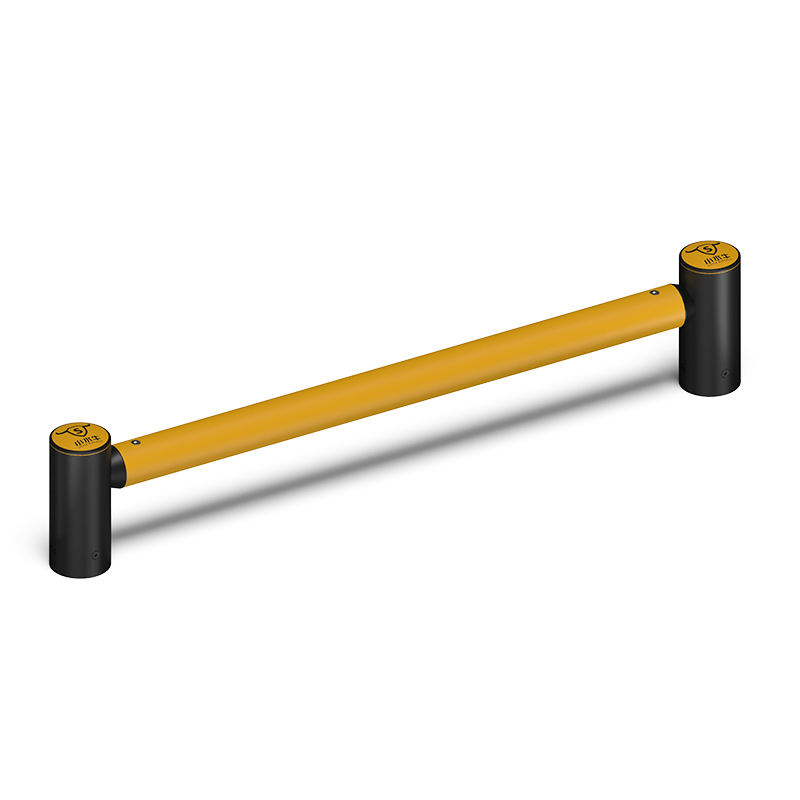
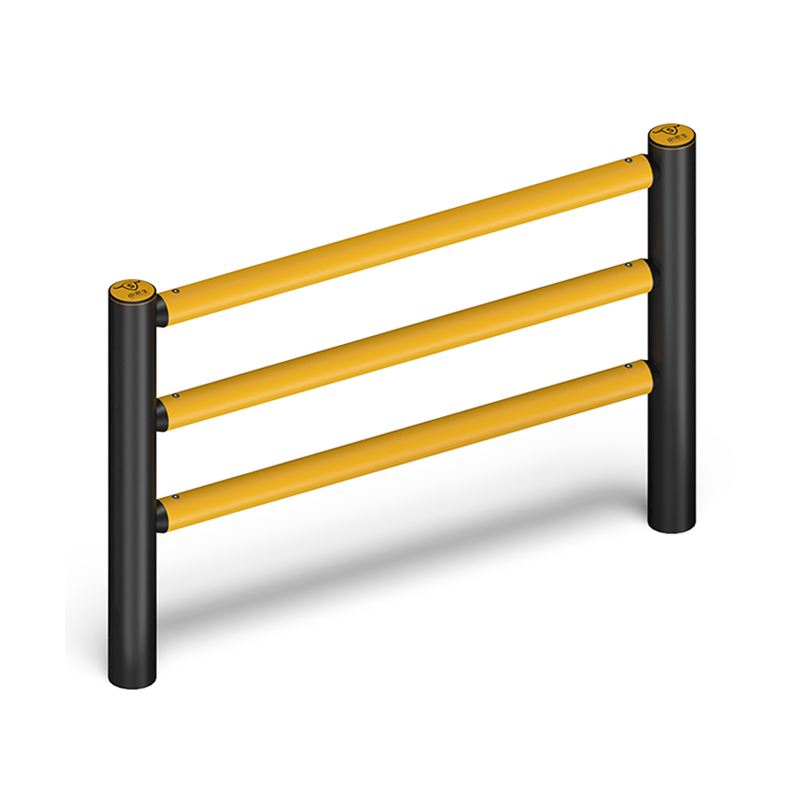
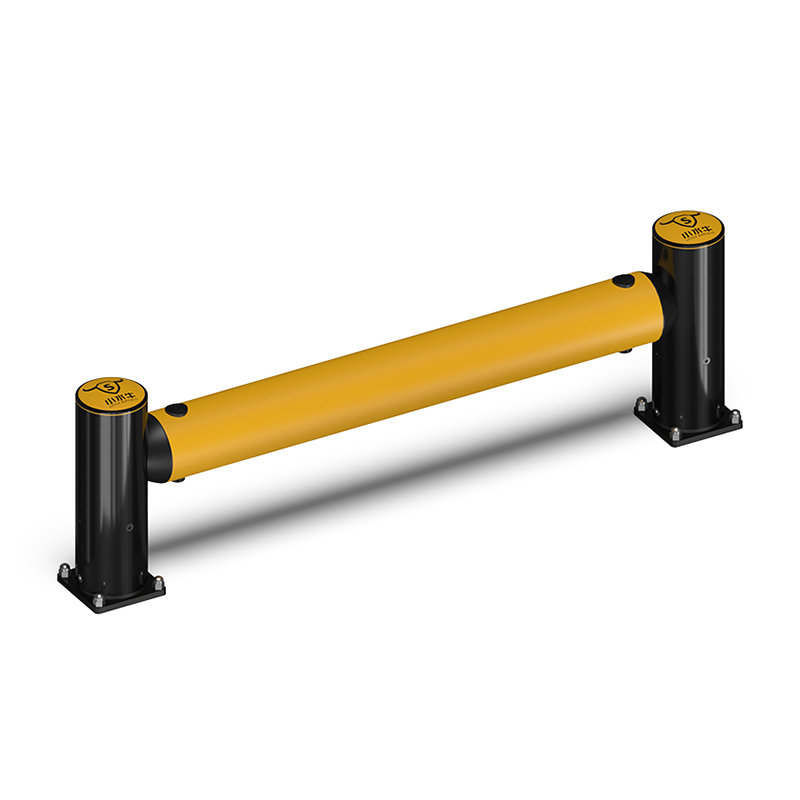
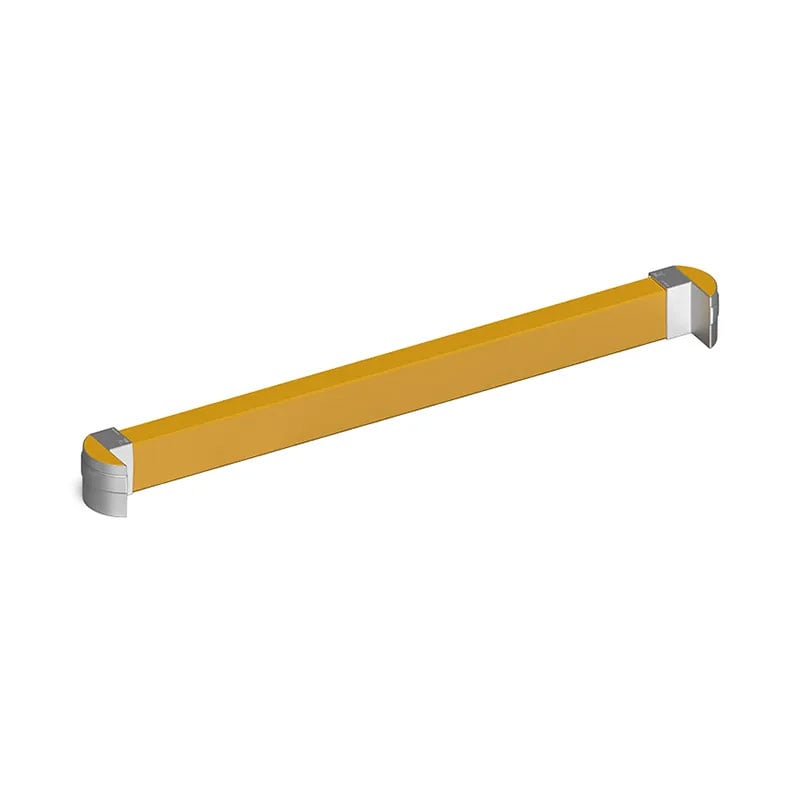
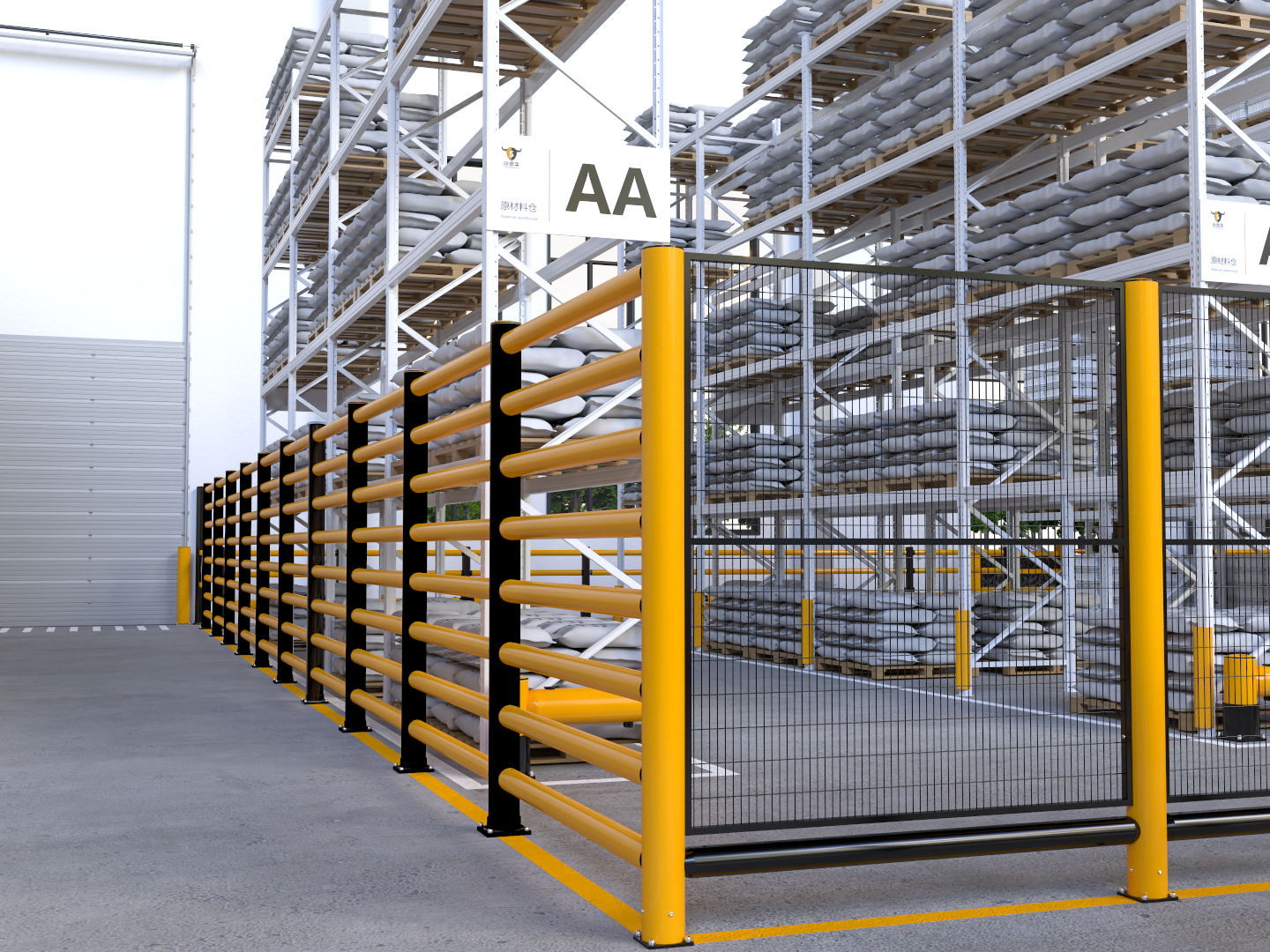
A Flexible Industrial Guardrail can be installed along pedestrian walkways, rack rows, production areas, and vehicle routes. Flexible bollards can protect individual columns, corners, doors, and access points. Together, these products form a flexible forklift protection system.
Why Flexible Protection Is Different
Rigid steel barriers are strong, but strength alone does not determine the total protection performance of a system. When a steel barrier is hit, the force can be transferred into anchor points and the floor. Repeated impacts can bend the steel, damage concrete, or require repair.
A flexible polymer barrier is designed to respond differently. The material can deform under impact and recover after the load is removed. This can help reduce the frequency of replacement after ordinary low-speed contact.
For high-traffic facilities, that difference can affect maintenance planning. Instead of treating every minor collision as a repair event, the facility can use a protection system designed for repeated operational contact.
Features of a Modern Forklift Protection Barrier
A modern forklift protection barrier should be highly visible, impact responsive, easy to install, and suitable for the working environment.
High visibility is important because operators need to recognize protected zones quickly. Yellow, black, or other safety-color combinations can make barrier lines easy to identify.
Flexibility is important because forklift impacts vary in direction and intensity. A flexible barrier can move with the impact and then recover.
Modular construction is useful because warehouses change. A facility may add racks, relocate machines, or change pedestrian routes. Modular protection can be adapted without replacing the entire system.
Environmental resistance is also important. Cold stores, food facilities, outdoor loading zones, and industrial plants may expose barriers to moisture, temperature variation, cleaning chemicals, or UV radiation.
Manufacturing and Quality Control
The reliability of a Forklift Protection Barrier depends on the complete manufacturing process. High-molecular polymer material must be selected for the intended application. Molding needs consistent temperature, pressure, and cycle control. Metal components and fixing systems must be correctly assembled.
Quality inspection can include dimensional checks, visual inspection, component verification, and performance testing. Relevant products may also be evaluated for UV resistance, temperature performance, corrosion resistance of metal parts, and impact behavior.
For international customers, packaging quality is also important. Industrial barriers must arrive at the project site without unnecessary damage and should be prepared for efficient installation.
Designing a Forklift Safety Layout
The most useful forklift protection system starts with the facility layout rather than a product list.
Managers can mark forklift routes, pedestrian crossings, rack ends, machine locations, doors, emergency exits, columns, and loading zones. The next step is to identify where an uncontrolled vehicle movement could create damage or safety exposure.
A Flexible Industrial Guardrail can then be used along long boundaries. Flexible bollards can protect individual points. Rack protectors can reinforce vulnerable storage areas. Height warning systems can be added where vehicle clearance is limited.
This layered approach creates a more complete industrial safety solution.
A Practical B2B Solution
For distributors, warehouse operators, safety consultants, and industrial contractors, flexible protection also provides flexibility at the project level. A manufacturer with in-house production can support different lengths, configurations, colors, and OEM requirements.
Little Buffalo focuses on polymer flexible anti-collision products and provides solutions for factories, warehouses, logistics centers, loading areas, and other industrial environments.
The objective is to provide more than a standalone Forklift Protection Barrier. The objective is to help customers develop a complete protection system that matches their facility.
Conclusion
Forklift safety requires more than operator awareness. Physical protection can create another important layer between moving vehicles and people, equipment, racks, and buildings. Flexible Industrial Guardrails and flexible bollards provide a practical way to create this separation while supporting long-term maintenance efficiency.
If you are planning forklift protection for a warehouse or factory, send us your layout, photographs, dimensions, and traffic requirements. Little Buffalo can help you evaluate the application and develop a customized Forklift Protection Barrier solution.
 EN


 Hot News