EN


How to Protect Warehouse Doors, Equipment, and Structural Assets
Warehouse equipment protection is often discussed after a strike damages a door frame, a conveyor guard, or a building column. A better time to act is while the route can still be studied. From a facility-safety planning perspective, the useful starting point is not a catalog page. It is the movement of forklifts, pallet trucks, trailers, pedestrians, and loads through the area. That route shows where impact exposure develops and which controls need to work together.
In practical terms, warehouse equipment protection should reduce exposure to costly physical assets while supporting safe movement through the facility. It does not promise zero incidents, and it does not replace operator training, markings, speed rules, inspections, or supervision. Instead, well-considered warehouse safety barriers can add a visible, physical layer of protection around assets that cannot simply be moved out of the way.
Start With the Route, Not the Barrier
A neat-looking installation is useful, yet the likely impact path should be checked before appearance drives the decision. Walk the route during different operating periods, especially where traffic changes by shift, at peak receiving times, or when staging areas expand. Record vehicle direction, turning points, reversing areas, load overhang, blind corners, door approaches, and locations where people cross the travel lane.
OSHA guidance for powered industrial trucks advises separating forklift traffic from pedestrians where possible and using particular caution at intersections or where visibility is obstructed. That principle is relevant to asset protection as well: the same blind turn that puts a pedestrian at risk may also direct a load or truck toward a door post, machine enclosure, or structural column.
- Mark each asset that would interrupt operations if damaged.
- Map the vehicle envelope, including forks, load overhang, rear swing, and turning clearance.
- Note whether access for maintenance, emergency egress, or cleaning must remain open.
- Review near misses and visible scuff marks as evidence of the route, not as isolated cosmetic issues.
Protect Warehouse Doors and Dock Approaches
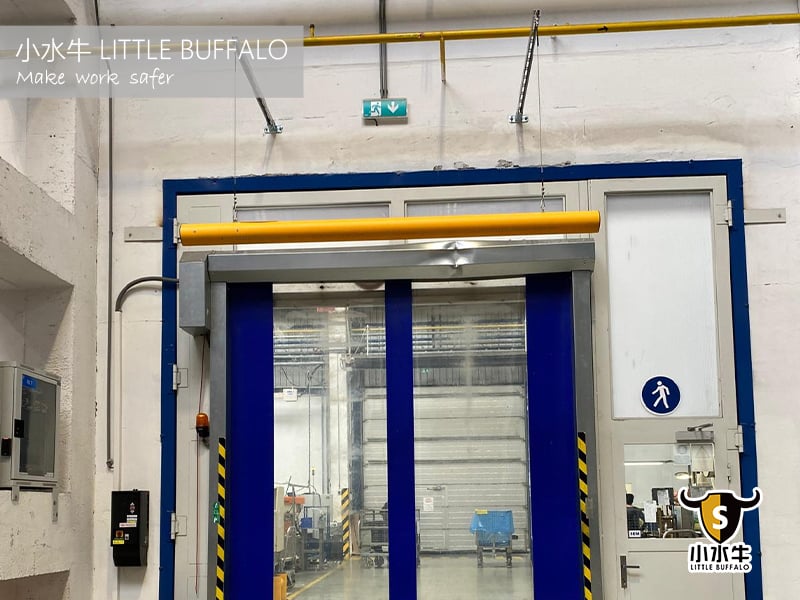
Doorways combine several types of exposure. Forklifts may approach at an angle, loads can obscure a driver’s view, and a door opening may also be a pedestrian or trailer interface. Dock areas add edge awareness, changing weather conditions, and trailer movements. OSHA’s loading-dock guidance highlights hazards such as dock edges, wet or icy conditions, tail swing, and obstacles when exiting trailers. These conditions make a simple “one barrier fits all” approach unreliable.
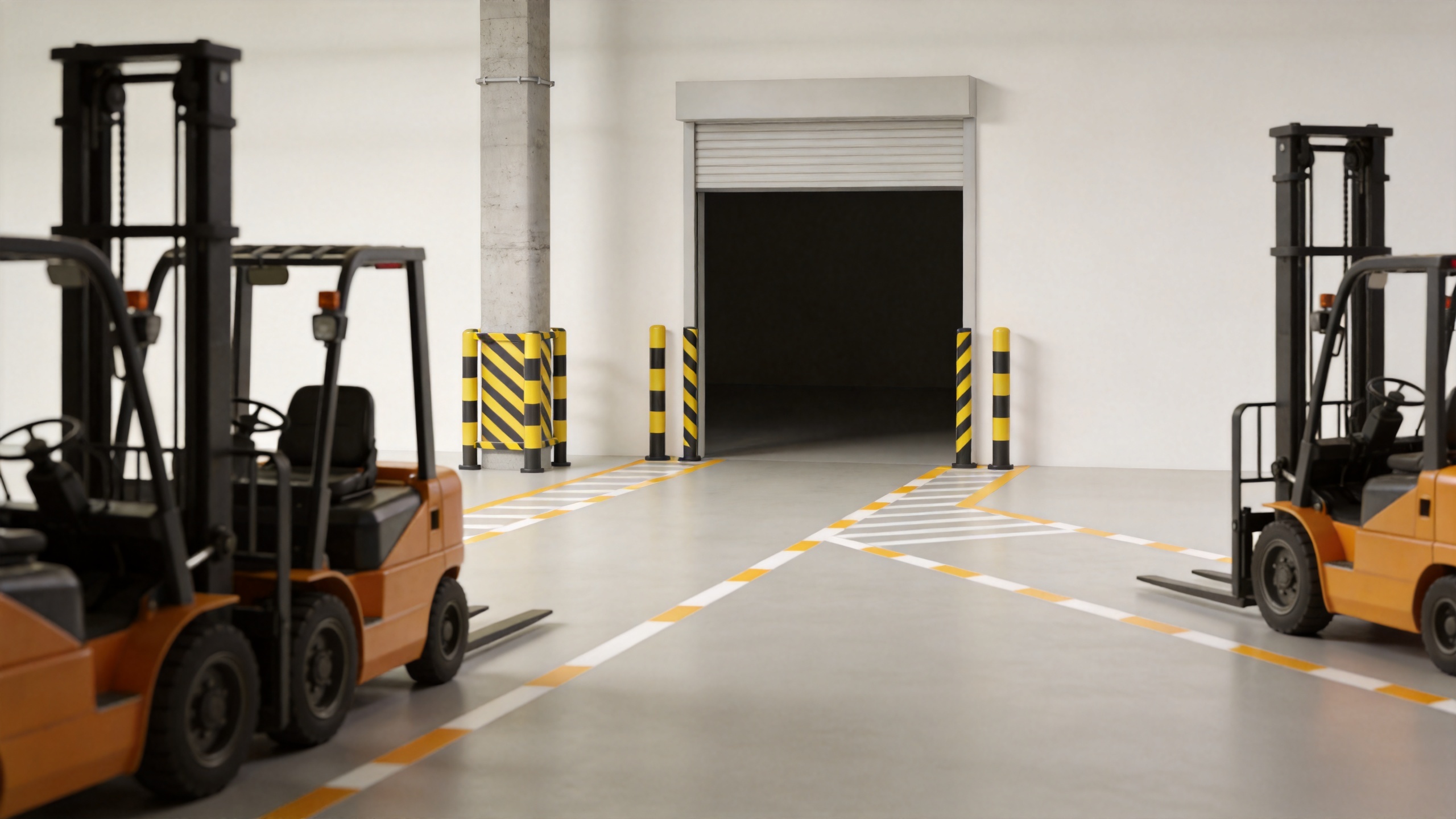
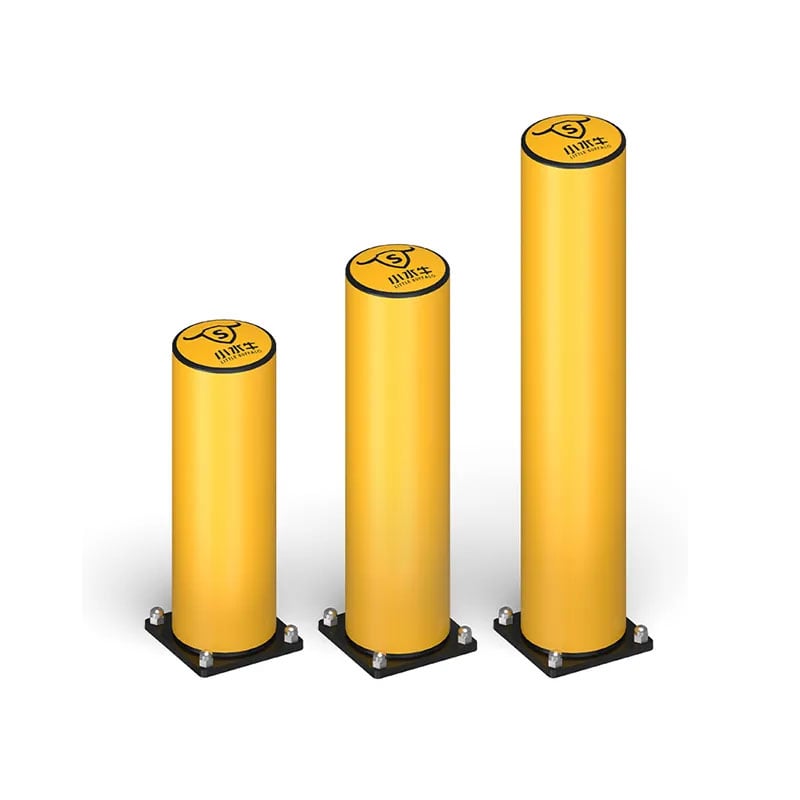
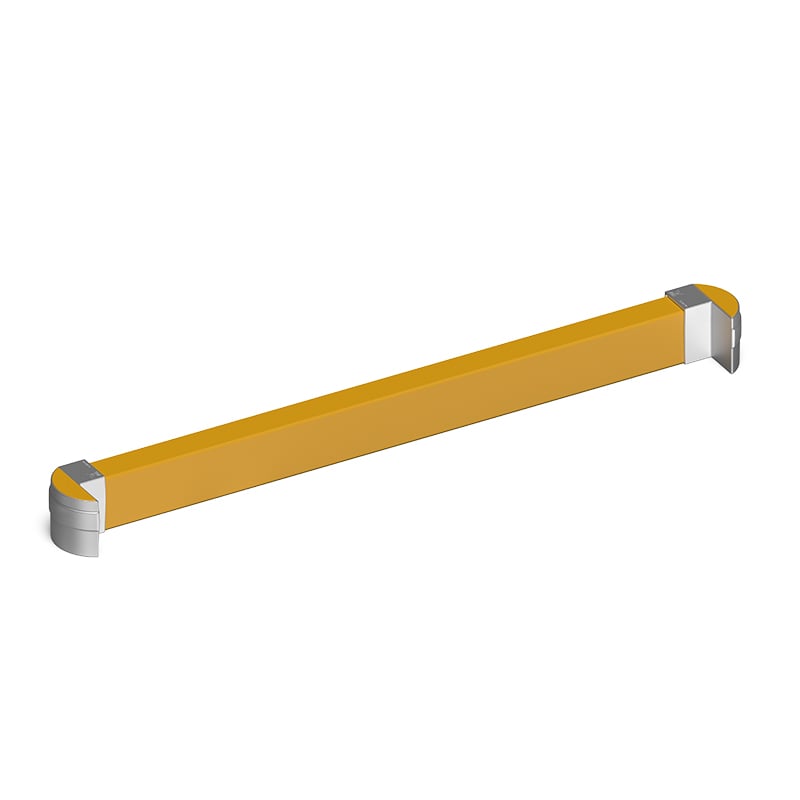
For door areas, assess the width of the clear opening, the direction of approach, the set-back distance available, and whether a protection element could create a new pinch point or restrict egress. Depending on the verified site requirement, the protection concept may include separated traffic lanes, conspicuous marking, bollard-style guarding, rail systems, or goalpost-style frames. The suitable option depends on the approach angle and clearance, not on a single headline feature.
Keep the control hierarchy clear. Warehouse collision prevention starts with route design and operating rules; physical protection supports that plan where errors, congestion, or constrained geometry still create exposure.
Safeguard Equipment Without Blocking Its Work
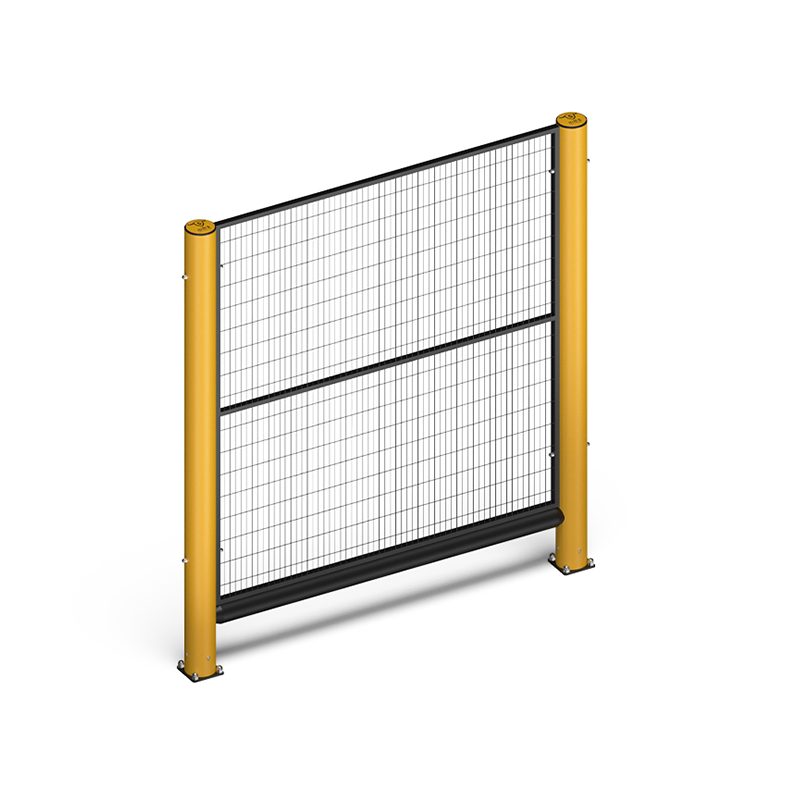
Conveyors, control panels, charging areas, packing equipment, and automated work cells are vulnerable for different reasons. A barrier around a conveyor may need to keep lift trucks outside a strike zone while preserving access for inspection. A control cabinet may need stand-off space so doors can open safely. At a charging station, the layout must also respect the applicable electrical, fire, and operational requirements for that site.
Rather than evaluating one rail alone, map how it works with markings, gates, maintenance access, and pedestrian routes. This reveals whether a proposed installation actually protects the equipment or merely moves the conflict to another point. Before treating impact performance as a decision point, confirm what evidence applies to the intended installation, mounting condition, and vehicle exposure.
Questions to Ask Around Each Equipment Zone
- What vehicle type, travel direction, and load profile can enter the zone?
- Which surfaces, panels, guards, or supports need a protected stand-off distance?
- Who needs access, how often, and from which side?
- Could a strike redirect a vehicle toward people, racks, utilities, or another critical asset?
- What inspection point will show whether the control has been displaced or damaged?
Give Columns, Corners, and Structural Assets Their Own Review
Columns and building corners are easy to overlook because they are fixed and familiar. However, a structural element located near a turn, cross aisle, or staging lane can be repeatedly exposed. The aim is not to assume that every column needs the same treatment. It is to determine whether the traffic pattern, turning radius, and available clearance justify a dedicated protective zone.
Use the same reasoning for rack-adjacent posts, sprinkler risers, utilities, and fire-protection equipment. These assets can have different access and regulatory constraints, so a qualified site review may be needed before installation. Warehouse safety barriers should be designed so they do not cover identification, obstruct emergency equipment, or interfere with required clearances.
Choose a Layered Warehouse Equipment Protection Plan
A reliable plan combines controls instead of expecting a single product to solve every route problem. The table below can help teams organize a site review.
| Zone | Typical exposure to verify | Possible control layers |
|---|---|---|
| Door and dock approach | Angled entry, reversing, tail swing, limited sight lines | Route marking, speed and access rules, visible warnings, physical guarding where appropriate |
| Equipment perimeter | Travel-lane encroachment, loads, maintenance access conflicts | Set-back zone, marked boundary, access gate or opening, barrier configuration matched to the layout |
| Columns and corners | Turning radius, rack traffic, repeated scuffing | Clearance review, visual delineation, dedicated impact-protection concept where justified |
| Pedestrian crossing | Mixed traffic and obscured visibility | Route separation, crossing design, signage, operating procedures, physical separation where feasible |
Put simply, the barrier choice follows the route problem rather than the other way around. This approach helps procurement, operations, EHS, and maintenance teams discuss the same facts: what must be protected, how traffic behaves, what access remains necessary, and what evidence is needed before specifying a configuration.
Inspect, Learn, and Adjust
Warehouse equipment protection is not complete on installation day. Include barrier locations, markings, doors, and exposed assets in routine inspections. Look for shifted components, recurring contact marks, new storage habits, or temporary staging that narrows an originally clear lane. If the route changes, review the protection plan before the new arrangement becomes normal practice.
A useful warehouse equipment protection inspection also checks whether the original assumptions still hold. Has a new truck type increased the turning envelope? Are pallet dimensions, travel direction, or staging practices different from the layout that was reviewed? Are protective elements still clearly visible, securely positioned, and reachable for inspection? These questions turn warehouse collision prevention into an ongoing operating practice rather than a one-time installation decision.
For an active facility, the practical goal is layered risk reduction: protect assets, preserve workable access, and keep people separated from mobile equipment where possible. A site-specific review of traffic routes, impact exposure, mounting conditions, and maintenance needs provides a stronger basis for warehouse safety barriers than an assumption based on product appearance alone.
Warehouse Equipment Protection Review Checklist
Before approving a new configuration, bring operations, maintenance, and safety stakeholders to the affected zone. A short joint review can reveal conflicts that a drawing alone does not show. Use this checklist to guide the discussion:
- Confirm the asset to be protected and the consequence if it is damaged.
- Observe the route at the times when congestion, reverse travel, or temporary staging is most likely.
- Measure clearances and confirm required access to doors, panels, fire equipment, and emergency routes.
- Document the vehicle type, likely impact direction, and any visible evidence of repeated contact.
- Define the inspection owner and the action to take if a protective component is moved or damaged.
This keeps warehouse equipment protection tied to actual conditions. When changes occur, revise the route controls and physical protection together so warehouse safety barriers continue to support the way the facility operates.
 Hot News