EN


How to Prevent Falls at Warehouse Loading Platforms
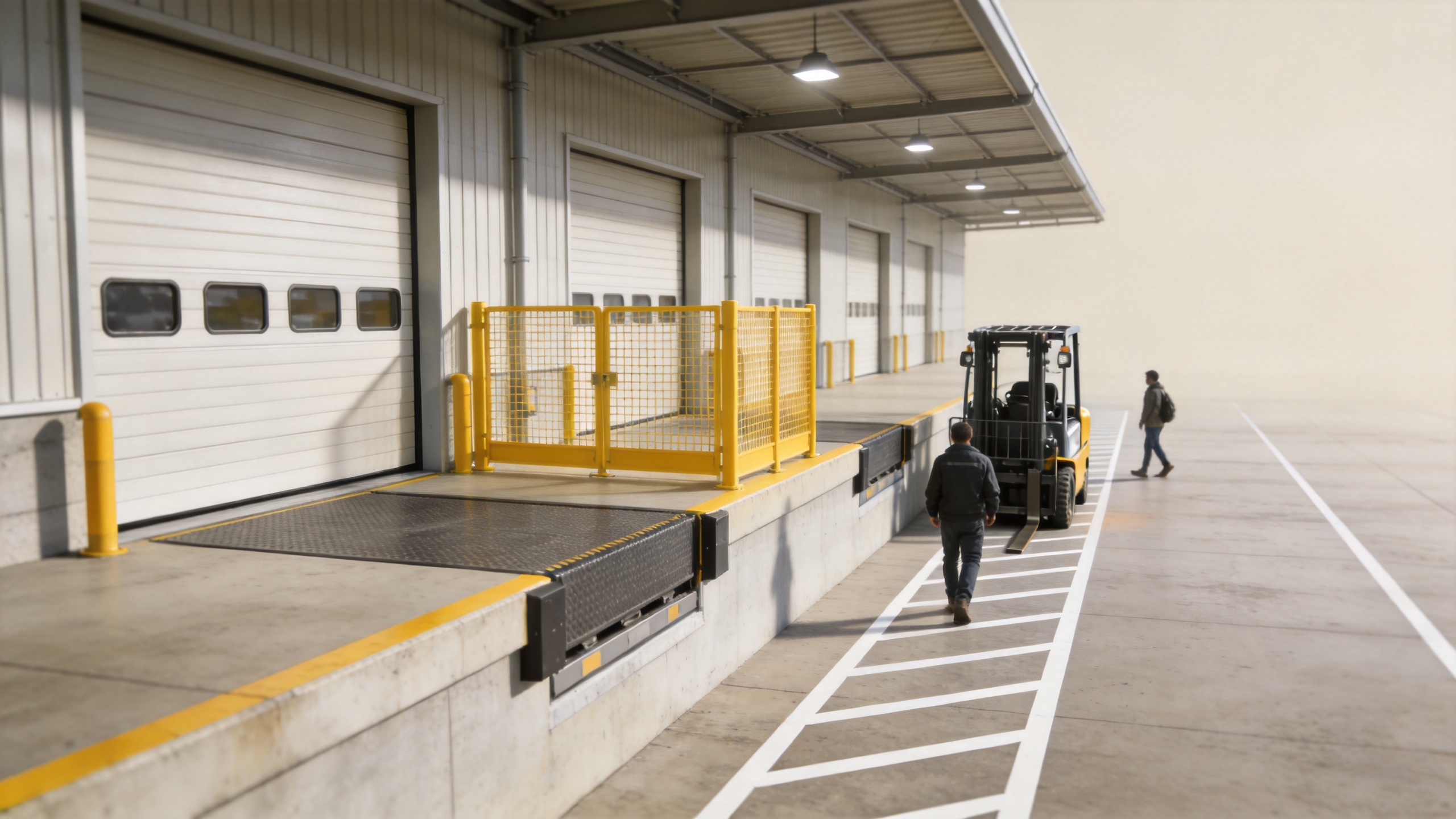
Loading platforms concentrate several hazards in a small, changing space: an open edge, a truck that may arrive or leave, forklifts carrying uneven loads, and people who need access to paperwork, dock controls, or the trailer. Effective loading platform fall prevention starts with a simple premise: the edge, traffic route, and work sequence must be planned together. A rail alone cannot make an unsafe release process safe, and a painted line cannot stop a person from stepping into an unprotected drop.
For an EHS team, loading platform fall prevention is one layer in a broader operating system. The most useful question is not “Which barrier should we buy?” but “When is the edge open, who can approach it, and what changes when a vehicle is present?” That shift helps teams set controls that remain practical during busy shifts.
Start with an exposure review, not a product list
Before selecting controls, walk the platform during actual receiving and dispatch activity. Map the open sides, door openings, dockboards, pedestrian shortcuts, staging locations, forklift turning paths, and places where staff wait for instructions. Good loading platform fall prevention begins by identifying when a person could reach an unprotected edge, rather than assuming the platform is equally exposed all day.
In U.S. general-industry settings, OSHA 29 CFR 1910.28 sets a fall-protection requirement for employees on walking-working surfaces that are 4 feet (1.2 m) or more above a lower level, subject to the standard’s applicable provisions. This is a useful review trigger, not a substitute for checking the requirements that apply to a specific site, task, or jurisdiction. Treat local rules, equipment instructions, and qualified safety review as part of loading platform fall prevention.
Control the edge whenever the trailer is absent
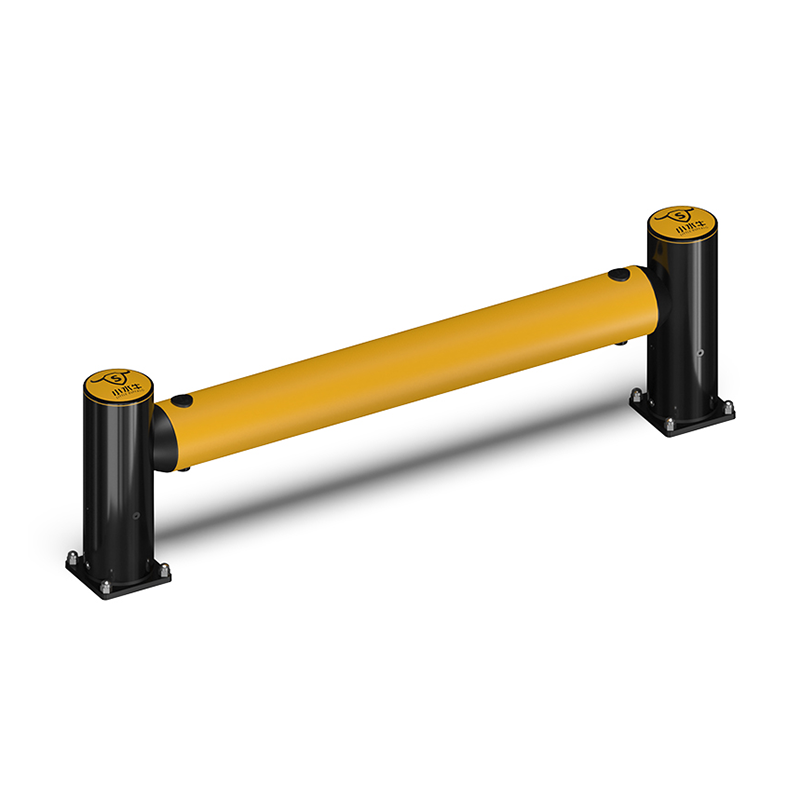
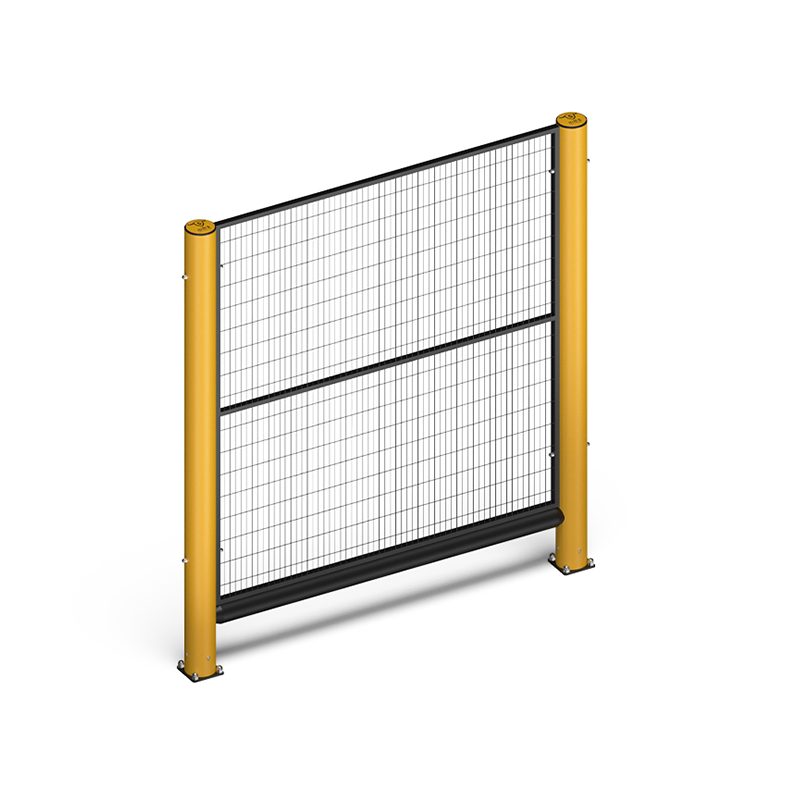
An unattended dock face can look ordinary until someone steps backward while handling a pallet, checking documents, or avoiding vehicle traffic. For loading platform fall prevention, establish what happens immediately after a trailer leaves and before another vehicle is secured. Depending on the layout and verified design requirements, controls may include fixed guardrails, swing gates, lift-out barriers, interlocked dock gates, or another suitable edge-protection method.
Choose a solution that workers can use correctly every shift. A gate that is routinely left open because it conflicts with a common task is not a dependable control. Review clearances for doors, dockboards, cleaning, emergency access, and maintenance. If the route changes by shift, observe more than one operating period before finalizing loading platform fall prevention measures.
Prevent the gap hazard before loading starts
Platform-edge protection and trailer control are connected. An early pull-away, trailer creep, or an unsecured vehicle can create a dangerous gap between the dock and the trailer. OSHA interpretation guidance explains that, when vehicle restraint systems are not used, trailers must be properly chocked during forklift loading and unloading. Your written loading platform fall prevention procedure should make clear who verifies restraint or chocks, how the status is communicated, and who may release the vehicle.
Use a visible sequence: vehicle positioned, restraint confirmed, dock equipment inspected, access authorized, loading completed, dock cleared, and release approved. This sequence makes loading platform fall prevention operational rather than merely architectural. It also helps prevent a forklift operator or pedestrian from approaching an unsafe gap during a handoff.
Separate people from vehicles near the platform
Warehouse collision prevention matters because an evasive step away from a forklift can send a worker toward an open edge. Plan pedestrian routes so that people do not have to cross a forklift approach path to reach a control panel, paperwork station, or break area. Where exposure warrants it, warehouse safety barriers can define the pedestrian side of the work zone while preserving required access.
For loading platform fall prevention, assess the whole zone: truck approach, reversing area, staging lane, platform edge, and pedestrian path. Flexible or rigid protection systems should be evaluated against actual approach conditions, mounting conditions, and maintenance needs. Do not assume a barrier is suitable without confirming the application and supporting documentation.
Make surfaces and access points easier to use safely
Slips, poor visibility, and rushed movement can undermine otherwise sound loading platform fall prevention. Keep walking surfaces clear of loose wrap, wet residue, damaged boards, and temporary storage. Maintain lighting at stairs, changes in level, control locations, and dock faces. Verify that steps, ladders, and designated access routes are appropriate for the work being performed.
Clear markings can support safe movement, but markings are not a substitute for physical separation where people could reach a fall hazard. Use signs and floor cues to reinforce a rule already supported by the physical layout. Put simply, the barrier choice follows the route problem rather than the other way around.
Build a pre-shift check into loading platform fall prevention
A concise inspection routine makes loading platform fall prevention easier to sustain. Before active loading begins, have responsible staff check the following:
- Is the open edge protected when no trailer is in position?
- Is the trailer restrained or chocked according to the site procedure?
- Are dockboards, gates, rails, and walking surfaces visibly serviceable?
- Are pedestrian routes clear and separated from vehicle movement where needed?
- Have temporary pallets, waste, or damaged equipment narrowed the safe route?
- Do workers know who can authorize trailer release and reopen the edge?
This check supports loading platform fall prevention by catching changes that a one-time installation review will miss. Escalate damaged guards, uncertain restraint status, or blocked access before work resumes.
Use warehouse safety barriers as part of a layered system
Warehouse safety barriers can help define safe paths, shield selected equipment, and discourage access to a hazard zone. Their role in loading platform fall prevention is strongest when the layout explains exactly what the barrier separates and when it must remain closed. Pair the physical control with training, work rules, inspections, and a release process for vehicles.
A barrier should not be presented as a guarantee against a fall or collision. Conditions such as changing loads, vehicle type, ground condition, door configuration, and worker access all affect the appropriate solution. Review these facts with operations, EHS, engineering, and the people who use the platform daily.
Review after changes, near misses, and layout adjustments
Loading areas evolve. A new carrier, different trailer height, revised pallet pattern, or seasonal traffic spike can change the effectiveness of loading platform fall prevention. Review the platform after a near miss, after route changes, and at scheduled intervals. Ask whether people are bypassing the intended path, whether gates are being left open, and whether warehouse collision prevention measures still match real vehicle movements.
Document the conditions you observe and correct the highest-exposure conflicts first. With an edge-control routine, reliable vehicle-release process, and clearly separated travel paths, loading platform fall prevention becomes an everyday part of warehouse operations rather than a response after an incident.
 Hot News