EN


How to Improve Safety in Parcel Sorting and Logistics Hubs
Parcel hubs move quickly because they have to: trailers arrive, cages change hands, conveyors feed lanes, and people cross the same space as pallet trucks and forklifts. Effective logistics safety solutions start by treating that movement as a system rather than as a collection of isolated hazards. For an EHS team, the objective is not to make every open area look enclosed. It is to make high-exposure interactions easier to see, manage, and review.
In a typical sorting operation, the busiest hour may not resemble the quiet hour used to plan the floor. A route observed during one period may not represent peak dispatch activity, so gather input across operating periods. That simple discipline makes logistics safety solutions more useful than a one-time walk-through or a product-first shopping list.
Map how people, parcels, and vehicles actually move
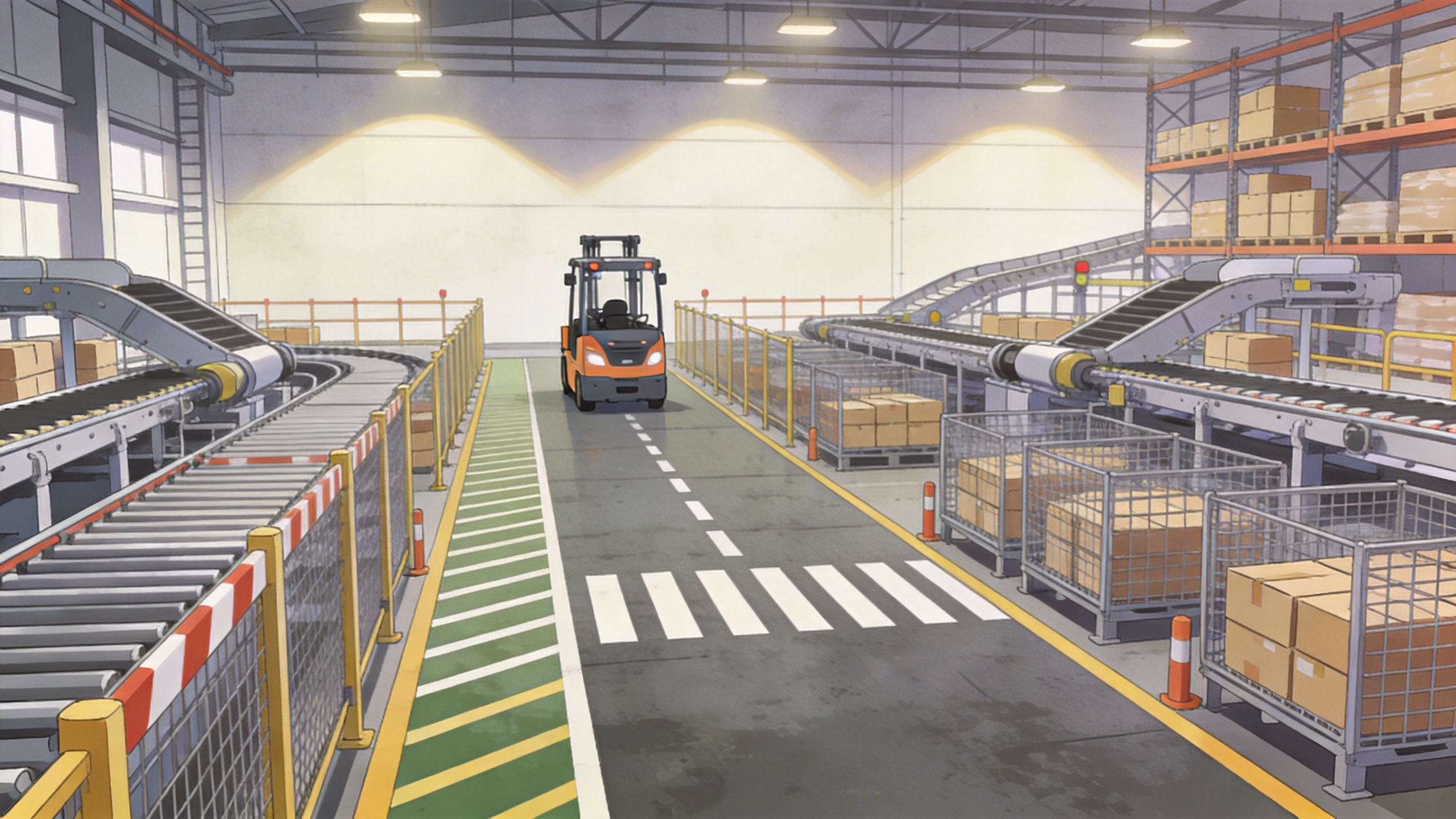
The first step in logistics safety solutions is a live route map. Walk the hub at induction, during peak sort, at shift change, and during trailer loading. Mark where pedestrians cross vehicle lanes, where operators reverse or turn, where a pallet or roll cage can narrow a passage, and where a conveyor discharge creates a queue. Forklift operators need clear sight lines, but people on foot also need to understand which route is intended for them before they enter it.
Look especially at conflict points: dock approaches, end-of-conveyor transfer areas, charging locations, battery rooms, wrap stations, cage storage, and the corners of temporary overflow space. A useful review starts with how people and vehicles move today, not how the drawing assumes they move. This is where logistics safety solutions can identify a practical boundary before selecting a barrier, marking, gate, or process rule.
OSHA’s powered-industrial-truck guidance says that forklift traffic should be separated from workers and pedestrians where possible. It identifies pedestrian walkways, permanent railings or other protective barriers, and floor striping as measures to consider. The point is layered control: a physical boundary can support safer movement, but it does not replace operator training, speed management, communication, or supervision.
Separate traffic by exposure, not by appearance
Strong logistics safety solutions distinguish between routes that only look busy and routes where people can realistically enter a vehicle’s path. Begin with the highest-consequence interfaces. For example, a marked crossing might be appropriate where foot traffic is occasional and sight lines are clear, while a frequent crossing beside a turning forklift route may call for a different layout, controlled crossing point, or restricted access during a wave.
Roadways and footpaths should be separate whenever possible, according to HSE workplace-transport guidance. Where complete separation is not practical, make the remaining interaction deliberate: define who has priority, how they communicate, what clearance is required, and what happens when the planned route is blocked. Put simply, logistics safety solutions follow the route problem rather than the other way around.
- Create clearly marked pedestrian corridors that do not terminate into storage or a blind corner.
- Use controlled crossings only where drivers and pedestrians can see each other early enough to act.
- Keep permanent aisles and passageways clear; OSHA 29 CFR 1910.176(a) requires them to be appropriately marked where mechanical handling equipment is used.
- Set temporary-overflow rules so cages, pallets, and returns do not silently consume a walking route.
- Review separate pedestrian and vehicle doors where access patterns allow.
Use warehouse safety barriers where the route needs physical protection
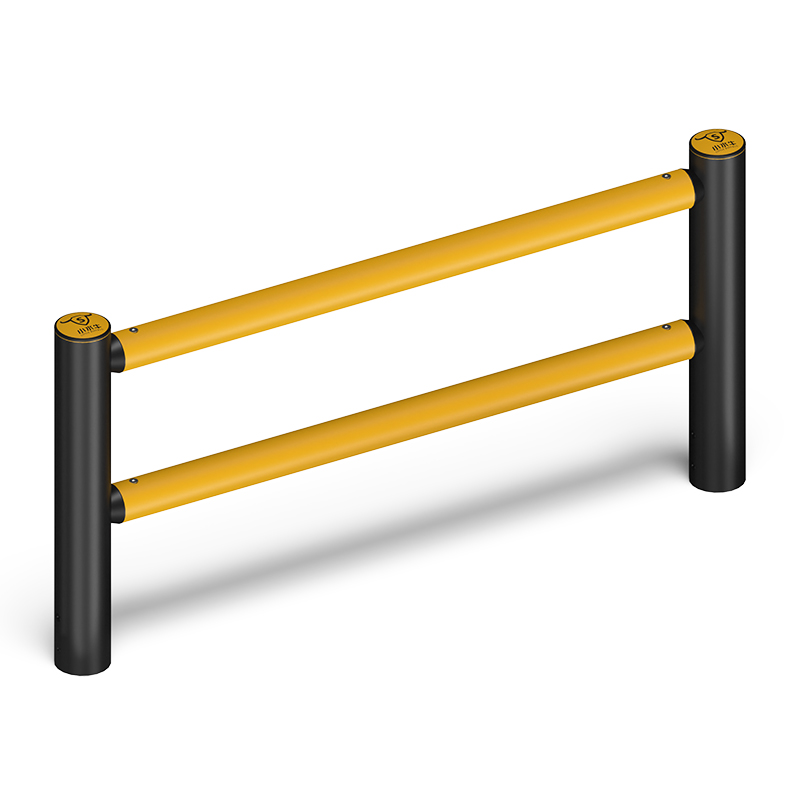
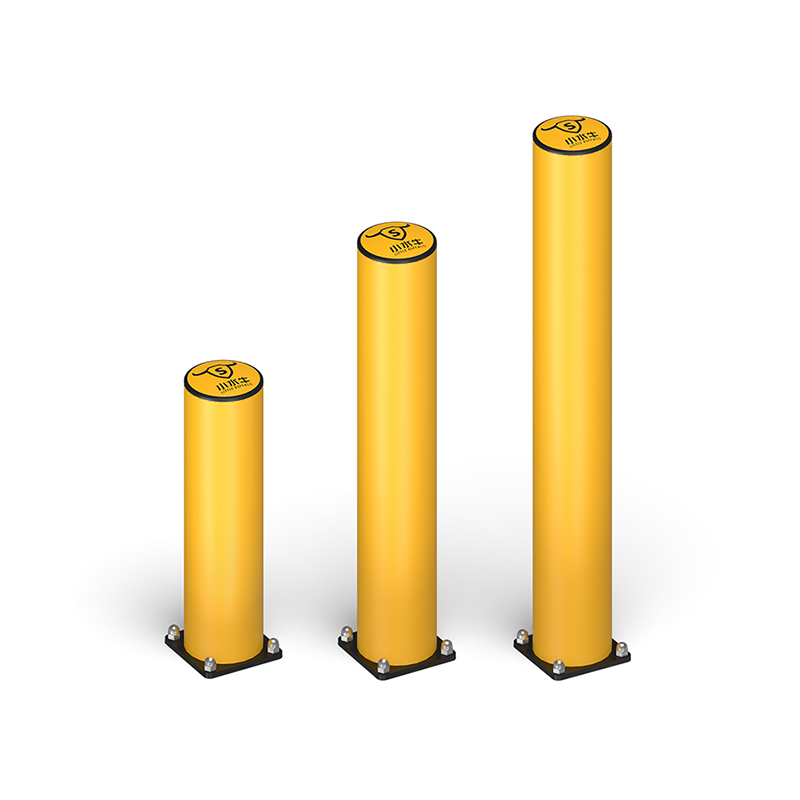
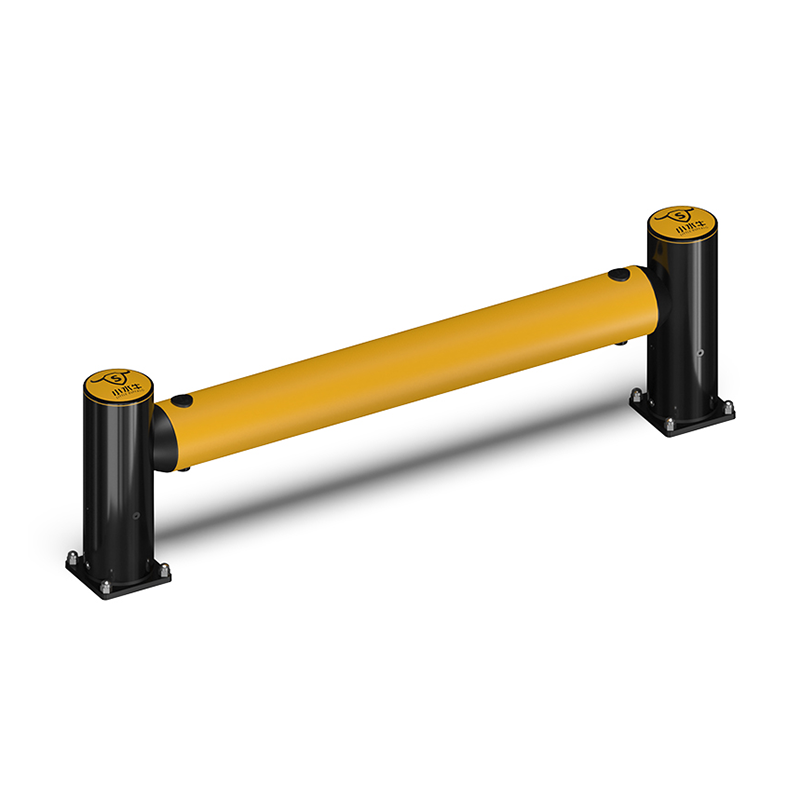
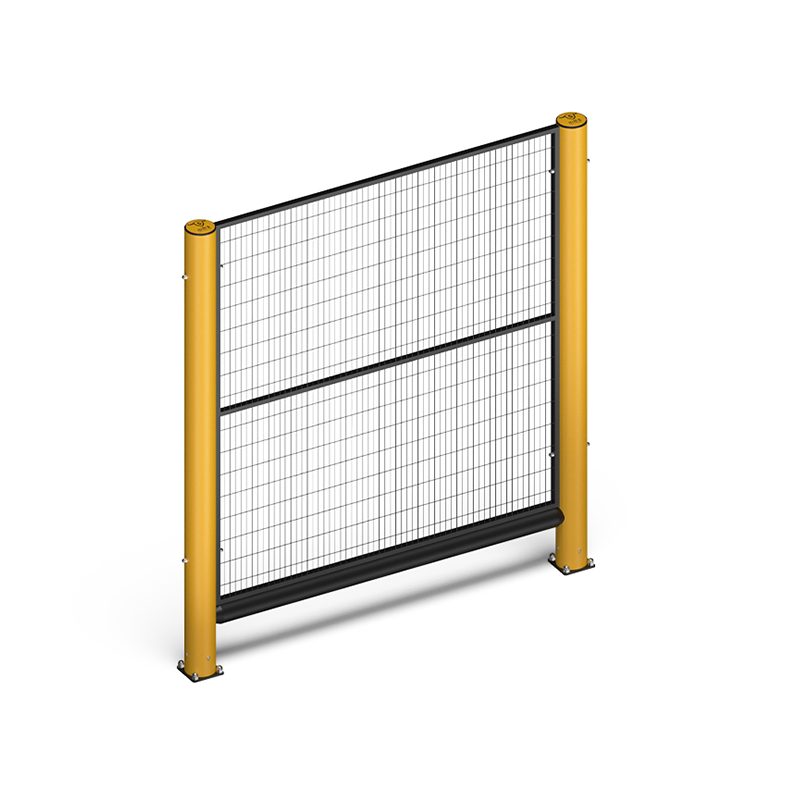
Warehouse safety barriers are most effective when their location is based on a defined exposure. They can help make a pedestrian boundary visible, protect a fixed asset near a turning path, or discourage informal shortcuts into a vehicle area. They should be positioned only after checking turning circles, emergency egress, cleaning access, drainage, and the mounting surface. More material is not automatically a better answer if the likely impact path is not addressed.
When considering warehouse safety barriers, ask what must stay accessible during a normal shift. Can an operator still service a conveyor? Can a pedestrian see an approaching vehicle before a crossing? Does the arrangement create a pinch point when a cage is parked nearby? A workable boundary is one that supports the planned route without creating a new operational workaround.
Barrier selection is therefore one part of logistics safety solutions, not a substitute for the overall traffic plan. If performance claims are part of a procurement decision, request evidence that applies to the intended configuration, mounting condition, and impact direction. A headline rating alone does not design a layout.
Reduce warehouse collision prevention risks at the edges
Warehouse collision prevention deserves separate attention at rack ends, dock-door approaches, columns, conveyor supports, electrical cabinets, and exposed corners. These locations often collect turning traffic, especially when parcel volume changes the route. A barrier, bollard, or marked exclusion zone may be relevant, but the required protection depends on the actual vehicle type, load behavior, clearance, and approach angle.
For warehouse collision prevention, document the assumption behind each control. Record the route direction, vehicle class, expected operating period, and nearby pedestrian task. That record helps a later reviewer decide whether the control still fits after a new sort lane, storage change, or automation project. It also prevents a visual preference from being mistaken for evidence about the application.
Plan installation without disrupting safe work
Good logistics safety solutions account for installation as well as the finished layout. Stage work away from peak sorting windows, communicate temporary routes before the shift begins, and keep emergency exits and required access points usable. Do not assume a service door will remain convenient after a new boundary is fixed; verify it against normal tasks and abnormal conditions such as a jam, spill, or evacuation.
Before finalizing warehouse safety barriers, review the proposal on the floor with drivers, sort leads, maintenance personnel, and safety representatives. Their input often reveals timing details that a drawing misses. A practical test is to observe whether the proposed controls still make sense when carts, loose parcels, and people occupy the area at the same time.
Inspect, learn, and revise after change
The final element of logistics safety solutions is a review cadence. Inspect route markings, gates, and physical protection for damage or displacement; compare reported near misses with the route map; and ask whether workarounds are emerging. The aim is not to claim zero risk. It is to reduce exposure and recognize when a control needs adjustment.
Revisit the separation plan when the hub adds a new lane, changes trailer flow, introduces equipment, or experiences a predictable seasonal surge. HSE guidance notes that regular changes in vehicle and pedestrian volume may justify keeping one group off a route at those times. That may be a workable configuration, although the site’s own operating constraints still need review.
Ultimately, logistics safety solutions work when they combine visible route logic, appropriate warehouse safety barriers, disciplined warehouse collision prevention, clear rules, and ongoing observation. Use this framework as a starting point, then confirm dimensions, local requirements, and application evidence before making a site-specific decision.
 Hot News