EN


How to Choose the Right Industrial Safety Barrier for Your Facility
Choosing an industrial safety barrier is not a matter of picking the tallest rail or the heaviest-looking post. From a facility-safety planning perspective, the useful starting point is the operating area: where forklifts travel, where people cross, what must remain accessible, and what an impact could reach. That route-first view makes how to choose industrial safety barriers a practical planning exercise rather than a catalogue comparison.
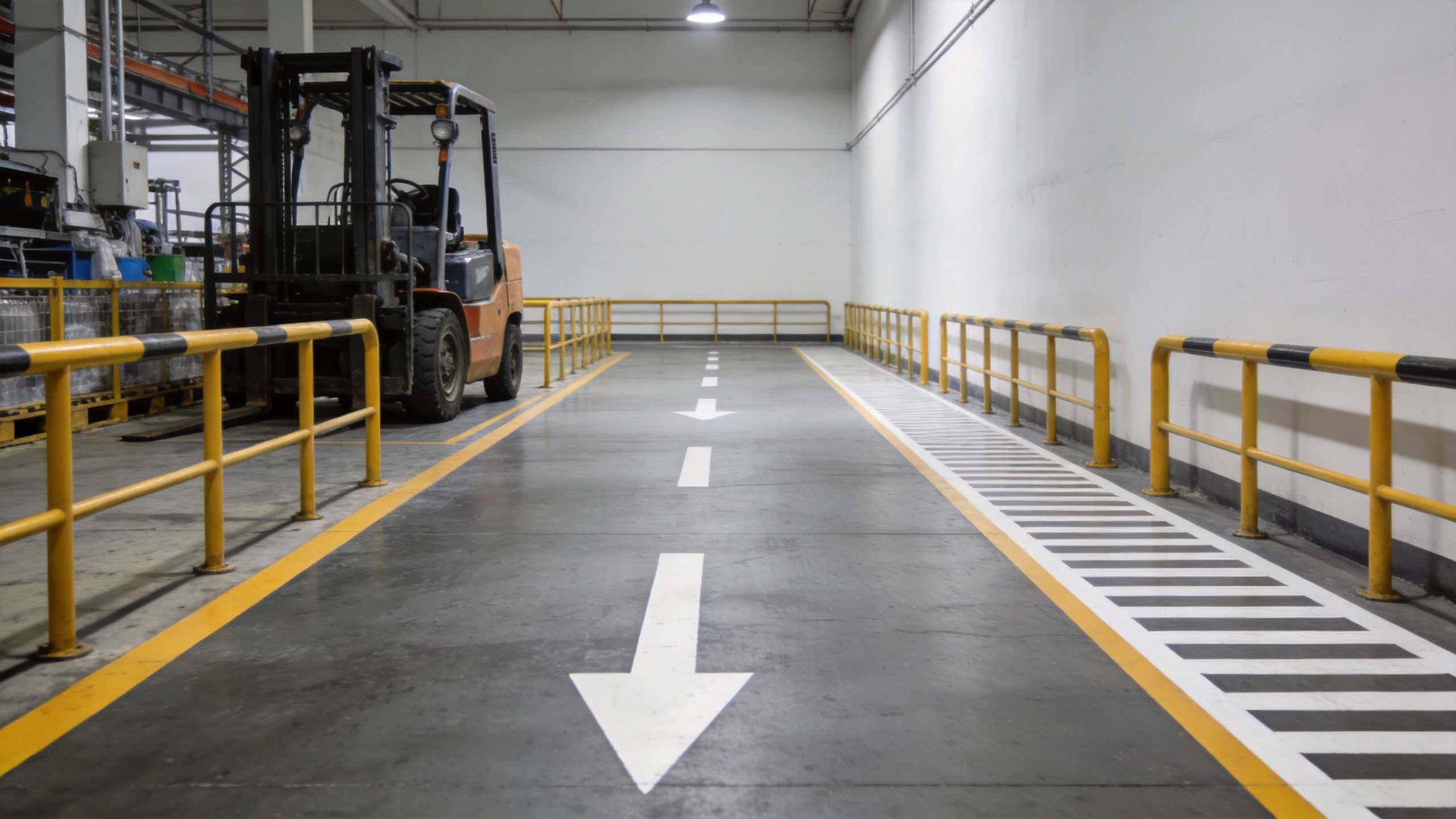
Industrial sites often need several controls working together: traffic rules, markings, signs, training, lighting, and physical separation. A barrier can support that system, but it cannot replace a traffic plan. OSHA notes that forklift traffic should be separated from workers and pedestrians where possible. HSE likewise advises separating roadways and footpaths wherever possible and using suitable barriers or guard rails where needed. The appropriate configuration still depends on the exposure at your site.
Start with the zone, not the barrier
Teams commonly begin by asking whether they need steel, polymer, guardrail, or bollards. A better first question is: what movement or asset is this boundary meant to control? Map the zone during normal operation and, if traffic changes by shift, observe more than one operating period. Note vehicle directions, reversing points, turning space, pedestrian desire lines, temporary storage, door swings, and maintenance access.
Put simply, the barrier choice follows the route problem rather than the other way around. A line that protects a pedestrian walkway has a different job from a line that shields a rack end, loading door, machine enclosure, or electrical cabinet. This distinction prevents a layout from looking orderly while leaving the likely impact path unresolved.
Define the protection objective for each exposure
Separate people from moving vehicles
For mixed traffic, industrial safety barriers can help make a pedestrian route legible and discourage informal shortcuts into forklift lanes. Review where people enter the area, where crossings are necessary, and whether visibility is compromised by pallets, racking, or doors. At a crossing, the question is not merely whether a rail can be installed; it is whether the arrangement guides people to a visible, intended crossing without blocking emergency or work access.
Protect fixed assets
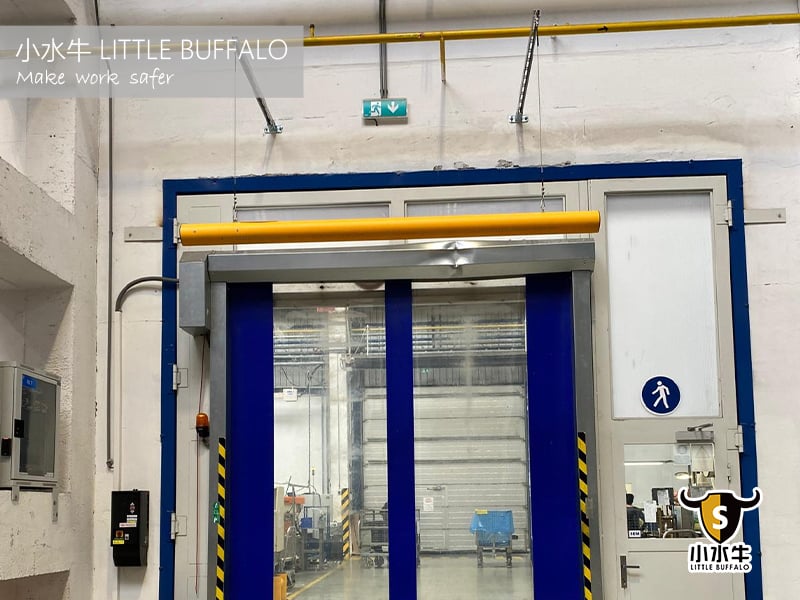
Columns, rack ends, conveyors, equipment corners, charging areas, and door frames call for a more focused protection brief. Identify the approach angle, likely contact point, vehicle type, and clearance. A corner may need a different configuration from a long travel lane. Rather than evaluating one post alone, map how it works with markings, gates, and the routes around it.
Control access to a restricted area
Where the goal is to keep vehicles away from an operational or pedestrian-only area, assess the openings as carefully as the continuous runs. A barrier that creates an unplanned detour can encourage people to bypass it. Confirm who needs access, how materials move through the zone, and whether the boundary remains understandable when the area is busy.
Build an impact and layout brief before comparing products
A useful selection brief records facts that a supplier, engineer, and site team can review together. It should include the vehicle types present, approximate operating speeds under site rules, typical load and travel direction, turning and reversing locations, available footprint, floor or mounting context, and the asset or route being protected. It should also identify foreseeable operating changes, such as a new process line, altered pallet flow, or a different shift pattern.
This is especially important for forklift collision protection. The suitable option depends on impact exposure, route geometry, mounting conditions, and the intended protective function, not on a single headline feature. Ask for verified product documentation and, where appropriate, qualified review of the proposed layout and fixing arrangement. Do not treat a general product description or a barrier installed elsewhere as proof that it fits your location.
Compare barrier approaches by function and operating constraints
There is no single material or format that suits every facility. Rigid and flexible systems may serve different needs, and a facility can use more than one approach. Compare alternatives against the same site brief rather than against generic claims.
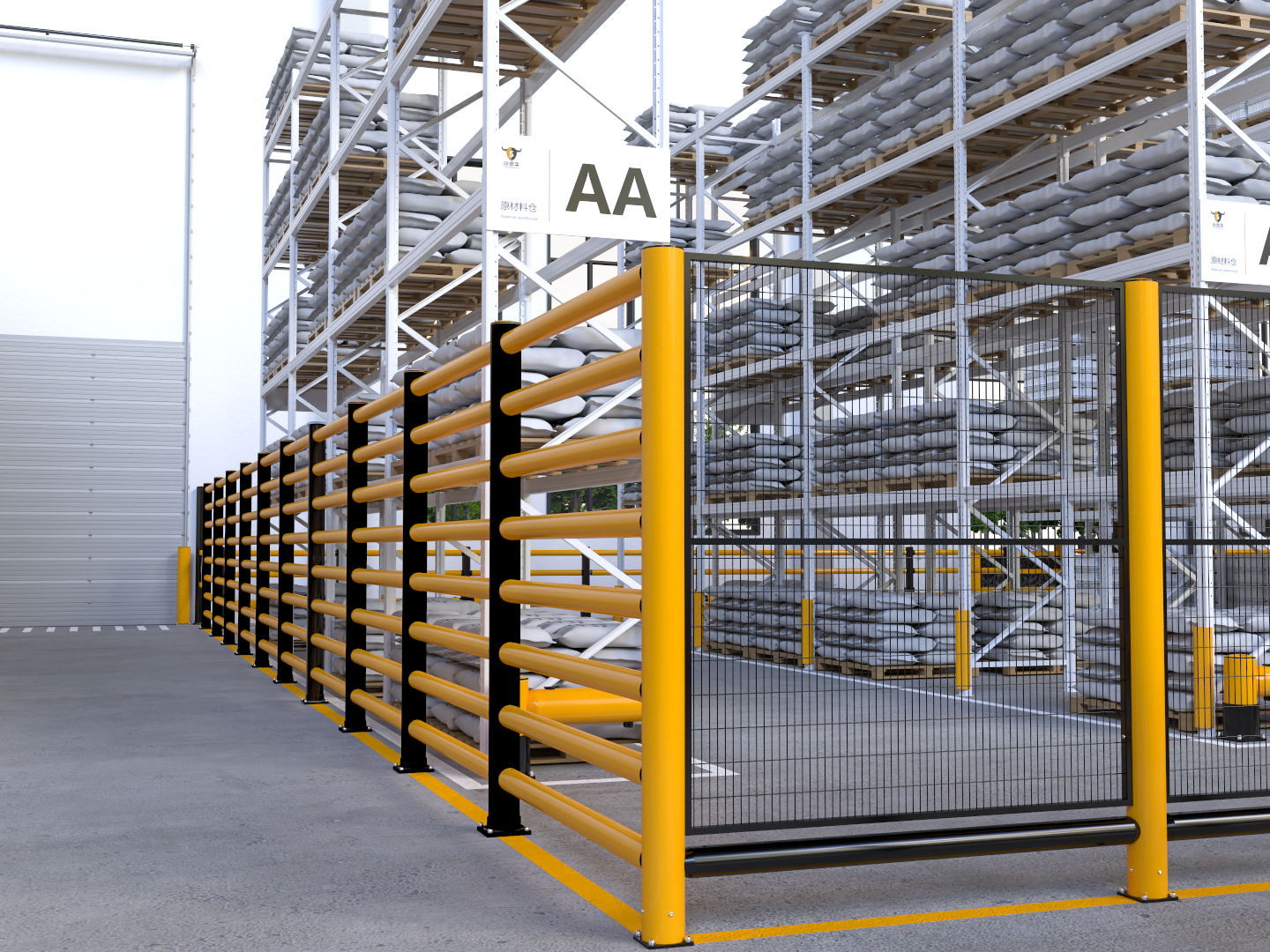
- Continuous route protection: Consider the required run length, corners, openings, visibility, and whether the line must guide pedestrian movement as well as resist incidental contact.
- Point protection: For a column, rack end, or machine corner, focus on the exposed faces, vehicle approach, clearance, and whether nearby controls leave a gap.
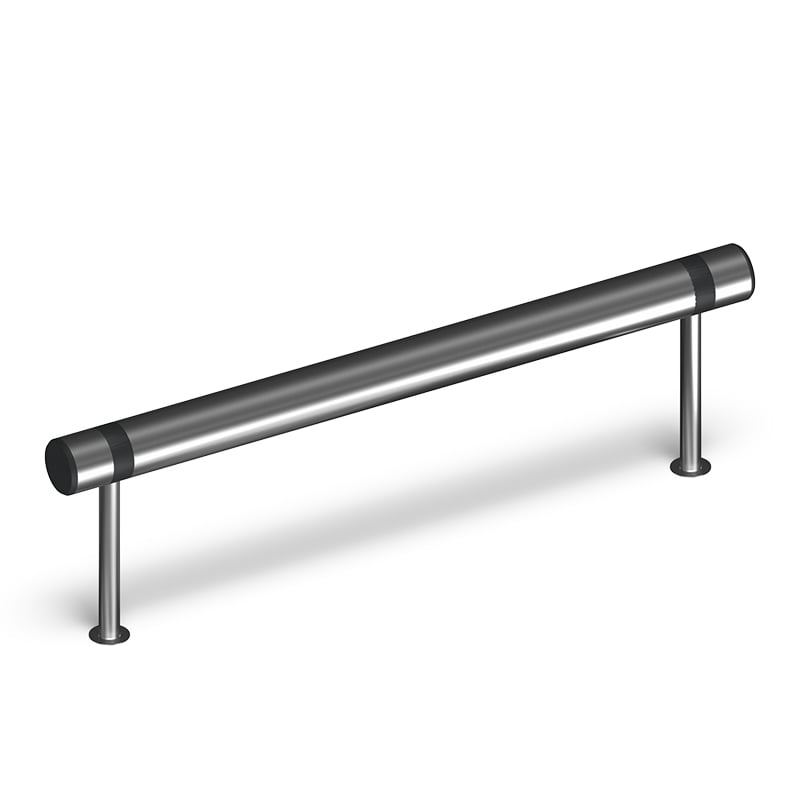
- Flexible barrier options: Where operational continuity and post-impact recovery matter, ask how the system is intended to behave, what conditions apply, and what inspection or replacement process is specified.
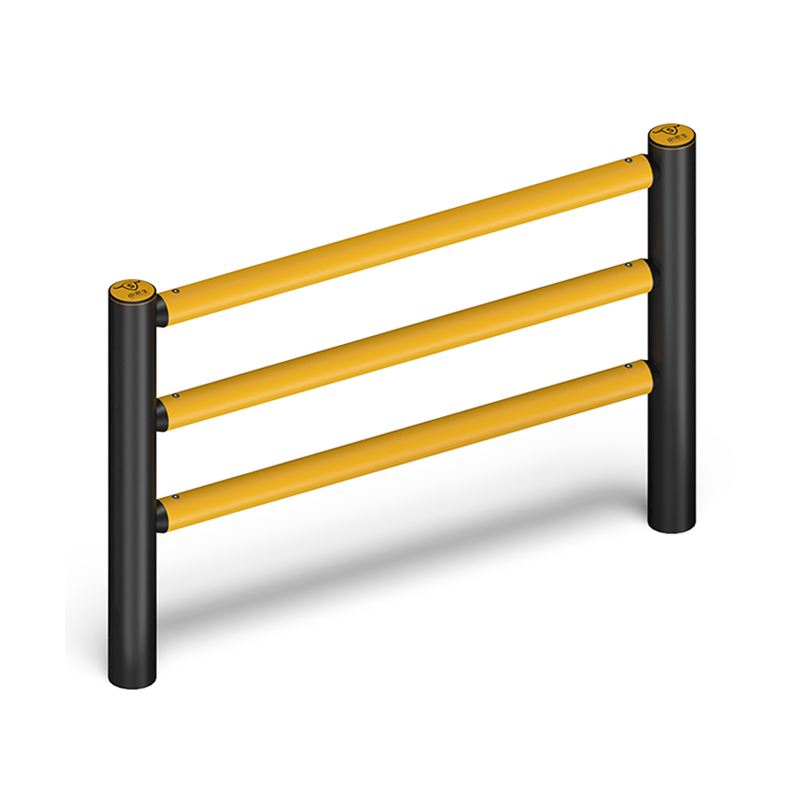
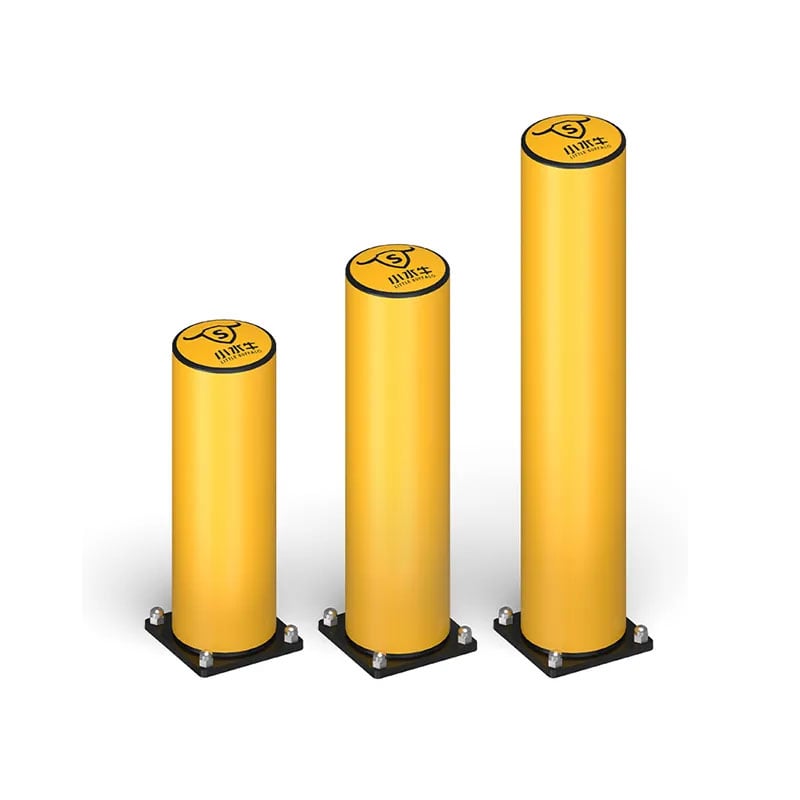
- Rigid guardrails or bollards: Where a fixed physical boundary is required, confirm spacing, termination, mounting context, and how the arrangement affects access and visibility.
Industrial safety barriers should also be reviewed as part of the whole zone. A well-selected rail can lose value if pallets are routinely placed in the walkway, a gate is left open, or a vehicle route changes without updating signs and markings.
Check installation, inspection, and change management
Before selecting a final configuration, confirm the proposed installation does not create a new obstruction. Check floor condition and mounting requirements, drainage and cleaning needs, door and gate clearance, evacuation paths, inspection access, and the ability to replace a damaged component. In planning discussions, this is often where constraints become clearer: a layout may need a small route change rather than a more elaborate barrier.
Give the barrier an owner after installation. Define what operators should report, how impact events are recorded, who examines fixings or damaged parts, and when traffic changes trigger a review. This makes forklift collision protection an operational control rather than a one-time purchase.
A practical selection checklist
- Map vehicle and pedestrian routes during representative operating periods.
- List the people, assets, and entrances that need protection in each zone.
- Identify likely approach directions, turning points, blind spots, and crossings.
- Document vehicle, load, speed-control, footprint, and mounting conditions for review.
- Decide whether the priority is route separation, asset protection, access control, or a combination.
- Compare configurations using verified documentation and the same site brief.
- Confirm the proposal preserves required access, visibility, cleaning, inspection, and emergency egress.
- Set inspection and change-review responsibilities before handover.
Make the decision evidence-led
The right answer to how to choose industrial safety barriers is rarely a single product name. Begin with actual traffic and exposure, define the protective job in each zone, then verify that the chosen configuration fits the layout, operating conditions, and installation context. When a facility team brings that evidence to a product discussion, it can compare industrial safety barriers more fairly and make the route safer without relying on assumptions.
 Hot News