EN


Corrosion-Resistant Guardrails for Demanding Industrial Environments
In a wet washdown bay, a humid loading dock, or a chemical-adjacent process area, a barrier can look acceptable on installation day and still create an avoidable maintenance problem later. Corrosion resistant guardrails are therefore not simply a finish choice. They are part of a traffic-separation plan that must account for atmosphere, cleaning practice, impact exposure, anchors, access, and inspection. From a maintenance-planning perspective, the useful question is not “Which rail looks strongest?” but “Which barrier system can remain visible, secure, and practical in this specific zone?”
That distinction matters when planning industrial safety barriers around loading, storage, machinery, and pedestrian routes. OSHA’s forklift-pedestrian guidance emphasizes separating truck traffic from people where possible and identifies permanent railings or other protective barriers as one option. A guardrail contributes to that layered control; it does not replace route design, markings, training, speed management, or operator awareness.
Start with the exposure map, not the catalog
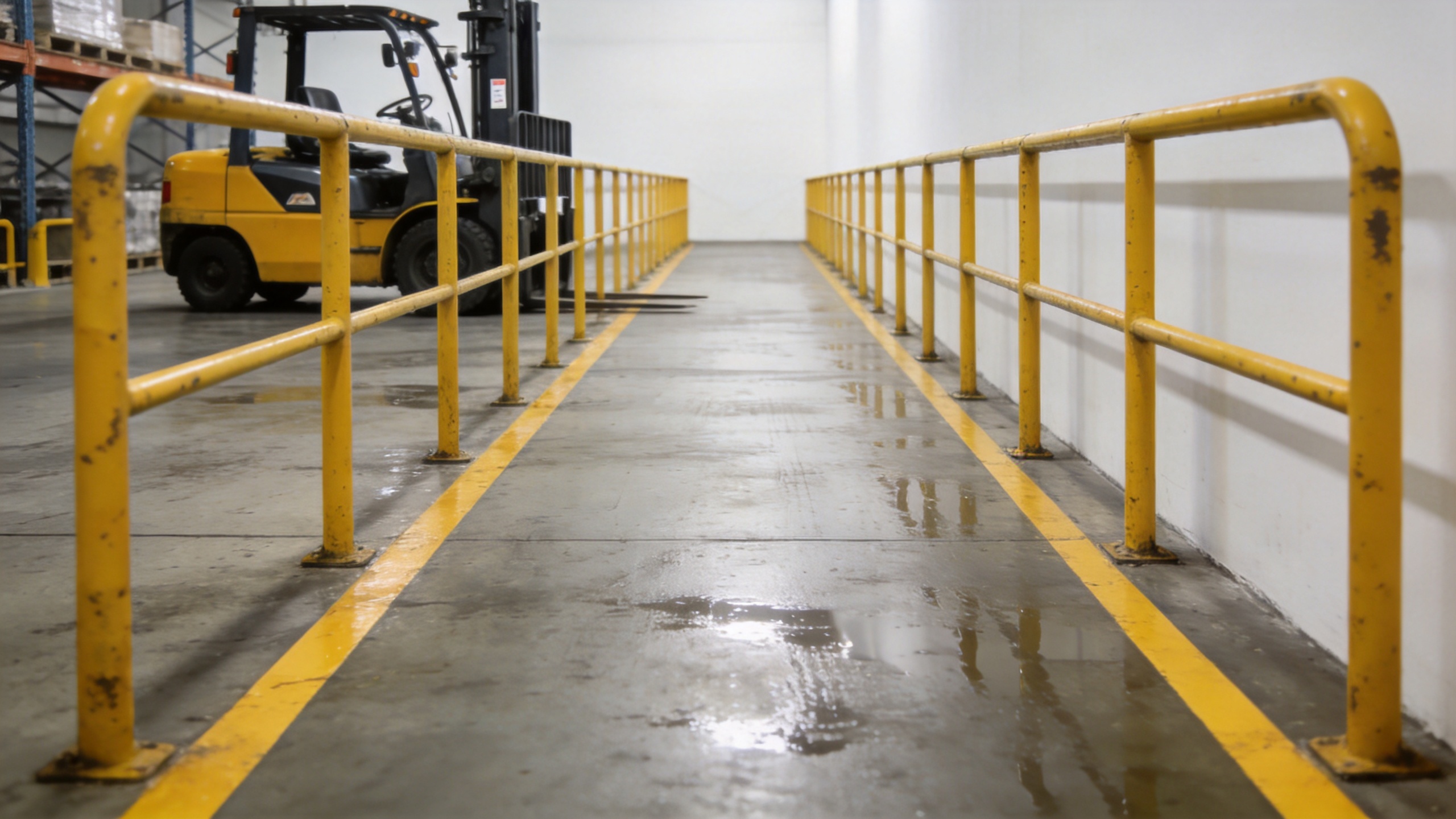
Before specifying corrosion resistant guardrails, walk the actual route and map what reaches the barrier. Water alone is not a complete description. Identify condensation, washdown frequency, salt carried in on vehicles, process vapors, dust that retains moisture, cleaning chemicals, and areas where damaged coatings may remain wet. Also note whether the base plate sits at a floor joint, drain edge, or slab area where water can collect.
A useful exposure map separates the zone into three questions: what contacts the rail, what contacts the mounting hardware, and what reaches damage points after a forklift collision protection event. For example, a protected aisle may be dry at rail height while its anchors are repeatedly exposed to wash water. Treating those conditions as identical can lead to a poor specification.
ISO 12944 is commonly used as a framework for considering environmental corrosivity and protective paint systems for steel structures. It is not a shortcut for assigning a category from a photograph. Ask the coating supplier or qualified project team to verify the environment, surface preparation, system compatibility, intended durability, and touch-up procedure for the actual installation.
Choose the barrier material and finish as a system
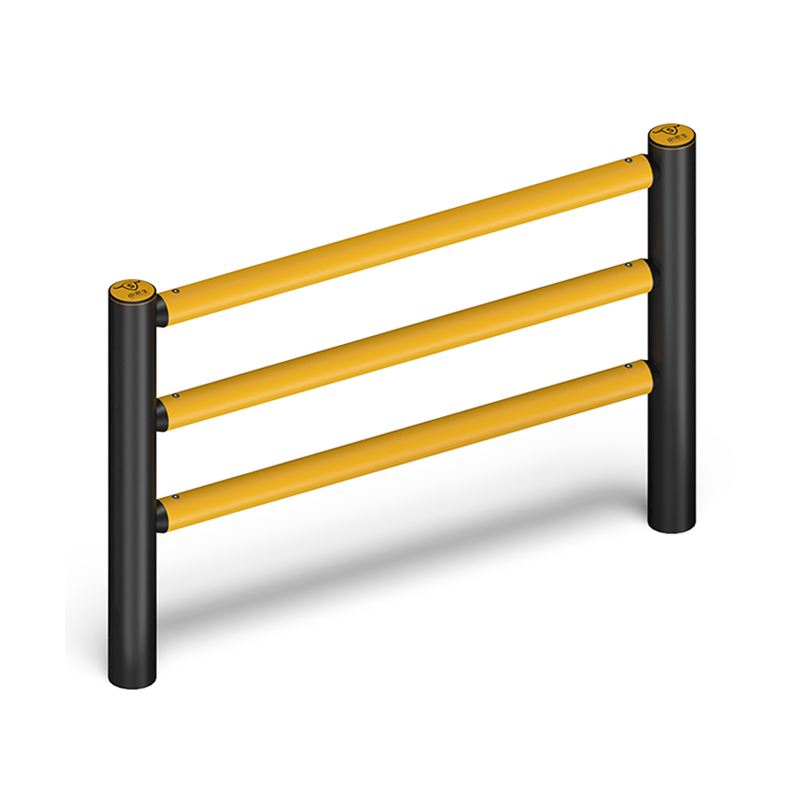
There is no universal answer for corrosion resistant guardrails. Carbon steel with an appropriate protective system may suit some indoor areas. Galvanized components, stainless options, polymer-based barrier elements, or a duplex approach may be better candidates where moisture, chemicals, or outdoor exposure change the maintenance burden. The relevant comparison is the complete installed system: rail, posts, brackets, fasteners, base plates, anchors, caps, and repair materials.
When comparing industrial safety barriers, request clear documentation rather than relying on broad labels such as “rustproof” or “heavy duty.” Confirm the substrate, finish type, surface-preparation requirements, compatible repair method, limitations around cleaners or process chemicals, and whether dissimilar-metal contact needs attention. A finish can be appropriate in one facility and poorly matched in another.
Fasteners deserve the same attention as the rail. A well-finished beam cannot compensate for corroding bolts, inaccessible anchor points, or a base detail that traps water. If a site expects regular washdown, consider whether the proposed geometry sheds water, allows cleaning, and leaves room to inspect the connection.
Specify for impacts without confusing impact resistance with corrosion resistance
Forklift collision protection depends on more than material thickness or a headline impact rating. Vehicle type, speed, load behavior, turning geometry, approach angle, floor condition, and the distance between the rail and the protected asset all change the exposure. A pedestrian crossing beside a cross-aisle has different needs from a rack-end corner or a machine perimeter.
For corrosion resistant guardrails, combine the impact review with the exposure review. An impact that chips a coating near a wet floor may create a maintenance priority that would be minor in a dry aisle. Likewise, a barrier designed to deflect or absorb energy may need post-impact inspection criteria that differ from a rigid rail. Ask the supplier or engineer what must be inspected after contact and when a part must be replaced rather than cosmetically repaired.
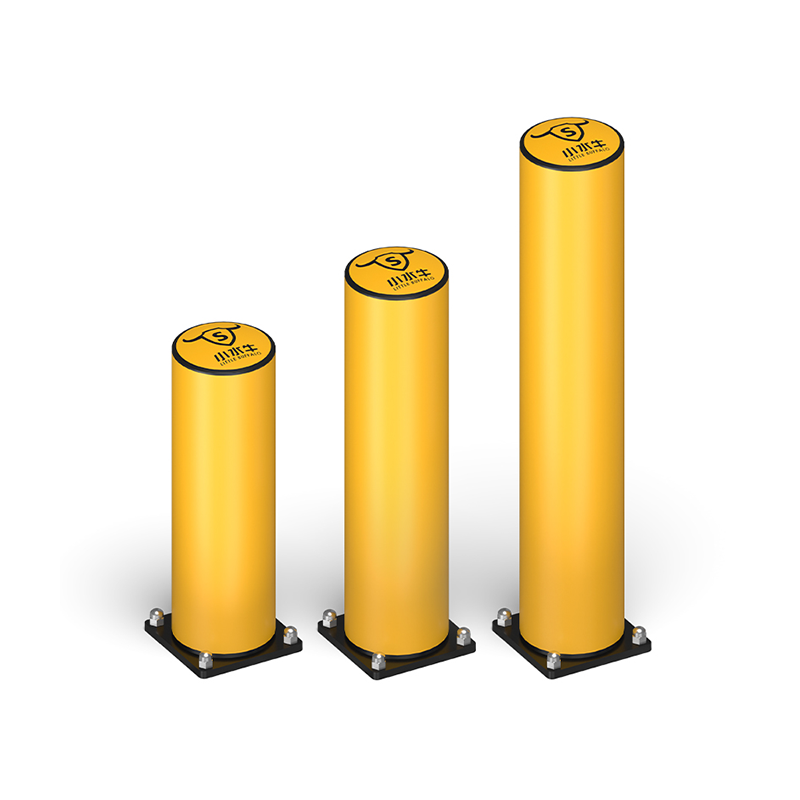
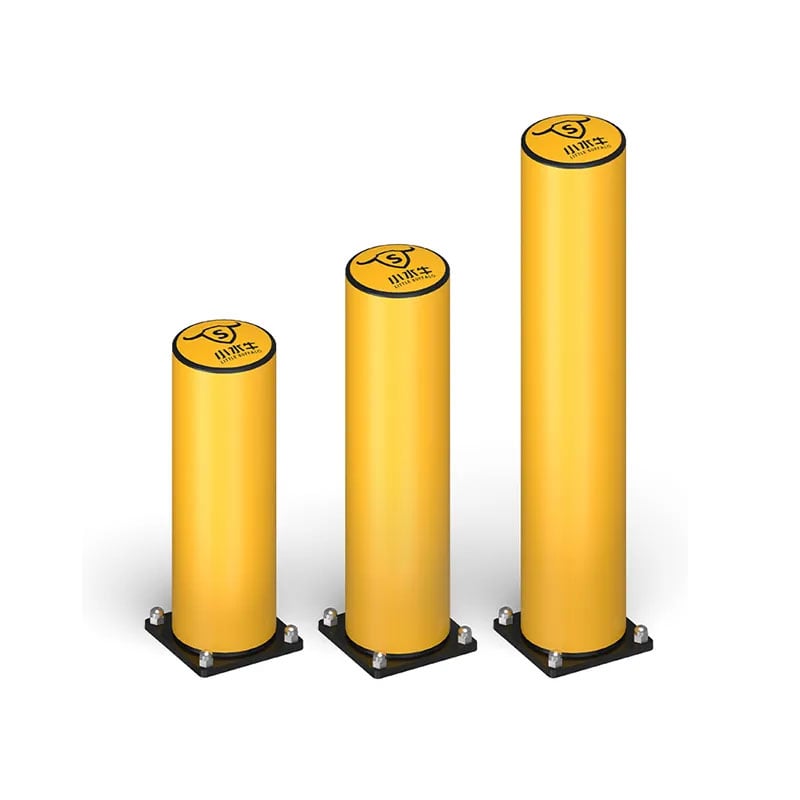
Good forklift collision protection also preserves operational clarity. Rails, bollards, markings, and signs should not create a new blind spot, pinch point, or pedestrian shortcut. Walk the layout with operators and maintenance personnel before finalizing positions; they often identify clearance and cleaning constraints that drawings miss.
Detail installation so the coating can do its job
Many premature problems with industrial safety barriers begin at installation details rather than the main rail. Avoid field modifications that expose bare substrate without an approved repair process. Confirm floor condition, anchor embedment requirements, hole sealing where relevant, drainage, and separation from incompatible materials. If the work involves existing slabs, verify that cracking, spalling, or unevenness will not compromise the mount.
For corrosion resistant guardrails, write a short installation acceptance checklist. It should cover component identification, finish condition before installation, visible damage, fastener condition, correct orientation, water-trapping gaps, access for cleaning, and photos of critical connections. This is a modest step, but it creates a useful baseline for future inspections.
Build inspection and repair into the lifecycle plan
A barrier is easier to maintain when the inspection plan exists before the first forklift collision protection incident. Set inspection frequency according to exposure and traffic, then define what inspectors should look for: coating loss, corrosion staining, loose anchors, distorted posts, damaged caps, blocked drainage, cleaning residues, and evidence of contact. Separate cosmetic marks from conditions that require technical review.
For corrosion resistant guardrails, keep the repair method specific. Unplanned wire-brushing and generic touch-up paint may not restore a compatible system. Instead, record the original finish, approved preparation method, repair material, curing constraints, and the person responsible for deciding whether a damaged component is repaired or replaced.
Review the layout after process changes, not only after damage. New shifts, altered pallet sizes, route changes, seasonal moisture, or different cleaning routines can change both corrosion exposure and vehicle conflict points. This is where industrial safety barriers remain a living part of the facility plan rather than a one-time purchase.
A practical procurement checklist
- Document the atmosphere, washdown, chemical, salt, and moisture exposure for each zone.
- Map vehicle paths, pedestrian movements, sightlines, and likely contact points before selecting forklift collision protection.
- Request system-level information for rails, posts, fasteners, anchors, and approved repair materials.
- Verify mounting, drainage, cleaning access, and post-impact inspection requirements.
- Use a project-specific corrosion specification rather than assuming one finish works everywhere.
- Plan inspection ownership and recordkeeping before the barriers are commissioned.
A practical corrosion resistant guardrails choice is usually the one matched to a documented exposure, a realistic traffic hazard, and a maintainable installation detail. When those inputs are clear, buyers can compare industrial safety barriers on whole-life practicality instead of appearance alone.
 Hot News