EN


Building Column and Wall Protection for Industrial and Commercial Facilities
In a warehouse, plant, distribution center, or commercial service area, a structural column can sit directly beside a forklift turning path, a loading door, or a pedestrian crossover. That makes building column protection a planning question rather than a simple accessory purchase. The appropriate protection depends on how people, vehicles, pallets, doors, and service activities actually share the zone.
From an industrial safety engineering perspective, start with the operating area before choosing a barrier type. A column guard may help limit contact damage at an exposed point, but it should work with route design, markings, operating rules, and training. The aim is to reduce exposure in a specific route, not to imply that one product removes all risk.
Start With the Exposure Around the Column or Wall
Columns, wall returns, door jambs, and corners are vulnerable because they are fixed objects near movement. Forklift drivers may be carrying a load, reversing, or turning into a narrow aisle; pedestrians may be moving toward a doorway or a crossing. Corners and exposed ends deserve separate attention because turning traffic can concentrate there.
Before comparing warehouse column protectors, observe how the area works during normal and busy periods. A route observed at one time may not represent peak receiving, dispatch, cleaning, or shift-change activity. Map the approach direction, turning radius, load overhang, visibility, floor condition, and nearby access points. This is more useful than beginning with rail height or a catalog image.
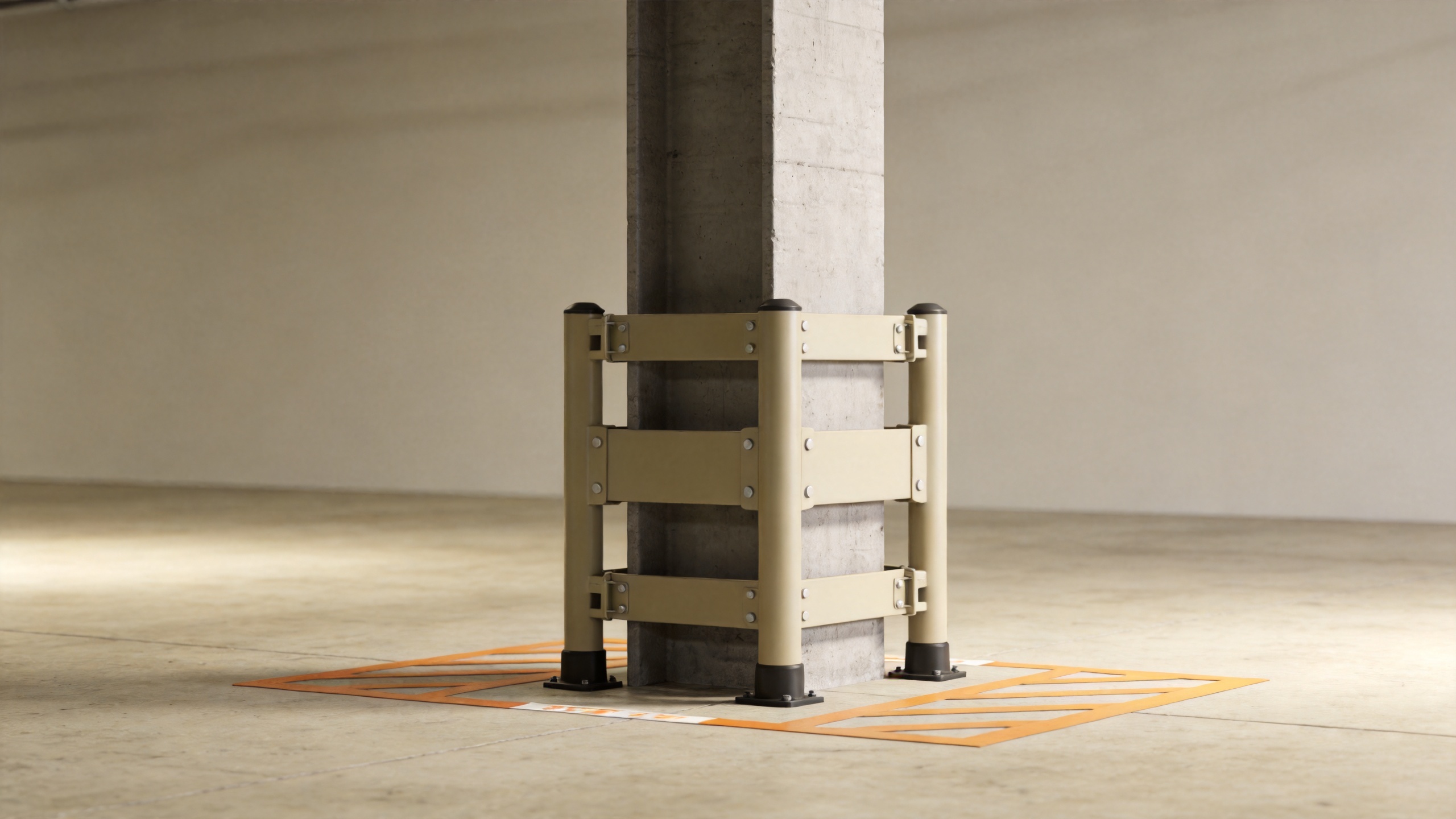
OSHA guidance for powered industrial trucks recommends separating forklift traffic from workers and pedestrians where possible, including by using permanent railings or other protective barriers. HSE workplace-transport guidance similarly identifies barriers or guard rails as useful at building entrances, exits, and corners, while emphasizing clear routes, visibility, crossings, and adequate clearance. Those principles support a layered plan: a guard protects a fixed asset, while the overall layout helps manage the interaction that creates the exposure.
Identify What Needs Protection
Not every fixed surface needs the same solution. A useful review separates the protected asset from the route hazard:
- Freestanding structural columns: Check all faces that can be approached by powered equipment, especially the face nearest a turn or cross-aisle.
- Wall corners and projections: Review whether a vehicle can swing toward the corner, whether a doorway changes the travel line, and whether the protection creates a snag point.
- Doorways and service openings: Keep opening clearance, emergency egress, and routine maintenance access visible in the layout.
- Racking, machinery, and utilities near columns: Treat the zone as a whole rather than evaluating one column guard in isolation.
The catalog can narrow options, but turning radius and service access usually determine the final fit. A neat-looking arrangement is useful, yet the likely impact path should be checked before appearance drives the decision.
Choose Between Local Guards and a Wider Barrier Layout
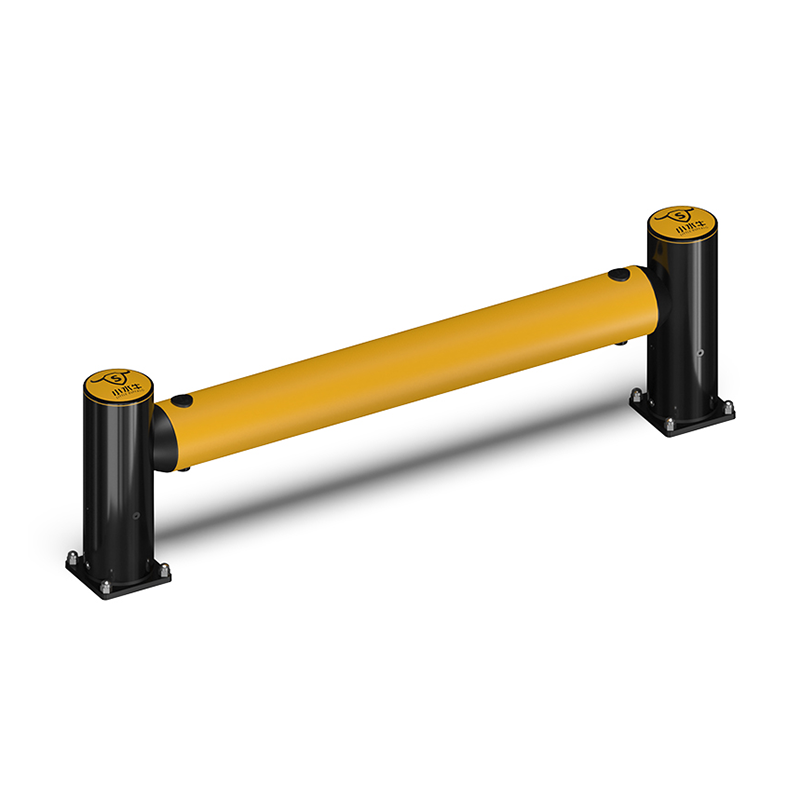
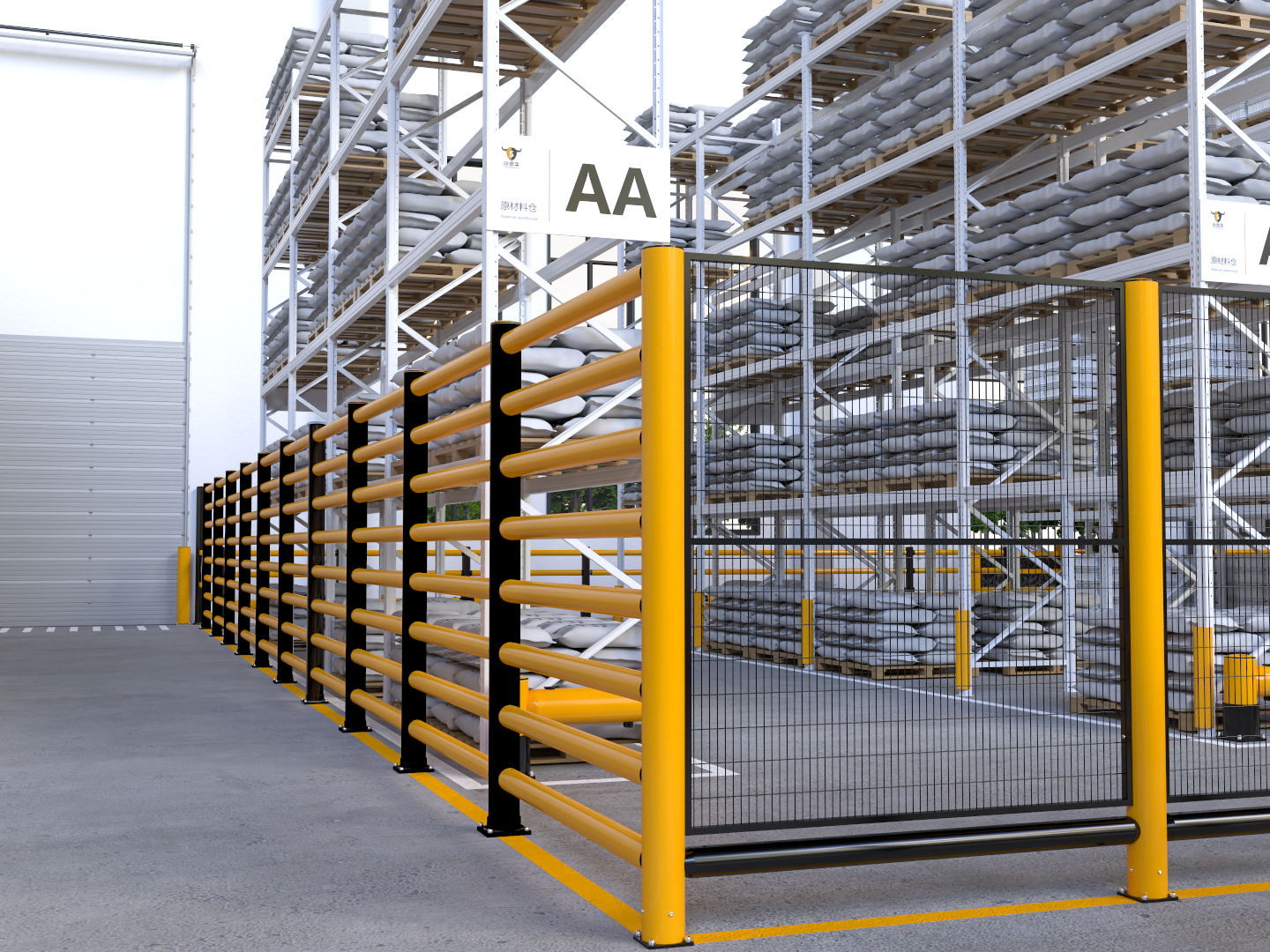
Building column protection often combines local protection with route-level controls. A wrap-around or surface-mounted guard can address a localized strike point. A rail, bollard line, or other barrier arrangement can create more stand-off distance where a column is beside a traffic lane. In some locations, floor markings, a designated crossing, or a change to the route may be the more relevant first control.
When comparing warehouse column protectors, ask whether the likely contact is low-speed brushing, a turning approach, a reversing route, or a repeated high-traffic exposure. The suitable option depends on the approach direction, available footprint, mounting context, and the clearance needed for the operation—not on a single headline feature.
Questions for column guards
- What are the column’s dimensions and shape, including base plates or nearby fixtures?
- Which faces are exposed, and can a vehicle approach from more than one direction?
- Will the guard remain visible when pallets, loads, or temporary storage occupy the area?
- Does the proposed installation preserve forklift turning clearance and pedestrian space?
- What mounting information and application evidence should be confirmed before specification?
Questions for wall and corner protection
- Does the wall protect a route boundary, an entrance, equipment, or a pedestrian area?
- Could barrier placement redirect a vehicle toward another obstruction?
- Can operators see the boundary before entering the zone?
- Will cleaning, inspection, emergency access, and door use remain practical?
Use Column Guard Barriers as Part of Layered Risk Reduction
Column guard barriers can make a fixed obstacle more visible and provide a physical buffer in an exposed area. They are most effective when they reinforce a route plan that people can understand. A clearly visible boundary still needs to make sense to people using a shared route.
For example, an illustrative loading-area review might show a column immediately downstream of a forklift turn and beside a pedestrian shortcut. The response may include a protected column face, clearer route marking, a defined pedestrian crossing, and a check of whether temporary pallets narrow the lane. That is not a universal design; it is a way to keep the route problem, rather than a product preference, at the center of the decision.
Increasing protective coverage can affect service access, so review both on the same plan. It is easy to assume a door or inspection point will remain usable; verify it against routine tasks. A physical separation should also not be treated as a substitute for traffic rules, operator training, inspections, or site-specific risk assessment.
Plan Installation Around Real Operating Conditions
Before finalizing a configuration, document the information that can change its relevance: vehicle type, typical load profile, direction of travel, speed controls, route width, floor or wall substrate, column geometry, visibility conditions, and access requirements. Where a performance claim matters to the decision, confirm the applicable test evidence and installation conditions rather than treating a general statement as proof for every site.
Plan installation with operations, communicate temporary route changes, and revisit the separation plan when racks, doors, or traffic patterns change.
Quick Questions About Building Column Protection
These practical questions help teams keep building column protection tied to the operating route instead of treating it as a standalone purchase.
Where should building column protection be installed first?
Prioritize building column protection where turning traffic, reversing movement, or pedestrian crossings create the clearest exposure.
Do warehouse column protectors replace traffic controls?
No. Warehouse column protectors work alongside marked routes, training, visibility checks, and appropriate operating procedures.
Can column guard barriers protect wall corners?
Column guard barriers may suit some exposed corners, but confirm wall geometry, approach direction, mounting, and door clearance.
How do you size warehouse column protectors?
Measure the complete column, nearby base features, exposed faces, and the clearance required around warehouse column protectors.
What should a building column protection review include?
A building column protection review should include route observations, vehicle type, visibility, access needs, and installation evidence.
Are column guard barriers useful beside pedestrian routes?
Column guard barriers can support a visible boundary, but pedestrian routes still need adequate space and understandable crossings.
When should warehouse column protectors be reviewed again?
Review warehouse column protectors after route changes, new equipment, altered storage, or changes to vehicle movements.
Can building column protection be phased?
Yes. Building column protection can begin at high-exposure locations while the facility develops a wider route plan.
In everyday specification discussions, building column protection, warehouse column protectors, and column guard barriers describe related tools, but each must be assessed against the local route. Building column protection is the broader planning task; warehouse column protectors are localized assets; column guard barriers may create a larger stand-off condition. This distinction helps a team compare building column protection options without overlooking visibility, access, or workflow.
A Practical Review Checklist
- Walk the route during more than one operating period.
- Mark fixed assets, pedestrian paths, crossings, doors, and turning points on one plan.
- Identify the highest-exposure faces of each column, wall corner, or projection.
- Check vehicle approach direction, turning clearance, visibility, and load movement.
- Compare local guards, stand-off barriers, markings, and route changes by application fit.
- Confirm mounting conditions, access needs, and evidence relevant to the intended installation.
- Review the completed zone with operators, EHS, engineering, and maintenance before treating it as final.
Make the Protection Plan Fit the Facility
Effective building column protection starts with actual movement: how forklifts, pedestrians, materials, and service work use the area today. A guard can be valuable at a vulnerable fixed point, but a practical result comes from matching the protection approach to the route, access constraints, and evidence available for the installation.
Use this framework as a starting point, then confirm dimensions, operating conditions, and application evidence before specification. For industrial and commercial facilities, that disciplined review helps keep column and wall protection practical, visible, and aligned with the wider traffic-management plan.
 Hot News