EN


Safety Barriers for Chemical Plants and Corrosive Industrial Environments
In a chemical plant, a barrier is more than a line around equipment. It has to help people read the traffic pattern, protect vulnerable assets, and remain suitable for the conditions around it. That makes chemical plant safety barriers a site-planning decision rather than a catalog-only purchase. Before choosing a system, define the exposure: who or what needs separation, which vehicles approach the area, what chemical splash or washdown is possible, and how operators must enter, clean, inspect, or evacuate the zone.
This guide focuses on physical route-separation and impact-protection systems. It does not replace process-safety safeguards, hazardous-area electrical design, or a plant-specific risk assessment. The most useful starting point is simple: review the route before selecting the product.
Start by defining what the barrier must do
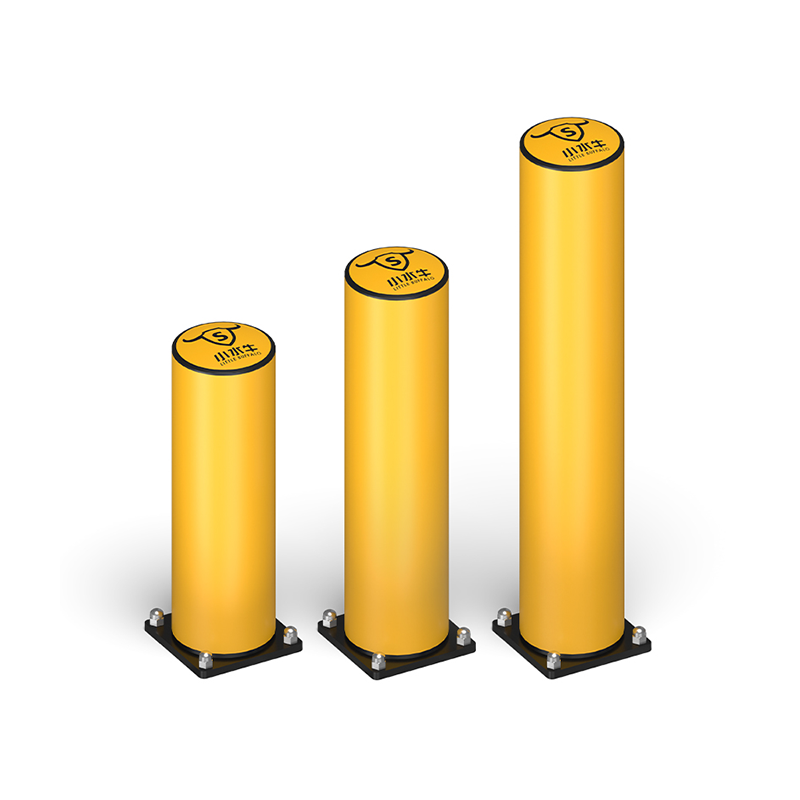
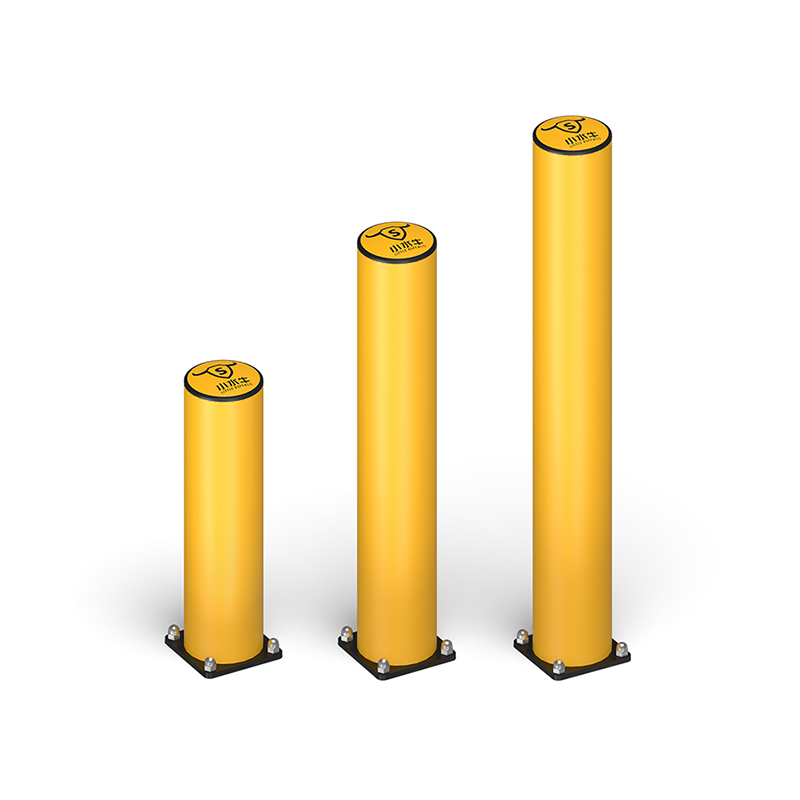
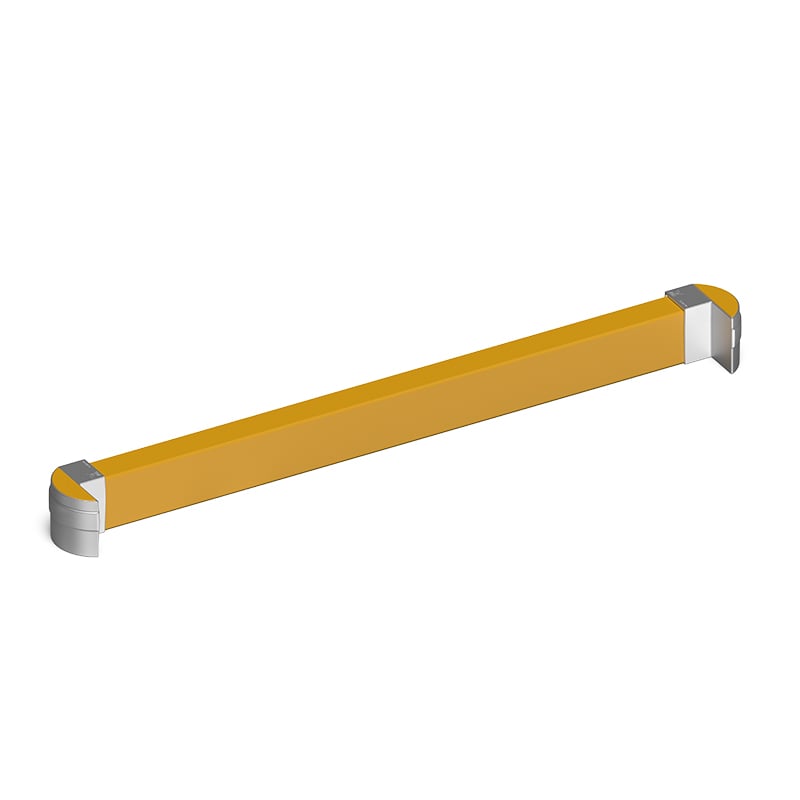
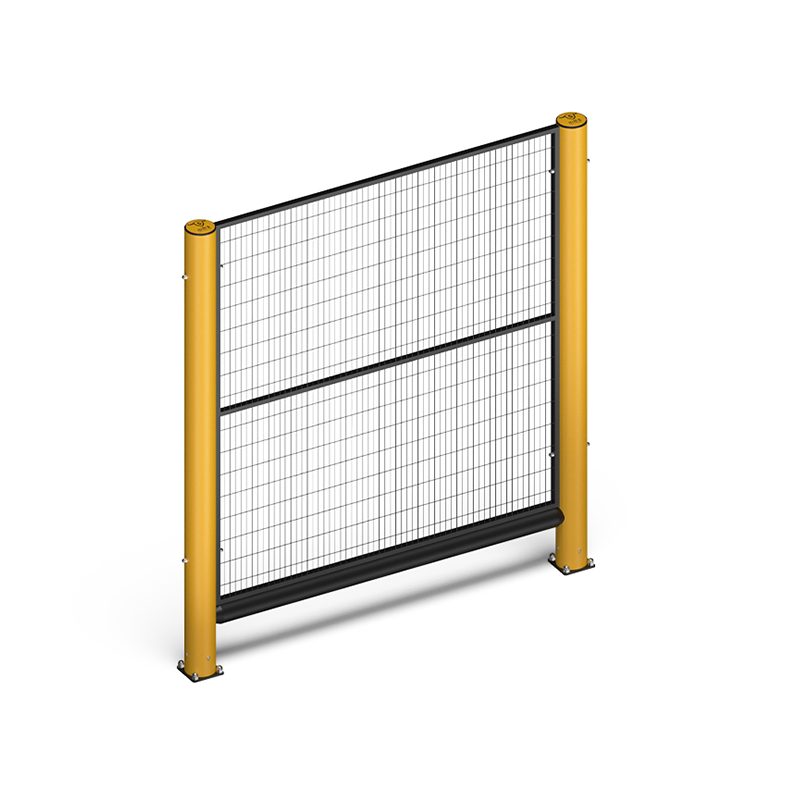
“Safety barrier” can mean very different things in chemical operations. Process engineers may use it for a control that interrupts an incident sequence. Electrical teams may mean an intrinsic-safety device. Here, chemical plant safety barriers means physical controls such as guardrails, bollards, modular fencing, and flexible impact barriers used to separate people, vehicles, work areas, or exposed assets.
For each location, write down the barrier function before discussing materials:
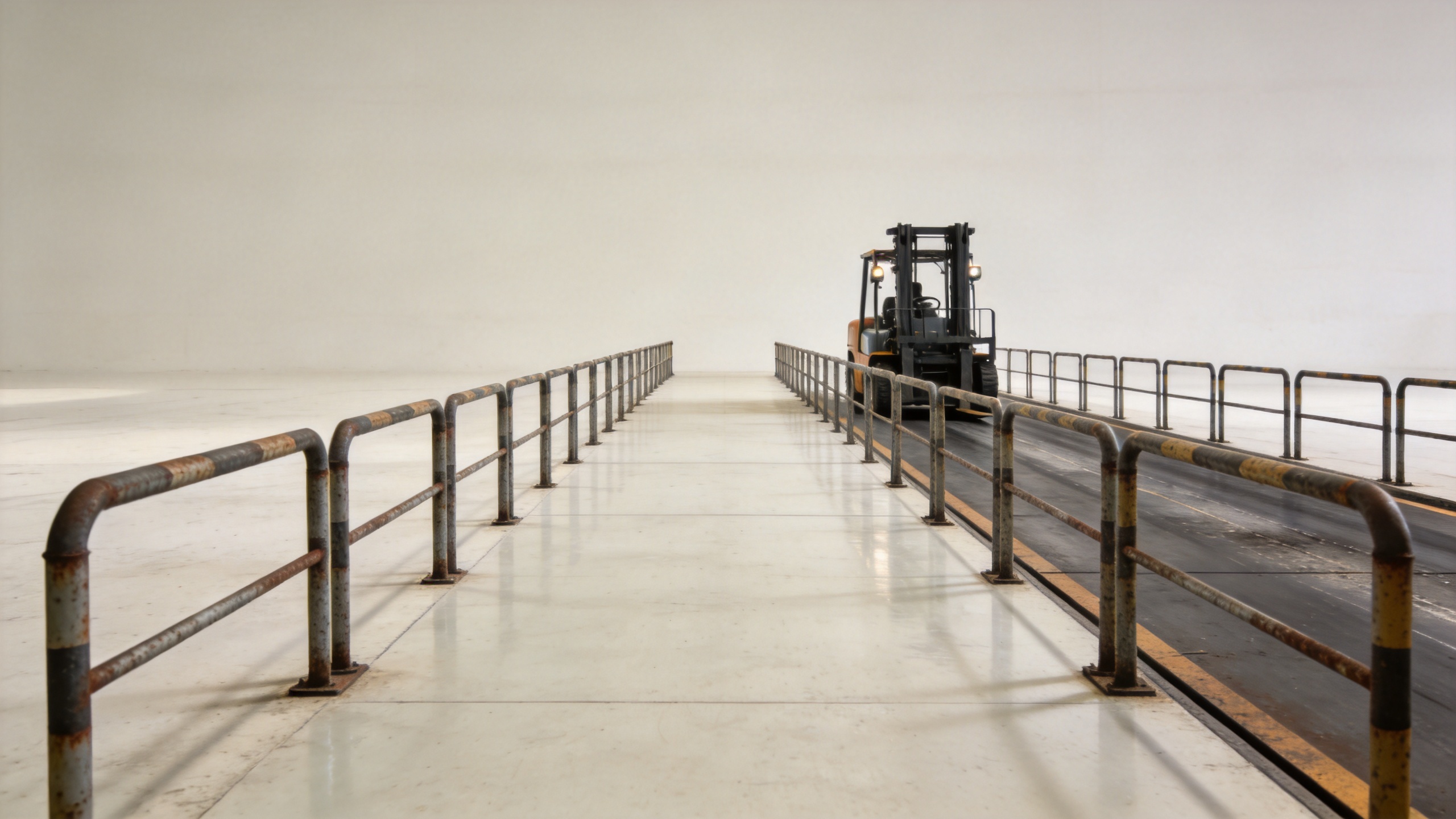
- Pedestrian separation: keep walkways distinct from forklift, tugger, or service-vehicle routes.
- Asset protection: shield pipe supports, control cabinets, doors, racking, pumps, or structural corners from foreseeable vehicle contact.
- Access control: define a maintenance boundary without blocking routine servicing, drainage checks, or emergency egress.
- Zone definition: make a loading, filling, packaging, or maintenance area easier to understand at a glance.
OSHA’s powered industrial truck guidance notes that forklift traffic should be separated from workers and pedestrians where possible, including through permanent railings or other protective barriers. That is a useful planning principle, but the final layout still needs to reflect the plant’s own traffic, hazards, and applicable requirements.
Map exposure before choosing chemical plant safety barriers
A reliable barrier brief begins with a walk-through at more than one operating period. A route that looks quiet during an office-hour visit may have different turning movements, pallet staging, contractor access, or cleaning activity during a shift change. Mark vehicle direction, speed controls, reversing points, door swings, crossing behavior, hose routes, and temporary storage. Then identify where people could be exposed and where an impact would create a secondary problem.
Do not treat a physical barrier as the only control. Signage, marked walkways, operating rules, visibility measures, training, and supervision still matter. The barrier should support those controls by making the intended separation tangible and easier to maintain.
Material selection in corrosive environments: ask more than “is it stainless?”
Stainless steel safety barriers can be a sensible option where hygiene, washdown, appearance, or corrosion resistance is important. But “stainless” is not a universal compatibility answer. The relevant questions are the chemical involved, concentration, temperature, contact time, splash versus immersion, cleaning agents, trapped moisture, airborne chlorides, and whether dissimilar metals are present.
As an early screening distinction, 316 stainless steel is often considered where chloride exposure is more demanding than ordinary indoor service because its composition can provide better resistance than 304. That does not make 316 suitable for every acid, solvent, or high-temperature environment. Confirm the grade and finishing details against the actual chemical list, and ask qualified engineering or materials specialists to review uncertain conditions.
Look beyond the main rail or post
Corrosion performance depends on the whole installation. Fasteners, base plates, anchors, coatings, weld treatment, interfaces with concrete, and crevices around floor fixings can be as important as the visible rail. A sound chemical-plant review also considers whether a barrier creates a hard-to-clean pocket, obstructs spill response, or traps residue where inspection is difficult.
Compare rigid, flexible, and mixed protection by application
There is no universal winner between steel and polymer systems. Rigid systems may suit fixed boundaries and certain asset-protection conditions; flexible systems may be considered where controlled deflection, route visibility, and repair planning are relevant. The decision should follow the expected impact direction, vehicle type, available clearance, floor condition, and the consequences of deflection—not a generic material preference.
For a chemical plant, also separate structural protection from pedestrian guidance. A low rail that communicates a walkway boundary may not be appropriate for a location exposed to a high-energy vehicle strike. Conversely, an oversized system can create access or cleaning problems. Match the configuration to the documented exposure and obtain product-specific evidence for the intended application.
Check mounting, clearance, and access before finalizing the layout
A barrier that looks suitable in a drawing can create new operational issues after installation. Review base material and anchor capacity, slab condition, underground services, drainage gradients, cable trays, door travel, hose connections, valve reach, firefighting access, and escape routes. Keep enough maneuvering clearance for normal vehicle movements and enough working space for maintenance teams.
It is also worth asking what happens after a contact event. Who inspects the barrier? What is the trigger for repair or replacement? Can the affected section be isolated without shutting down an unrelated area? These questions move chemical plant safety barriers from a purchase decision into an operating-control decision.
A practical selection checklist
- Define the people, vehicles, equipment, and access points involved.
- Record the foreseeable impact direction, traffic pattern, and available clearance.
- List chemical, washdown, humidity, temperature, and outdoor-exposure conditions.
- Verify the compatibility of the full system, including anchors and fasteners—not only the visible barrier material.
- Check cleaning, drainage, inspection, emergency, and maintenance access.
- Request product-specific installation, impact, and maintenance documentation for the intended configuration.
- Define inspection ownership and an after-impact response process before handover.
How to specify chemical plant safety barriers without overclaiming
For stainless steel safety barriers, request the exact alloy grade, finish, fastener material, anchor arrangement, weld treatment, and any documented compatibility limits. Include deposits, cleaning chemicals, rinse frequency, temperature, and potential chloride exposure. If there is doubt, obtain a materials-compatibility review rather than treating a general corrosion-resistance statement as approval for the location.
The same discipline applies to impact performance. A supplier should assess the selected configuration against the actual vehicle, travel path, likely contact angle, and available deflection space. Chemical plant safety barriers should not force pedestrians into another conflict point, pinch a maintenance route, or make spill-control equipment harder to reach. A site drawing and a field walk-down are often more useful than a generic product comparison.
Use acceptance criteria the operating team can inspect
Before handover, agree on visible checks: anchors remain secure, rails and posts show no unacceptable movement, protective finishes are intact, drainage and cleaning access remain open, and warning markings are still understandable. After any contact, inspect the affected section according to the documented procedure. This creates a defensible lifecycle process for chemical plant safety barriers instead of assuming installation is the end of the safety task.
Plan for change, not just today’s layout
Chemical facilities evolve. A new packaging line, different container size, contractor activity, or rerouted forklift lane can change the exposure that a barrier was meant to address. Build periodic layout review into the operating routine, especially after process changes, near misses, route alterations, or recurring contact damage. Modular planning can be useful when a facility needs to phase improvements, but every later change should be checked against the same access, compatibility, and exposure criteria.
Frequently asked questions
Are stainless steel safety barriers suitable for every chemical plant?
No. Stainless steel can be appropriate in some conditions, but suitability depends on the chemicals, concentration, temperature, cleaning regime, exposure duration, and installation details. Verify compatibility for the actual environment.
Can a physical barrier make a chemical plant compliant?
A physical barrier may support a risk-control strategy, but it does not by itself establish compliance. Site-specific requirements, hazard analysis, traffic management, installation quality, inspection, and other controls remain relevant.
What information should a supplier receive before recommending a barrier layout?
Share photos and measurements, vehicle type and route, anticipated impact exposure, chemical and washdown conditions, floor or mounting details, required access, and any relevant site rules. Complete inputs make it easier to assess whether a proposed configuration fits the application.
Make the selection evidence-led
Effective chemical plant safety barriers are selected with a clear view of route exposure, chemical conditions, access needs, and inspection responsibilities. Start with the hazard and workflow, verify material compatibility and installation evidence, and avoid treating any single barrier as a substitute for broader operational controls. A documented site review gives EHS, operations, engineering, and procurement a shared basis for a safer, more practical decision.
 Hot News