EN


Cleanroom Safety Protection Systems for Controlled Manufacturing Facilities
Cleanroom safety protection has a different job from ordinary factory guarding. A controlled manufacturing facility must protect people, equipment, and traffic routes while preserving the operating conditions that keep the room fit for its process. In practice, that means a barrier, guard, or protective boundary should be evaluated as part of the room’s operating plan—not treated as an isolated piece of hardware.
As an industrial safety engineer, I would start with the actual activity: an operator moving materials past a process enclosure, a maintenance technician entering a service area, or a trolley crossing a doorway. The question is not simply whether a protective system can stop access or redirect movement. It is whether the cleanroom safety protection approach can do so without creating difficult-to-clean surfaces, obstructing required access, or introducing an unreviewed change to the controlled environment.
Why Cleanroom Safety Protection Needs a Dual-Lens Review
Every cleanroom has two overlapping responsibilities. The first is occupational and operational safety: prevent contact with moving equipment, define safe routes, and protect vulnerable assets. The second is contamination control: manage what enters, is generated, or is retained in the space. ISO 14644-1 classifies cleanrooms and clean zones by airborne particle concentration, while cleanroom operations also depend on documented controls for personnel, material movement, cleaning, maintenance, and monitoring.
That context changes the way cleanroom safety protection should be specified. A physical control may help separate a person from a hazard, but it does not by itself establish an ISO classification, validate an airflow pattern, or prove cleanability. Those are facility-specific questions that require the relevant engineering, quality, and operations teams to review the final arrangement.
Map Hazards Before Selecting Cleanroom Safety Barriers
Effective cleanroom safety barriers begin with a map of exposure, not a catalog. Walk the route at normal operating pace and note where people, carts, automated equipment, supplies, and service activities intersect. Include entry points, corners, maintenance panels, emergency egress, staging points, and areas where doors or equipment can change the available clearance.
- People: Who enters the zone, how often, and under which gowning or access rules?
- Motion: What moves through the area—manual carts, automated guided vehicles, tools, or equipment modules?
- Exposure: Is the concern unintended entry, pinch-point contact, collision, dropped material, or a route conflict?
- Environment: Which surfaces, materials, and geometries must be compatible with the site’s cleaning method and contamination-control programme?
- Access: What emergency, maintenance, inspection, and cleaning access must remain available?
This review makes cleanroom safety barriers more useful because it distinguishes a visual boundary from a protective control. For example, a low guide may direct trolley traffic, whereas a guarded perimeter may be needed near a machine hazard. The required protection level, mounting method, finish, and opening arrangement should follow the documented risk assessment rather than a generic barrier label.
Specify Hygienic Safety Protection by Operating Conditions
Hygienic safety protection is mainly about avoiding avoidable collection points and making routine cleaning practical. Look for a configuration that can be inspected and cleaned according to the facility’s approved method. Ask whether joints, floor interfaces, fasteners, edges, and openings can be reached. A design that looks neat in a layout drawing can become a burden if it blocks cleaning tools or creates inaccessible recesses.
Material compatibility must be verified against the actual environment. Cleaning chemicals, wipe-down frequency, humidity, process residues, electrostatic requirements, and any applicable site procedures can change the answer. It is sensible to request material documentation and confirm the scope of any performance claims before procurement. Hygienic safety protection should not be described as compliant or suitable for a particular cleanroom class without that evidence and a site review.
Choose the Right Function for Each Zone
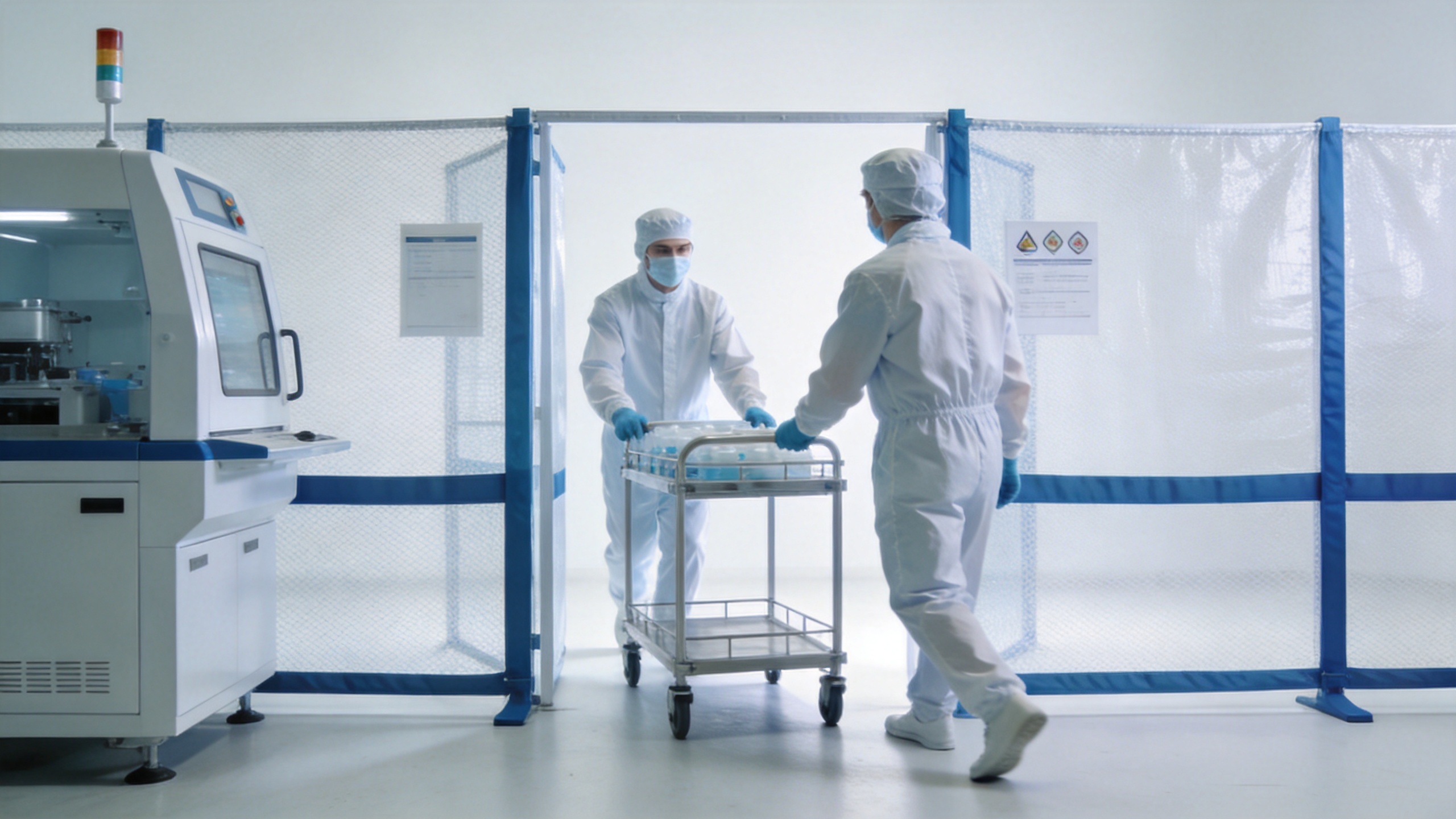
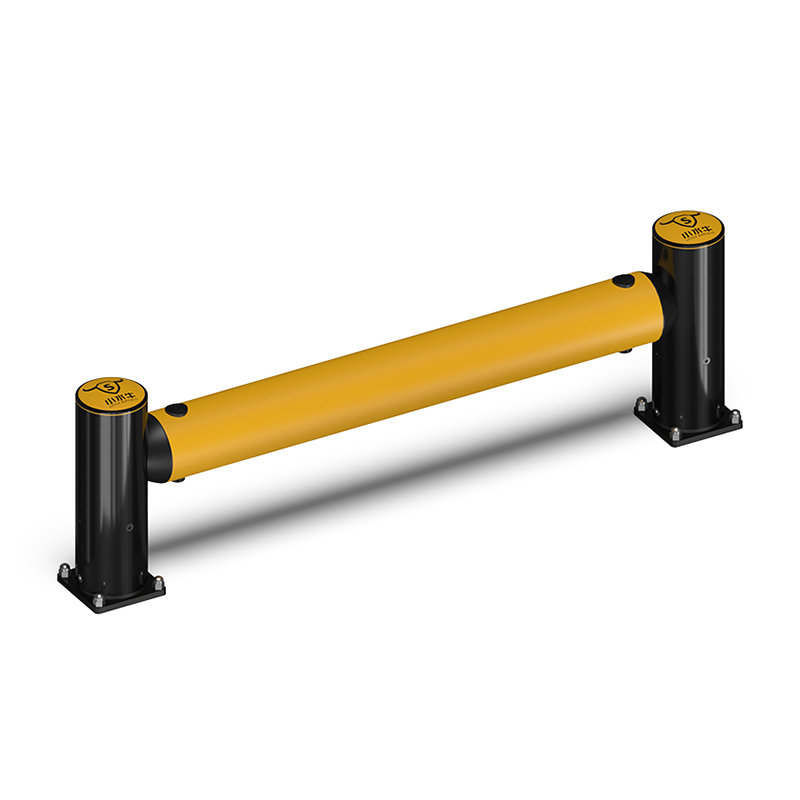
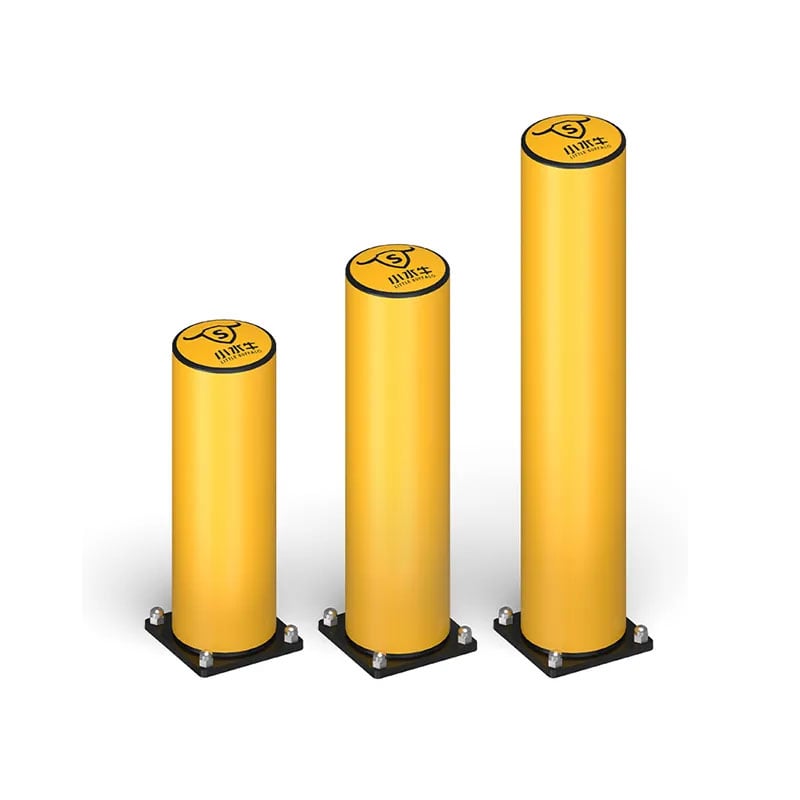
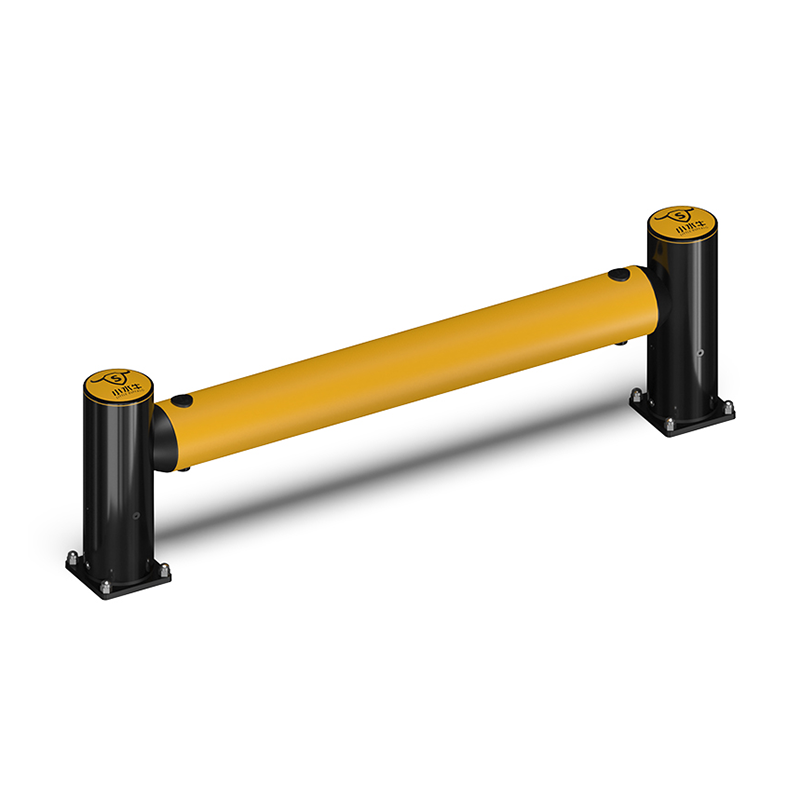
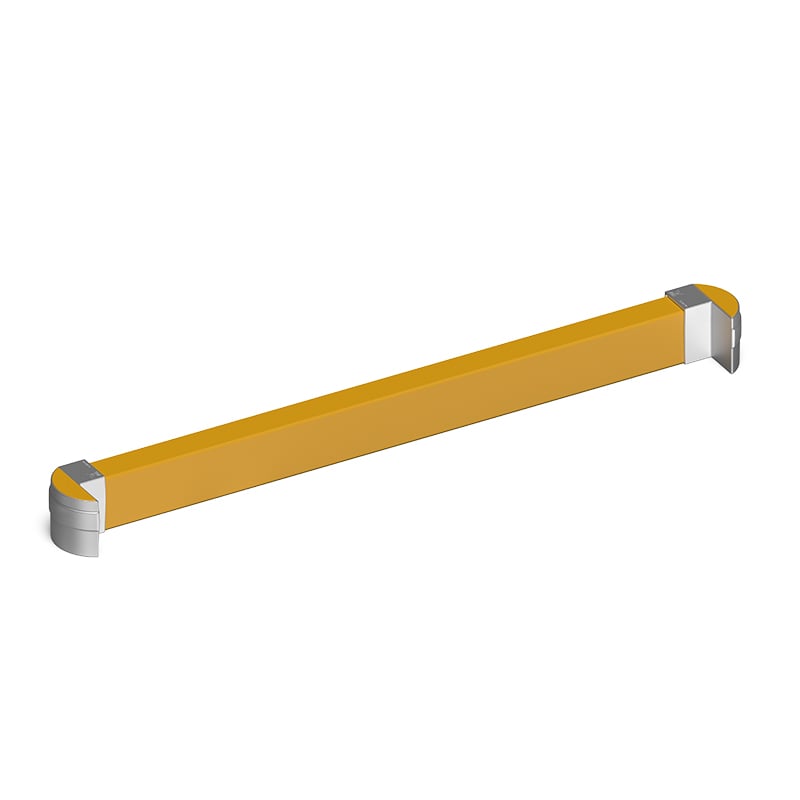
Cleanroom safety protection systems often work better when several functions are separated rather than forced into one component. A route boundary can guide movement. A controlled access point can define entry. A machine perimeter can reduce unintended approach. Corner or end protection can help make a fixed obstruction more visible and less exposed to incidental contact. Each function brings a different cleaning, access, and installation discussion.
| Zone | Primary question | Selection focus |
|---|---|---|
| Material transfer path | Can people and carts pass predictably? | Clearance, route definition, cleanable geometry |
| Equipment perimeter | What access must be controlled? | Hazard boundary, service opening, inspection access |
| Door or gateway | Can entry remain controlled without congestion? | Opening direction, gowning flow, emergency release |
| Service point | Can maintenance occur without a workaround? | Removability, documented reinstallation, cleaning access |
For a controlled manufacturing facility, cleanroom safety barriers should be reviewed with the process owner as well as the EHS team. This keeps a safety improvement from unintentionally narrowing a transfer route or complicating a validated work sequence.
Use a Practical Specification Checklist
- Define the hazard, people at risk, and intended protection function.
- Record route widths, turning needs, door swings, and equipment-service clearances.
- Identify the applicable cleaning method and the surfaces that must remain accessible.
- Confirm whether mounting, drilling, or installation changes require facility approval.
- Request evidence for material, installation, and performance claims that matter to the application.
- Plan how the system will be inspected after installation and after layout changes.
This checklist supports cleanroom safety protection decisions without replacing the facility’s own risk assessment or quality procedures. It also gives procurement a clearer request for information: function, dimensions, environmental constraints, evidence requirements, and acceptance criteria.
Integrate Protection with Procedures, Not Instead of Them
Cleanroom safety protection is strongest when it supports documented work practices. Signage, training, gowning, material-transfer rules, housekeeping, and supervision still matter. A barrier may clarify a route, but it cannot correct an unsafe procedure by itself. Likewise, hygienic safety protection can make good cleaning practice easier, but it does not replace cleaning validation or environmental monitoring.
Before handover, involve users in a controlled trial where appropriate. Observe whether carts can be moved without improvised contact, whether cleaning staff can reach the area, and whether technicians can access panels safely. Capture changes through the facility’s normal change-control process. A short review after a layout change is often more valuable than assuming the original configuration will remain suitable forever.
Frequently Asked Questions
Can cleanroom safety barriers be selected from a standard factory layout?
They can provide a starting point, but the final selection should account for cleaning, access, airflow-related controls, material compatibility, and the facility’s documented operating requirements.
Does hygienic safety protection guarantee cleanroom compliance?
No. Hygienic safety protection describes a planning objective. Compliance, classification, and suitability depend on the applicable standard, product evidence, installation, and site-specific verification.
What should a supplier receive before proposing cleanroom safety protection?
Provide zone dimensions, traffic patterns, hazard information, cleaning conditions, access needs, mounting constraints, and the approval path for any facility change. This helps ensure that cleanroom safety protection is designed around the real operating condition.
Plan for Safe, Maintainable Control
A suitable cleanroom safety protection solution is rarely the most prominent barrier. It is the arrangement that makes the intended safe behavior easier while fitting the controlled environment’s operating discipline. Start with the hazard and workflow, verify cleanability and compatibility, preserve access, and require evidence for claims that affect the decision. With that process, cleanroom safety barriers can support safer, more orderly manufacturing without overstating what a physical control can achieve.
 Hot News