EN


Production Line Protection Systems for Forklifts and Material Handling Vehicles
Production line protection is not simply a matter of placing a rail beside a conveyor or workstation. In an active plant, forklifts, pallet trucks, tuggers, and other material handling vehicles need room to move while people, machinery, utilities, and finished goods need predictable separation. A well-considered system helps a team reduce exposure at the points where traffic and production activities meet; it does not replace traffic rules, operator training, or routine supervision.
From an industrial safety engineering perspective, the first task is to map the route, impact direction, and mounting conditions before comparing barrier configurations. The catalog can narrow options, but turning radius, load movement, service access, and the way a line changes over usually determine the final fit. This matters especially where a vehicle route passes close to an assembly cell, a machine edge, or a pedestrian crossing.
Define the production-line protection problem by zone
Start with the operating area rather than a preferred barrier profile. Production line protection should be planned around the assets and people exposed to vehicle movement: line-side workstations, control panels, conveyors, robotic cells, rack ends, loading interfaces, and walkways. Identify where a vehicle could approach an asset, whether the likely contact would be head-on or glancing, and whether its load changes the swept path.
OSHA forklift guidance advises separating forklift traffic from workers and pedestrians where possible, and identifies permanent railings or other protective barriers as one possible separation measure. That is useful context, but it is not a one-product prescription. A barrier can support separation; it should be considered alongside route markings, speed controls, visibility rules, and training.
A common planning miss is checking forklift turning clearance only after the proposed barrier location is fixed. Measure the usable route during normal work, not only when aisles are empty. Include the width and movement of loads, staging areas, dock activity, battery-service access, and temporary pallets. In active facilities, the most revealing places are often where forklifts and pedestrians converge or where a driver turns toward the end of a line.
Map vehicle movements before selecting industrial forklift barriers
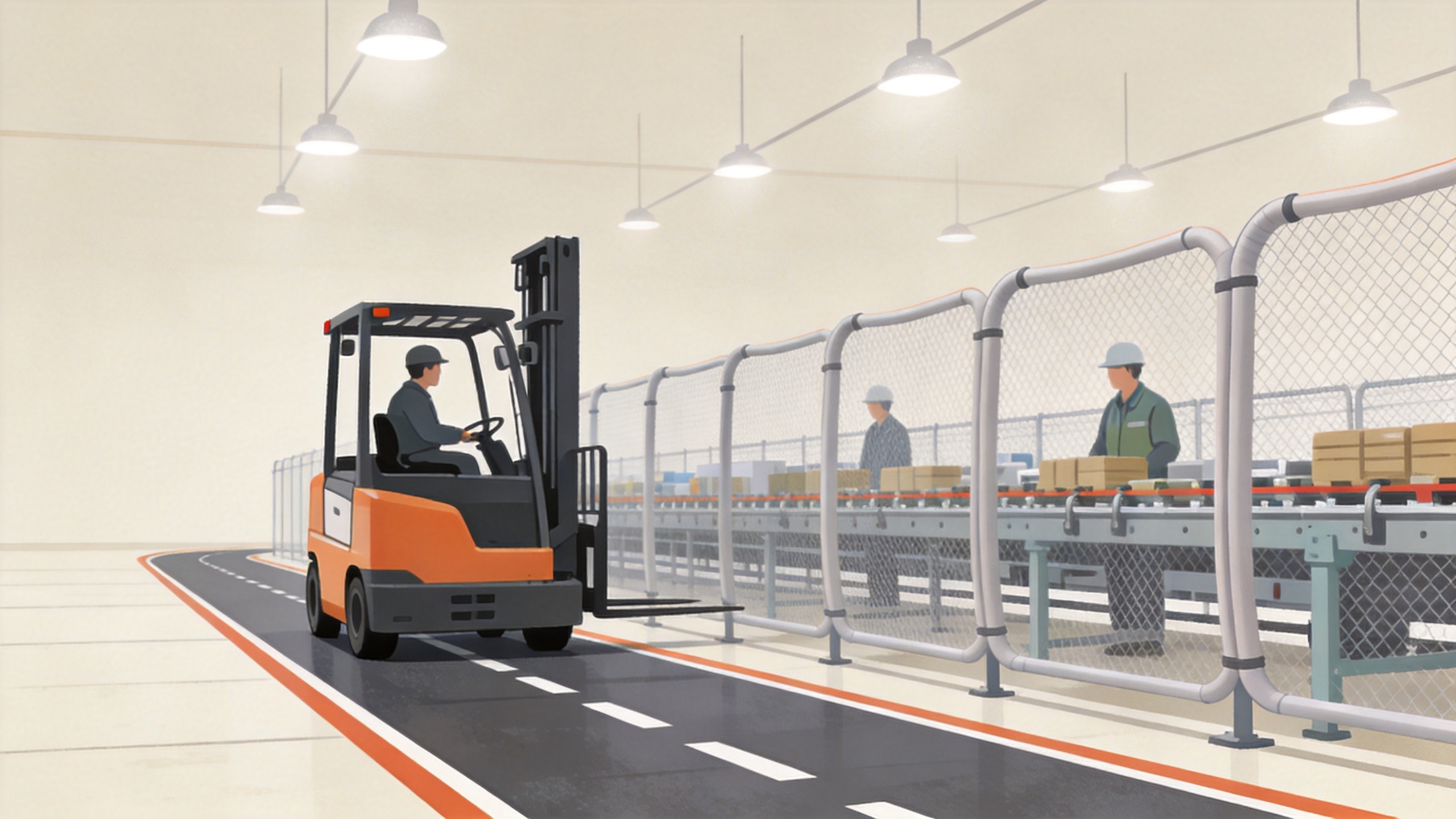
Industrial forklift barriers should reflect how vehicles actually move. Mark the start and end of each route, crossings, reversing points, blind approaches, and places where a truck pauses to pick up or set down a load. Then compare those movements with the locations of people, equipment, and product flow. A route observed at one time may not represent peak dispatch activity, so gather input across operating periods and shift changes.
Questions that reveal exposure
- Which vehicles use the area, and can their routes overlap?
- Where do operators reverse, turn, or handle a load beside production equipment?
- Where do employees cross a vehicle route to reach a workstation, materials, or an exit?
- Could pallets, carts, or maintenance work narrow the route or obscure sight lines?
- What floor condition and fixing context must be reviewed before installation?
HSE workplace-transport guidance similarly emphasizes separating pedestrians and vehicles where possible, providing adequate clearance, and avoiding trapping hazards caused by fixtures along a route. In practical layout reviews, that means a protective line should not create a new pinch point at a doorway, service panel, or crossing. Look for whether forklift operators can see the route boundary before entering the area, and whether people on foot have a clear, understandable path.
Use a layered approach to forklift collision protection
Forklift collision protection is most useful when planned as part of a system. Physical protection may help define the boundary around a line or asset, while operational controls address how the route is used. Rather than evaluating one guardrail alone, map how it works with markings, gates, warning signs, pedestrian routes, and local procedures. The aim is to reduce exposure in a defined area, not to claim zero risk.
| Control layer | Planning question | Role in the production area |
|---|---|---|
| Route design | Can vehicle and pedestrian movements be separated or scheduled? | Reduces unnecessary interaction before a vehicle reaches the protected zone. |
| Visual guidance | Are boundaries, crossings, and restricted areas easy to recognize? | Supports consistent route use and early decision-making. |
| Physical barriers | What exposure, approach direction, clearance, and mounting conditions apply? | Provides a physical boundary or impact-management layer where appropriate. |
| Operating controls | What rules, training, speed expectations, and inspections support the layout? | Addresses behavior and changing conditions that barriers cannot manage alone. |
Where mixed vehicle traffic persists, consider both physical separation and the process controls around it. A highly fixed layout can simplify current separation, while an adaptable arrangement may help when a route change is plausible. If a production line may be reconfigured, include adjustment and review needs in the first plan rather than treating the initial drawing as permanent.
Choose protection by application constraints, not appearance
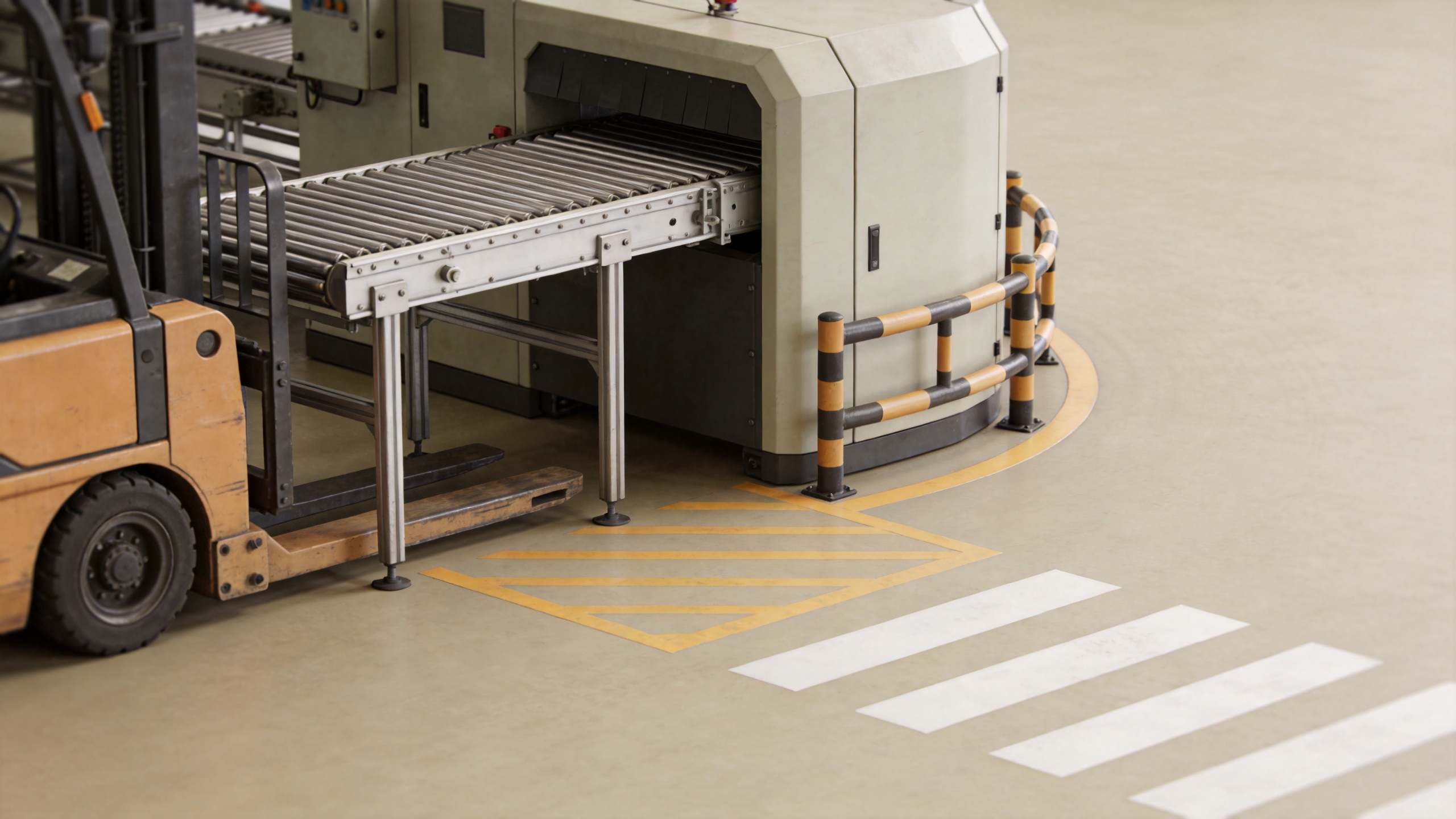
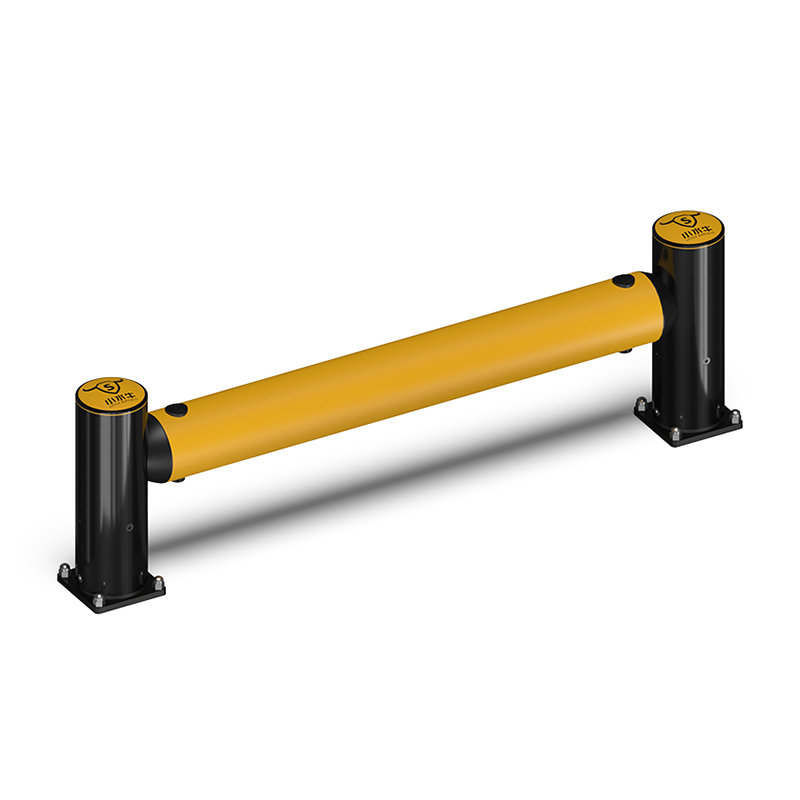
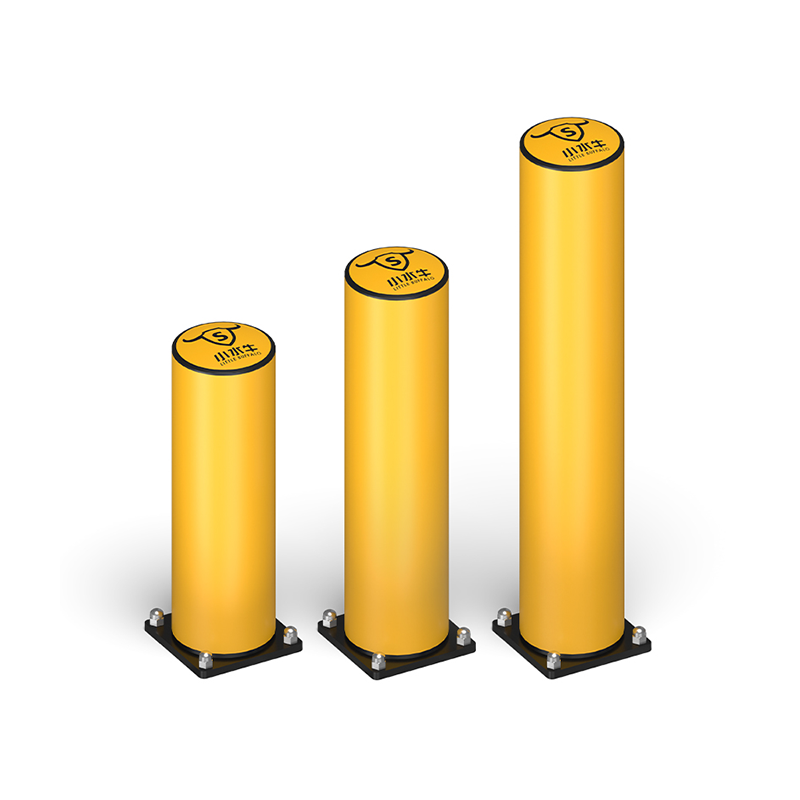
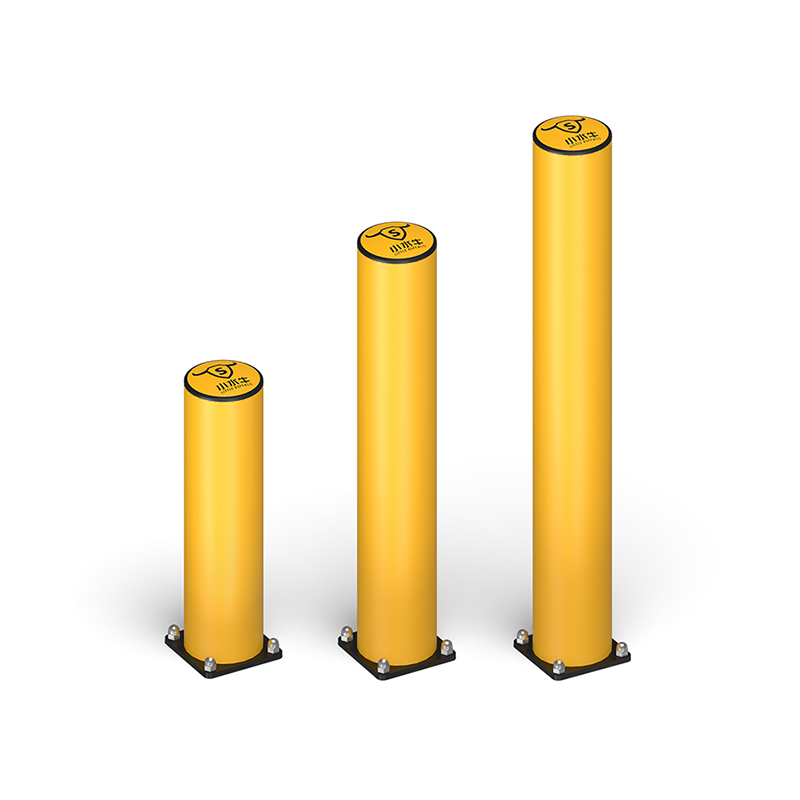
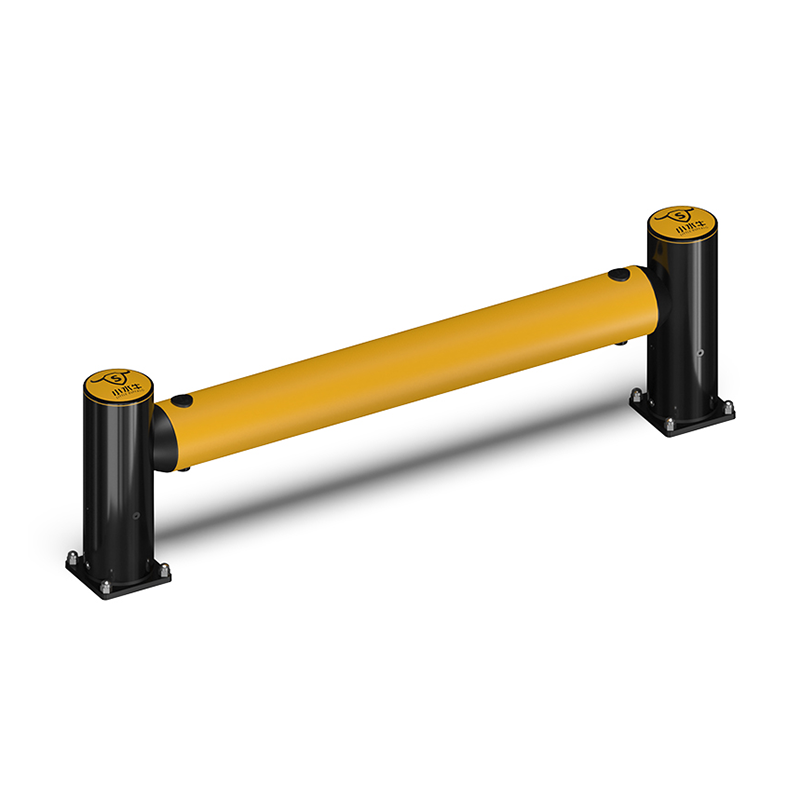
Once the route map is clear, compare configurations by their application constraints. A continuous line-side boundary may be relevant where a vehicle route runs parallel to equipment. End protection may deserve separate attention where turning traffic concentrates at corners. Bollards or localized guarding may be considered around exposed posts, doors, and utilities. The suitable option depends on the operating condition, not on a single headline feature.
For each location, clarify the anticipated vehicle type, direction of approach, clearance needed for people and materials, available mounting surface, inspection access, and the consequences of blocking an emergency or service route. Do not treat the floor and substrate condition as a minor detail; it may affect what needs review. Before treating impact performance as a decision point, confirm what evidence applies to the proposed installation and its conditions.
Production line protection should also account for workflow. Increasing protective coverage can affect access for cleaning, changeovers, maintenance, and material replenishment, so review coverage and access on the same plan. A neat-looking layout is useful, yet the likely impact path should be checked before appearance drives the decision.
Plan installation, inspection, and change management
Before installation, document route dimensions, proposed protection locations, fixing assumptions, access requirements, and the operational rules that will apply after the work is complete. Review the plan with the people who operate vehicles, work beside the line, maintain equipment, and manage production. Early input from people who work in the zone often reveals timing or access details that drawings miss.
After installation, verify that the vehicle path, pedestrian route, visibility, and service access work as intended during normal activity. Put barrier condition and route changes into a regular inspection process. When a new machine, rack line, or staging practice is introduced, revisit the separation plan rather than assuming the original logic still fits. Record assumptions about vehicle type and traffic direction so later reviewers can test whether they remain true.
A practical checklist for production line protection
- Map every vehicle route, crossing, reversing point, and line-side delivery area.
- Identify the people, machinery, utilities, and products exposed at each point.
- Check turning paths and load movement under normal and peak conditions.
- Review clearance, visibility, pedestrian access, emergency egress, and potential trapping points.
- Select physical protection as one part of a layered traffic-management approach.
- Confirm mounting conditions and the evidence relevant to the proposed application.
- Review the arrangement after layout, equipment, or operating changes.
Effective production line protection begins with actual movement, not a generic barrier specification. When teams assess the route, exposure, access, and control measures together, they can create a clearer basis for evaluating forklift collision protection and industrial forklift barriers in their own facility. The next check is to confirm site dimensions, vehicle movements, and mounting conditions before finalizing any configuration.
 Hot News