 EN


How to Protect Industrial Machinery from Forklift Collisions
Forklifts make production and maintenance work possible, but the same routes that keep materials moving can expose conveyors, control cabinets, process skids, work cells, and other fixed assets to impact. Effective industrial machinery protection starts by treating the area around a machine as a traffic-management problem, not simply as a place to add a rail. A well-planned system helps reduce exposure to vehicle contact while preserving operator access, cleaning space, and maintenance work.
This article focuses on forklift-impact control. It is not a substitute for machine guarding, lockout procedures, operator training, or a site-specific engineering review. Those controls address different hazards and should work together.
Start with the actual impact path
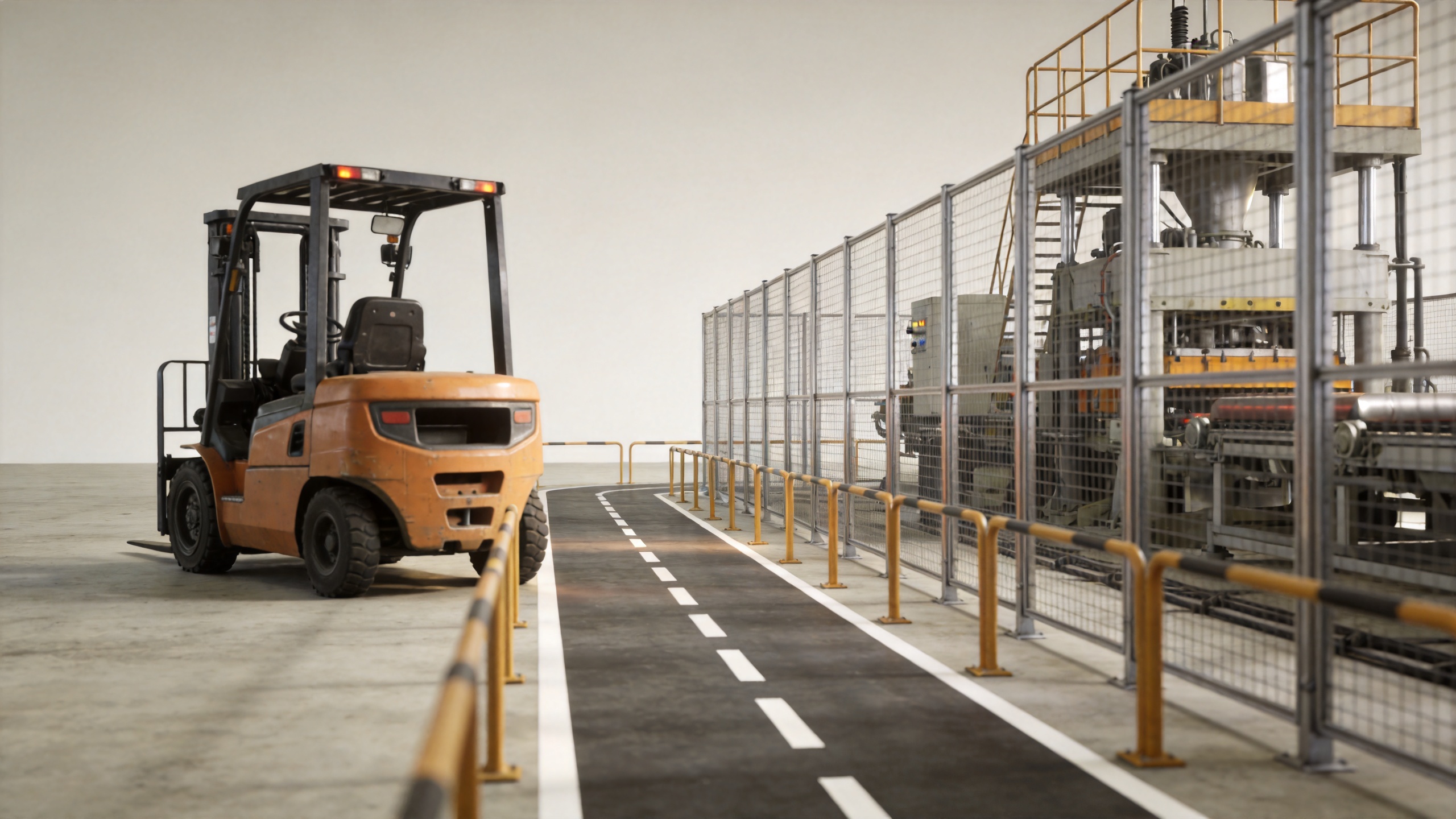
Before choosing equipment guardrails or bollards, observe how vehicles move during normal operation. Look beyond the painted aisle: note reversing moves, load overhang, turning radius, blind corners, charging areas, staging locations, and the routes used during shift changes. If the route changes by shift, review traffic at more than one operating period before choosing a layout.
A neat-looking layout is useful, yet the likely impact path should be checked before appearance drives the decision. Identify the assets that would be struck if a truck turns wide, reverses with a raised or bulky load, or leaves its intended travel lane. Then consider what would happen after contact: a damaged enclosure, exposed wiring, blocked egress, lost process capacity, or an obstruction in the aisle can create a wider operational problem.
OSHA guidance for powered industrial trucks says that forklift traffic should be separated from workers and pedestrians where possible and identifies permanent railings or other protective barriers as options to consider. It also requires permanent aisles and passageways to be kept clear and appropriately marked where mechanical handling equipment is used. For machinery zones, this supports a practical sequence: define the route, keep it clear and visible, then place physical protection outside the foreseeable vehicle path.
Separate forklift-impact protection from machine guarding
The phrase industrial machinery protection can mean different things. Machine guards, interlocks, light curtains, and emergency stops manage exposure to a machine’s operating hazards. Forklift-impact controls address a different question: how can a moving vehicle be kept from contacting the machine or its support equipment?
Choose a protection approach that fits the zone
The suitable option depends on the likely collision route, available footprint, floor condition, and the work that must continue around the asset. Rather than evaluating one post or rail alone, map how it works with markings, gates, service clearances, and pedestrian routes.
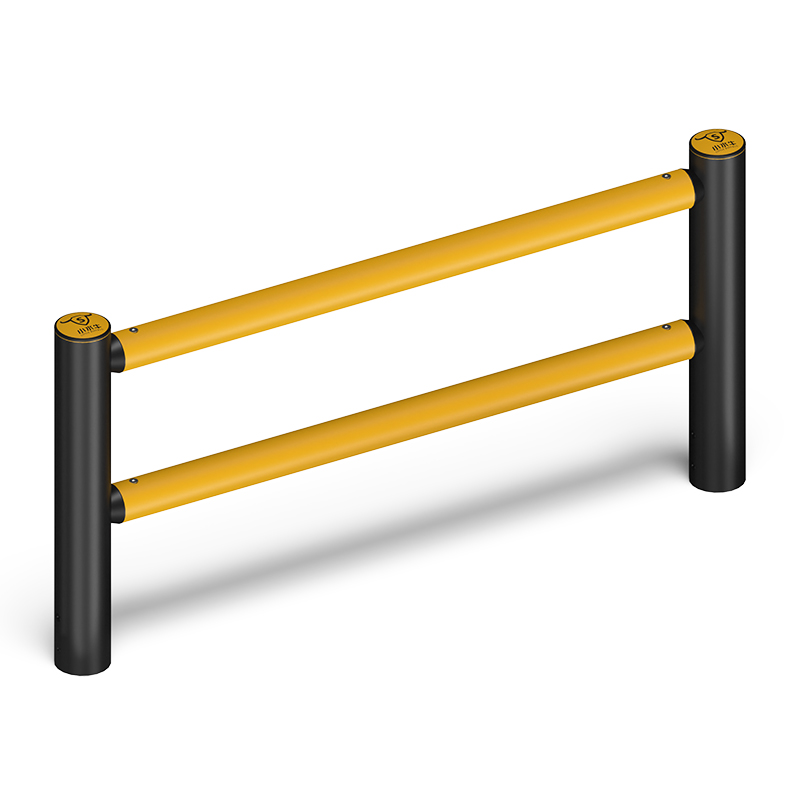
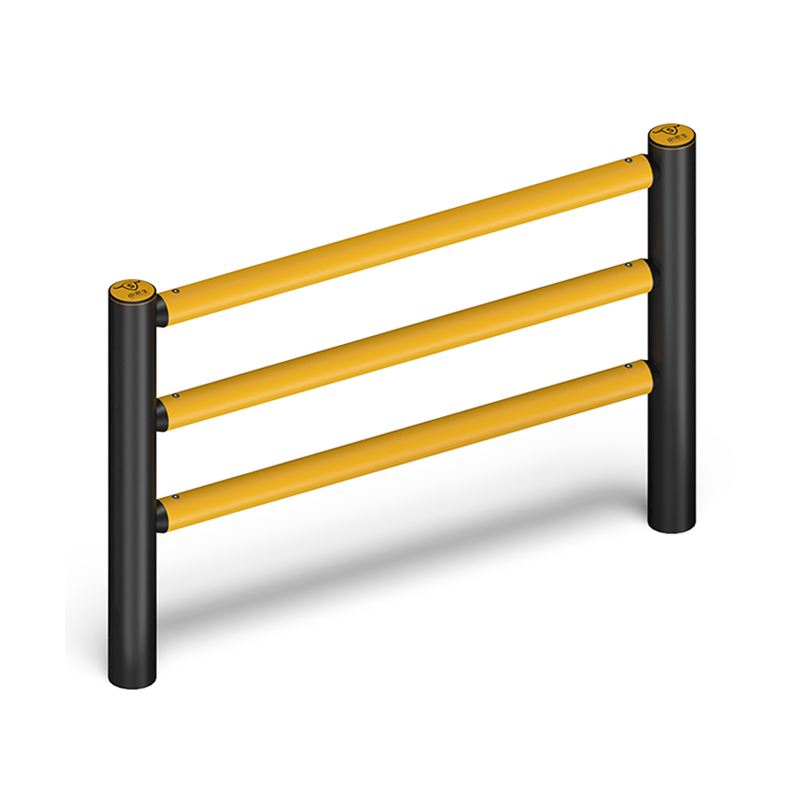
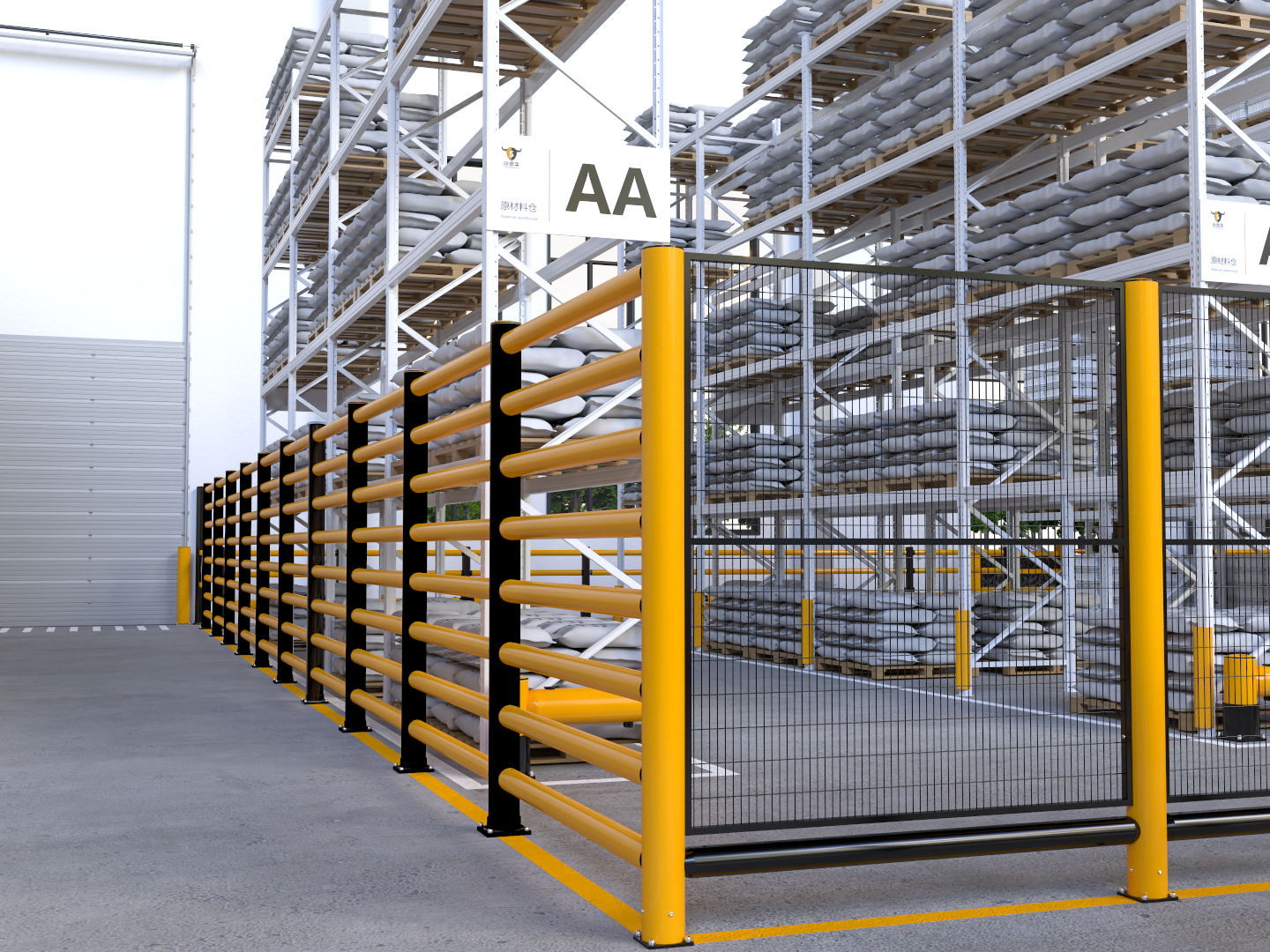
- Long exposed edges: Use a continuous barrier concept where forklifts travel parallel to machinery, conveyors, or process equipment. Confirm that the barrier line does not narrow the aisle or move the vehicle path closer to another hazard.
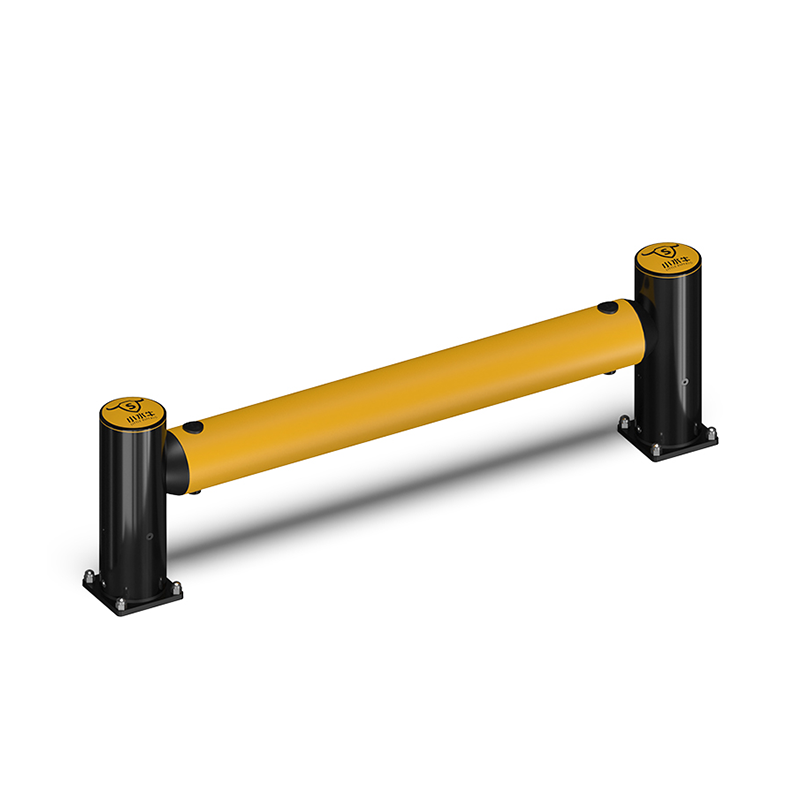
- Ends, corners, and projecting controls: These are common contact points when a truck turns, reverses, or handles a long load. Localized equipment guardrails, end protection, or bollards can create a visible stand-off zone when the configuration is appropriate for the site.
- Access and maintenance points: Plan gates, removable sections, or protected openings only where authorized access is needed. A barrier that blocks servicing can encourage workarounds, so maintenance access should be reviewed before installation.
- Mixed-use areas: Combine the asset-protection layout with clear pedestrian separation, signage, and operational rules. The barrier can support separation, but it should be considered alongside training, visibility, speed control, and supervision.
Catalog options can narrow a discussion, but turning radius, load dimensions, floor anchors, drainage, cleaning requirements, and service access usually determine the final fit. Before treating an impact rating or material claim as a decision point, confirm what evidence applies to the proposed installation and its actual conditions.
Plan the offset, openings, and visibility
A protection line should create useful clearance rather than merely hug the equipment. Leave enough space for doors, panels, cleaning, inspection, and safe maintenance tasks. At the same time, avoid creating a storage pocket between the barrier and the machine; accumulated pallets or debris can block access and hide damage.
Review openings carefully. A gap that is convenient for people may also become the easiest route for a forklift. Where a crossing is necessary, make the intended path unmistakable through layout, markings, and operating rules. Can an operator still understand the intended route when temporary materials occupy this area? That simple question often reveals whether a drawing will work on a busy shift.
Visibility matters too. Keep protective elements, corners, mirrors, warning devices, and aisle markings free from stacked material. OSHA’s forklift guidance emphasizes slowing, stopping, and sounding the horn at intersections and wherever vision is obstructed. Physical protection is more useful when it reinforces, rather than obscures, those operating controls.
Install with operations and maintenance in mind
Good industrial machinery protection is not complete when the barriers are installed. Before commissioning, walk the route with forklift operators, maintenance staff, production supervisors, and EHS personnel. Check travel paths with typical loads, review access to panels and emergency equipment, and confirm that the barrier has not introduced a pinch point or blocked required clearance.
Inspect after impacts and layout changes
Use routine checks to look for contact marks, loose fixings, bent components, floor damage, blocked passages, and accumulated storage. An impact that appears minor may still justify a review of the route or operating practice. A maintenance-focused review asks what can be inspected, replaced, or adjusted without creating avoidable downtime.
Use a zone-by-zone selection review
For each asset, write down the vehicle type, direction of travel, typical load, approach speed set by site rules, and the part of the machine most exposed to a strike. This gives the industrial machinery protection discussion a clear starting point. It also prevents a common error: installing the same barrier arrangement around every machine even though the approach angle and service needs differ.
In an aisle beside a conveyor, equipment guardrails may need to follow a long edge while leaving room for access panels. At a control cabinet near a turning point, a smaller stand-off arrangement may be more relevant. In a compact cell, industrial machine protection may rely on a combination of route markings, a protected access opening, and physical separation at the exposed corner. Each example is illustrative; final placement should be reviewed for the specific facility.
Use the same review after a near miss or contact event. Ask whether the forklift route was understandable, whether temporary storage narrowed the lane, and whether the industrial machinery protection boundary remained visible. The answer may be an operating change, a clearer no-storage rule, or a revised barrier layout rather than simply adding more hardware.
Make each protection decision explicit
Use a short decision record for every exposed asset. Record the route, the approach direction, the load profile, the required service clearance, and the chosen control. This makes industrial machinery protection measurable as a planning task rather than a generic purchase. It also makes later industrial machinery protection reviews faster when the layout changes.
For a long conveyor edge, industrial machinery protection may use continuous equipment guardrails outside the travel path. For a cabinet at a turning point, industrial machinery protection may use localized equipment guardrails and a visible no-storage area. For a compact work cell, industrial machinery protection may combine a protected opening with route markings. These are planning examples, not universal designs.
Ask three questions before approving the arrangement: Does the industrial machine protection boundary match the likely forklift path? Do the equipment guardrails preserve maintenance access? Can operators see the industrial machinery protection zone when loads or temporary materials are present? Clear answers help the industrial machine protection layout support daily operations.
After a near miss, repeat the review. Check whether industrial machinery protection remained visible, whether equipment guardrails were damaged, and whether the industrial machine protection plan still matches real traffic. That review can lead to a route change, no-storage enforcement, or revised industrial machinery protection, not just more hardware.
A practical review checklist
- Map forklift travel, reversing moves, and blind spots around each exposed asset.
- Identify machine components, utility connections, and control panels that need a stand-off zone.
- Confirm aisle clearance, markings, and no-storage expectations before selecting barriers.
- Match industrial machine protection and equipment guardrails to the exposure, service access, and site conditions rather than a catalog image.
- Test the layout with normal operating loads and include affected teams in the walk-through.
- Inspect after impacts and whenever traffic or machinery changes.
Conclusion
Forklift collision control around machinery is most effective when it begins with the route, the work, and the asset’s real exposure. By separating vehicle-impact protection from machine guarding, selecting a configuration that preserves access, and reviewing it as operations evolve, facilities can make industrial machinery protection a practical part of daily traffic management.
 Hot News

