 EN


How to Select Safety Barriers for Cold Storage and Extreme Temperatures
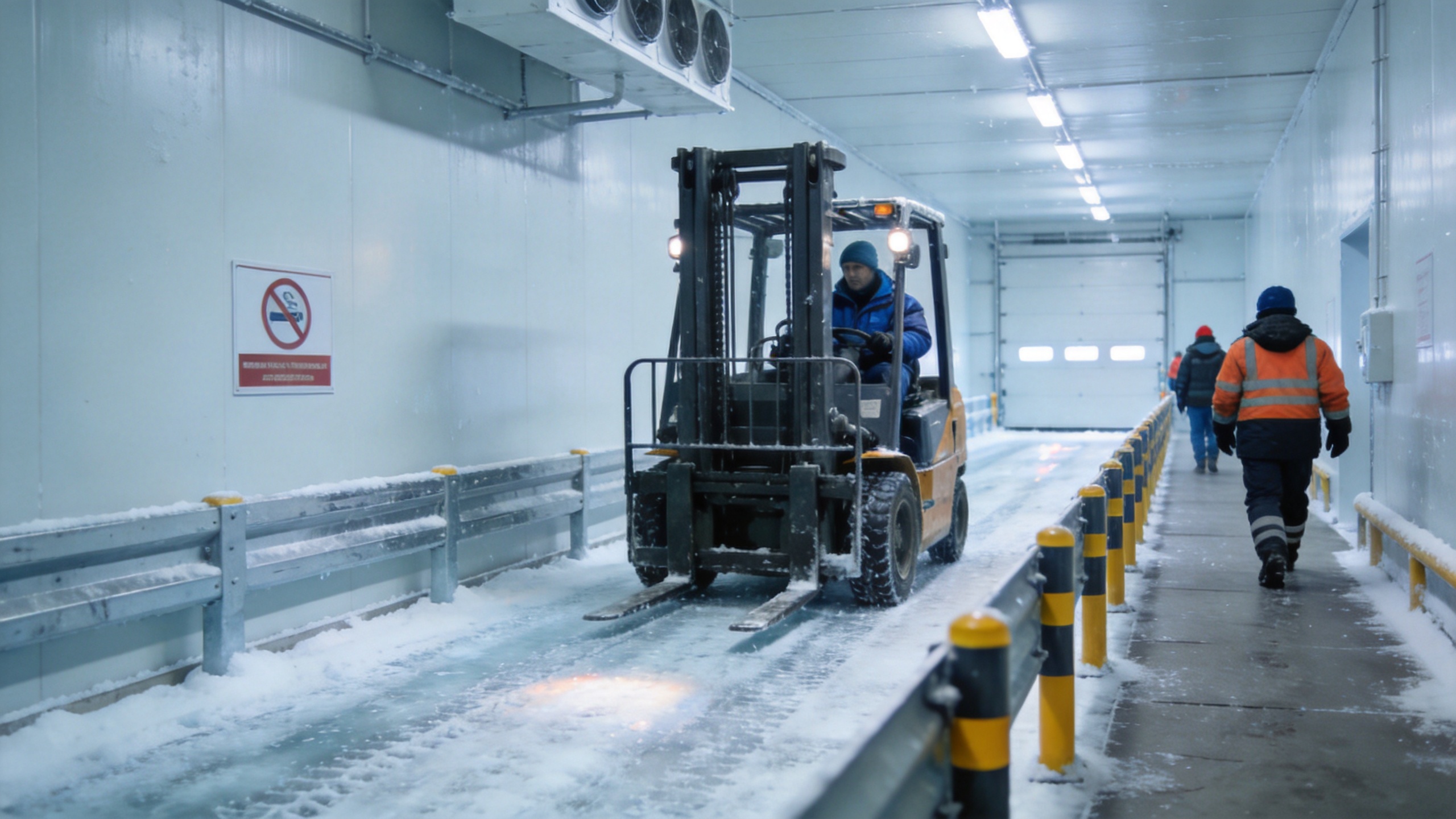
Cold rooms make ordinary traffic-control decisions less ordinary. A barrier that works in an ambient warehouse may face brittle seals, icy floor conditions, condensation, insulated wall panels, and a narrow installation window once it enters a freezer. For a maintenance planner, selecting cold storage safety barriers is therefore less about choosing the heaviest rail and more about matching the protection system to temperature, impact exposure, building details, and daily movement.
The useful starting point is the route, not the catalogue. Map where forklifts reverse, where people cross, where doors open, and where pallet loads pass close to insulated walls or refrigeration equipment. That map helps turn a general request for cold storage safety barriers into an installation specification that can be checked.
Start with the cold-store environment, not the barrier material
Write down the normal operating temperature, the lowest credible temperature, and how often a zone cycles between warm and cold. A chilled dispatch area, a -18°C freezer, and a blast-freeze approach may all need different answers. Ask suppliers for the documented service-temperature range of the complete system: posts, rails, couplings, anchor hardware, protective covers, and any elastomeric components. Do not assume a material name alone proves freezer suitability.
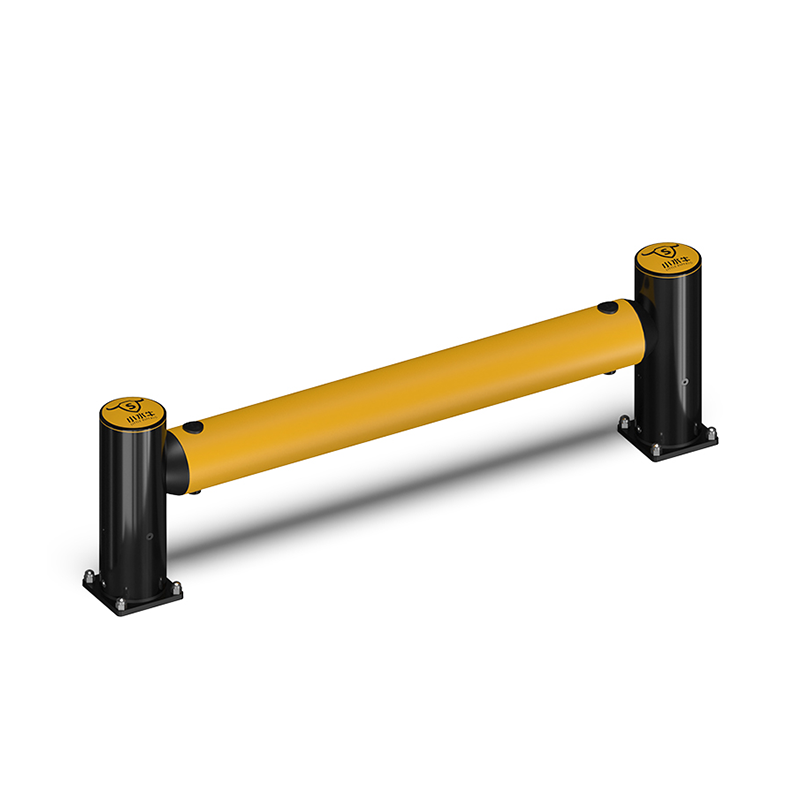
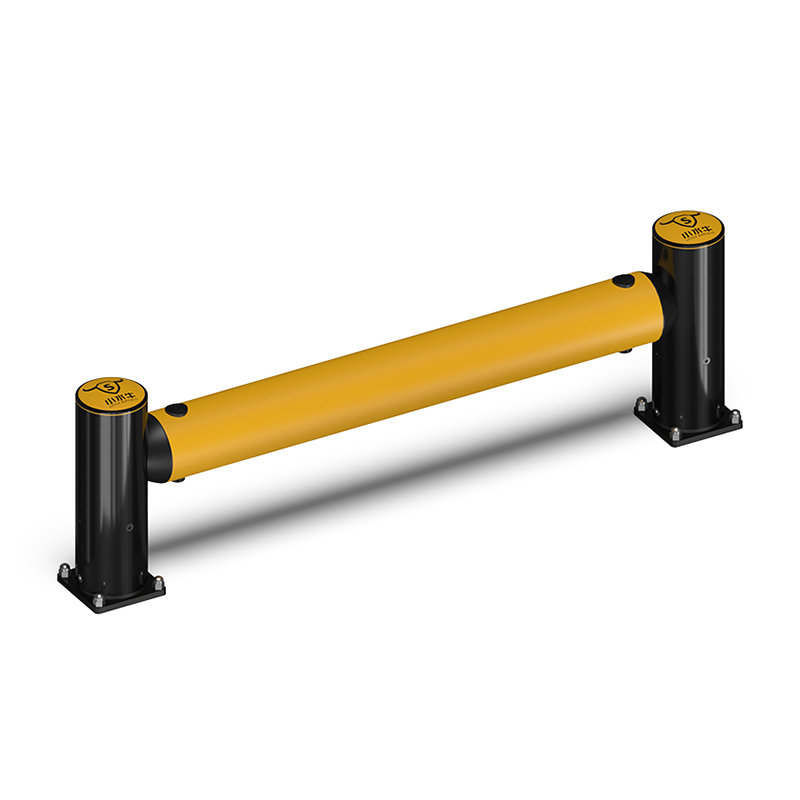
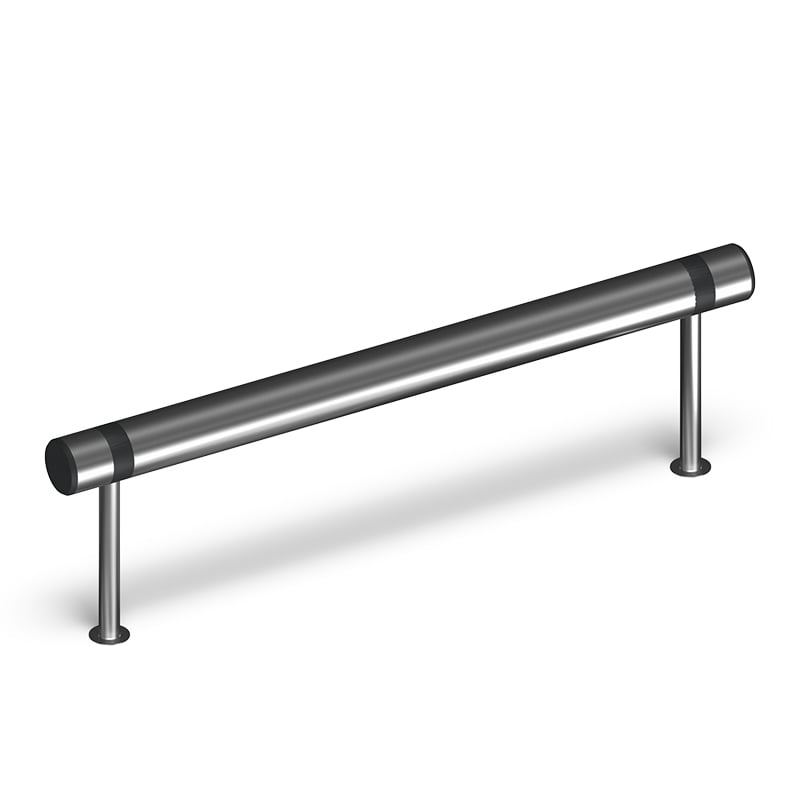
Also identify the environmental loads around the barrier. Moisture and washdown can promote corrosion; frost can conceal floor markings or affect footing; and condensation can appear where cold and ambient spaces meet. Steel may be appropriate in many freezer settings, while polymer systems may be appropriate where controlled deflection is desired. The selection question is not “steel or polymer?” in isolation. It is whether the specified system keeps its intended behavior at the actual temperature and impact level.
Classify the impact you are trying to control
Before comparing cold storage safety barriers, separate the protection problems. A pedestrian route beside a forklift aisle needs continuous separation and clear gates. A racking end needs a compact impact-control element. A freezer-door opening may need protection that preserves clearance for loads and door hardware. Refrigeration plant, evaporator supports, and insulated-panel corners can require localized guarding with carefully reviewed fixings.
| Zone | Primary exposure | What to define |
|---|---|---|
| Forklift and pedestrian crossing | Vehicle-to-person conflict | Route separation, gate position, sightlines, and emergency egress |
| Door and transition area | Turning loads and reversing vehicles | Clear opening, turning envelope, door-track protection, and floor condition |
| Racking or equipment edge | Localized impact | Vehicle type, approach angle, available footprint, and inspection access |
| Insulated wall or panel | Structural and envelope damage | Fixing method, penetration review, and coordination with the building team |
That distinction prevents a common mistake: specifying the same freezer room guardrails everywhere because they look consistent. Consistency can help wayfinding, but each zone still needs a defined collision scenario.
Check the mounting strategy before the purchase order
Cold-storage floors and envelopes deserve early review. A barrier may be structurally suitable yet still be a poor installation choice if its anchors interfere with underfloor heating, slab joints, drainage, hygienic sealing, or a vapor-control detail. Where protection must sit near insulated panels, involve the cold-store contractor or building engineer before drilling or welding. The goal is to protect the asset without creating moisture paths or compromising the envelope.
Look at tolerances too. Frost, uneven joints, and cleaning regimes can change the usable footprint. Make sure bases do not become trip hazards, access covers remain reachable, and inspection crews can see damaged components. If a system absorbs impact through deflection, reserve the space it needs; a barrier that flexes into a pedestrian route, racking line, or door sweep has not been fully designed.
Evaluate barrier behavior at the real operating temperature
Request evidence for the specific configuration, rather than relying on a generic brochure. Useful questions include: What temperature range is documented? Was the impact rating achieved with the same post spacing and anchors proposed for this site? Which parts require more frequent inspection in low temperatures? Can damaged sections be replaced without shutting down a large aisle? A defensible choice of cold storage safety barriers connects test information to the vehicle, speed, angle, layout, and temperature at the facility.
Do not turn a published rating into a site guarantee. Forklift mass changes with the load, operators approach at different angles, and floor contamination changes stopping distance. Treat impact data as one input to a risk assessment, together with traffic rules, speed control, mirrors, markings, training, and supervision.
Design for people, operations, and emergency access
Physical separation is most effective when it supports the way people actually work. OSHA warehousing guidance highlights pedestrian hazards around powered industrial trucks; in a cold room, visibility limits, bulky PPE, noise, and intermittent door traffic can make that separation even more important. Use freezer room guardrails to define routes, but confirm that workers can reach pick faces, refuge areas, emergency equipment, and exits without climbing over or bypassing the protection.
Include gate logic in the plan. A self-closing gate may suit one crossing, while another needs controlled vehicle access or a different route entirely. Markings and signs remain useful, but they should reinforce—not substitute for—well-positioned cold storage safety barriers where vehicle and pedestrian paths overlap.
Plan inspection, cleaning, and repair from day one
Cold-store protection is not a fit-and-forget installation. Assign a visual inspection routine that looks for cracked components, loose anchors, shifted rails, corrosion, impact marks, ice accumulation, and blocked drainage. Record impacts even when damage is not obvious; that gives the safety team a chance to review whether traffic controls or barrier placement need adjustment.
Ask how replacement work will be managed in a live facility. A modular repair approach can reduce disruption, but only if replacement parts, isolation procedures, and access clearances are planned in advance. During procurement, compare not just initial cost but also inspection demands, downtime risk, and the consequences of a repair during peak dispatch.
A practical selection checklist
- Map temperatures, thermal transitions, washdown exposure, and the lowest operating condition for each zone.
- Measure vehicle type, load profile, speed, approach angle, pedestrian movement, and required clearances.
- Define whether each location needs separation, localized impact protection, doorway protection, or asset guarding.
- Verify the complete system’s temperature suitability, configuration-specific impact evidence, and fixing requirements.
- Review anchors and penetrations with the cold-store building team before installation.
- Check deflection space, egress, cleaning access, and inspection visibility.
- Set acceptance criteria, inspection intervals, and a repair response before handover.
Make the final choice on verified fit
The most suitable cold storage safety barriers are those whose documented behavior fits the real freezer environment and whose layout helps people move safely without disrupting operations. Start with the route and the hazard, verify low-temperature and mounting details, then compare configurations on lifecycle practicality. That approach gives a facility team a clearer basis for selecting protection that remains workable after the first busy season, not just on installation day.
 Hot News

