EN


How to Reduce Collision Risks Around Factory Loading and Storage Zones
Loading bays and storage areas are where a factory’s planned layout meets its busiest, least predictable movements. Forklifts arrive with pallets, delivery drivers wait near doors, people take shortcuts, and stock can temporarily narrow a route. Effective factory collision prevention begins by treating these zones as traffic systems rather than as isolated locations that simply need a rail or warning sign.
From an EHS planning perspective, the purpose is to reduce exposure between people, vehicles, and vulnerable assets. It is not just about creating a boundary; more precisely, it is about making that boundary work with the way the zone operates. A practical plan combines route design, factory collision protection, operating rules, communication, and periodic review. No single measure should be presented as eliminating every collision risk.
Start with the movements that create exposure
A useful review starts with how forklifts, pallet trucks, delivery vehicles, and pedestrians move today, not how a drawing assumes they move. Walk the area during receiving, dispatch, replenishment, and shift change. Note reversing movements, blind corners, doorways, rack ends, staging locations, and points where a pedestrian route meets a vehicle route.
In active facilities, the most revealing places are often where forklifts and pedestrians converge. OSHA’s powered-industrial-truck guidance says forklift traffic should be separated from workers and pedestrians where possible and identifies permanent railings or other protective barriers as possible separation measures. That principle is helpful, but the layout still needs to account for turning, visibility, and the tasks people must complete nearby.
- Trace each route: mark travel direction, crossing points, reversing areas, and places where loads can block a driver’s view.
- Observe operating periods: a route that looks clear in mid-shift may be constrained during trailer loading or peak picking.
- Identify vulnerable edges: protect corners, dock approaches, doors, racking interfaces, and machinery only after confirming the likely impact path.
- Ask workers early: operators, pickers, and maintenance teams often know where temporary pallets or access needs change the intended flow.
Design separation before selecting industrial guardrails
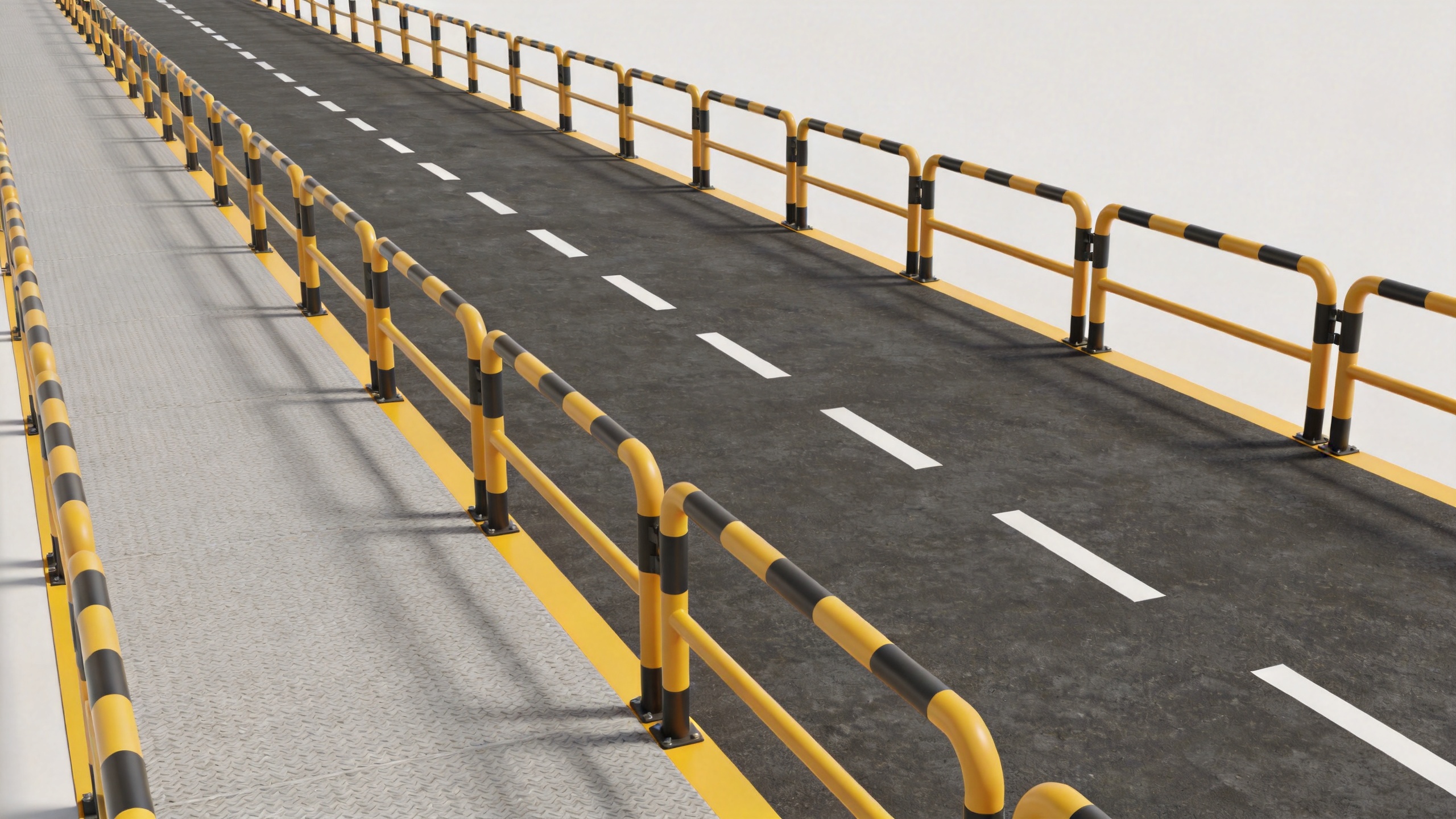
Industrial guardrails can be one useful layer of factory collision prevention, but a catalog should not be the starting point. First decide which movements must be separated, which crossings must remain controlled, and where clear sightlines are needed. The catalog can narrow options, but turning radius, staging behavior, emergency access, and service access usually determine the final fit.
Where practical, give pedestrians a route that is visually distinct and protected from vehicle travel. At necessary crossings, make the interaction intentional rather than accidental: use clear markings, appropriate signs, procedural controls, and sightline checks. A clearly visible boundary still needs to make sense to people using a shared route.
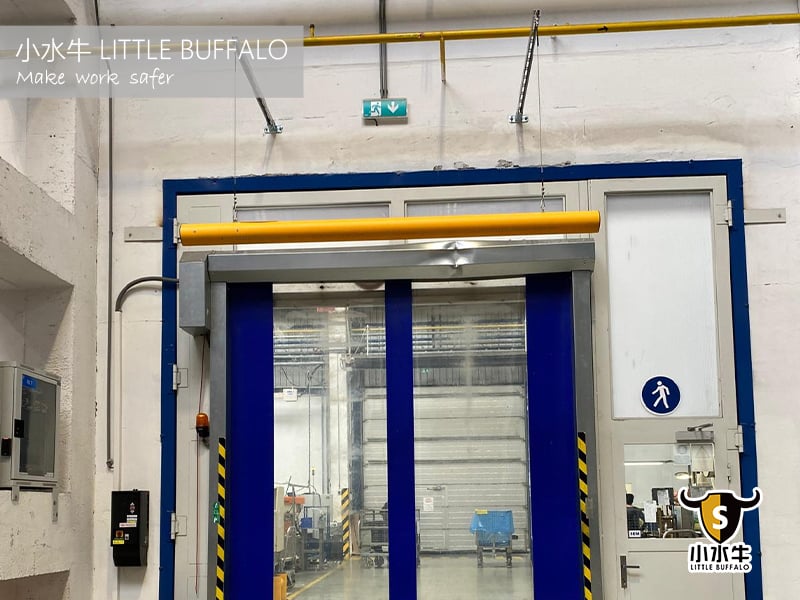
For exposed structural or operational assets, factory collision protection should be positioned to address the approach direction and likely contact point. More material is not automatically a better answer if the likely impact path is not addressed. Review the barrier’s footprint, opening locations, and mounting context together with the route; these factors can affect clearance and the protective function that is being considered.
Control loading-dock risks as a coordinated sequence
Loading zones add another moving interface: a forklift may cross from the building into a trailer while people, vehicles, and goods are changing position nearby. OSHA enforcement guidance references 29 CFR 1910.178(k)(1) and (m)(7) in relation to securing trucks or trailers at loading facilities. Site teams should verify the requirements and controls that apply to their operation, including how a trailer is restrained or chocked before loading activity begins.
A coordinated dock sequence can reduce ambiguity:
- Confirm the trailer, dock equipment, and loading area are ready before a powered industrial truck enters.
- Keep pedestrians out of the travel path and away from elevated loads or the lifting mechanism.
- Maintain a clear staging limit so pallets do not migrate into the vehicle lane or conceal route markings.
- Use an agreed handoff or signal before loading, unloading, or releasing the trailer.
- Inspect the area after changes in door use, trailer type, traffic volume, or operating procedure.
Lift trucks cannot stop suddenly, a point highlighted in OSHA’s pedestrian-traffic guidance. That is why a plan needs usable clearance and predictable routes, not only visual reminders placed at the last moment.
Keep storage from becoming a traffic-control problem
Storage pressure can quietly undermine factory collision prevention. Overflow pallets near intersections, temporary material beside emergency doors, and informal staging at rack ends can all change the space available to vehicles and people. Can a pedestrian still understand the intended route when pallets temporarily occupy this area? If the answer is uncertain, the storage rule and the physical layout should be reviewed together.
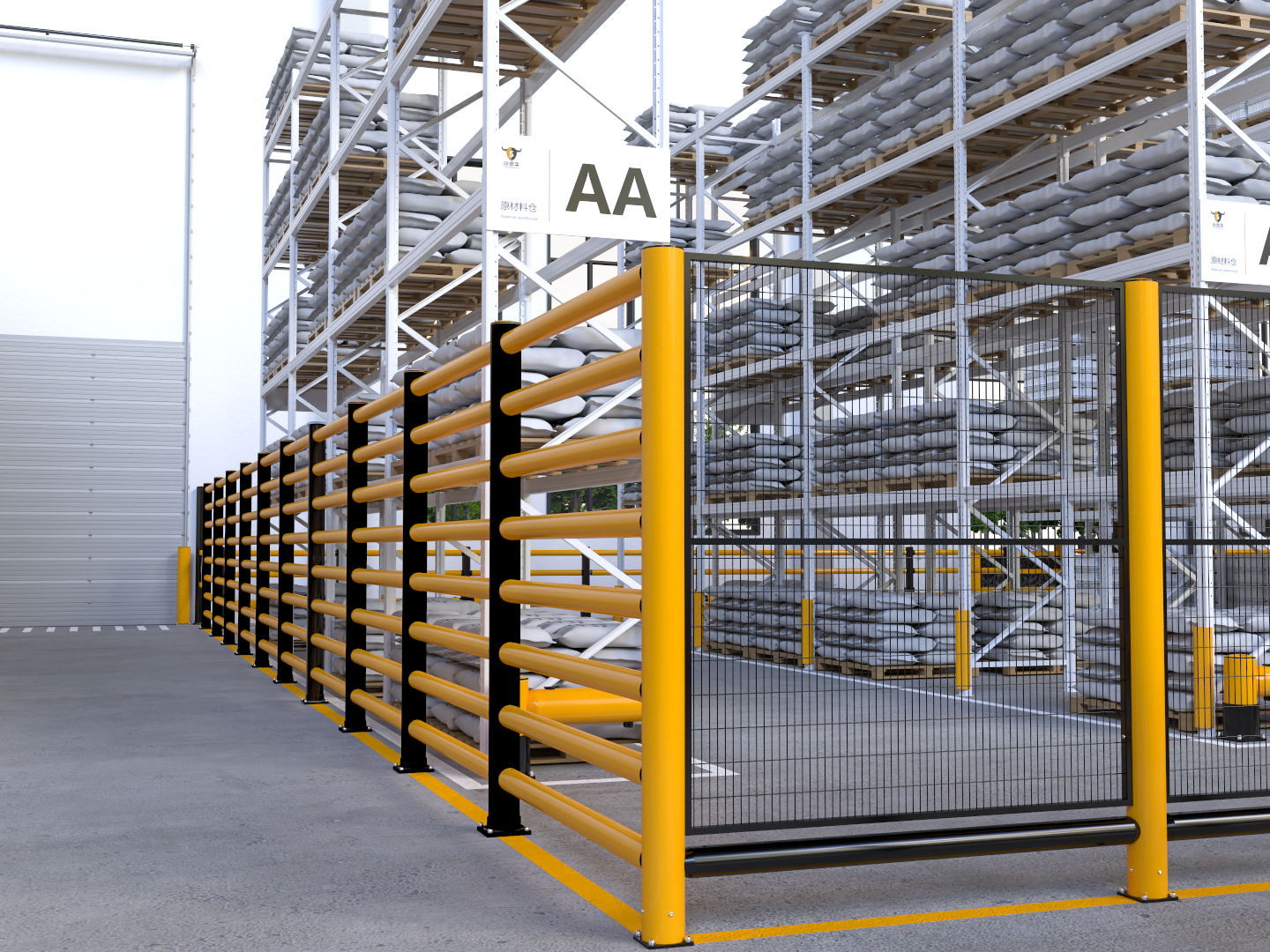
Set clear limits for staging areas and keep them visible during normal work. Use designated locations for empty pallets, damaged goods, return stock, and paperwork stations so they do not drift into movement corridors. At rack ends and column lines, review whether industrial guardrails or other appropriate protective measures can support the intended separation without blocking inspection, cleaning, or picking access.
Increasing protective coverage can affect service access, so review both on the same plan. A workable arrangement should help people recognize where they may stand, where vehicles may travel, and what to do when temporary work interrupts the normal flow.
Use a layered factory collision prevention checklist
Before finalizing changes, use a concise review that covers the full control system:
- Routes: Are pedestrian and vehicle paths mapped for normal and peak operations?
- Visibility: Can operators see boundaries, crossings, and people before entering a conflict point?
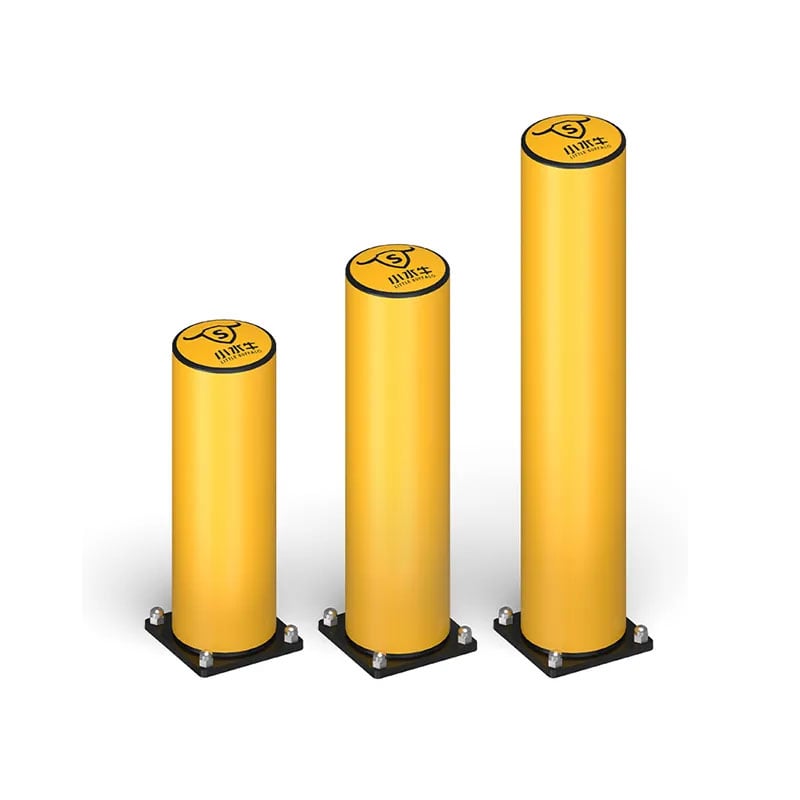
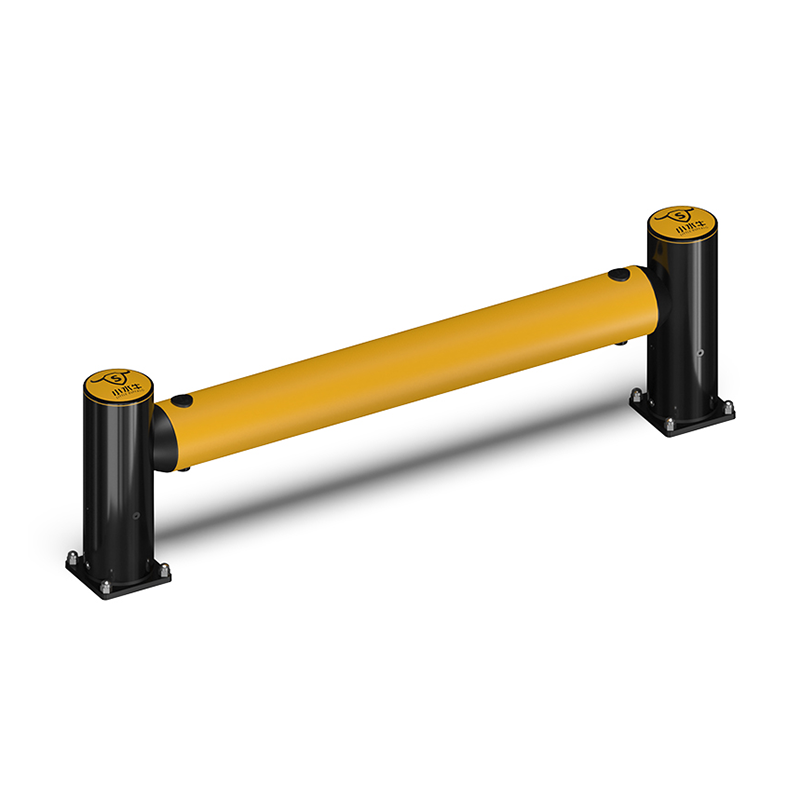
- Physical separation: Are barriers, bollards, or industrial guardrails being considered where their position and mounting conditions fit the exposure?
- Storage discipline: Are staging limits clear, practical, and enforced across shifts?
- Dock sequence: Are trailer-securement, access, and handoff controls understood before forklifts enter?
- Procedures and training: Do signs, speed rules, communication practices, and refresher training support the physical layout?
- Change management: Is there a trigger to revisit the plan when racks, equipment, products, or traffic patterns change?
Review the plan after the facility changes
A barrier can support separation, but it should be considered alongside traffic rules, markings, training, supervision, and housekeeping. When a new rack line, dock routine, or product flow is added, revisit the separation plan rather than assuming the original logic still fits. Record assumptions about vehicle type, load characteristics, route direction, and peak activity so later reviewers can test whether they remain true.
The aim is not to make every area look enclosed; it is to make high-exposure interactions easier to control. For factory collision prevention, the strongest next step is a site-specific review of actual movement, clearance, access, and applicable safety requirements before selecting or repositioning protective measures.
 Hot News