EN


How to Protect Warehouse Racking from Forklift Impact
To protect warehouse racking, start with the routes people and trucks actually use rather than with a catalog of guards. In a busy facility, a rack upright can be exposed during a tight turn, a reversing maneuver, a pallet set-down, or a queue at a dock door. The right warehouse rack protection plan combines physical barriers with traffic design, housekeeping, driver communication, and a disciplined response when contact occurs.
For an operations manager, the goal is not to make a rack indestructible. It is to reduce avoidable strikes, make vulnerable points visible, and ensure that any damaged component is assessed before it carries another load. HSE's Warehousing and Storage: A Guide to Health and Safety (HSG76) is a useful reference when reviewing warehouse traffic and work-equipment controls, alongside local requirements and advice from the rack supplier or a competent inspector.
Map the impact risk before you protect warehouse racking
A practical way to protect warehouse racking is to walk the site during normal shifts. Mark every location where a forklift turns, reverses, waits, crosses pedestrian traffic, or enters a narrow aisle. Pay particular attention to aisle-end frames, outside uprights near doors, corners beside conveyors, staging areas, battery-change zones, and rack faces beside dispatch lanes.
Ask drivers where visibility is poor, where loads restrict their view, and where another vehicle is likely to cut across the route. A near miss may reveal more about the layout than a spreadsheet does. This assessment lets the team place warehouse rack protection where it has a defined purpose instead of covering every upright with the same device.
Use protection that matches the exposed rack component
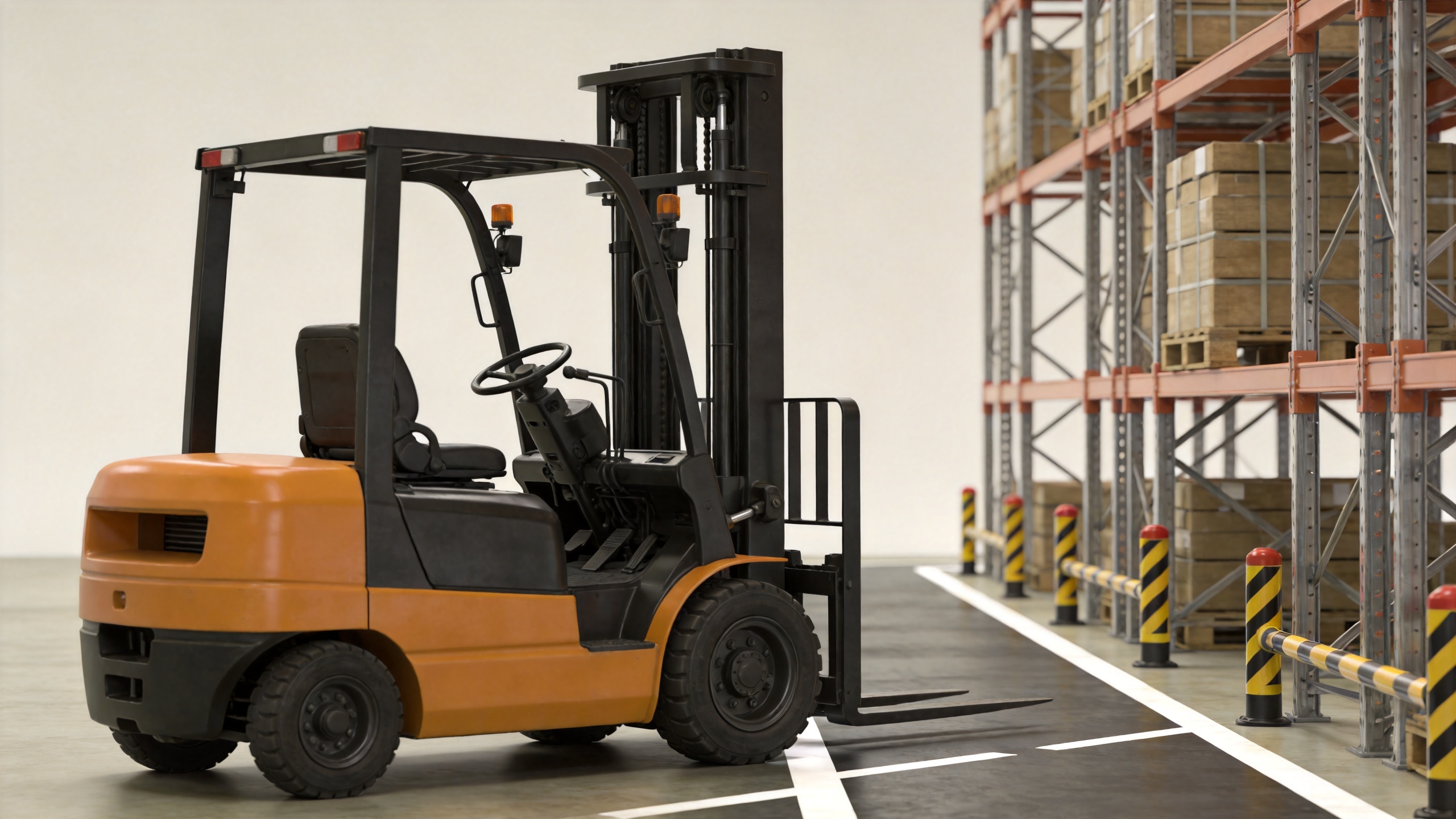
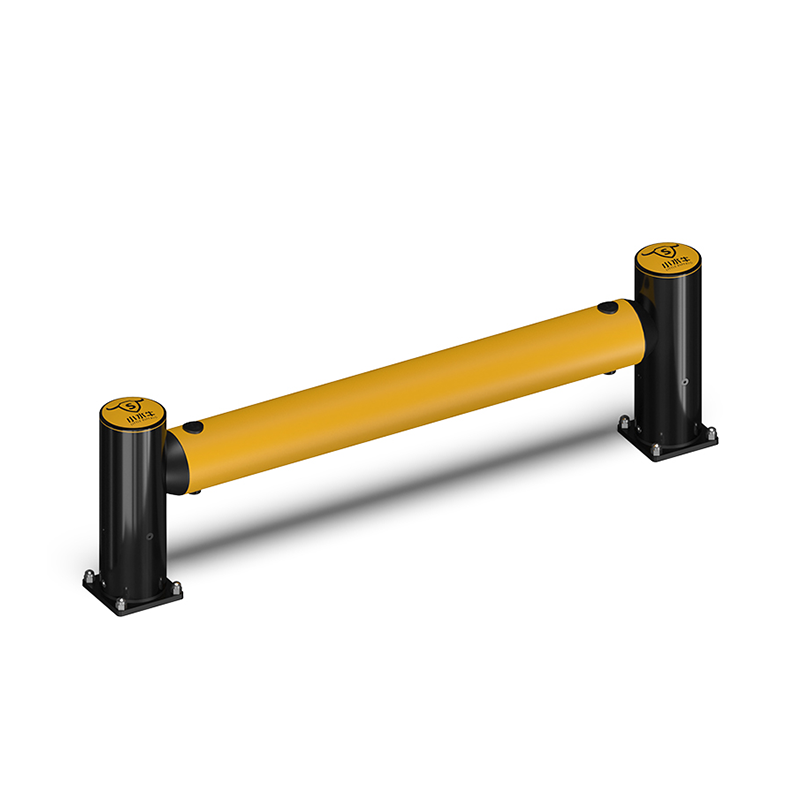
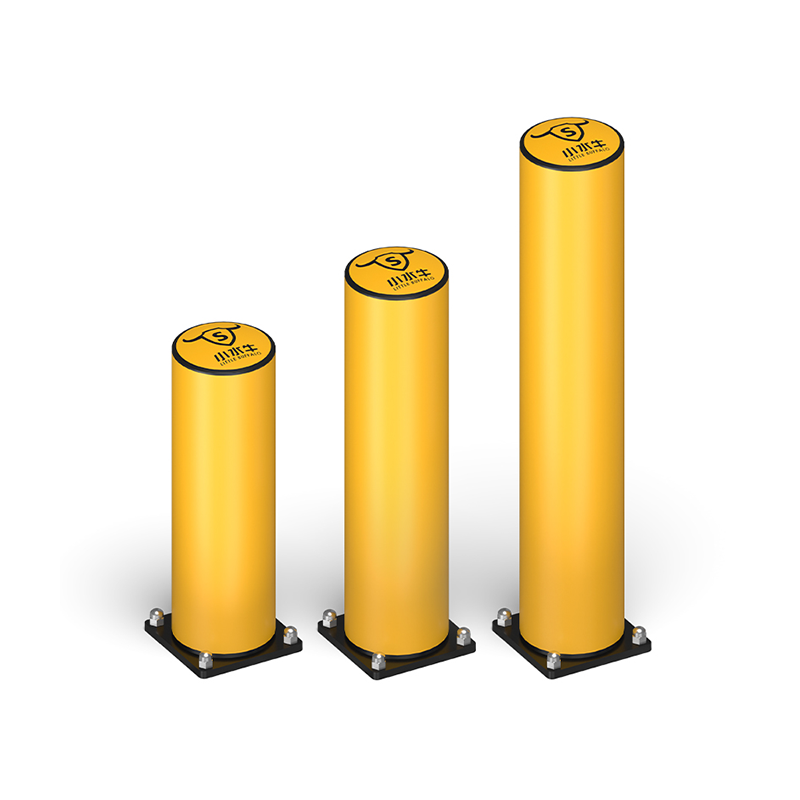
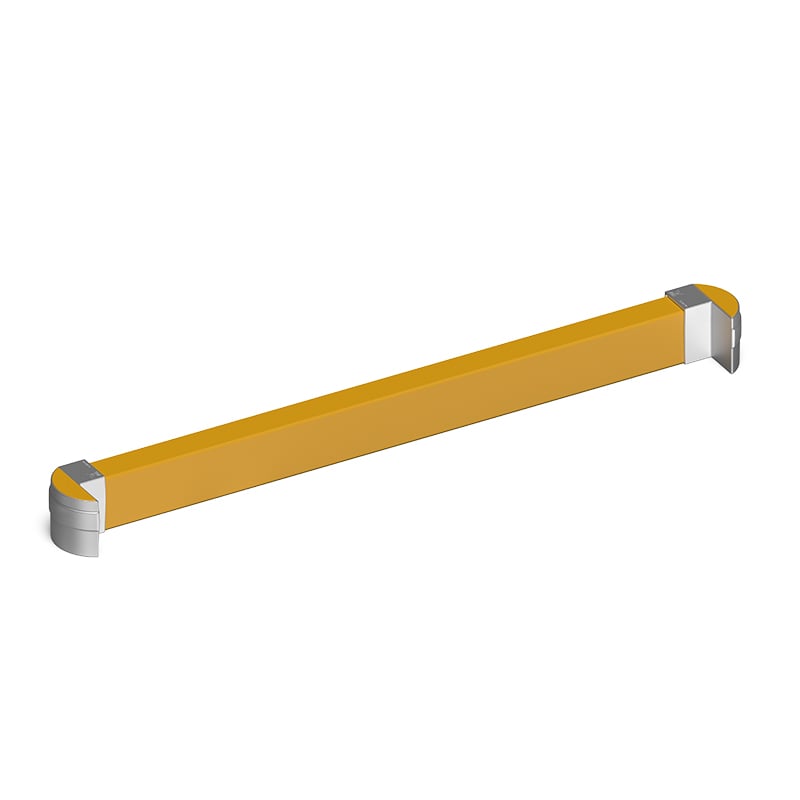
Different exposures require different controls. To protect warehouse racking at an aisle entrance, consider a barrier or rail positioned to intercept vehicle travel before the truck reaches the rack. For a single exposed leg, rack upright protectors can provide a sacrificial first line of defense. At the end of a long run, an end-frame solution may need a wider footprint because the approach angle is less predictable.
- Upright protection: Use it where a leg is exposed to low-speed, localized contact.
- Aisle-end barriers: Use them where forklifts turn or approach the end frame head-on.
- Corner and column protection: Use it where structural features force vehicles into a tight path.
- Route separation: Use guardrails, markings, and controlled crossings where vehicle behavior creates the exposure.
When you protect warehouse racking, do not assume a guard is suitable because it fits around a post. Confirm clearance for truck swing, pallet overhang, emergency access, floor condition, anchors, and the rack manufacturer's guidance. A protector that narrows an aisle or creates a snag point can introduce a new problem.
Reduce the chance of impact through traffic controls
Physical warehouse rack protection is more effective when the traffic system supports it. Keep travel lanes legible, separate pedestrians where practical, maintain clear sight lines, and remove loose material that could make a truck skid or force a sudden correction. Where two-way traffic causes repeated conflict, review whether one-way routing, a passing bay, a revised staging zone, or a different replenishment time would lower exposure.
To protect warehouse racking consistently, set simple operating expectations: travel at a speed suited to the route and load, keep forks at the required travel height, sound warnings where policy requires, and stop rather than attempting a blind turn. Supervisors should treat damaged guards, faded floor markings, and blocked aisles as control failures to correct, not cosmetic issues to defer.
Build inspection into the protection plan
A rack guard does not make an impact irrelevant. To protect warehouse racking after a strike, drivers need a clear reporting route and supervisors need an escalation rule. Record where contact happened, what was struck, whether the upright, beam, bracing, baseplate, or protector moved, and whether the rack remains safe to use. Isolate affected storage if the local procedure or competent assessment calls for it.
Routine visual checks can help identify bent members, dislodged beam locks, missing anchors, cracked flooring around fixings, or guards that have shifted out of position. Inspection frequency and acceptance criteria should be established by the responsible person with the rack supplier, a competent inspector, and applicable site requirements. This is especially important after layout changes, new truck types, or a rise in throughput.
Choose rack upright protectors with the whole system in view
Rack upright protectors are most useful when they are part of a considered system, not a substitute for layout controls. Before specifying one, document the forklift types, typical load dimensions, travel direction, turning space, floor construction, rack configuration, and the likely contact point. Then request installation and suitability information that relates to those site conditions.
To protect warehouse racking over time, assign someone to check that guards remain securely fixed and visible. Replace or assess damaged components according to the manufacturer's instructions and the site's inspection process. Do not straighten a deformed rack member or assume that a guard has absorbed every force without a competent evaluation.
A phased plan for busy warehouses
If budget or downtime is limited, prioritize the locations with repeated contact, high vehicle frequency, or the greatest consequence of rack damage. A sensible first phase may cover aisle ends and door-adjacent uprights; a later phase can address corners and recurring cross-traffic points. This approach helps protect warehouse racking while allowing the layout and results to be reviewed between phases.
- Collect impact and near-miss reports for each rack zone.
- Observe traffic at peak operating periods.
- Rank exposed points by likelihood and consequence.
- Select compatible warehouse rack protection and traffic controls.
- Install, communicate the changes, inspect, and refine the plan.
Frequently asked questions
Where should I protect warehouse racking first?
Start with aisle ends, exposed outer uprights, turning points, and routes beside loading or dispatch areas. Your own incident history and traffic observation should determine the final order.
Can rack upright protectors replace forklift training?
No. Rack upright protectors help manage a localized exposure, but driver training, route discipline, visibility, and reporting procedures remain essential to protect warehouse racking.
What should happen after a forklift contacts a rack?
Follow the site's reporting and isolation process, inspect the affected area, and obtain competent advice where required before returning it to service. Do not rely on appearance alone.
Make rack protection an operating control
The most reliable way to protect warehouse racking is to combine targeted protection with a route that gives drivers enough room to work safely. Review real traffic, protect the points that are genuinely exposed, and respond promptly to every impact. With those habits in place, warehouse rack protection becomes part of everyday operational control rather than a last-minute repair measure.
 Hot News