Forklifts are essential to modern warehouse operations. They improve material handling efficiency and allow businesses to move heavy loads quickly.
However, forklifts are also one of the most common sources of collision risks inside warehouses.
A professional forklift safety solution should protect both people and infrastructure while maintaining efficient vehicle movement.
Where Do Forklift Collisions Happen?
Forklift collisions often occur in areas where vehicles need to turn, reverse, load, or maneuver.
Typical risk points include:
-
Rack ends
-
Rack columns
-
Warehouse corners
-
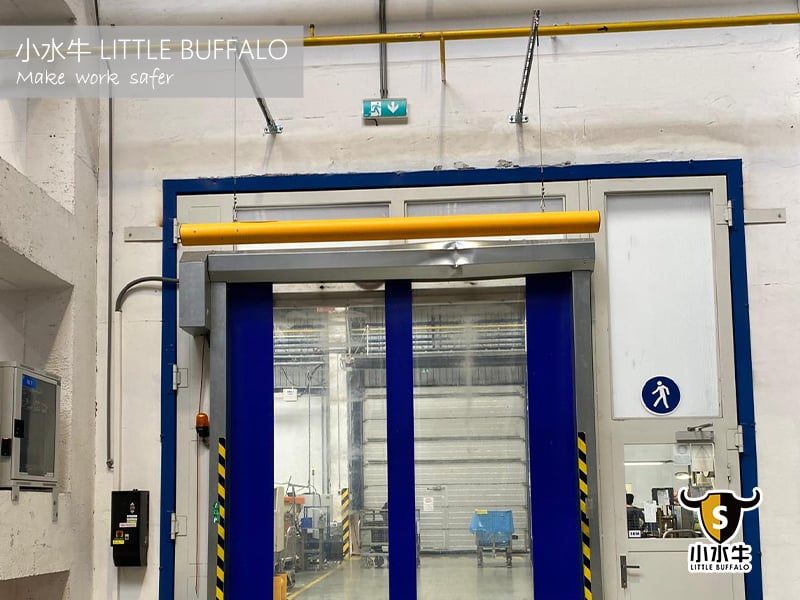
Doors
-
Loading docks
-
Production areas
-
Pedestrian crossings
-
Narrow aisles
-
Machinery
-
Walls and columns
Identifying these areas is the first step toward effective forklift risk management.
Protect Warehouse Racks
Rack damage can become a serious safety concern.
Forklifts may accidentally hit rack columns while placing or removing pallets. Even low-speed impacts can damage protective structures over time.
Rack protection systems provide an additional layer of defense around vulnerable rack areas.
Separate Forklifts and Pedestrians
One of the most important elements of warehouse safety is pedestrian-vehicle separation.
Flexible safety barriers can create clearly defined pedestrian walkways and vehicle operating zones.
This helps employees understand where they should walk and where forklifts should operate.
Flexible Barriers for Forklift Impact
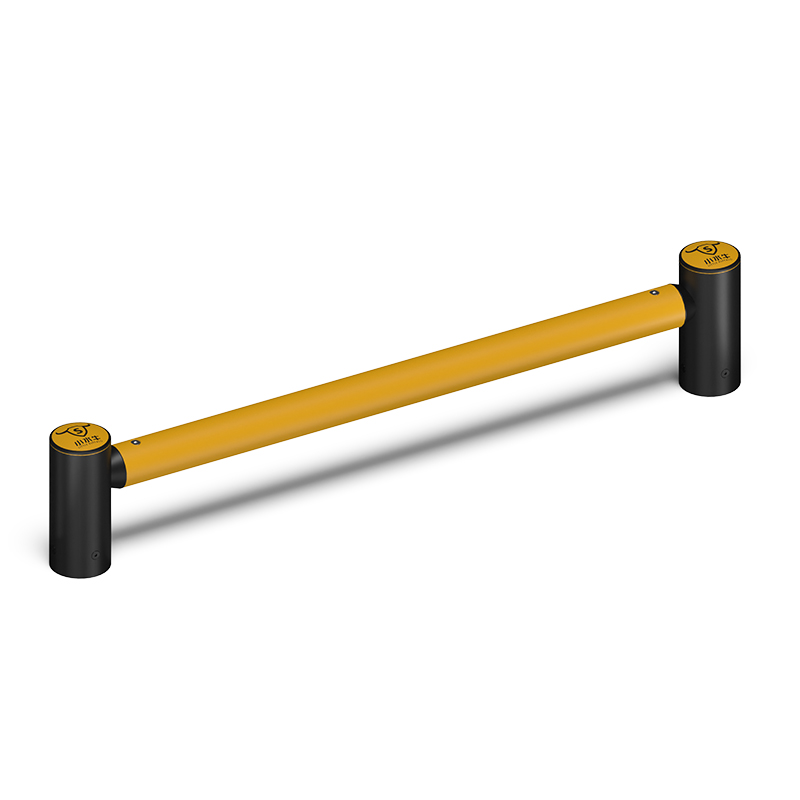
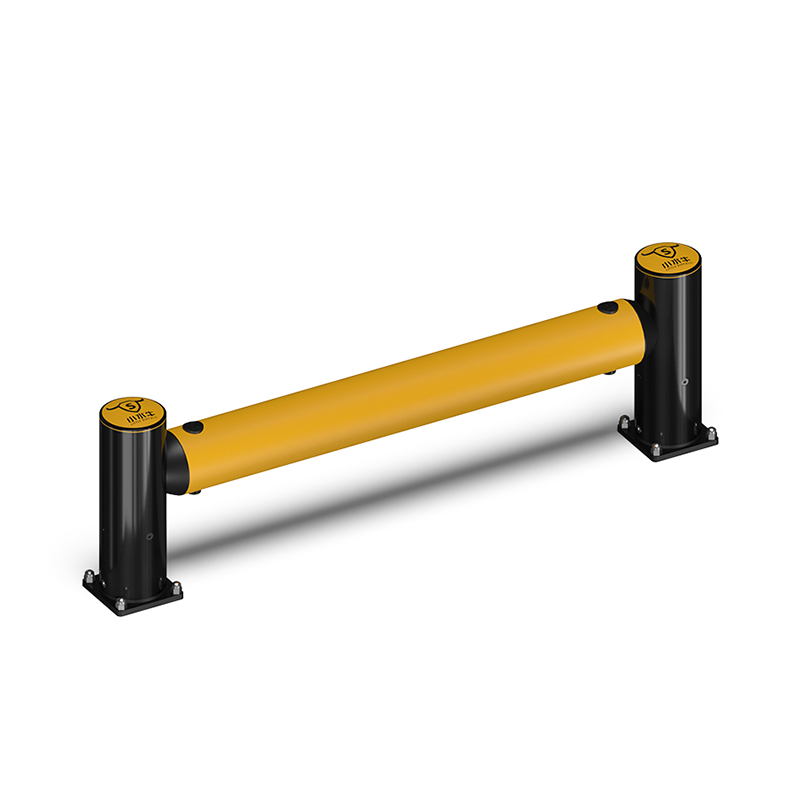
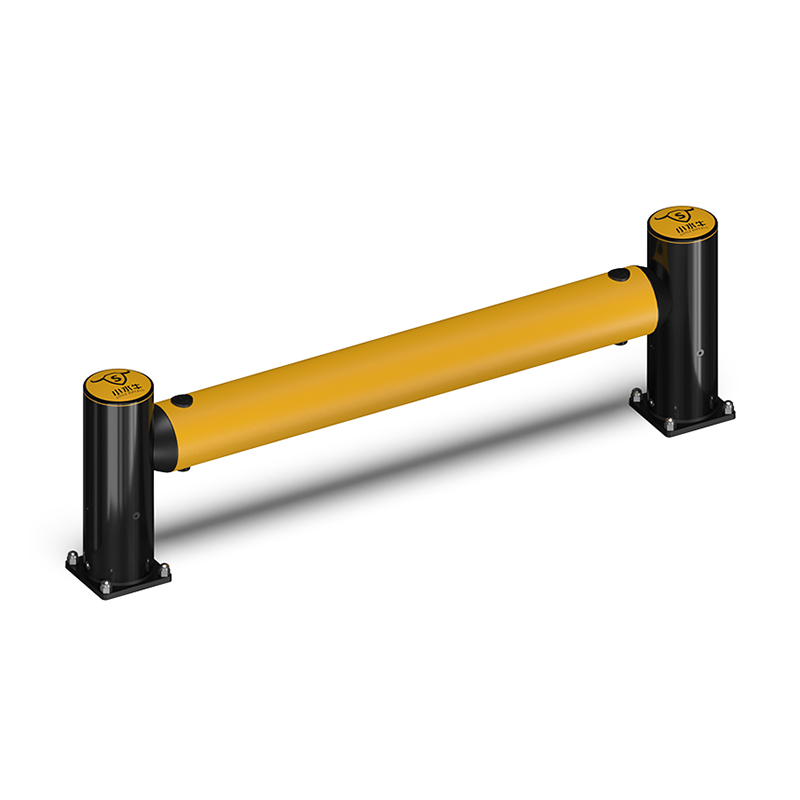
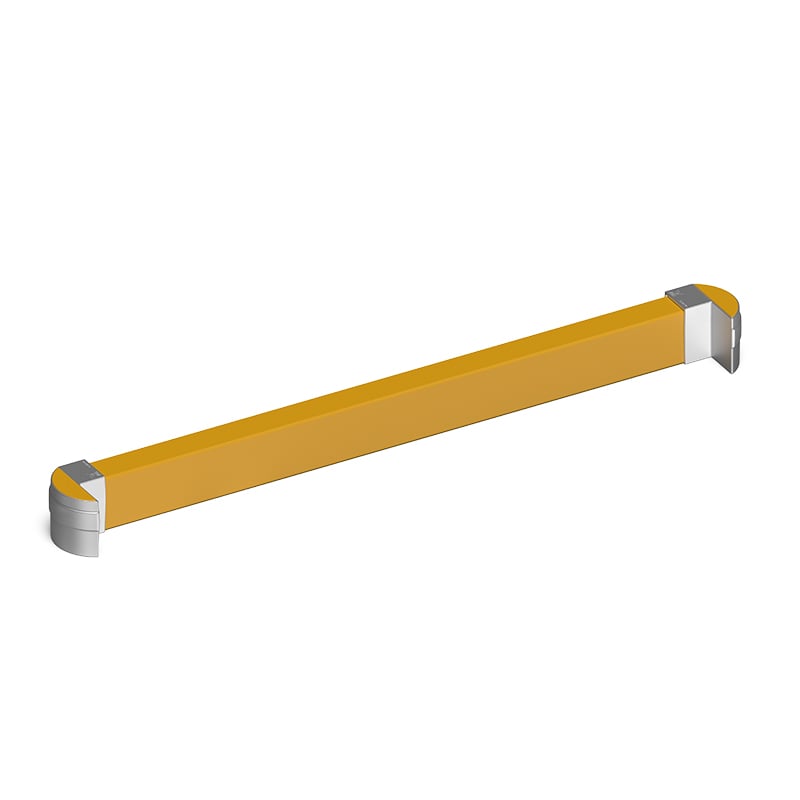
Forklift protection barriers made from flexible polymer materials can absorb impact energy and deform during collisions.
Compared with rigid protection systems, flexible barriers can reduce the amount of impact transferred to the floor and surrounding infrastructure.
They are especially useful for high-traffic warehouse environments where occasional contact is difficult to eliminate completely.
Protect More Than the Warehouse
Forklift safety is not only about protecting the forklift.
A comprehensive solution should protect:
People → Racks → Walls → Doors → Equipment → Products → Operations
When all of these elements are considered together, warehouse safety becomes more effective.
Build a Forklift-Safe Warehouse
A modern forklift safety strategy can combine:
The final configuration should be based on actual warehouse traffic patterns and risk areas.
Better forklift safety starts with better facility protection.
 EN
EN


 Hot News