Industrial facilities are constantly exposed to impact risks. Forklifts, pallet trucks, carts, AGVs, and other industrial vehicles operate continuously, making collisions an unavoidable concern in many workplaces.
The right industrial safety solution can significantly reduce the consequences of these impacts while protecting employees, equipment, and infrastructure.
Collision Damage Is More Than a Repair Cost
When a forklift hits a rack or wall, the visible damage is only part of the problem.
A collision may lead to:
Repeated minor impacts can also gradually weaken infrastructure.
Therefore, collision protection should be considered an important part of industrial facility management.
From Passive Protection to Flexible Protection
Traditional steel barriers are widely used in industrial environments. However, rigid structures can create another problem: they may transfer impact forces directly to the floor and the protected structure.
Flexible polymer barriers use a different approach.
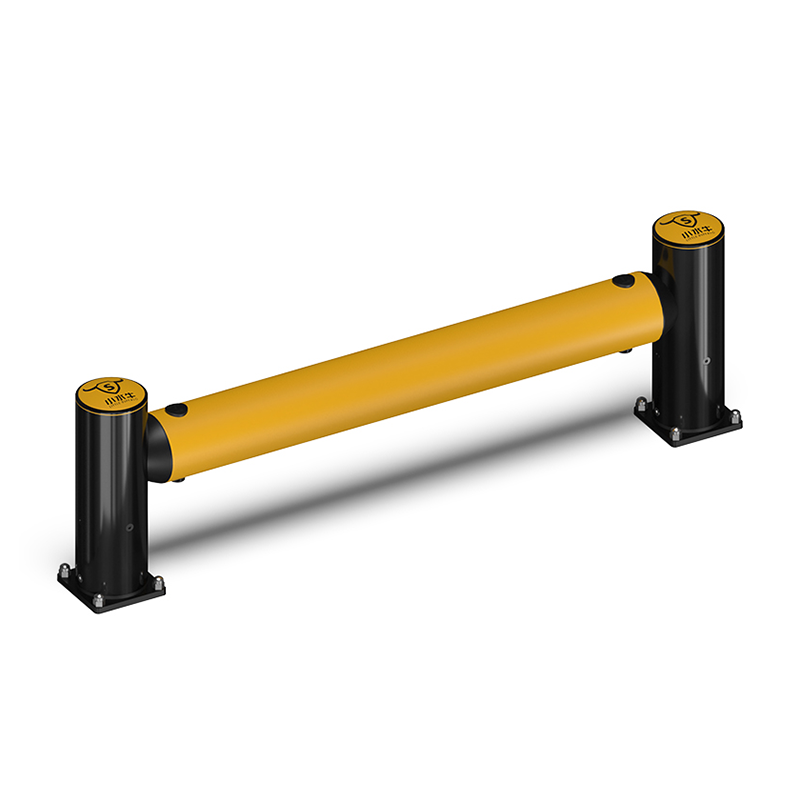
Their elastic properties allow them to deform under impact, helping absorb and dissipate collision energy.
This makes flexible protection particularly useful in areas where forklifts frequently maneuver.
Key Areas That Need Protection
A comprehensive industrial safety program should identify vulnerable areas throughout the facility.
Warehouse Racks
Rack columns are frequently exposed to forklift impacts. Rack protection systems can help shield these vulnerable structural points.
Walls and Corners
Corners are common collision points for pallet trucks and forklifts. Flexible corner protection can help reduce damage.
Doors
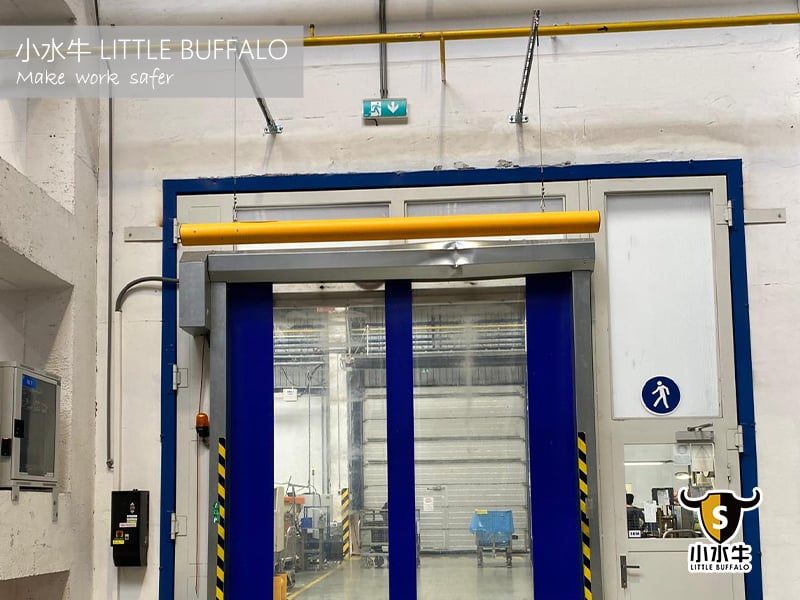
Industrial doors are expensive and critical to daily operations. Door protection systems can help protect door frames and surrounding structures.
Loading Docks
Loading docks combine vehicles, pedestrians, forklifts, and elevated platforms, creating multiple collision risks.
Pedestrian Areas
Pedestrian separation systems can clearly define safe walking routes and reduce interaction between people and industrial vehicles.
A Solution Designed Around Your Facility
Industrial safety should not be based on a one-size-fits-all approach.
The ideal solution depends on:
-
Vehicle types
-
Traffic frequency
-
Impact direction
-
Operating speed
-
Facility layout
-
Protection height
-
Floor conditions
-
Pedestrian routes
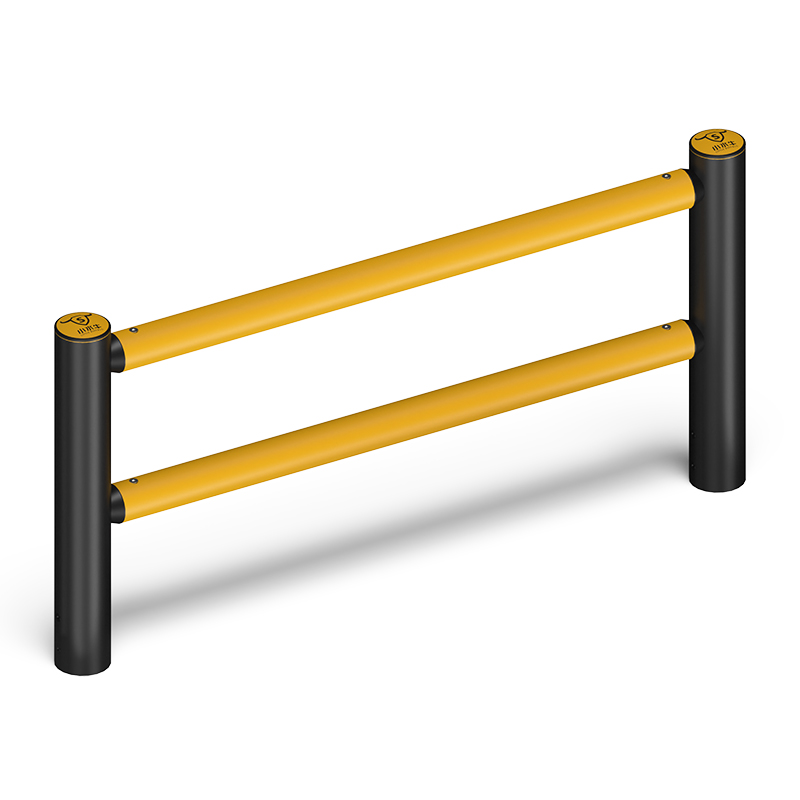
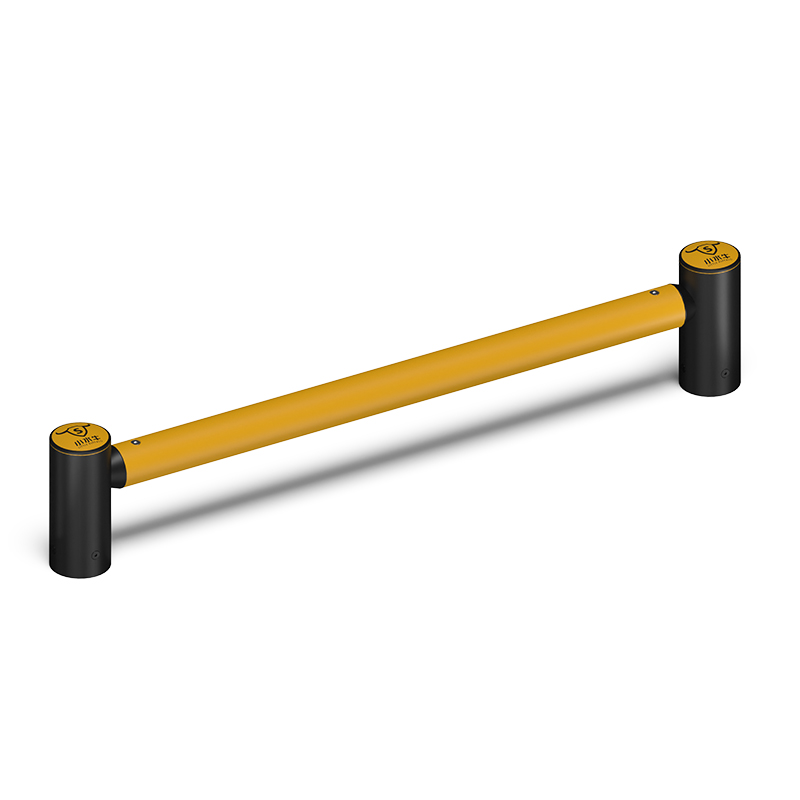
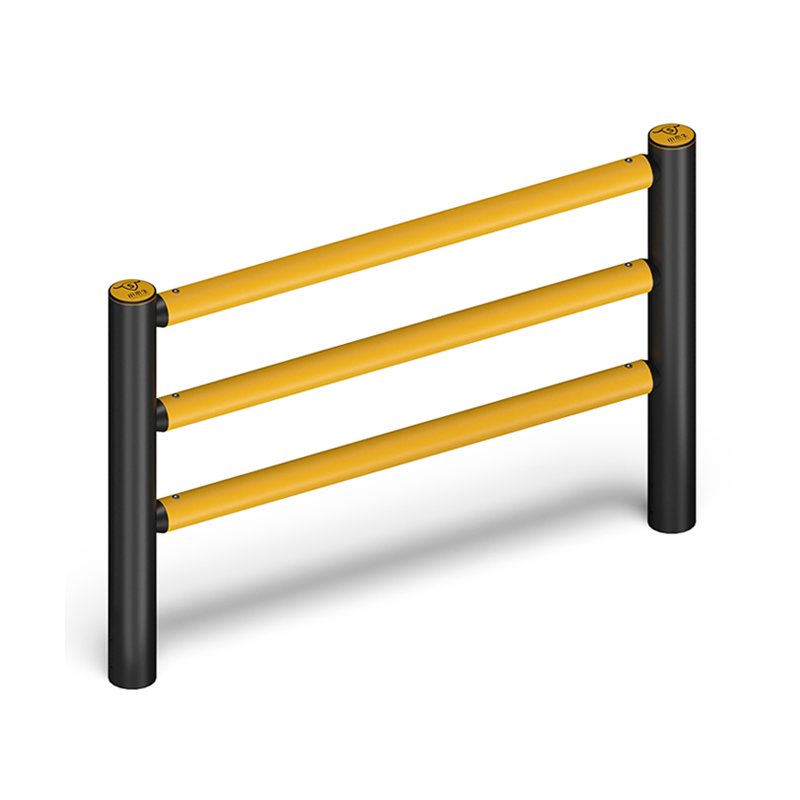
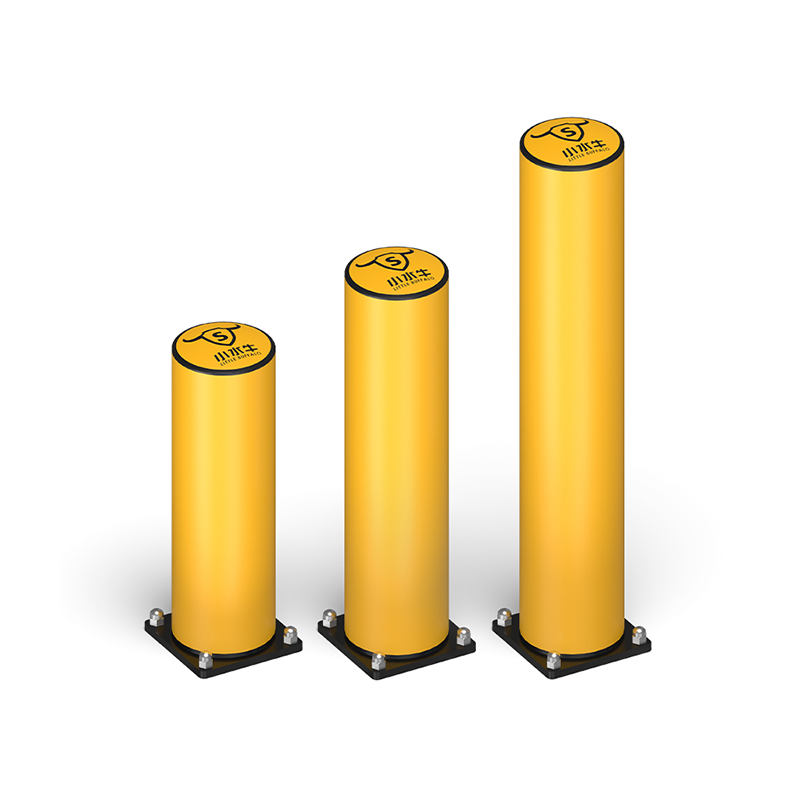
By evaluating these factors, businesses can select the appropriate combination of flexible barriers, posts, gates, rack protection, and pedestrian separation systems.
Long-Term Value of Collision Protection
Investing in industrial protection can help companies move from reactive maintenance to proactive risk management.
Instead of repeatedly repairing the same wall, rack, or door, businesses can protect vulnerable areas before damage occurs.
The result is a safer, more reliable, and more efficient industrial environment.
Industrial safety is not just about stopping collisions. It is about reducing the damage when collisions happen.
 EN
EN


 Hot News