Modern warehouses are becoming faster, larger, and more automated. With forklifts, pallet trucks, AGVs, conveyors, and pedestrians operating simultaneously, protecting the facility has never been more important.
A comprehensive warehouse protection solution helps reduce collision damage and improve safety in high-traffic areas.
What Makes a Warehouse High Risk?
Several factors can increase collision risks:
In these environments, even small collisions can happen repeatedly.
Protect High-Risk Areas First
Not every part of a warehouse requires the same level of protection.
Priority should usually be given to:
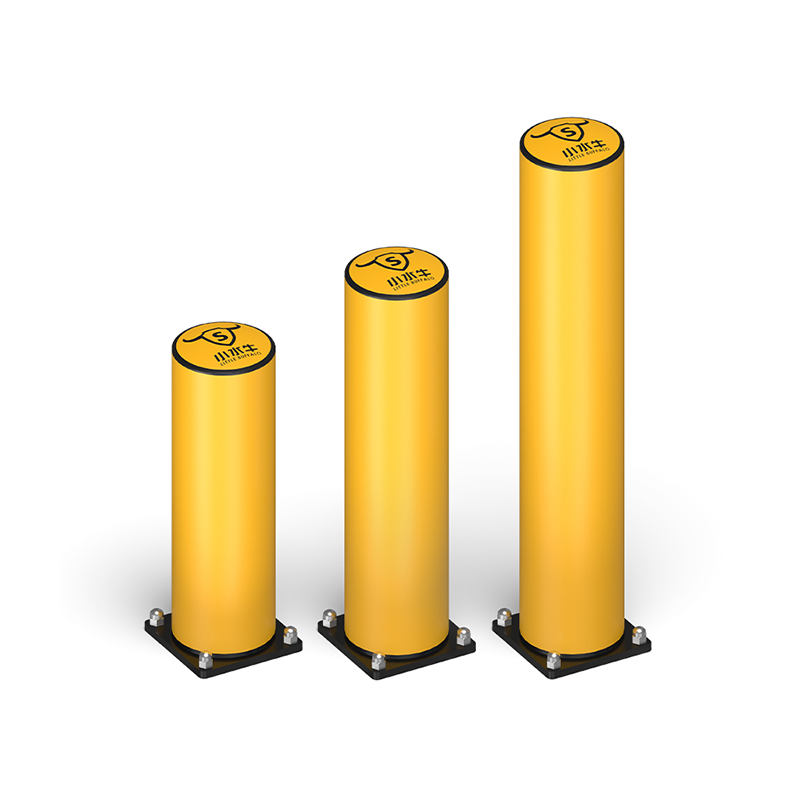
Rack Ends
Rack ends are directly exposed to turning forklifts.
Pedestrian Routes
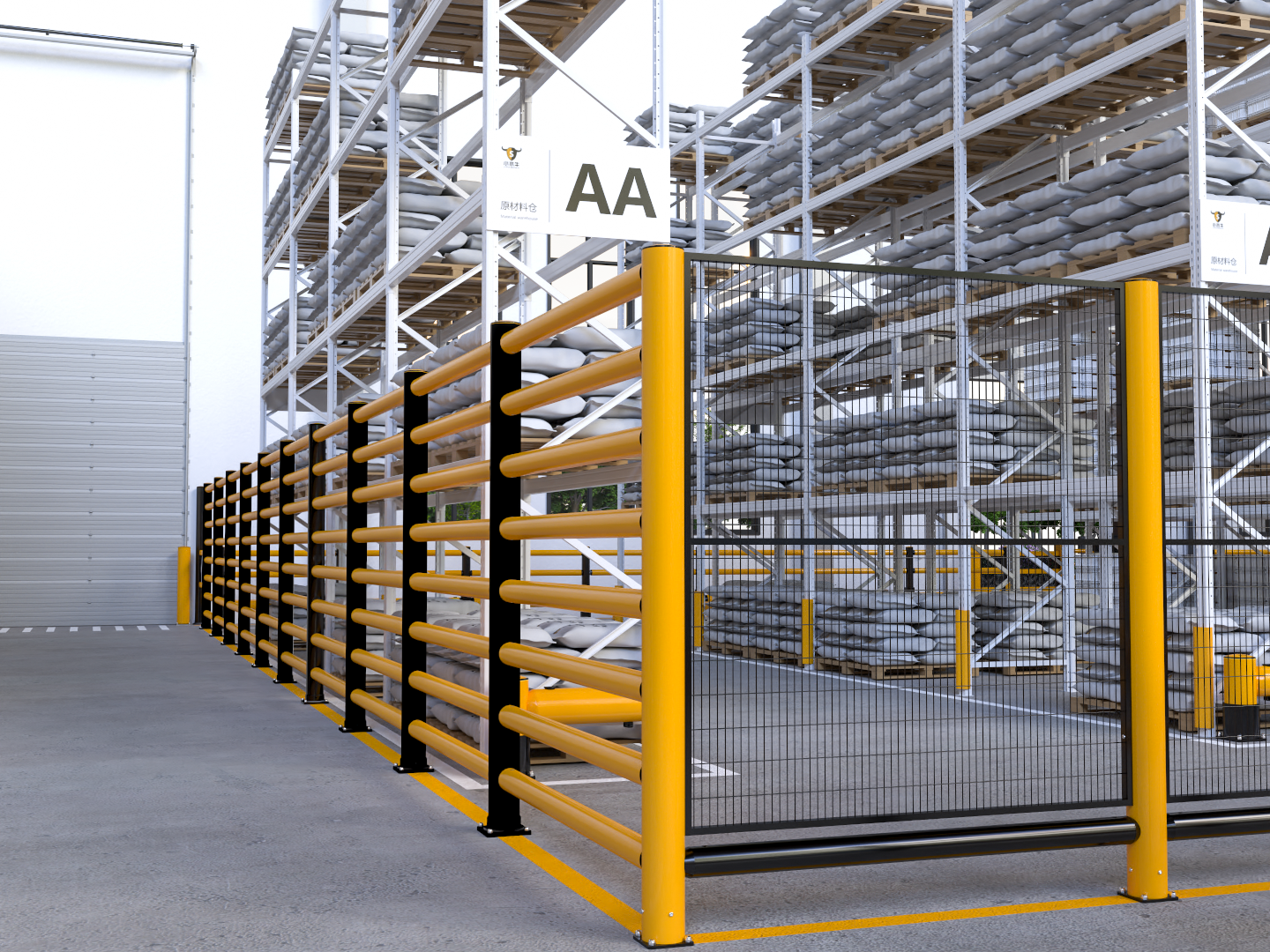
Workers should have clearly defined and protected walking paths.
Loading Areas
Loading docks experience frequent vehicle movement and loading operations.
Doors and Corners
Doors and corners are common impact points and can be protected with flexible guards.
Machinery and Equipment
Critical production or warehouse equipment should be isolated from vehicle traffic.
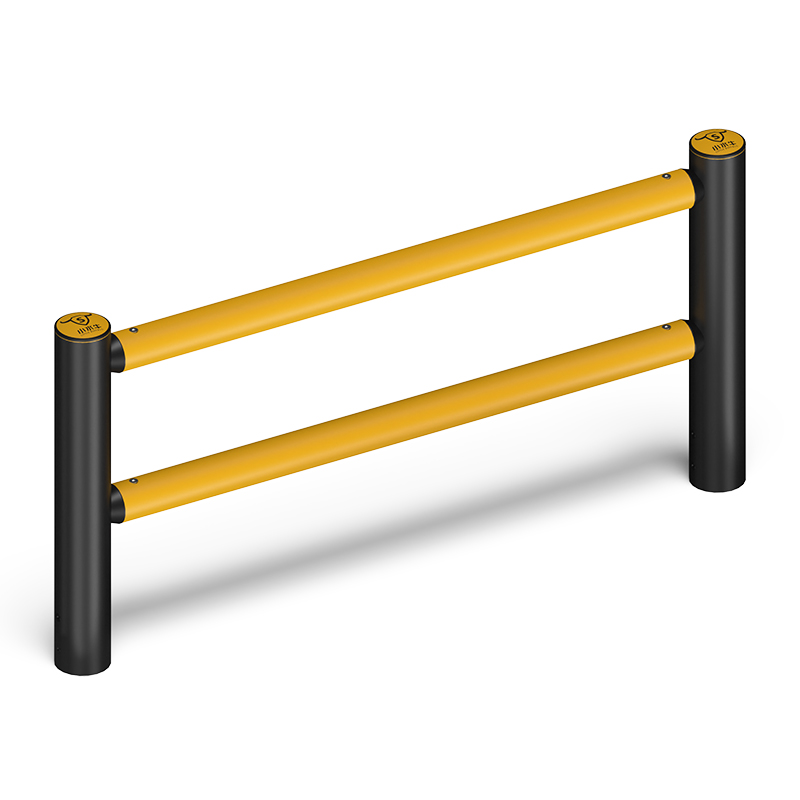
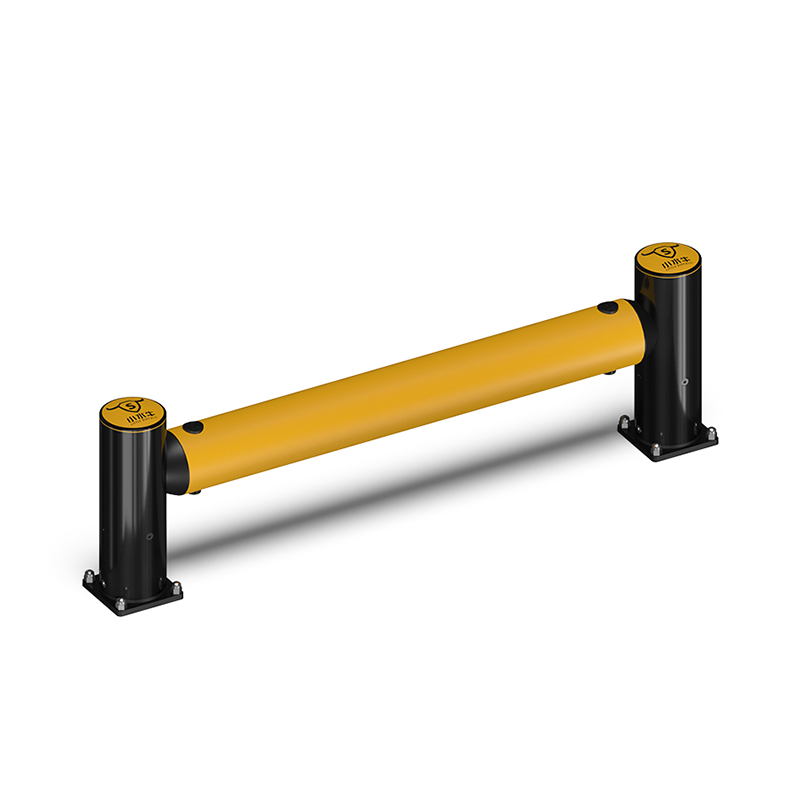
Flexible Warehouse Safety Barriers
Flexible polymer barriers offer an alternative to conventional rigid steel systems.
Their flexibility allows the barrier to deform under impact, helping absorb collision energy.
This can help reduce damage to:
-
Floors
-
Barrier structures
-
Forklifts
-
Walls
-
Racks
-
Equipment
Designed for Different Warehouse Environments
Warehouse protection systems can be used in:
E-commerce warehouses
High order volumes require efficient and safe traffic management.
Cold storage facilities
Materials need to perform reliably in low-temperature environments.
Food processing plants
Protection systems should be suitable for hygiene-sensitive environments.
Automotive factories
High-value equipment and components require effective impact protection.
Distribution centers
High vehicle traffic makes collision prevention a daily priority.
From Individual Products to Complete Solutions
The most effective warehouse protection strategy combines multiple protection points.
A facility may require rack protection in one area, pedestrian barriers in another, and door or loading dock protection elsewhere.
Together, these systems create a complete warehouse safety network.
Protect your warehouse from the ground up—with a protection system designed around your traffic, equipment, and people.
 EN
EN


 Hot News