Workplace safety is closely connected to facility design.
In warehouses and factories, many accidents occur when people, vehicles, equipment, and infrastructure share the same operating space.
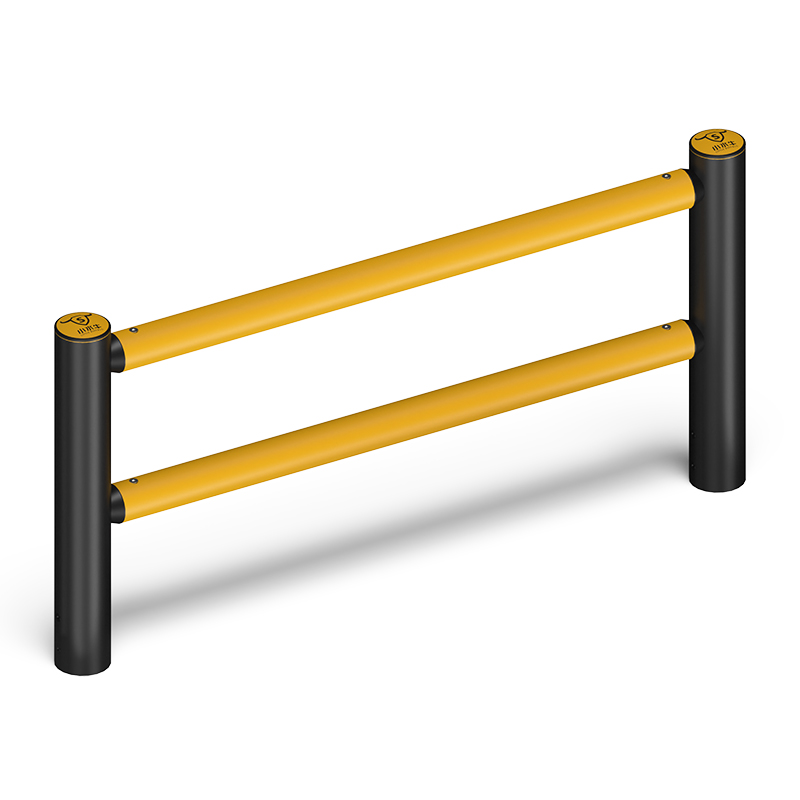
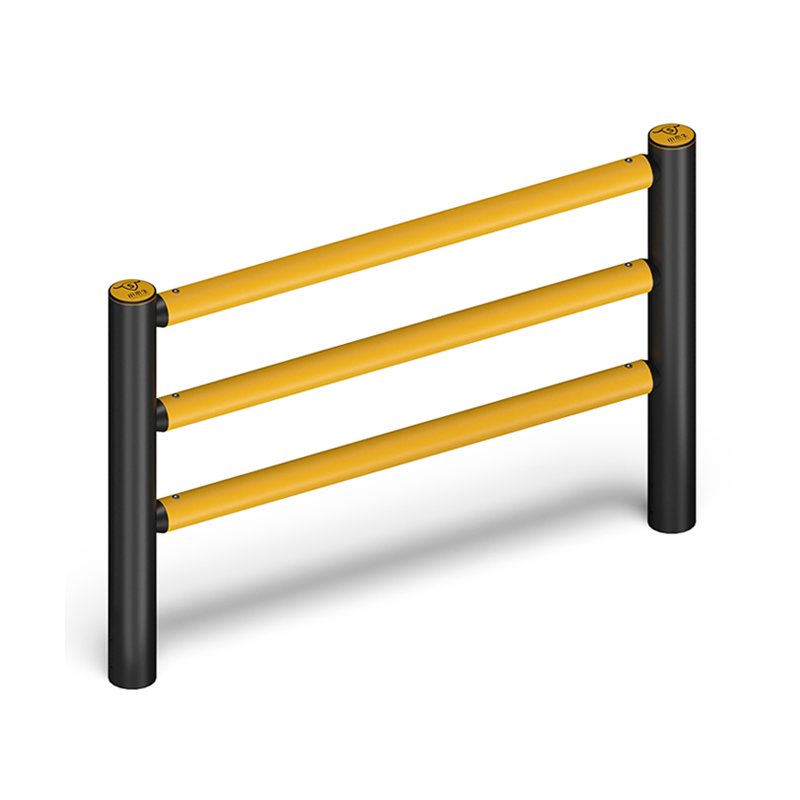
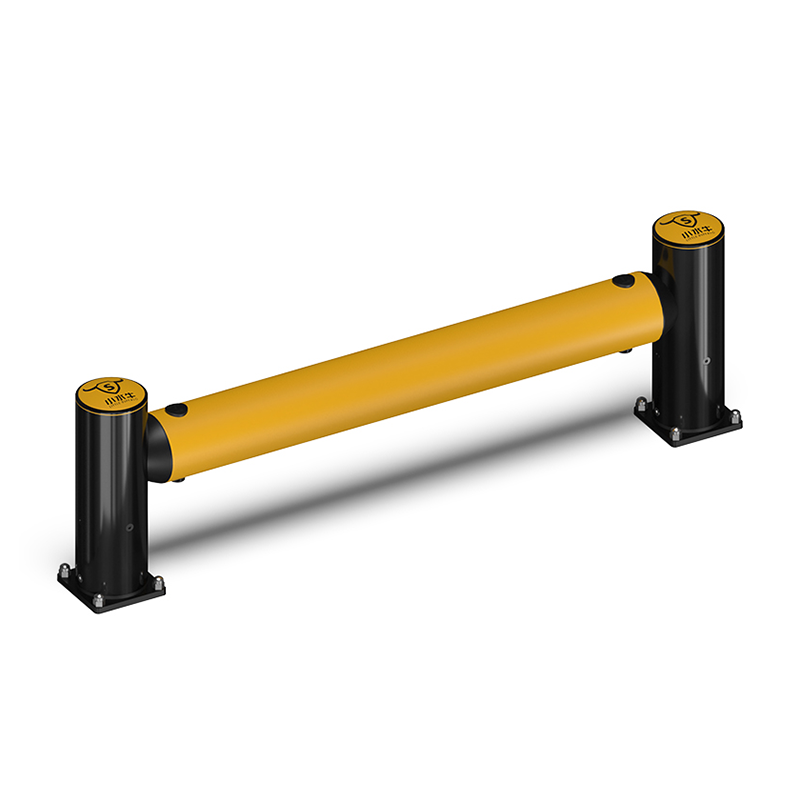
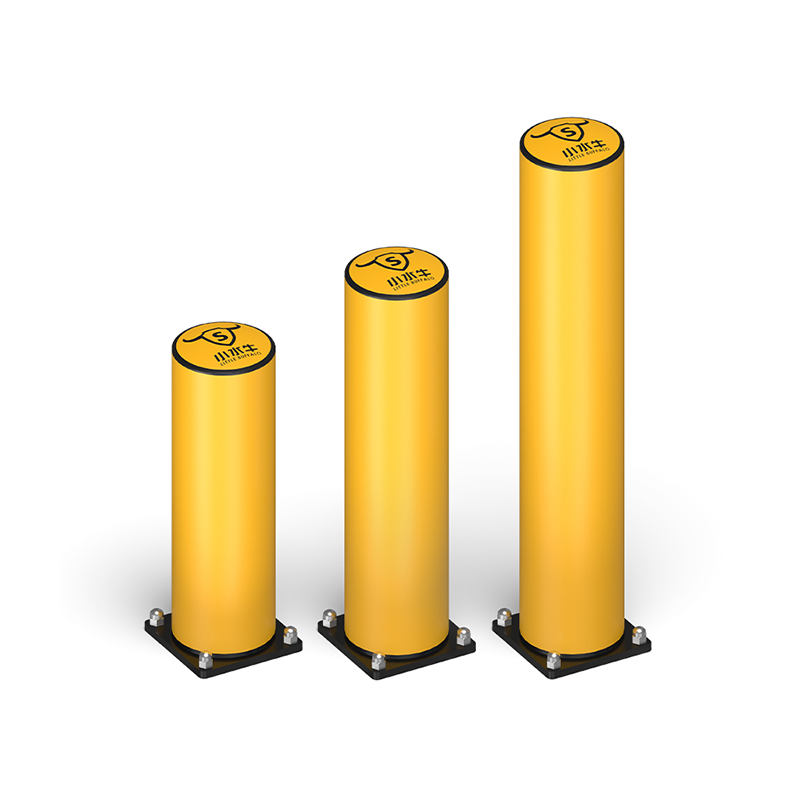
Anti-collision safety solutions help organize these interactions and create safer working environments.
Make Safety Visible
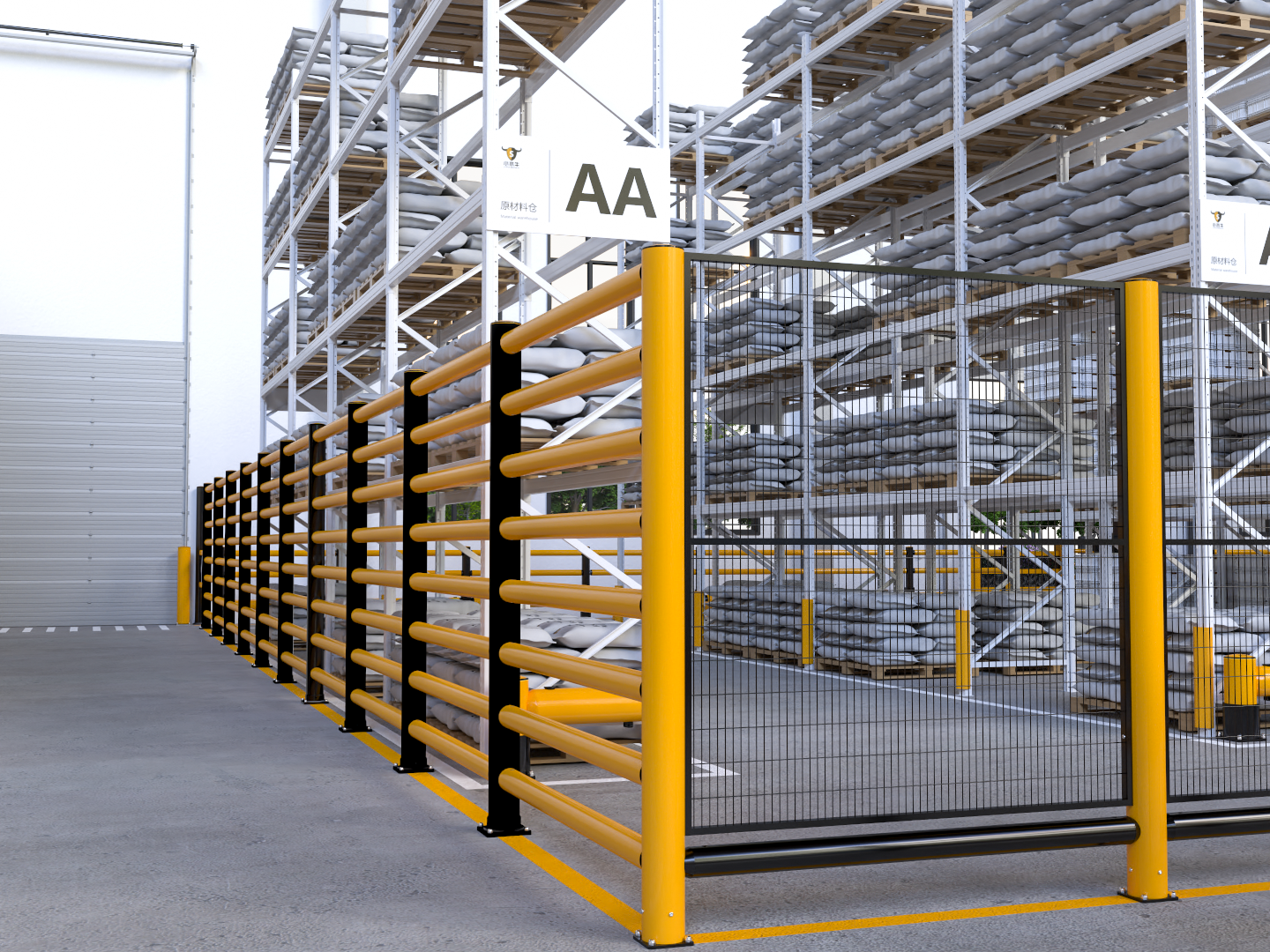
One of the simplest benefits of safety barriers is visual separation.
A clearly defined barrier can show workers:
-
Where pedestrians should walk
-
Where forklifts should operate
-
Which areas are restricted
-
Where machinery is located
-
Which infrastructure needs protection
This improves workplace awareness and supports safer traffic management.
Reduce the Consequences of Human Error
Even experienced forklift operators can make mistakes.
A tight turn, limited visibility, unexpected pedestrian movement, or slippery floor can result in accidental contact.
Safety systems provide an additional layer of protection when human error occurs.
Flexible barriers are designed to absorb impact and reduce the severity of collisions.
Protect People and Infrastructure
Workplace safety is not limited to preventing personal injuries.
Facility protection is also important because damaged racks, walls, doors, and equipment can create secondary hazards.
A complete anti-collision solution protects:
-
Employees
-
Visitors
-
Forklift operators
-
Warehouse racks
-
Production equipment
-
Building structures
-
Stored products
Improve Operational Efficiency
A safer facility can also be a more efficient facility.
When traffic routes are clearly defined and vulnerable infrastructure is protected, businesses can reduce unexpected maintenance and operational interruptions.
This supports more stable daily operations.
Create a Proactive Safety Culture
Instead of waiting for accidents to happen, companies can identify high-risk areas and install appropriate protection in advance.
This proactive approach can become part of a broader safety management strategy.
A Safer Workplace Starts with the Environment
Employee training remains essential, but training alone cannot eliminate every collision risk.
The physical workplace should also be designed to support safe behavior.
Good safety design makes the safer choice the easier choice.
 EN
EN


 Hot News