Forklift collisions are rarely caused by a single problem.
They are usually the result of vehicle traffic, facility layout, visibility, operating speed, and infrastructure positioning interacting with each other.
For this reason, a complete forklift collision protection system should protect the entire operating environment.
Step 1: Identify Collision Risk Areas
Start by mapping areas where forklifts frequently:
-
Turn
-
Reverse
-
Load pallets
-
Enter aisles
-
Cross pedestrian routes
-
Approach doors
-
Operate near racks
These areas should receive priority.
Step 2: Protect Warehouse Racks
Rack columns and rack ends are among the most vulnerable structures.
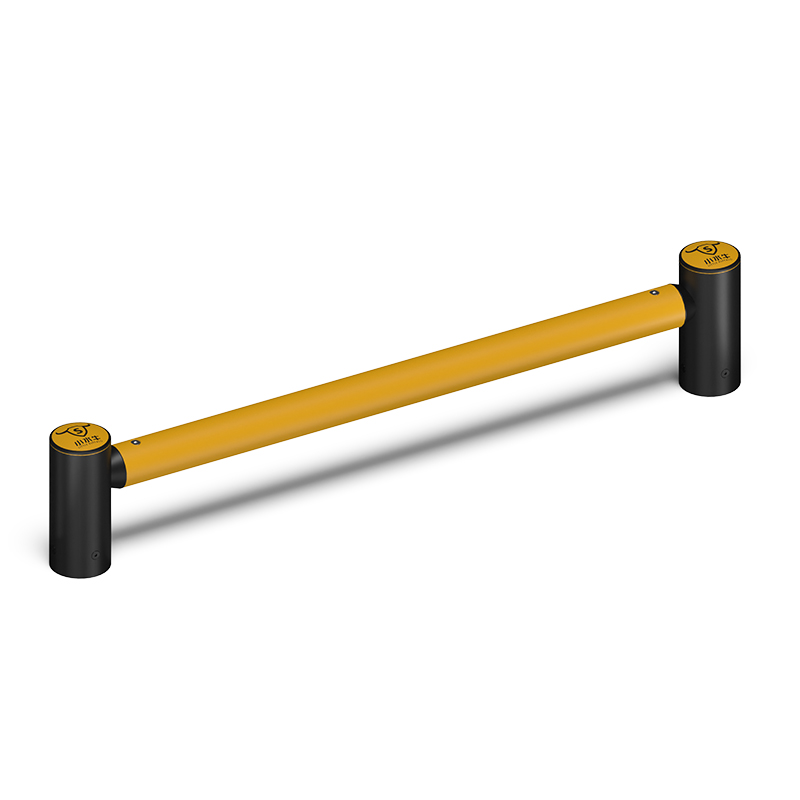
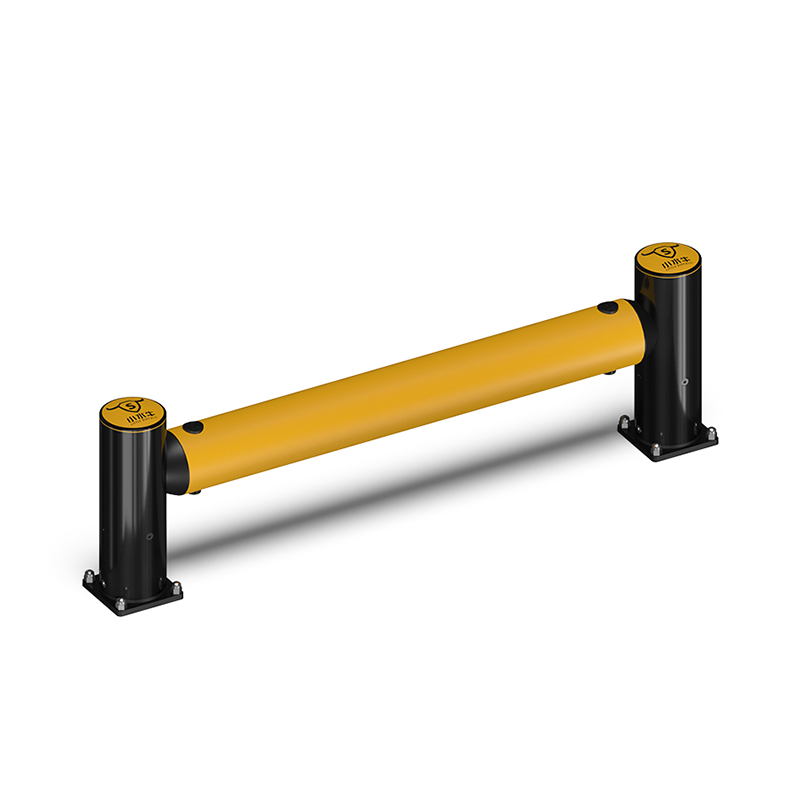
Install appropriate rack protection systems to reduce the consequences of accidental impact.
Step 3: Protect Walls and Corners
Walls, columns, and corners can suffer repeated contact from forklifts and pallet trucks.
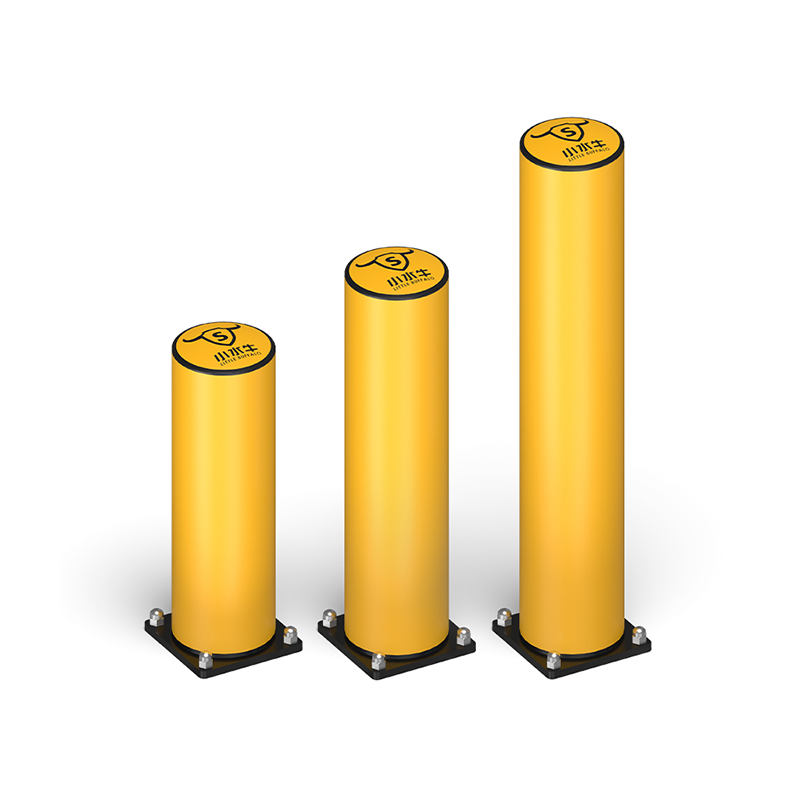
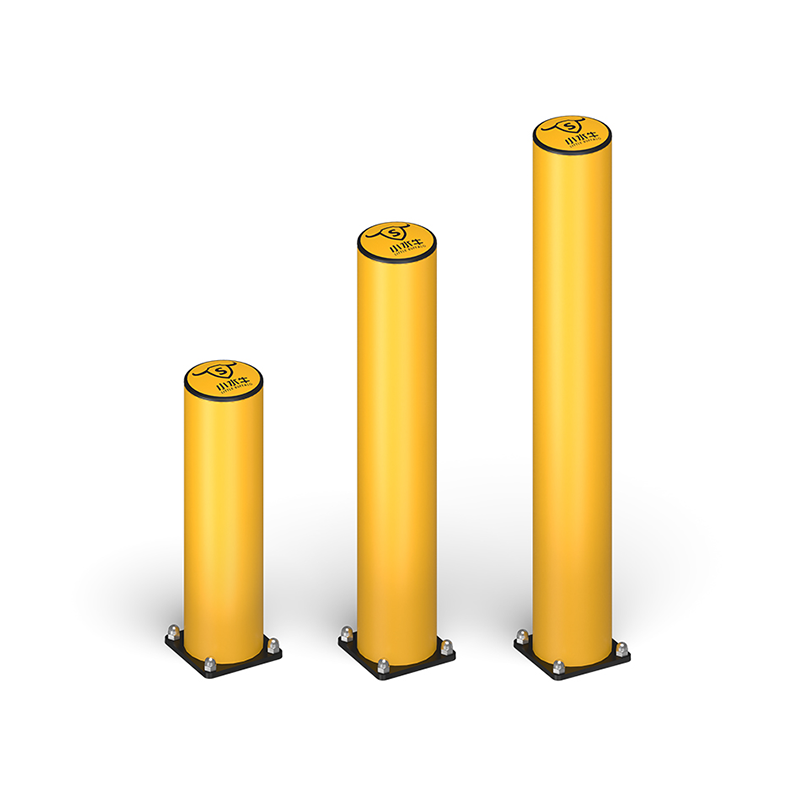
Flexible corner guards and barriers can help protect these areas.
Step 4: Separate Pedestrians
Create dedicated pedestrian routes using safety barriers and controlled access points.
This reduces unnecessary interaction between people and forklifts.
Step 5: Protect Loading Areas
Loading docks require additional protection because of the combination of vehicles, people, and elevated platforms.
Use suitable dock barriers, gates, and impact protection systems.
Step 6: Protect Doors and Equipment
Industrial doors, machinery, control panels, and other critical assets should also be considered.
A collision that damages one critical piece of equipment can interrupt an entire operation.
Step 7: Create an Integrated Safety System
The final solution should connect all protection points.
A complete system may include:
Forklift Protection + Rack Protection + Pedestrian Separation + Door Protection + Corner Protection + Loading Dock Protection
This integrated approach provides broader coverage than installing isolated barriers.
Why a System Approach Works Better
A forklift does not operate in isolation.
Its movement affects racks, walls, people, doors, machinery, and products.
Therefore, forklift safety should also be designed as a complete system.
Protect every critical point. Reduce every avoidable risk. Build a safer warehouse.
 EN
EN


 Hot News