 EN


ABOUT US
- Shounan Street URban Industrial Park,YinZhou District,NingBo City, ZheJiang, CHINA.
- +86-15381988180
- [email protected]

Warehouses and factories move heavy traffic through tight aisles every shift. Fire hydrant protection barriers are the physical line of defense that keeps standpipe outlets, extinguisher stations and valve assemblies clear of forklift and tugger damage. A struck hydrant can shear a cap, leak water and disable the exact equipment firefighters need during an emergency. Beyond the immediate mess, a damaged unit risks a failed inspection, a safety citation and costly production downtime.
Fire hydrant protection barriers belong in the same risk-control conversation as rack guards and pedestrian routes. Most facilities budget for racking and walkways but overlook the wet and dry hydrants mounted along walls and columns. A neglected fixture sits in the same path a pallet truck or reach truck uses daily. Treating the hydrant as protected equipment reduces avoidable incidents across the plant.
Most operators underestimate what a single strike costs. Fire hydrant protection barriers stop a damaging chain before it starts by placing a flexible buffer between moving vehicles and the fixture. An unprotected unit leaks water that creates a slip hazard, damages inventory and can short electrical equipment. The repair bill is only the visible part; the hidden cost is lost output, a possible citation and a weakened emergency posture.
When a forklift strikes a hydrant, the connection threads can crack even if the body looks intact. During a fire, responders lose precious minutes discovering the outlet will not deliver pressure. Emergency access depends on clear, identifiable equipment, so a guard keeps the assembly visible, upright and serviceable. Pairing the guard with painted floor markings strengthens segregation between traffic lanes and safety assets. Loading docks and narrow storage aisles concentrate vehicle movement near walls where hydrants are often placed, which is why early collision prevention matters more than repair.
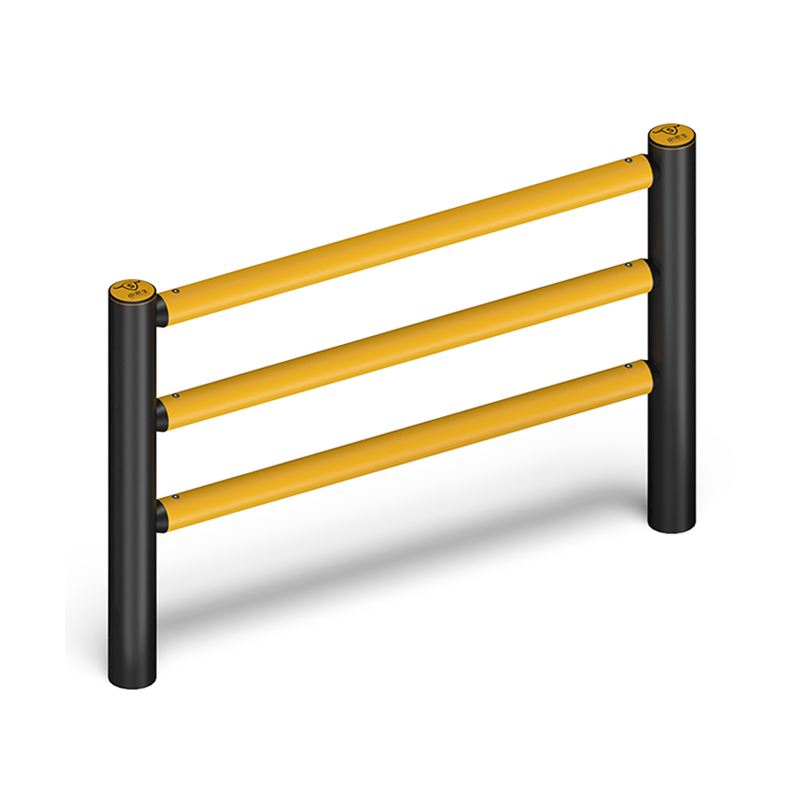
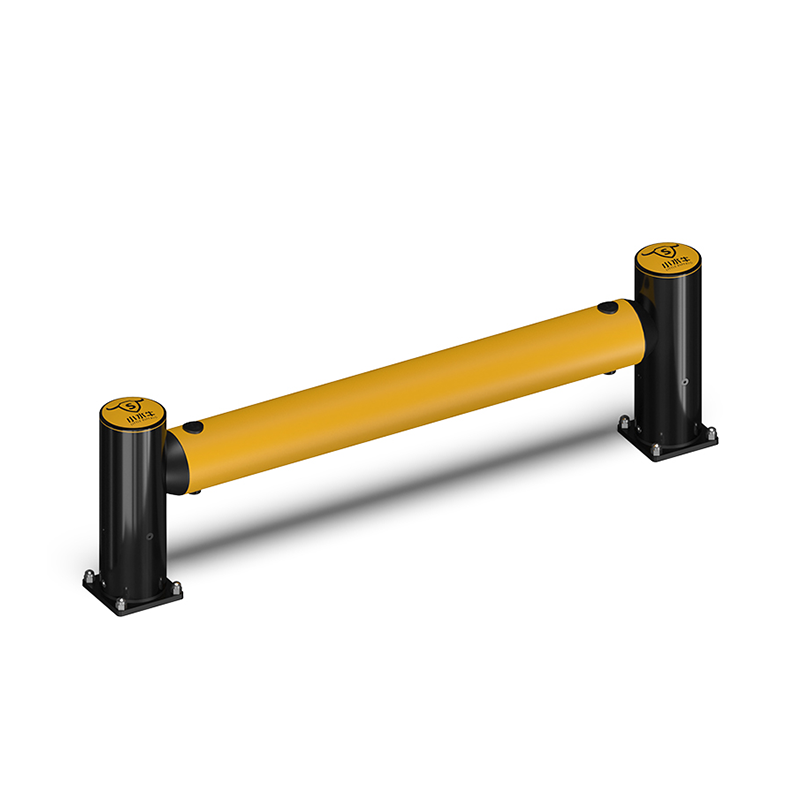
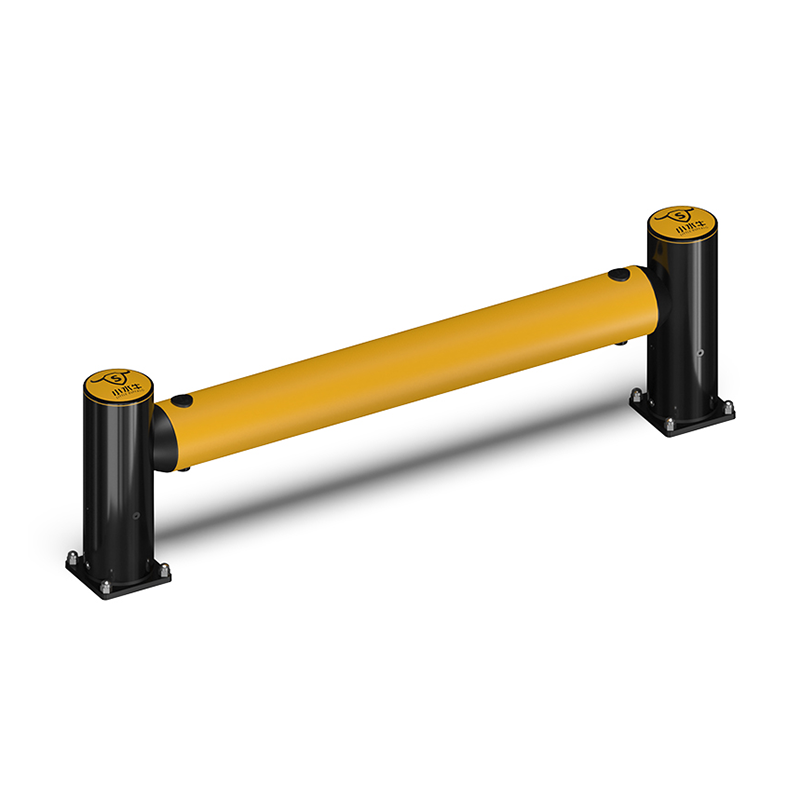
A guard is only useful if it survives repeated contact and recovers. These fire hydrant protection barriers rely on a polymer core that bends under load and returns to shape, which suits busy industrial traffic far better than a brittle post.
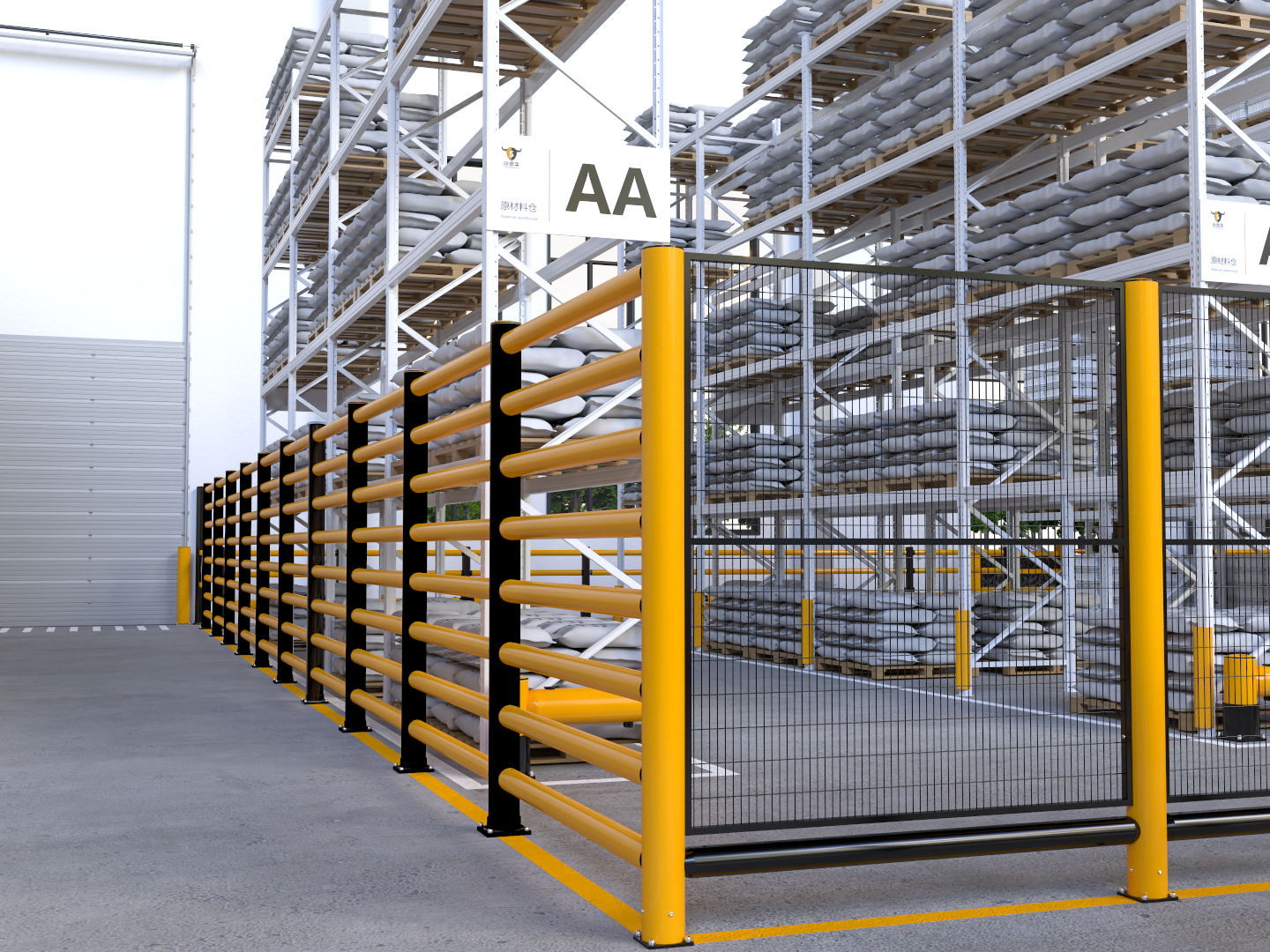
Little Buffalo builds guards from an engineering polymer with a self-recovering property. Under a forklift impact the post bends and then springs back to shape instead of snapping. Cast metal ends and SS304 fixings anchor the unit to the floor while a powder-coated base resists corrosion in damp environments. This flexible barrier absorbs shock locally, protecting both the vehicle and the hydrant behind it. Fire hydrant protection barriers built this way outlast rigid posts in busy aisles and reduce replacement cycles.
The working principle is energy absorption. A direct strike transfers force straight into a brittle valve, while a barrier disperses that force across a wider footprint and lets the post deflect. Tested rack-end protectors from the same family absorb up to 90% of forklift impact energy. For hydrant guards the same logic applies: the post yields, recovers and keeps the fixture intact, which lowers maintenance demand and limits downtime after a hard contact.
Protecting fire equipment aligns with recognized occupational safety expectations and strengthens a facility's inspection readiness. The standards do not name a guard product, but they expect employers to control recognized hazards around powered industrial trucks.
OSHA 29 CFR 1910.178 and ANSI/ITSDF B56.1 govern powered industrial truck operation and expect employers to control workplace hazards. NFPA 1 and NFPA 25 address hydrant accessibility and inspection, and the practical link is clear: unprotected fire equipment is a recognized hazard. Fire hydrant protection barriers help demonstrate reasonable safeguarding and support an OSHA fire safety program that inspectors can verify on site.
A guard earns its value only with a simple routine. Monthly visual checks should confirm the post stands plumb, fixings remain tight and the powder-coated surface shows no deep corrosion. Records of inspection support ISO 45001 occupational health documentation and give managers evidence of active risk control. Replacing a deformed post after a hard hit restores protection before the next vehicle passes, keeping the barrier effective through repeated industrial contact.
A documented approach helps procurement teams specify the right guard instead of buying on price alone. The following scenario reflects a common plant experience with forklift traffic near fire assets.
A regional distribution plant placed an unprotected hydrant at the end of a fast pallet lane. After a near-miss where a forklift clipped the cap, the safety lead installed flexible polymer guards and repainted the floor zone. Months later a different truck struck the barrier at low speed; the post deflected and recovered, the hydrant stayed sealed, and a routine fire inspection found the equipment serviceable. The installed fire hydrant protection barriers absorbed the hit without damaging the fixture, and the plant avoided both a water-damage incident and a potential citation.
Specifiers should match the guard to impact speed, vehicle type and freeze exposure. Flexible polymer guards suit indoor aisles with frequent gentle contact, while steel bollards fit outdoor truck yards with heavier hits. Look for TÜV-certified polymer, SS304 fixings and a base designed for the floor type. Confirm the supplier understands warehouse traffic and can advise on layout, spacing and anchoring for lasting protection.
Fire hydrant protection barriers turn a fragile wall-mounted fixture into a protected, inspectable safety asset. By combining a self-recovering polymer post with disciplined installation and inspection, a facility cuts collision risk, limits downtime and strengthens its OSHA fire safety posture. The realistic plant case shows the payoff: a barrier absorbed a forklift strike, kept the hydrant sealed and helped the site pass inspection without a citation.
What materials are used to build hydrant guards?
Answer: Fire hydrant protection barriers are typically built from an engineering polymer with a self-recovering core, plus cast metal ends and SS304 fixings. The flexible post bends under forklift impact and springs back, while a powder-coated base resists corrosion. This design absorbs collision energy, protects the hydrant and reduces replacement cycles in busy industrial traffic areas.
Why should a warehouse install hydrant guards?
Answer: Unprotected hydrants sit in the same aisles used by forklifts and pallet trucks daily. A strike can crack threads, leak water and disable emergency equipment. Guards create a physical buffer that prevents contact, limits slip hazards and keeps the fixture serviceable. Proper segregation also supports workplace safety and helps a facility pass routine fire inspections.
Where should hydrant bollards be placed?
Answer: Place guards around any hydrant near vehicle routes, loading docks, truck yards and narrow storage aisles. Measure the clear opening radius and the aisle turning path before installation. Coordinate with pedestrian walkways and machine protection so the post supports traffic management. Modular bases allow flexible positioning without extensive floor cutting in busy plants.
How often should guards be inspected?
Answer: Monthly visual checks confirm the post stands plumb, fixings stay tight and the coating shows no deep corrosion. Records of inspection support ISO 45001 documentation and demonstrate active risk control. Replace a deformed post after a hard hit to restore protection before the next vehicle passes. Consistent maintenance keeps the barrier effective through repeated industrial contact.
Can flexible barriers withstand cold storage environments?
Answer: Engineering polymer guards perform in cold storage and clean-room zoning where stainless fixtures are common. The self-recovering post resists low-temperature brittleness better than rigid plastic, and SS304 fixings avoid rust. Choose a base suited to the floor type and confirm TÜV certification. Proper anchoring keeps the guard firm through daily forklift traffic in freezing conditions.
 Hot News
2024-06-01
2024-06-25
2024-06-28
2024-09-09
