EN

ABOUT US
- Shounan Street URban Industrial Park,YinZhou District,NingBo City, ZheJiang, CHINA.
- +86-15381988180
- [email protected]

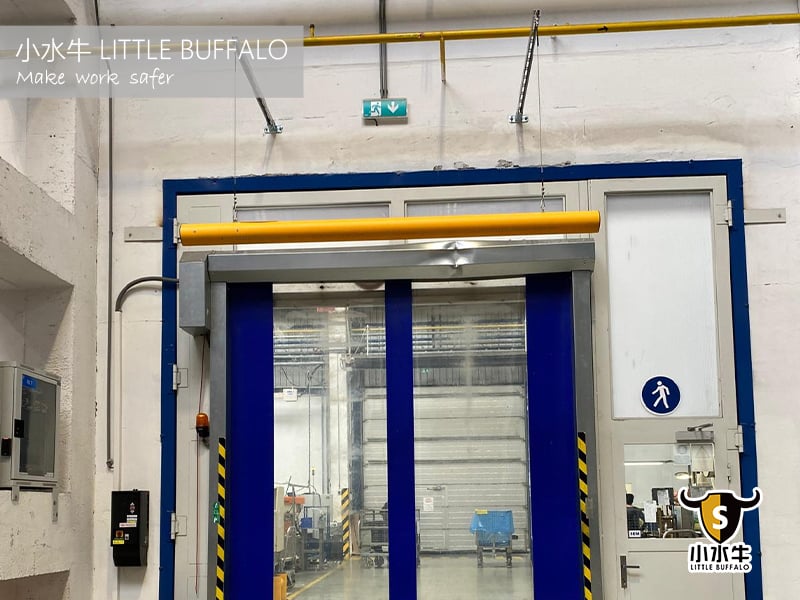
Over-height vehicles cause expensive, avoidable damage inside industrial facilities every week. Height restrictor systems provide a physical warning and stop plane that prevents trucks, trailers, and loaded forklift attachments from striking overhead doors, sprinkler lines, and ductwork at access points. A single impact can disable a cold storage door, release refrigerant, and halt operations for hours. Procurement teams rarely budget for this hidden cost until the third repair invoice arrives. Beyond direct repair, a damaged door forces manual handling, raises worker injury risk, and draws OSHA scrutiny after repeat incidents.
Cold storage sites run tight clearance between trailer roofs and door headers, which is exactly why height restrictor systems matter most in refrigerated buildings. When a trailer clips the door track or a sprinkler branch, the facility loses its sealed envelope and faces immediate product loss. Temperature excursions spoil pallet loads within minutes, and the repair crew must work in a degraded environment. A struck door also damages the structural frame, extending closure from hours to days.
The most damaged elements sit just above truck height: sectional overhead doors, fire sprinkler mains, HVAC ductwork, and low pipe racks. A collision here cascades into structural repair, water release, and unplanned downtime across the loading dock. Rack-end and column protection help elsewhere, but the overhead zone needs its own dedicated barrier. Facilities that ignore this gap pay repeatedly for the same failure mode and erode equipment reliability. A ruptured sprinkler line floods rack storage and triggers an electrical hazard near machine panels. Duct damage recirculates contaminated air into clean room zones, raising compliance exposure. Treating the overhead plane as a managed hazard, rather than an afterthought, protects both asset value and production continuity.
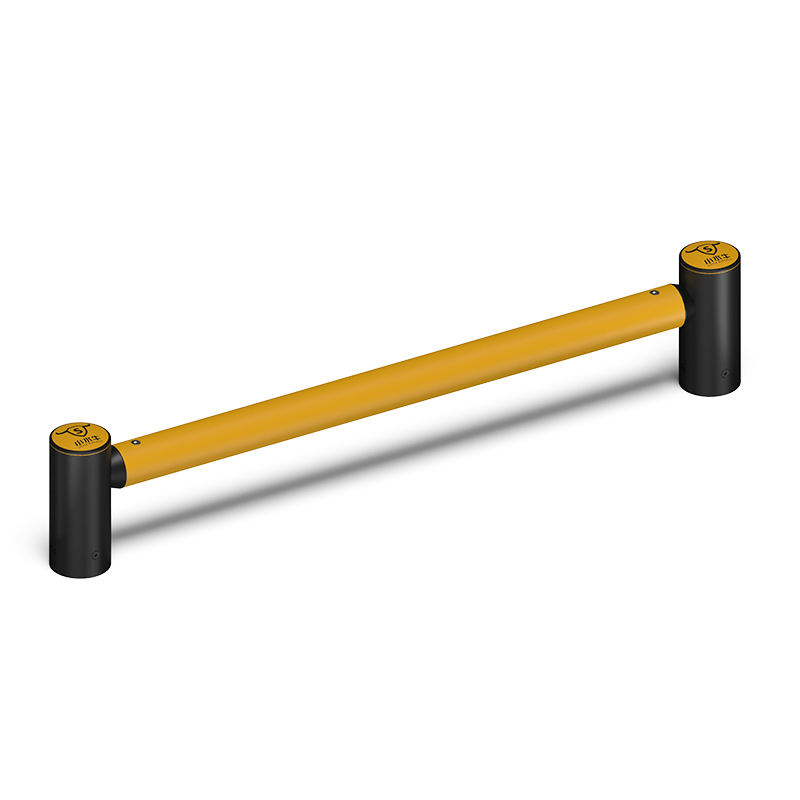
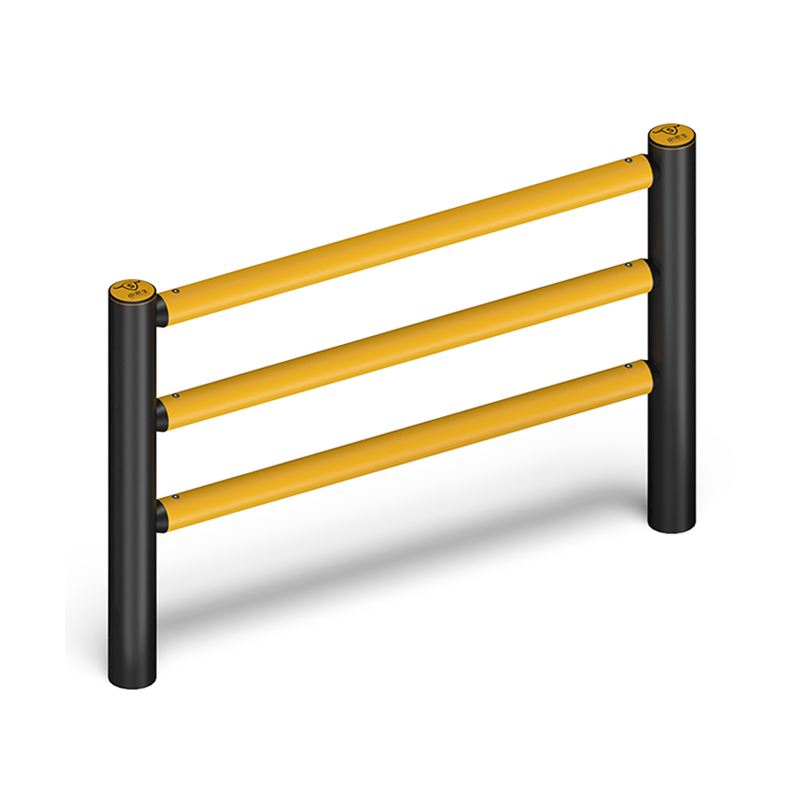
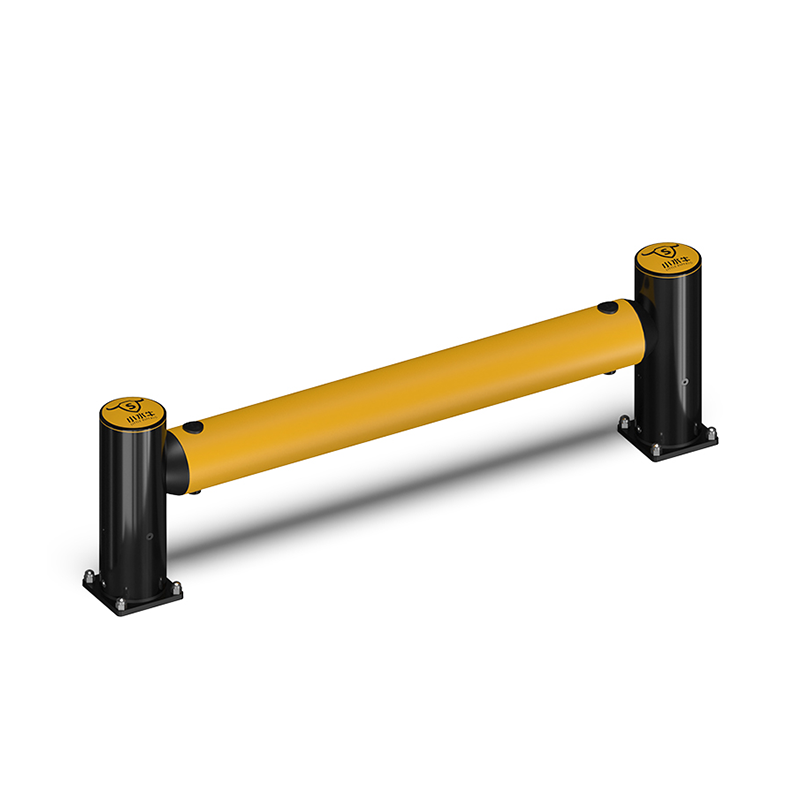
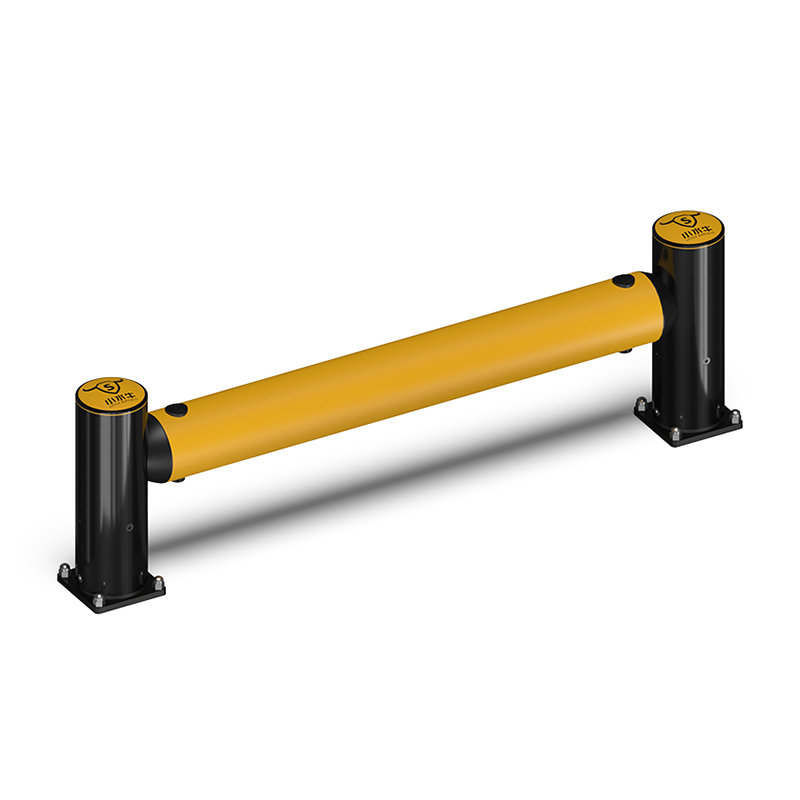
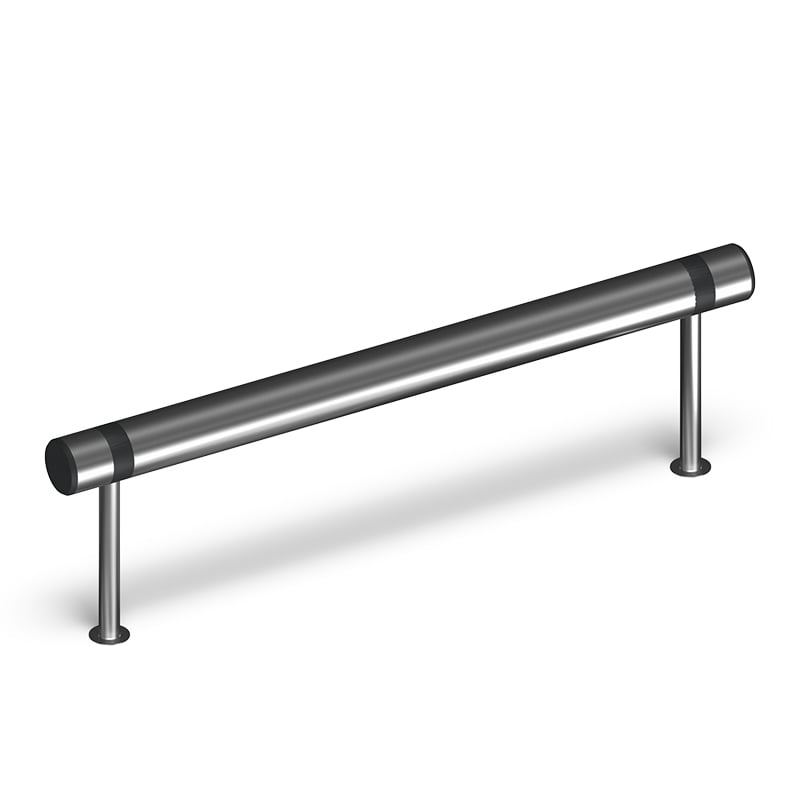
Most height restrictor systems pair a rigid visual bar with a flexible safety barrier underneath to manage both warning and impact. Rigid steel bars give a clear limit but transfer force on contact, which can damage the vehicle and the building. Flexible polymer limiters absorb impact and springs back, protecting the structure while warning the driver. The right choice depends on traffic speed, vehicle mix, and the value of equipment behind the plane. A well-designed system also supports traffic management by giving drivers a clear decision point before the door. Reflective tape and contrasting color improve visibility in dim yards. Where forklift routes cross the same plane, pair the limiter with a flexible bollard or guardrail to separate pedestrian and vehicle flows.
Modern height restrictor systems from Little Buffalo use self-recovering polymer that bends under impact and recovers its shape without replacement. This energy absorption reduces damage to door frames, ductwork, and nearby machine guards. Modular units resist repeated forklift and trailer contact in loading dock and yard zones, and powder-coated bases survive wash-down in clean room and cold storage areas. The outcome is lower maintenance and steadier operations.
A regional cold-storage operator suffered monthly overhead door strikes from rental trailers of unknown height, which is where height restrictor systems would have prevented the loss. Each repair closed a dock for a full shift, raising downtime, labor cost, and spoilage risk. Manual spotter signs proved unreliable at night, and the facility had no formal traffic segregation plan. The maintenance lead estimated that overhead door work consumed a rising share of the yearly equipment budget. The operator also noted that each incident delayed outbound shipments and strained relations with contract carriers. A passive, self-enforcing barrier was the only durable fix.
The facility installed powder-coated clearance bars and flexible height-restrictor bars at every truck access point, backed by floor markings, signage, and a revised vehicle routing plan. These height restrictor systems reduced overhead door strikes to near zero within twelve months, while forklift route safety improved and the site aligned its practice with ISO 45001 occupational health guidance. The payback arrived inside a single budget cycle. Crews trained on proper installation torqued the SS304 brackets to spec and logged each location. Supervisors reported fewer near-misses and a calmer dock during peak season.
Height restrictor systems should be sized to the lowest fixed obstruction, not the average truck, and verified against trailer and loaded pallet dimensions. Consider modular polymer for high-traffic zones and steel where long-distance visibility matters. TÜV-certified units and OSHA-aligned placement support compliance and procurement confidence. A documented risk assessment helps justify the spend to facility management and the safety committee.
Reliable height restrictor systems depend on weekly inspection of bars, fixings, and brackets to catch fatigue before failure, while monthly checks confirm alignment after any strike. Pair barriers with pedestrian and vehicle segregation, clear signage, and worker training on hazard awareness. Document each inspection to support the OHSAS-to-ISO transition and reduce collision risk across the workplace. Good installation and inspection convert a recurring expense into a controlled, predictable cost. Seasonal checks before winter and peak shipping catch hidden cracks early. Linking inspection to the broader hazard register keeps the control visible to auditors and supports continuous improvement across the workplace.
Height restrictor systems deliver the strongest return when paired with disciplined traffic management and routine inspection. Effective overhead door protection depends on early warning and a reliable stop plane that cuts repair spend, protects building services, and keeps the loading dock running. Selecting the right barrier and maintaining it turns a recurring cost into a managed risk for any industrial facility.
What are clearance bars used for?
Answer: Height restrictor systems are physical bars placed at warehouse and dock access points to stop over-height vehicles from striking doors, sprinklers, and ducts. They protect building services, reduce repair costs, and prevent unplanned downtime. Clear marking and correct placement improve traffic safety for trucks and forklifts. Facilities gain a low-cost safeguard against repeated overhead collisions.
Why do cold storage sites need overhead door protection?
Answer: Cold storage doors sit close to trailer roof height, so any strike breaks the sealed envelope and spoils stock within minutes. Overhead door protection prevents temperature loss, refrigerant release, and structural damage. A flexible barrier also lowers repair labor and keeps the loading dock operating. Regular inspection sustains the safeguard and supports food-safety compliance across the facility.
Where should clearance bars be installed?
Answer: Clearance bars belong at every truck and trailer access point, set to the lowest fixed obstruction rather than the average vehicle. Position them outside the door so a strike happens before contact with frames or sprinklers. Combine the bar with floor markings and signage. Indoor and outdoor zones both need coverage, and wash-down areas require corrosion-resistant fixings.
How do polymer height limiters recover after impact?
Answer: Polymer height limiters use self-recovering engineering material that bends on contact and returns to shape without replacement. The design absorbs impact energy, protecting both vehicle and structure from damage. Unlike rigid steel, the flexible barrier needs no straightening after a hit. Routine inspection confirms recovery, and modular sections allow quick local repair if a component fatigues.
Do facilities need inspection for height control equipment?
Answer: Yes, weekly inspection of bars, brackets, and fixings catches fatigue before failure and confirms alignment after any strike. Documented checks support ISO 45001 occupational health practice and reduce collision risk. Pair the equipment with pedestrian and vehicle segregation plus worker training. Proactive maintenance turns a recurring repair expense into a predictable, managed operating cost.
 Hot News
2024-06-01
2024-06-25
2024-06-28
2024-09-09