EN

ABOUT US
- Shounan Street URban Industrial Park,YinZhou District,NingBo City, ZheJiang, CHINA.
- +86-15381988180
- [email protected]

Loading docks sit where the busiest and most hazardous work in any distribution operation takes place. Every shift trucks arrive, doors open, and forklifts cross the threshold between the facility and the vehicle. A misstep at the dock edge can send a worker to the ground or let a trailer drift from the bay. Loading dock barriers form the first line of defence, pairing physical restraint with clear visual separation. The following sections explain the risks, the engineering, and a real-world upgrade that cut near-misses sharply.
Loading dock barriers matter most when a trailer begins to creep. Trailer creep happens as forklifts enter and exit the trailer, pushing it centimetres from the dock leveler. The gap at the dock edge stays invisible until a forklift drives into it. Early departure, where a driver pulls away during loading, creates the same hazard at larger scale. Restraints that lock the trailer to the bay stop both problems at the source. A compliant restraint also removes the surprise of air-spring rebound when a loaded trailer is unhooked.
A fall from the dock edge rarely ends well. Standard dock height sits about 1.2 metres above the yard, enough for serious injury. Pedestrians near an open door without a guard can lose footing or be struck by reversing equipment. Continuous edge protection, such as a flexible guardrail or bollard line, blocks casual access to the open threshold.
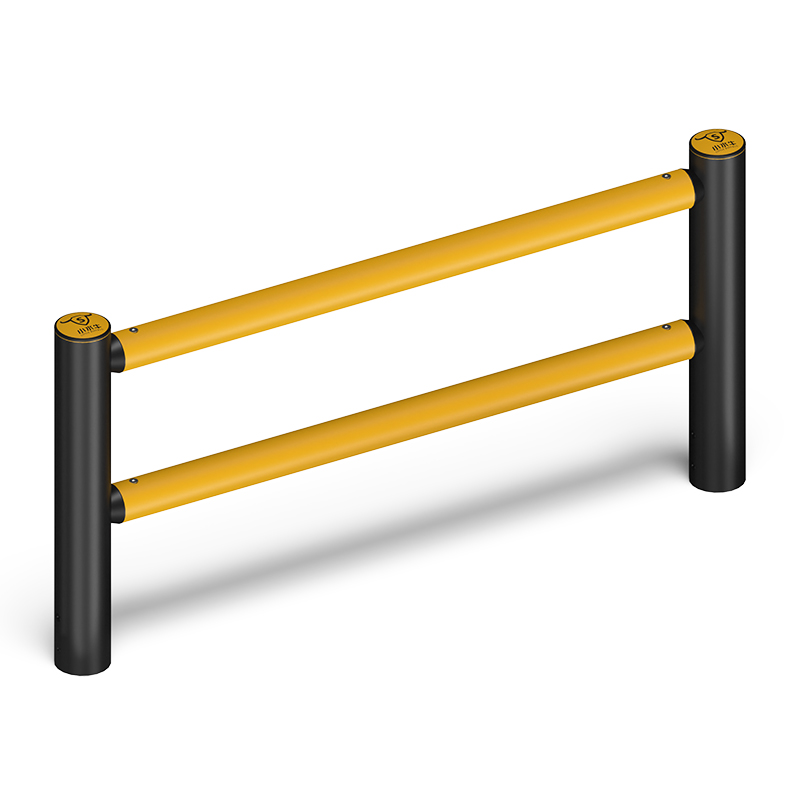
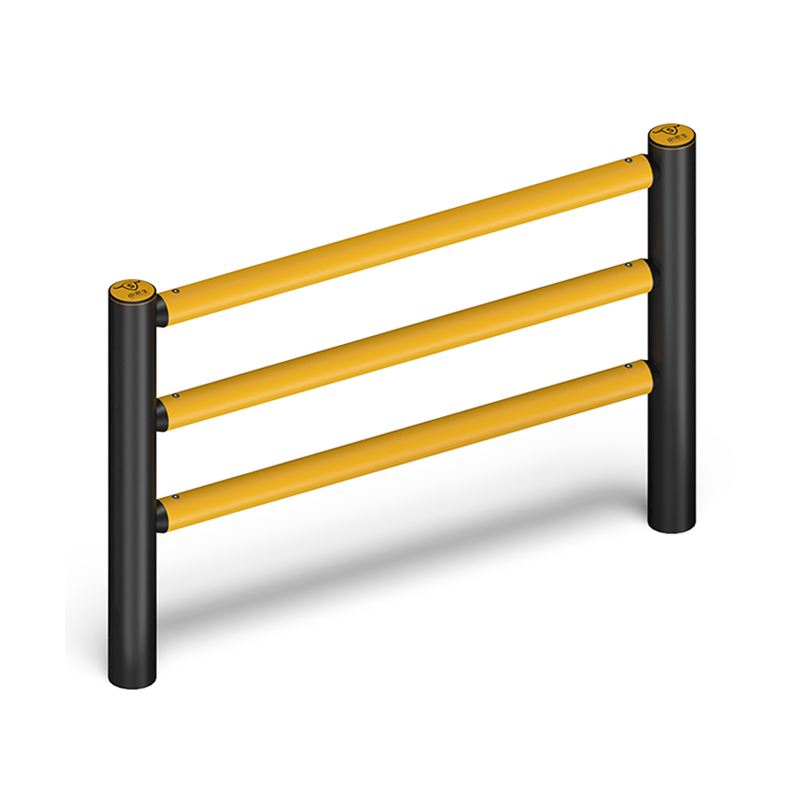
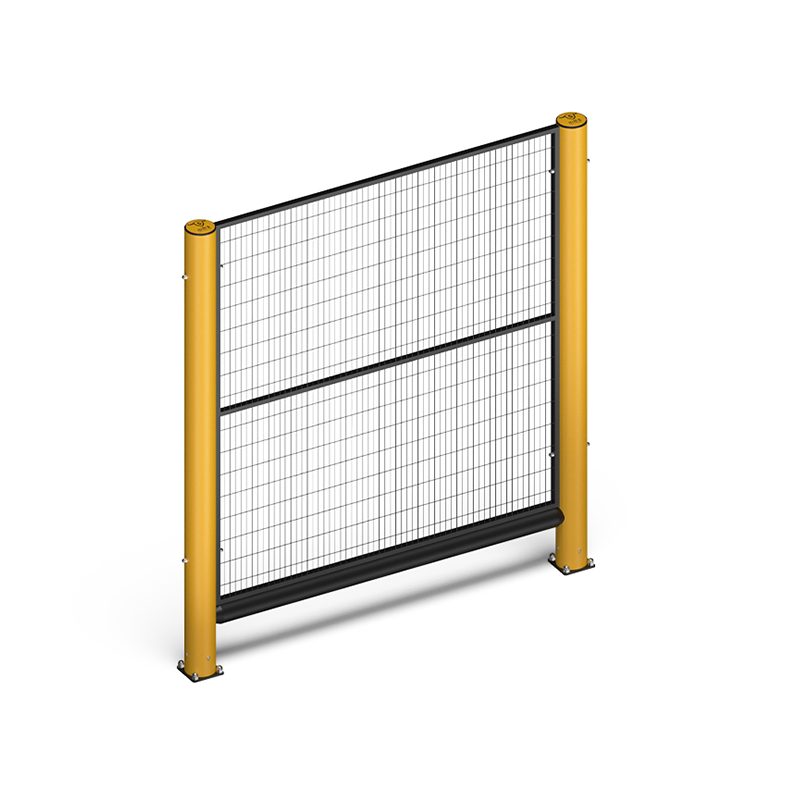
A continuous run of loading dock barriers along the threshold keeps pedestrians on the safe side of every open door. These protective elements must survive daily knocks from pallet trucks and forklift turns. Little Buffalo polymer units use a self-recovering engineering polymer that bends under impact and springs back to shape, keeping the line intact after hundreds of collisions. The flexible barrier maintains the wall that warns people away from the hazard.
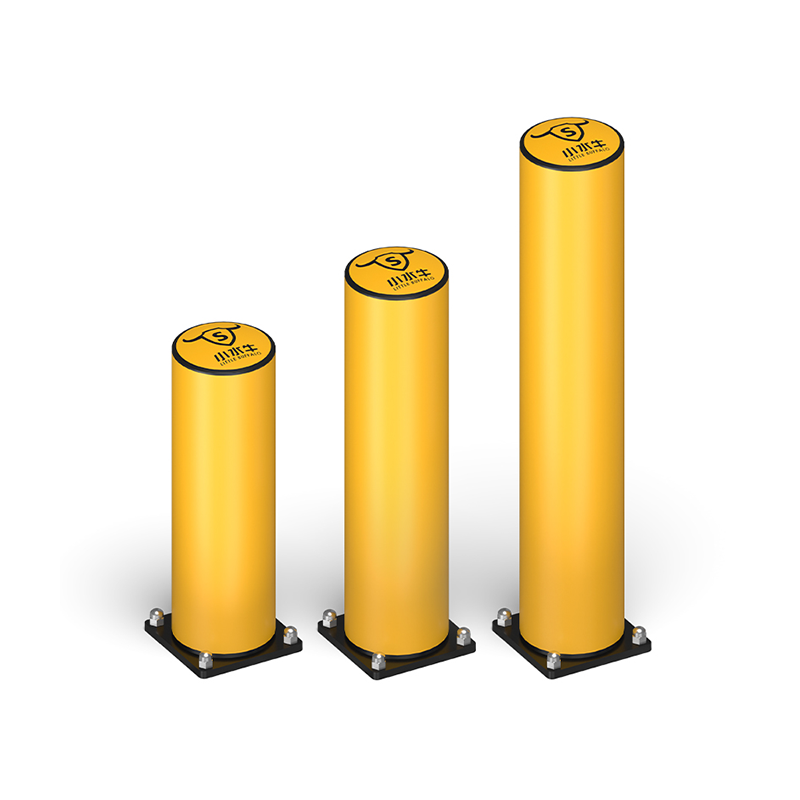
Loading dock barriers built from a flexible polymer absorb impact rather than resisting it. A steel post stops a forklift by damaging both post and truck; a polymer barrier gives slightly, absorbing up to 90 percent of impact energy and recovering. That protects the vehicle, the fixings, and the operator, while cutting downtime from collision damage. Modular designs let a facility reconfigure protection as the yard changes. Cast metal ends and SS304 fixings resist corrosion in outdoor and cold storage settings, and powder-coated bases stay visible for easy inspection.
Restraints are the mechanical half of dock safety. A dock lock engages the trailer's rear impact guard, or the system pairs a wheel chock with a cab warning light. The trailer cannot leave until loading is complete and the crew is clear, directly addressing runaway and early-departure risk. Wheel chocks remain a low-tech backup every site should keep, giving redundancy if power fails. OSHA guidance on powered industrial trucks and ANSI/ITSDF B56.1 both treat positive trailer control as a baseline expectation for safe loading.
Good equipment fails without good layout. Pedestrian routes should never cross the forklift path to the trailer. Painted lines fade; a physical bollard or guardrail does not. Segregating foot traffic through a flexible barrier line turns an open apron into a managed zone with defined lanes.
Loading dock barriers placed along the walkway edge make those lanes clear. Traffic management also covers the yard approach: speed control, one-way lanes, and signage reduce the chance of a vehicle striking the building or a rack. Where space is tight, column protection and rack-end guards shield structure from impacts that would otherwise close a bay for repairs.
A regional cross-dock hub moving parcels between line-haul trucks and local vans ran twelve bays around the clock. Before the upgrade the site relied on painted lines and verbal calls to coordinate trailer position. In one quarter the safety log recorded eleven near-misses: four trailers creeping off the leveler and seven pedestrians tripping near open doors or walking into reversing forklifts. Bent steel posts offered no clear warning, and each repair took a bay offline for half a day. Insurance and audit both flagged the dock edge as the top loss source.
The hub installed loading dock barriers on every open door, added trailer restraints to all twelve bays, and rerouted walkways behind a continuous guardrail. Within six months near-misses dropped from eleven to one, a minor footing slip with no injury. Bent steel posts were gone; the polymer line absorbed knocks and recovered, so no bay was taken offline for barrier repair. The change came from three controls together: a wall at the edge, a lock on the trailer, and a separated pedestrian lane. The site later extended the approach to its cold storage transfer doors.
Selection should start with standards. ISO 9001 and ISO 14001 cover quality and environmental management, while ISO 45001 frames the occupational health approach a buyer should expect. TÜV-certified polymer barriers give independent evidence of performance. Loading dock barriers from a certified manufacturer give procurement teams traceable test data for audit files. Installation must follow a planned layout: anchor the base to sound concrete, keep the edge line continuous, and test restraint engagement with each trailer type. Daily checks confirm barriers are upright and restraints activate without fault; a weekly log builds the evidence trail auditors expect.
Loading dock barriers deliver the strongest return as part of a complete system: edge protection, trailer restraint, and separated traffic working together. The cross-dock case shows near-misses fall sharply once all three controls are in place. For any facility moving freight between building and truck, flexible, self-recovering protection is a practical step toward fewer injuries and less downtime.
What is the difference between a trailer restraint and a dock barrier?
Answer: A trailer restraint is a mechanical device that locks the trailer to the bay so it cannot creep or drive away during loading. A dock barrier is a physical guard, often a flexible polymer line, that blocks people and equipment from reaching the open edge. The two controls work together: the restraint secures the vehicle while loading dock barriers protect the perimeter and separate pedestrians from forklift traffic.
Why does trailer creep happen at the loading bay?
Answer: Trailer creep occurs as forklifts repeatedly enter and exit the trailer, each trip nudging the vehicle a few centimetres away from the dock leveler. Air-suspension rebound when a trailer is unhooked can also push it forward suddenly. Without positive restraint the gap at the dock edge grows unnoticed until a forklift drops into it. Restraints, wheel chocks, and clear signalling prevent the drift and keep the trailer aligned with the bay throughout the operation.
Where should edge protection be installed on a busy dock?
Answer: Edge protection belongs along every open dock door where a fall or trailer gap could expose a worker. A continuous flexible guardrail or bollard line should run across the threshold and along pedestrian walkways that pass near the bays. Protection also helps at the yard approach where vehicles turn toward the building. The line must stay unbroken and highly visible so staff instinctively keep to the safe side of the dock.
How often should dock safety equipment be inspected?
Answer: Daily visual checks should confirm barriers are upright, fixings are tight, and trailer restraints engage without fault before each shift. A weekly recorded inspection can cover anchor condition, polymer recovery after impact, and signage visibility. Any barrier that no longer returns to shape or shows a cracked base should be replaced promptly. Regular inspection builds the evidence trail auditors and insurers expect and keeps the protection effective over time.
Can flexible polymer barriers replace steel posts at the dock?
Answer: Flexible polymer barriers can replace rigid steel posts in most dock-edge and traffic-separation roles because they absorb up to 90 percent of impact energy and recover their shape. That reduces vehicle damage, repair downtime, and bay closures. Steel still suits heavy structural roles, but for pedestrian segregation and edge protection the flexible option performs well in cold storage, outdoor yards, and high-traffic bays while needing far less maintenance.
 Hot News
2024-06-01
2024-06-25
2024-06-28
2024-09-09