 EN


ABOUT US
- Shounan Street URban Industrial Park,YinZhou District,NingBo City, ZheJiang, CHINA.
- +86-15381988180
- [email protected]

At busy warehouse edges where trucks meet raised floors, an unguarded platform edge is a serious hazard for workers and equipment. Upward opening safety gates provide a clean answer for facilities that lack the swing or slide clearance of traditional doors. The following sections explain how the vertical-lift mechanism operates and why upward-opening is the practical fit for tight, high-traffic loading areas.
An upward opening safety gates assembly moves the barrier panel upward into a concealed housing above the opening instead of swinging outward into the aisle. A counterbalanced or assisted-lift spindle reduces operator effort, so the panel rises smoothly along fixed tracks guided by roller bearings. Because the panel travels vertically, the adjacent pedestrian route and forklift lane remain clear at all times, lowering collision risk near the platform.
Tight dock bays often leave no room for a swing gate to arc open or for a sliding gate to retract sideways into a wall. Upward opening safety gates work well here because the vertical lift uses only overhead space, which is usually free above a platform edge. On compact mezzanine decks this geometry prevents the gate from blocking pallet movement.
Loading dock planning must account for trailer alignment and vehicle restraint. An upward-opening model keeps the lower wall face available for dock seals and bumpers, so the bay stays efficient.
Mezzanine loading platforms sit above active floors, so any gap becomes a fall hazard for personnel and dropped equipment. Upward opening safety gates close the edge automatically after each transfer, maintaining a continuous guard rail even when the opening is idle. Fall protection improves because the barrier is present whether or not a load is moving through the gap.
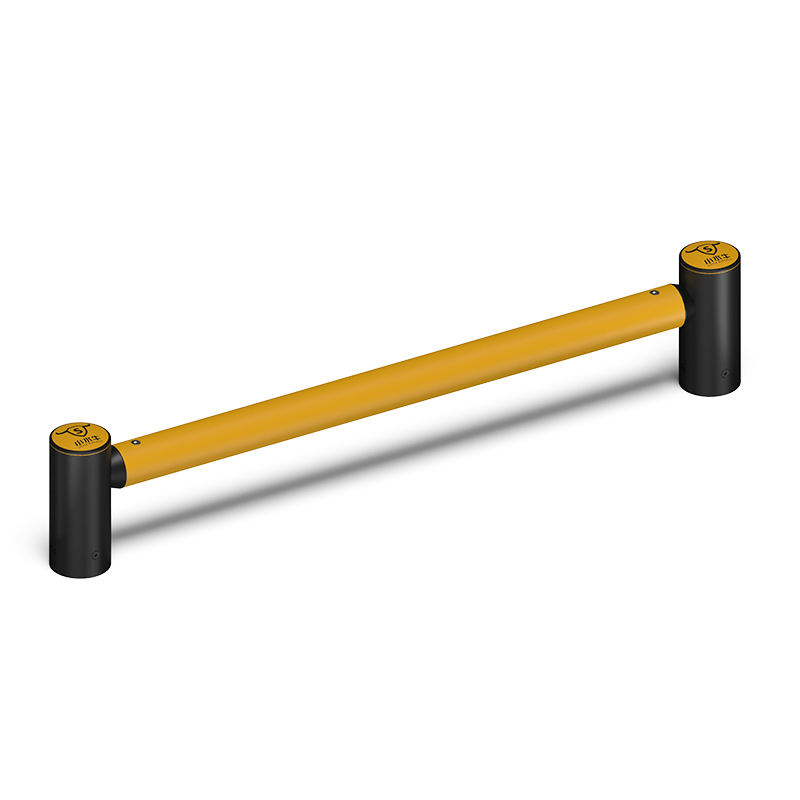
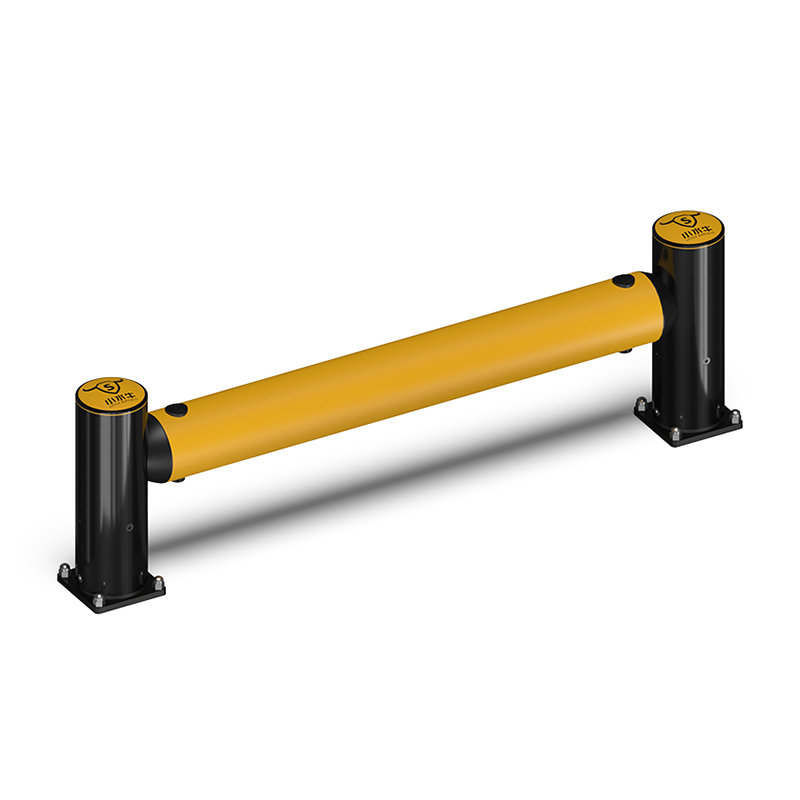
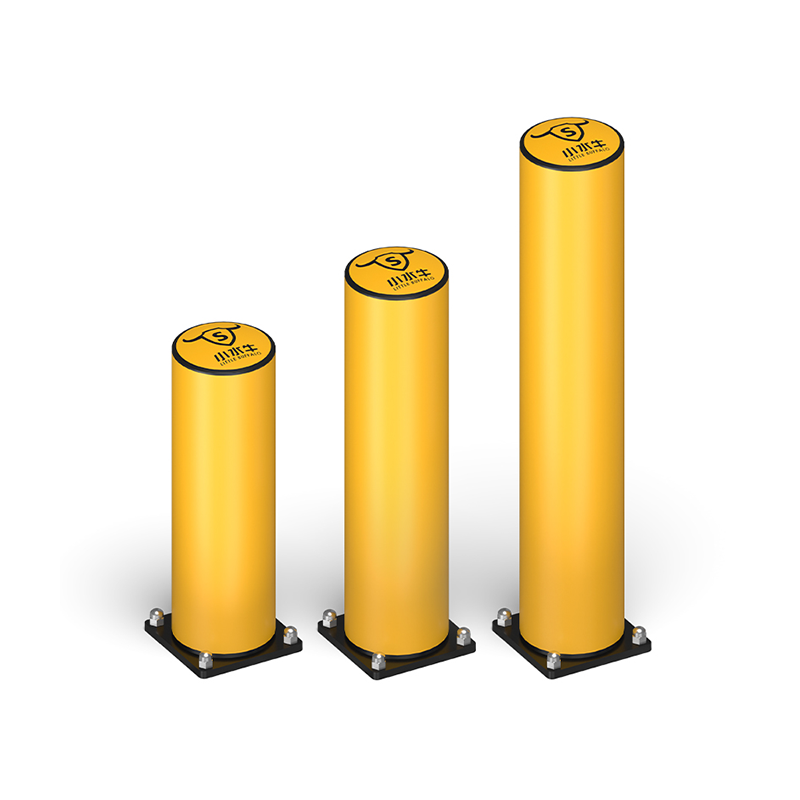
Pairing the gate with flexible guardrails or bollards along the approach reduces the chance of a forklift straying toward the edge. The combined system creates a protective zone that supports safe material flow on the upper level without slowing legitimate transfers between floors.
A confined loading dock forces trucks, pallet jacks, and pedestrians into a narrow band of space. Upward opening safety gates are the right response because they avoid intruding into that band, keeping the bay organized during simultaneous operations. When a trailer is absent, the gate stays down as a barrier; when loading begins, it lifts clear without consuming lateral room that vehicles need.
In cold storage and outdoor yards, steel or polymer panels resist corrosion and impact from frequent contact. The gate becomes part of a broader safety barrier strategy with rack-end protection and column guards, limiting equipment damage and the downtime that follows a collision near the door.
A distribution center operated a mezzanine dock where cartons were pushed from the upper floor to the level below through an open edge. Staff frequently stepped near the gap, and a single misstep could cause a fall-through incident. Existing swing barriers fouled passing pallet traffic and were often propped open, so the risk persisted. The workplace also handled mixed traffic, with pedestrians crossing near the edge while forklifts moved pallets behind them.
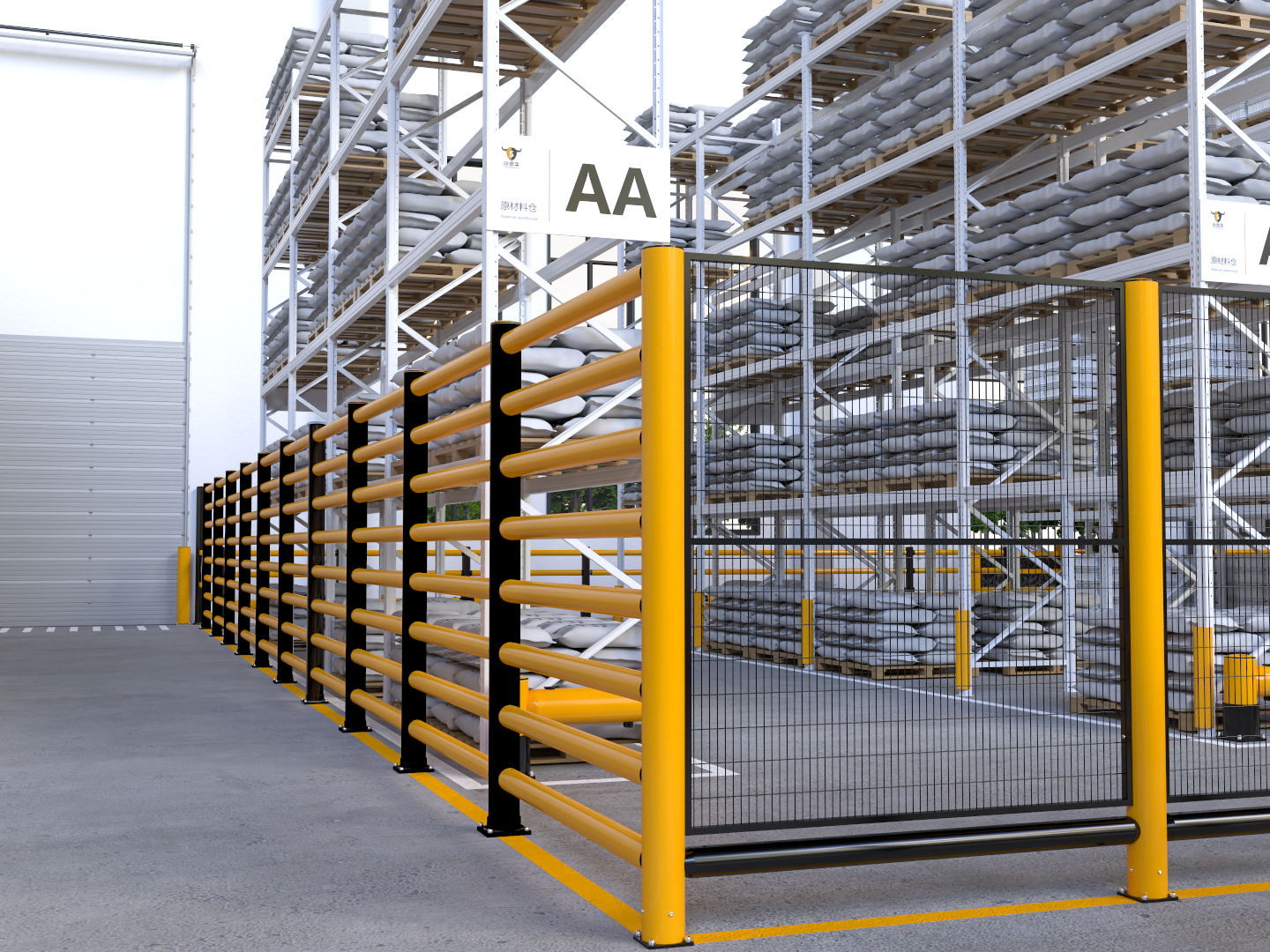
The facility replaced the manual swing barriers with upward opening safety gates mounted directly to the mezzanine structure. Each gate lifted into the overhead housing when a load arrived and closed automatically after transfer. Little Buffalo polymer guardrails reinforced segregation, while cast metal ends and SS304 fixings gave durable anchoring. Installation followed a modular layout, so the team phased the work without halting the dock.
After installation, fall-through events at the platform edge dropped to zero across a twelve-month review period. Upward opening safety gates proved their value because operators reported the vertical lift never blocked the aisle, and housekeeping improved since no panel protruded into the walkway. Inspection records showed fewer near-miss reports, and the automatic close function removed the human error that left old barriers open.
The case shows that upward-opening gates suit mezzanine edges where space and safety both matter. A clear edge guard, combined with zoning and guardrails, reduced hazard exposure without adding process steps, paying back through fewer incidents and less unplanned downtime.
Selecting loading platform gates starts with measuring the clear opening, traffic type, and cycle frequency. Specifiers comparing upward opening safety gates should confirm the overhead housing height, panel weight, and lift assist before purchase. High-volume docks need assisted-lift spindles, while low-use edges may use a manual counterbalance. Match the panel material to the environment, with steel or polymer options rated for impact and corrosion in cold storage or outdoor yards.
A structural review should confirm the supporting frame can carry the panel and dynamic forces during lifting. Modular kits simplify future changes when rack layout or traffic patterns shift, and the model should integrate with existing safety barriers and signage for consistent worker guidance across the facility.
Routine maintenance keeps the lift mechanism reliable: inspect tracks, test the counterbalance, and verify the auto-close function on a monthly schedule. Lubricate moving parts, check fasteners, and replace worn rollers before they cause a jam. A documented inspection routine helps facility managers prove due care and reduces unexpected downtime that would interrupt loading operations.
Relevant safeguards align with OSHA 29 CFR 1910.178 for powered industrial trucks and ANSI/ITSDF B56.1 for forklift safety, while ISO 45001 guides the occupational health system. Products carrying TÜV certification and ISO 9001 quality controls give procurement teams confidence that components meet tested, certified performance.
Upward opening safety gates provide dependable edge protection for warehouse loading platforms where floor space is limited and fall risk is real. The vertical-lift mechanism keeps aisles clear, and the realistic mezzanine case shows measurable safety gains. Specifiers should match gate type to traffic, plan regular inspection, and verify standards compliance for lasting protection.
What is an upward-opening safety gate used for?
Answer: An upward-opening safety gate guards raised platform and dock edges to stop falls and separate pedestrian from forklift traffic. The panel lifts vertically into overhead housing, freeing floor space below. Facilities use these gates on mezzanines, truck bays, and loading platforms where swing or slide clearance is limited and continuous edge protection is required.
Why do tight docks prefer vertical-lift gates?
Answer: Tight dock bays lack room for a swing gate to arc or a slide gate to retract sideways. A vertical-lift gate uses only overhead space, leaving the floor and walls clear for trailer alignment and traffic. This geometry prevents the barrier from blocking pallet movement, so upward-opening suits compact mezzanine decks and confined loading areas with dense workflow.
How should loading platform gates be inspected?
Answer: Routine inspection of loading platform gates should check tracks, rollers, counterbalance, and the auto-close function monthly. Upward opening safety gates need verification that the panel seats fully and lifts without binding. Document each check, tighten fasteners, and replace worn parts before failure. A clear inspection routine reduces downtime and supports compliance with workplace safety expectations.
Can these gates integrate with existing guardrails?
Answer: Yes. Most upward-opening models use modular frames that connect to existing guardrails, bollards, and rack-end protectors. Mounting points accept polymer or steel sections, so the edge guard extends into a continuous protective line. Integration keeps pedestrian and forklift routes separated and lets a facility upgrade safety without rebuilding the entire dock or mezzanine layout.
Which standards apply to dock edge protection?
Answer: Dock edge protection aligns with OSHA 29 CFR 1910.178 for powered trucks and ANSI/ITSDF B56.1 for forklift safety. ISO 45001 guides occupational health management, while ISO 9001 covers quality and TÜV marks confirm tested performance. Specifiers should reference these standards when specifying gates and verify that installed equipment carries the appropriate certifications for the facility.
 Hot News
2024-06-01
2024-06-25
2024-06-28
2024-09-09
