EN

ABOUT US
- Shounan Street URban Industrial Park,YinZhou District,NingBo City, ZheJiang, CHINA.
- +86-15381988180
- [email protected]

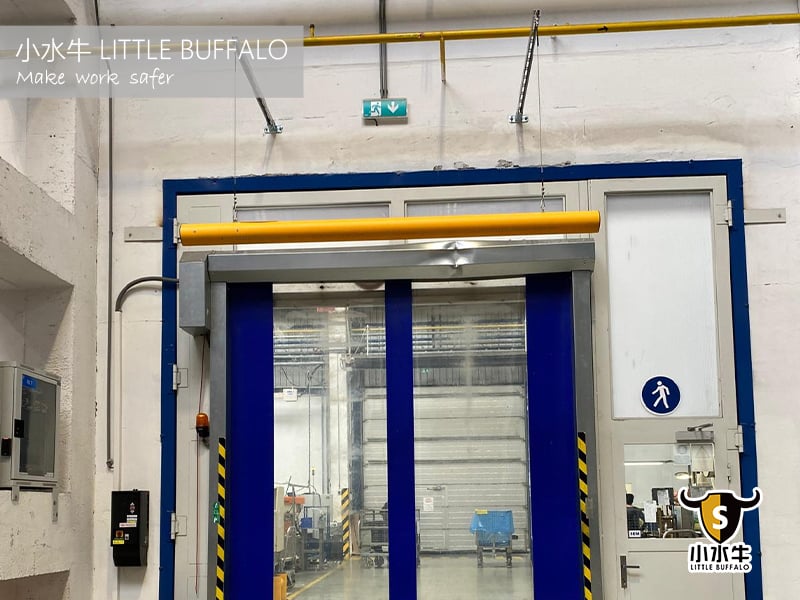
Multi-level facilities move goods between floors through elevator openings and freight-lift doors that sit in the busiest traffic lanes of any plant. Around these openings, material-handling vehicles turn, queue, and reverse in tight space. elevator protection barriers placed at the threshold reduce the chance that a stray pallet or a turning truck strikes a door leaf, a shaft edge, or a structural column. The following sections cover where damage starts, how polymer guards work, what a real installation achieved, and how to keep the system compliant.
A lift doorway is a controlled opening, yet it sits beside uncontrolled movement. Forklift operators load and unload at speed, and a moment of misjudgment pushes a pallet into the door track or the reveal around the shaft. elevator protection barriers mounted on the floor around the opening absorb that first contact before metal meets metal. Without them, a single collision bends the door guide, jams the interlock, and forces the lift out of service. The shaft edge is worse: once the edge protection is gone, a vehicle can approach the platform drop and create a fall hazard for any worker nearby.
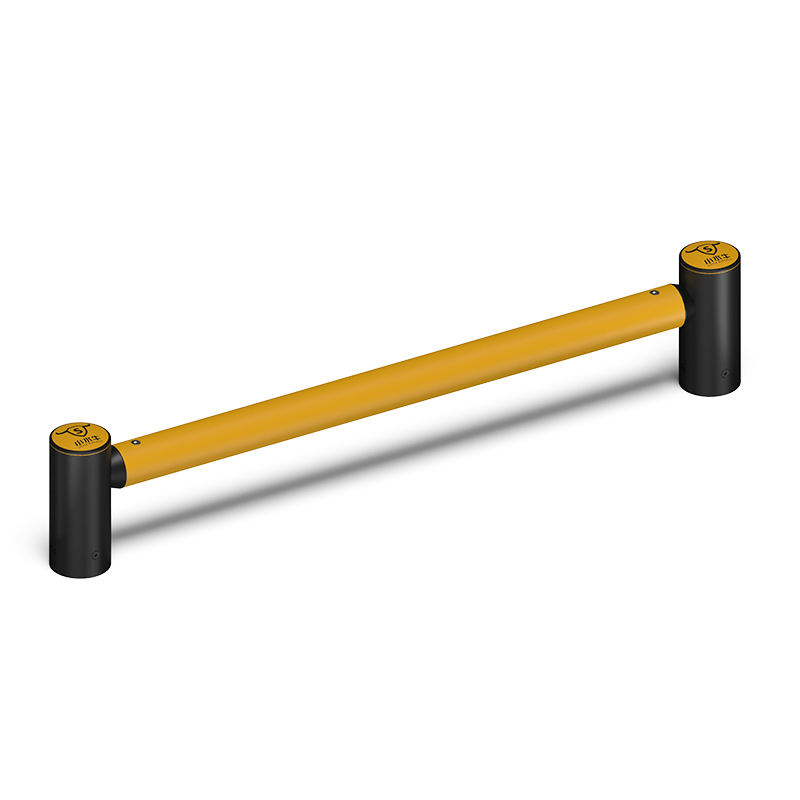
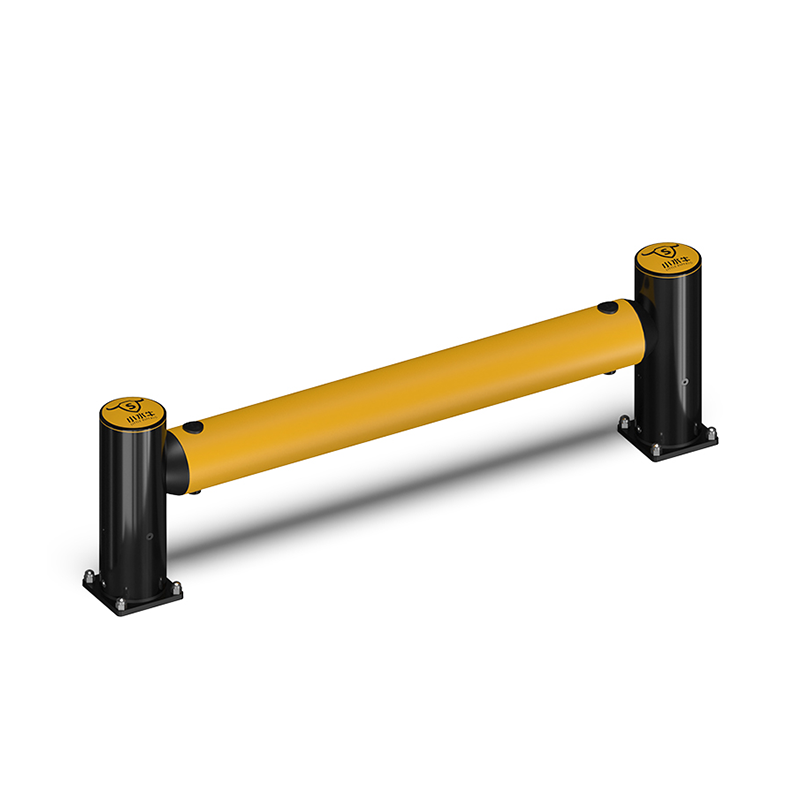
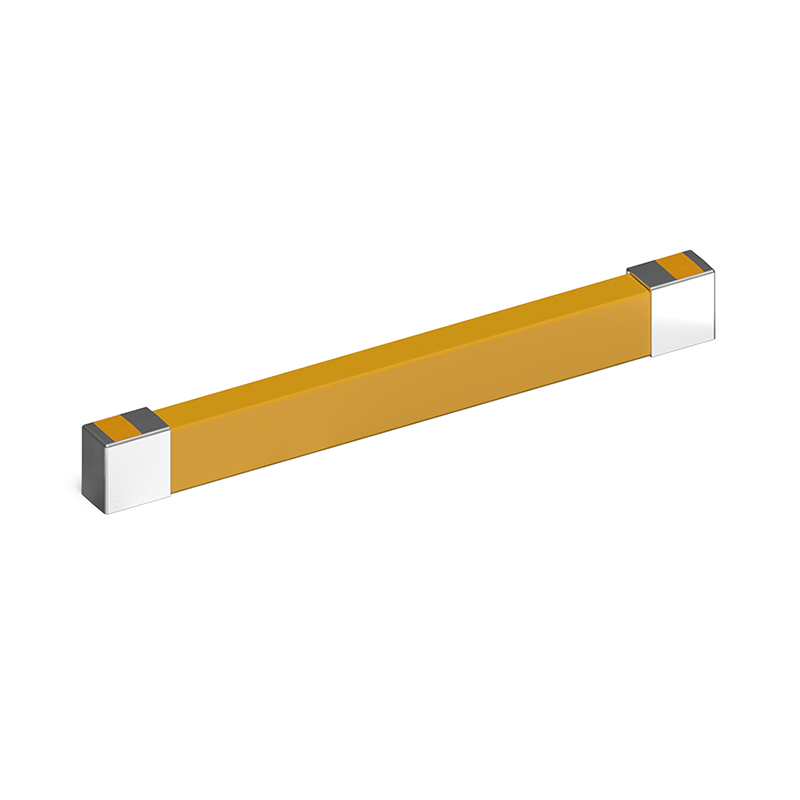
Rigid steel rails stop a hit by transferring force back into the vehicle and the floor anchor. A flexible polymer barrier instead deforms and springs back, so the same impact that dents steel merely bends the guard and recovers its shape. The self-recovering property keeps the line running with no repair call. Where space is tight, modular bollards cluster around the door reveal without blocking the doorway. elevator protection barriers built from engineering polymer keep the doorway serviceable after minor contacts that would crack a rigid post. Little Buffalo supplies these units with cast metal ends and SS304 fixings, so the base stays secure through thousands of cycles.
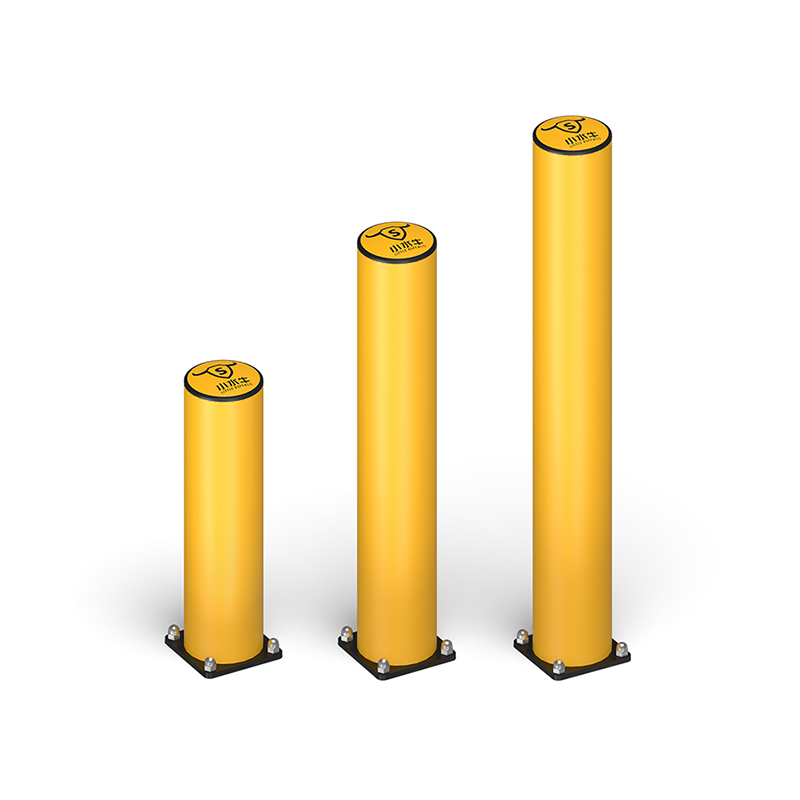
Good elevator protection barriers start with the vehicle path. A single line of bollards in front of the shaft door blocks perpendicular hits, while a short guardrail on the hinge side shields the door leaf from sideways loads. Installers often pair a flexible barrier with a painted floor mark to reinforce segregation between pedestrian and vehicle lanes. The goal is energy absorption at the point of contact, not a wall that stops everything but breaks on the first hit. Column and rack protection nearby should use the same polymer logic so the whole approach stays consistent.
A freight lift usually shares a loading dock with trailer traffic, so protection must extend past the door. Platform edges benefit from continuous guardrails that meet fall protection expectations, while the gate gets its own buffer. Zoning the approach with bollards prevents trailer spotting from creeping into the lift mouth. elevator protection barriers around the platform also resist corrosion where painted steel fails, which keeps the opening safe in cold storage and clean-room settings without contaminating the environment. Coordinated layout avoids new hazards during re-routing.
A three-level distribution center moved cartons between floors using two freight lifts fed by reach trucks on every level. The openings lacked dedicated elevator protection barriers, and over a six-month period the team logged repeated door-track bends, two jammed interlocks, and one near-miss where a truck clipped the shaft edge on level two. Maintenance hours and downtime climbed, and the safety review flagged the openings as the highest-risk zone in the facility. Existing rigid posts had cracked at the base and offered no recovery after impact.
The operator installed polymer elevator protection barriers as a continuous perimeter around both lift mouths, adding bollards at the hinge side and guardrails along the platform edge. Within three months, door and shaft damage dropped sharply: the center recorded zero interlock faults and a large reduction in forklift-related repair calls. The self-recovering guards needed no replacement after minor contacts, and the freed maintenance time went back into planned inspection. The case shows that protecting the opening beats repairing it after every hit.
elevator protection barriers only work if anchored to a sound floor with rated fasteners, and the layout should leave the doorway clear while pushing vehicle traffic outward. Teams should review the route with operators before drilling, because a barrier placed against the flow creates a new hazard. Regular traffic management checks confirm that bollards still mark the intended segregation and that nothing has been relocated during a re-layout. Good installation protects equipment without slowing the movement of pallets between levels.
Relevant guidance reinforces the approach: OSHA 29 CFR 1910.178 covers powered industrial truck operation, OSHA 29 CFR 1910.212 addresses machine guarding, and ANSI/ITSDF B56.1 sets forklift safety expectations. Products from Little Buffalo carry TÜV certification and are made under ISO 9001, ISO 14001, and ISO 45001 systems. Inspection stays simple: walk the openings weekly, confirm the polymer still recovers after a hit, and replace only a unit that shows permanent deformation. Protective maintenance protects workers, equipment, and uptime together across the facility.
Well-planned elevator protection barriers turn a high-risk lift opening into a managed, low-damage zone. By combining polymer energy absorption, clear segregation, and routine inspection, facilities cut repair work and protect workers without slowing the flow of goods between floors.
Frequently Asked Questions about elevator protection barriers, freight lift guards, shaft door protection, industrial lift safety and loading platform barriers
Question
What materials are used to build freight lift guards and elevator protection barriers?
Answer: Elevator protection barriers use engineering polymer with a self-recovering structure that bends under impact and returns to shape. Cast metal ends and SS304 fixings anchor each freight lift guards unit to the floor, while powder-coated bases resist corrosion. The material choice keeps shaft door protection flexible in cold storage and clean-room settings where rigid steel cracks after repeated contact. Loading platform barriers built this way suit busy industrial doorways.
Question
Why should lift openings use industrial lift safety guards instead of steel posts?
Answer: Steel posts stop a hit by passing force back into the vehicle and the anchor, often cracking at the base. A flexible polymer elevator protection barriers guard deforms and springs back, so minor contacts need no repair. This lowers downtime and keeps the shaft door protection intact after every shift. The self-recovering design of freight lift guards also removes the recurring cost of replacing bent rigid rails in busy traffic lanes near the shaft.
Question
Where should loading platform barriers be placed around a freight lift?
Answer: Place a line of freight lift guards bollards in front of the shaft door to block perpendicular hits and add guardrails on the hinge side for sideways loads. Extend elevator protection barriers along the platform edge to meet fall protection needs, and use zoning to keep trailer spotting away from the lift mouth. The doorway must stay clear while vehicle traffic is pushed safely outward from the opening — the essence of industrial lift safety.
Question
How often should shaft door protection and elevator protection barriers be inspected?
Answer: A weekly walk-around confirms each polymer freight lift guards unit still recovers after contact and that fixings remain tight. Teams should re-check the loading platform barriers layout after any floor re-layout or new vehicle route, since a barrier moved against the flow becomes a hazard. Replace only units showing permanent deformation; most self-recovering elevator protection barriers need no part swapped between scheduled maintenance windows.
Question
Do freight lift guards help with compliance and industrial lift safety standards?
Answer: Elevator protection barriers support compliance with OSHA 29 CFR 1910.178 for powered truck operation and 1910.212 for machine guarding, plus ANSI/ITSDF B56.1. Little Buffalo freight lift guards carry TÜV certification and are made under ISO 9001, ISO 14001, and ISO 45001 systems. Properly placed shaft door protection and loading platform barriers reduce collision risk, protect workers, and document a proactive approach to workplace hazard control under industrial lift safety.
 Hot News
2024-06-01
2024-06-25
2024-06-28
2024-09-09